

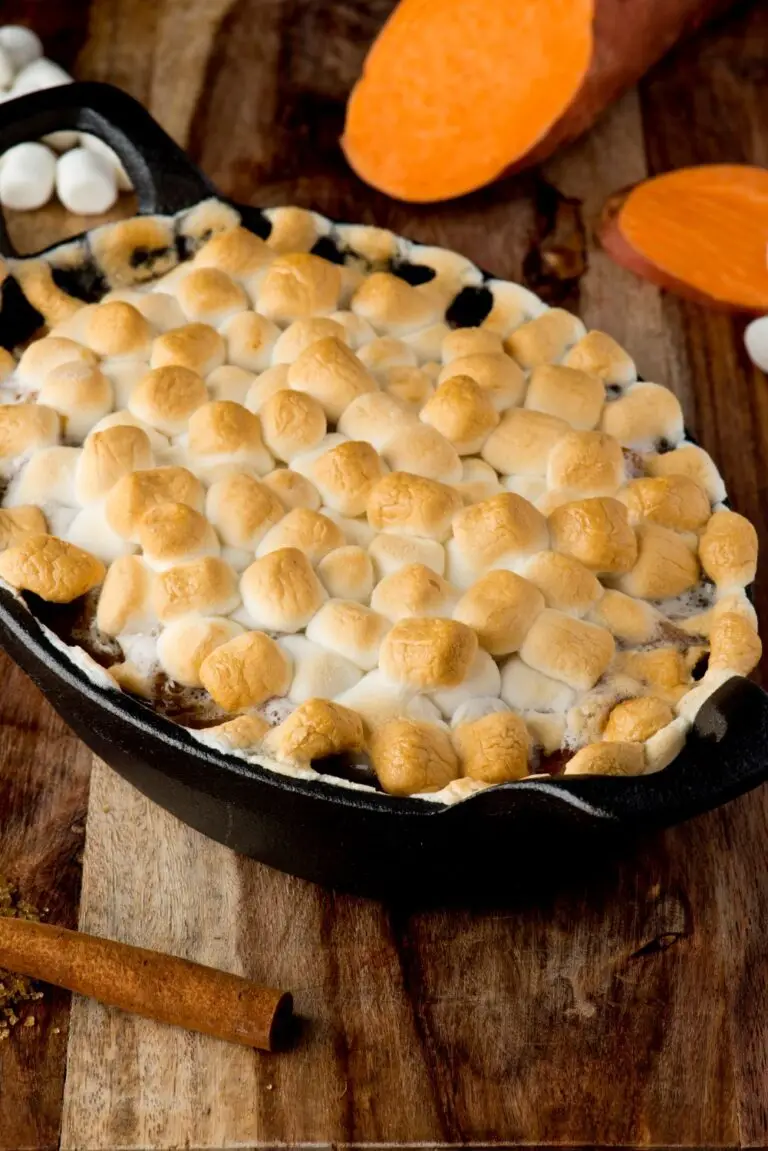
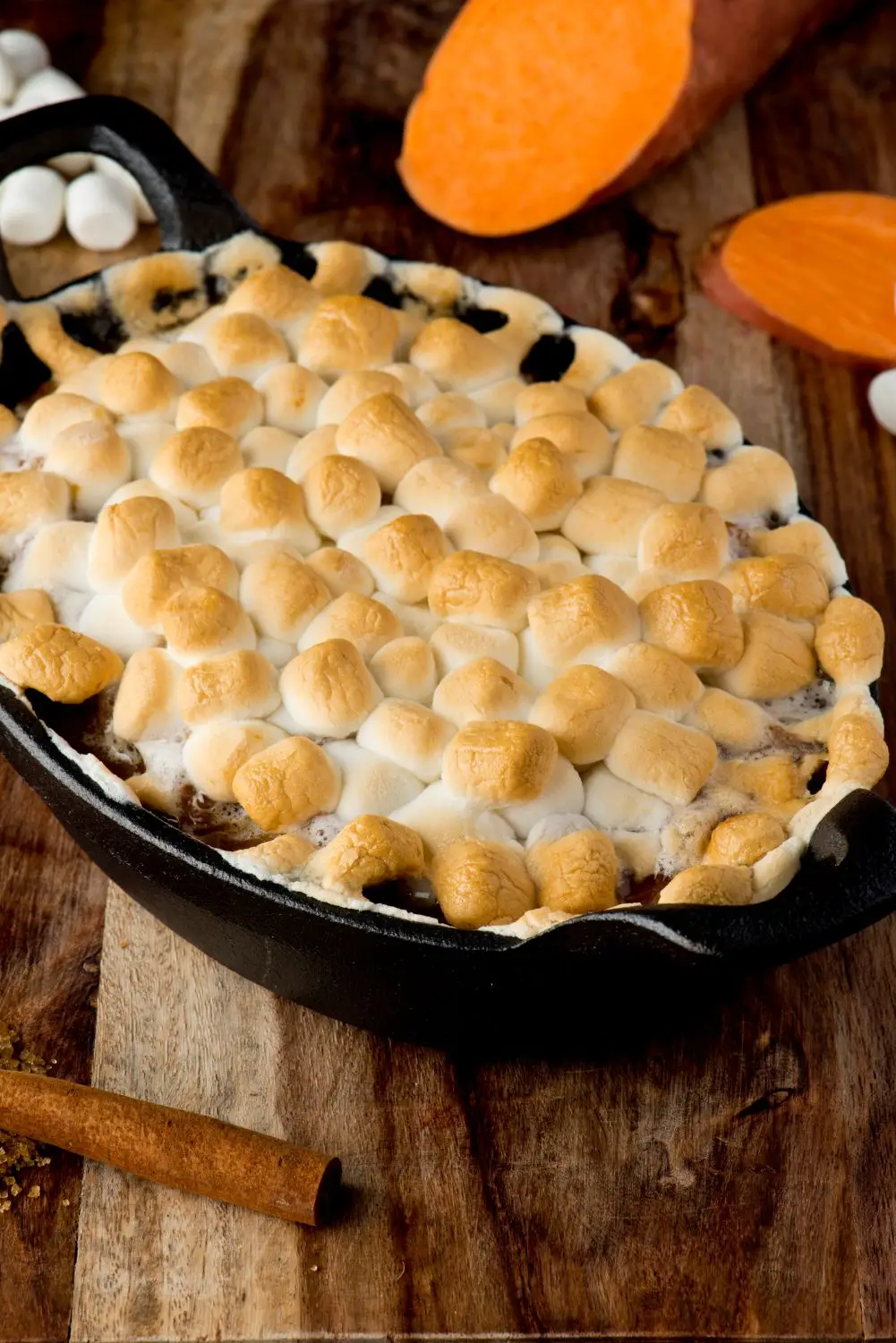
Old fashioned sweet potato casserole with marshmallows is a 1940 holiday side printed in the Waukesha County Freeman on December 18, 1940. Boiled sweet potatoes bake under a pineapple and brown sugar syrup, then finish under the broiler with toasted marshmallows. It's an easy sweet potato casserole recipe that needs six ingredients.
Sweet potato casserole with marshmallows comes together in about 55 minutes when you boil cubed chunks instead of mashing them, which keeps the texture tender and the syrup glossy.
The pineapple juice syrup is the 1940 detail that sets the dish apart from modern versions loaded with spices, and it needs only six ingredients. It also fixes the watery, overly sweet casserole that shows up when mashed sweet potatoes and sugar get stirred together all at once.
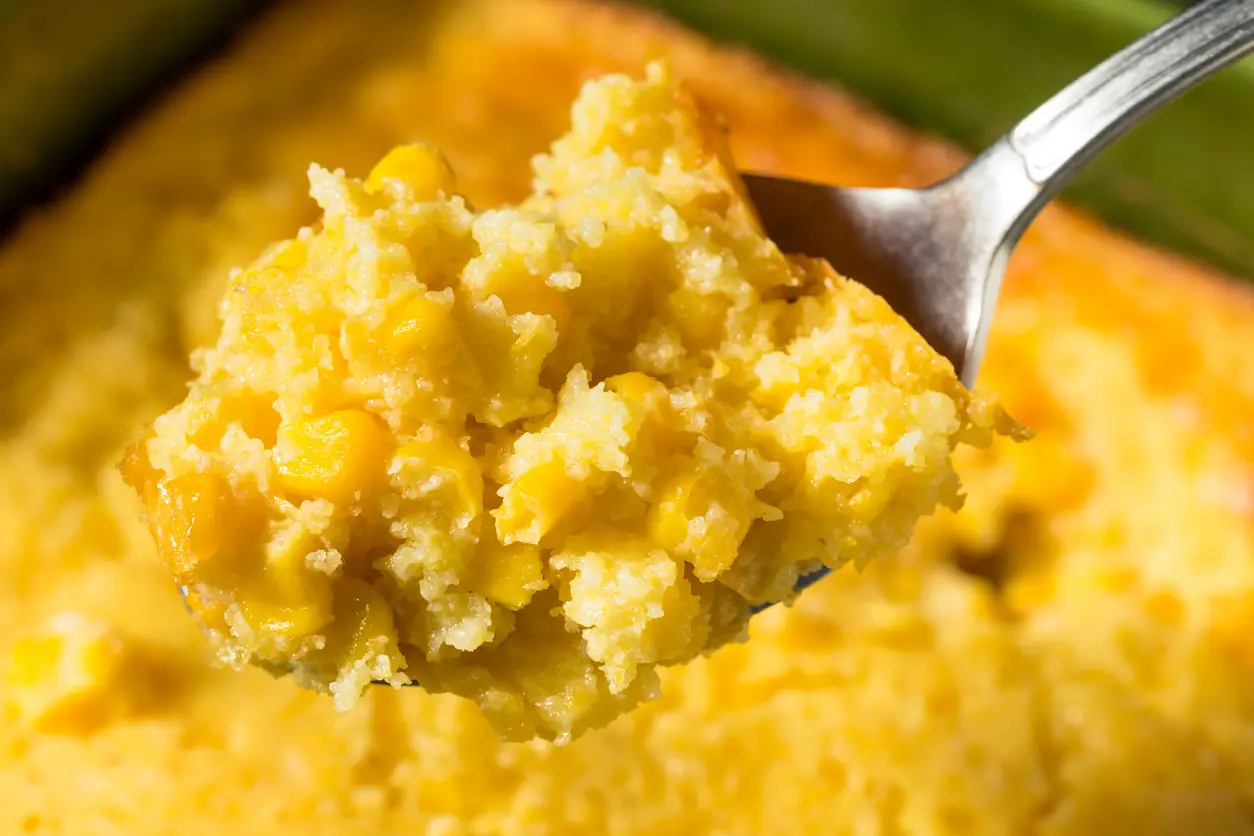
Building the quintessential Thanksgiving menu? Pair the sweet potato casserole with green bean casserole, which you can assemble a day ahead, and corn casserole, which feeds 12.

Old Fashioned Sweet Potato Casserole Recipe
Printed in the Waukesha County Freeman on December 18, 1940, this sweet potato casserole boils the sweet potatoes in cubes, then bakes them under a pineapple and brown sugar syrup at 400°F. A quick trip under the broiler toasts the marshmallows golden brown. The result is tender, glossy sweet potatoes with caramelized edges under a soft, toasty topping.
- Total Time: 55 minutes
- Yield: 6 1x
Ingredients
- 5 large sweet potatoes, peeled and cut into one inch cubes
- 1/2 cup brown sugar
- 1/2 cup pineapple juice
- 2 tablespoons butter
- 1/4 teaspoon salt
- 8 regular-sized marshmallows or 1 cup of mini marshmallows
Instructions
- Preheat oven: Set the oven to 400°
- Boil the potatoes: Bring a pot of water to a rolling boil, then add sweet potatoes and cook until fork tender; about 12-15 minutes
- Fill the dish: Drain tender sweet potatoes and arrange in a prepared casserole dish
- Make the syrup: In a small saucepan, combine ½ cup brown sugar, ½ pineapple juice, 2 tablespoons butter, and ¼ teaspoon salt and bring to a boil.
- Bake with syrup: Pour syrup over sweet potatoes and bake for 25 minutes
- Toast the topping: Remove from oven and arrange marshmallows on top. Toast under the broiler until golden brown
Notes
If you don’t want to peel sweet potatoes, you can use 1 – 29 ounce can of yams.
- Prep Time: 35 minutes
- Cook Time: 20 minutes
- Category: Thanksgiving
- Method: Baked
- Cuisine: American
Pin This Chocolate Cake With Black Cocoa Recipe For Later
Back in 1940, a Sales Booklet Became Tradition
One of the quietest ad campaigns in American kitchens never looked like advertising. Twenty-three years before the Waukesha County Freeman printed the recipe on Wednesday, December 18, 1940, a marshmallow company wrote the first documented version to sell more marshmallows.
Smithsonian magazine reports that Angelus Marshmallows hired Janet McKenzie Hill, founder of the Boston Cooking School Magazine, to develop a 1917 recipe booklet that included mashed sweet potatoes baked under marshmallows. Twenty-three years is apparently all it takes for a sales pitch to become a family heirloom.
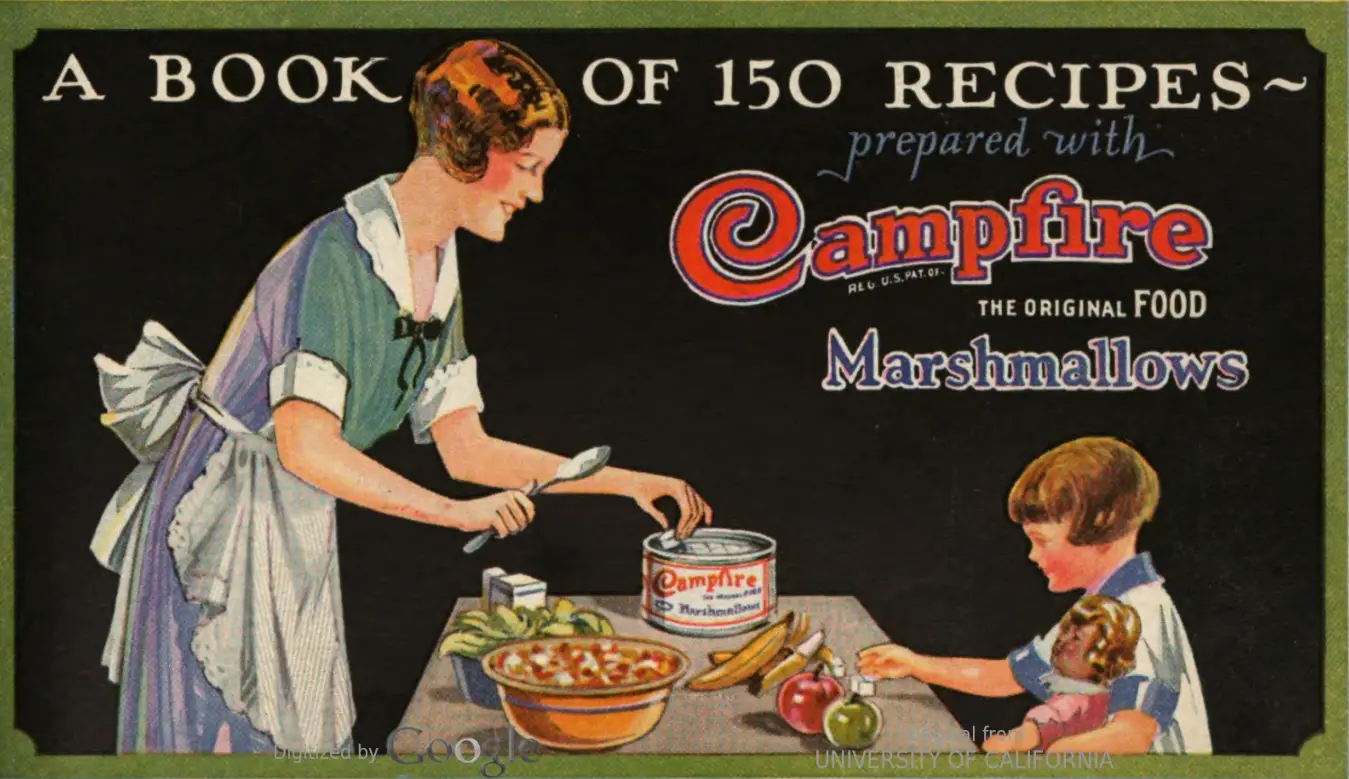
By the 1920s, sweet potatoes and marshmallows were appearing together in cookbooks all over the country, as The News & Observer explains, so a 1940 reader met the pairing as an established habit.
Southern cooks often swapped the marshmallows for nuts, a split that Eric Kim of NYT Cooking covers in his own sweet potato casserole guide. I suspect the split is why the pecan debate still comes up at family tables.
Why This Sweet Potato Casserole Recipe Still Works Today
Boiled, Cubed Sweet Potatoes Keep a Tender Bite
Boiling sweet potatoes as cubes keeps every piece intact instead of collapsing into purée. Heat softens the pectin that holds the cell walls together, and pulling the pot at fork tender stops the process before the structure gives out. Cubes also expose more surface for the syrup to cling to.
Pineapple Juice Balances the Brown Sugar
Pineapple juice keeps brown sugar from tasting flat because its acidity brightens the sweetness. Acid also breaks some of the sucrose into glucose and fructose as the syrup boils, and sugar in that form resists turning grainy. The syrup stays smooth and glossy.
A Boiled Syrup Coats Instead of Pooling
A syrup brought to a rolling boil dissolves the brown sugar completely and cooks off a little water. The thicker syrup clings to the cubes instead of sliding to the bottom of the pan. At 400°F, it also concentrates at the edges, which is where the caramelized spots come from.
Marshmallows Brown Fast Because of Sugar
Marshmallows toast in minutes because they're mostly sugar whipped with air. The sugar browns quickly, and the trapped air insulates the inside, so the surface scorches before the center warms through. They go from golden to charcoal in about the time it takes to answer a text.
How to Make Perfect Sweet Potato Casserole
Drain Sweet Potatoes Thoroughly
Let the cubes sit in a colander for several minutes so surface moisture steams off. Skipping the wait leaves a watery casserole where the syrup slides off instead of coating each piece.
Spread the Cubes in a Single Layer
Arrange the cubes in one even layer in a 9x13-inch broiler-safe ceramic baking dish. Piling them high leaves some pieces undipped, and those pieces never develop caramelized edges.
Boil the Syrup Hard
Bring the syrup to a vigorous boil in a heavy-bottomed 2-quart saucepan instead of just warming it. A full boil dissolves the sugar and thickens the syrup, which is what gives the finished casserole its glossy coat.
Check Your Oven Temperature
Confirm 400°F with an oven thermometer before the dish goes in. Home ovens often run off by 25 degrees, and a cooler oven steams the syrup instead of caramelizing it.
Stay at the Broiler
Set the rack in the center, 6 to 8 inches from the heating element, and watch the marshmallows through the oven window. Two to three minutes is all they need, and the door should stay closed so the heat holds.
Recipe Variations, Serving Ideas, & Storage
Sweet Potato Casserole Recipe Variations
Tools & Ingredients Worth Having For This Recipe
We use Amazon links for tools that we actually use in our kitchen and make sense for the recipes we share. Shop through the links and you help keep these vintage recipes alive, at no extra cost to you. As an Amazon Associate, I earn from qualifying purchases.
Five items make this sweet potato casserole easier to get right, and each one prevents a specific problem in the recipe. The dish, the saucepan, and the colander carry most of the work. The thermometer and the marshmallows protect the two steps that go wrong fastest.
🛒 Broiler-Safe Ceramic or Stoneware 9x13-Inch Baking Dish: The casserole moves from a 400°F oven straight to the broiler, so the dish has to be rated for both. A 9x13 pan holds five four large sweet potatoes in one even layer, which means every piece gets dipped in syrup and develops caramelized edges. Check the manufacturer's label for broiler use before you buy, because not every baking dish carries that rating. Ceramic and stoneware also go from oven to table without a transfer.
🛒 Heavy-Bottomed 2-Quart Saucepan: The syrup is brown sugar and butter, and both scorch quickly in a thin pan with hot spots. A heavy bottom spreads the heat, so the syrup reaches a full rolling boil without catching on one side. The 2-quart size gives the boil room to rise without spilling over. A light-colored interior also lets you see the syrup turn glossy and thicken.
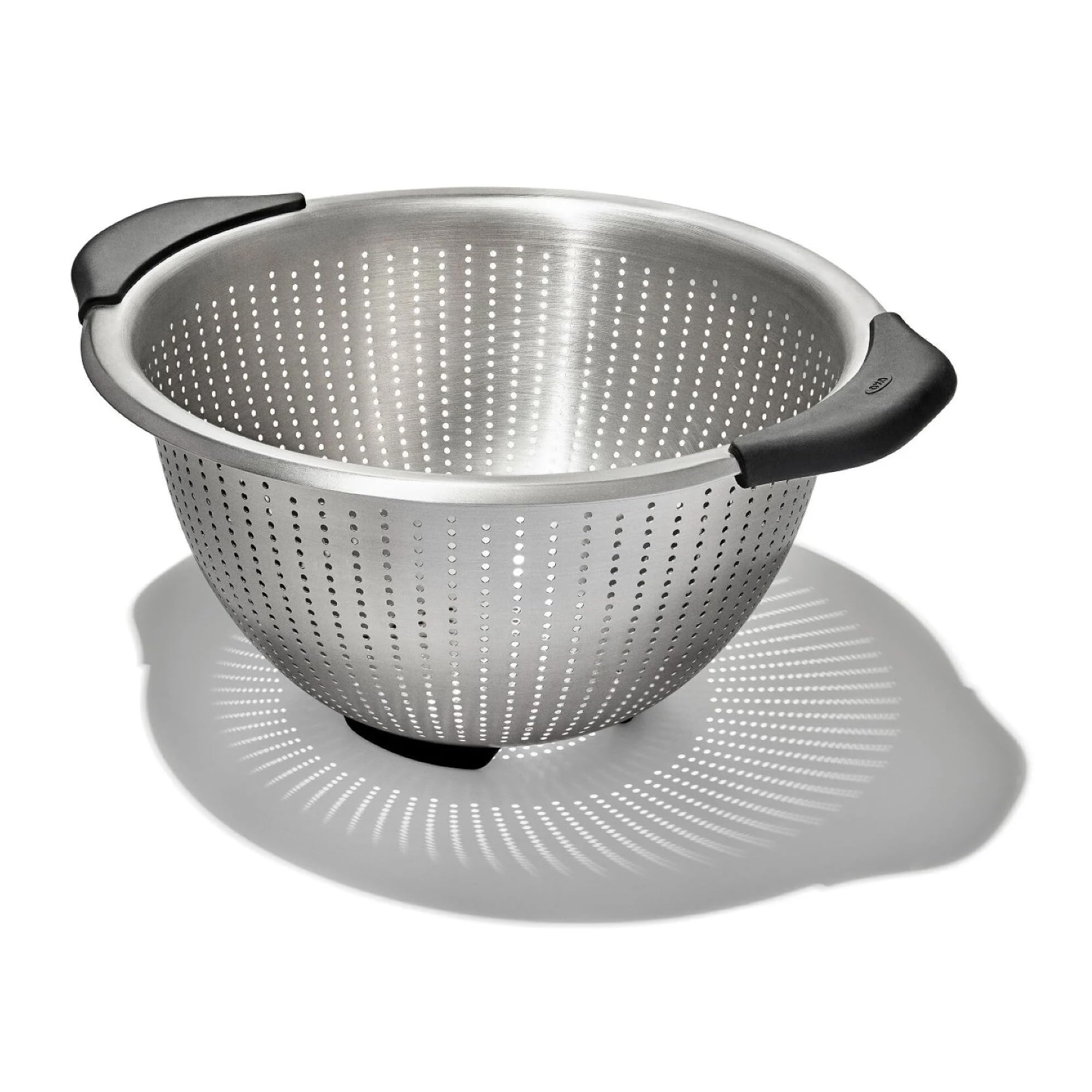
🛒 Stainless Steel Colander: Draining is the step that decides whether the casserole turns out watery. A wide colander with a stable base and large holes lets the one-inch pieces shed surface moisture in a single layer instead of piling up in the middle. Dry sweet potatoes hold the syrup instead of diluting it. Look for sturdy handles, since you'll be lifting it out of a steaming pot.
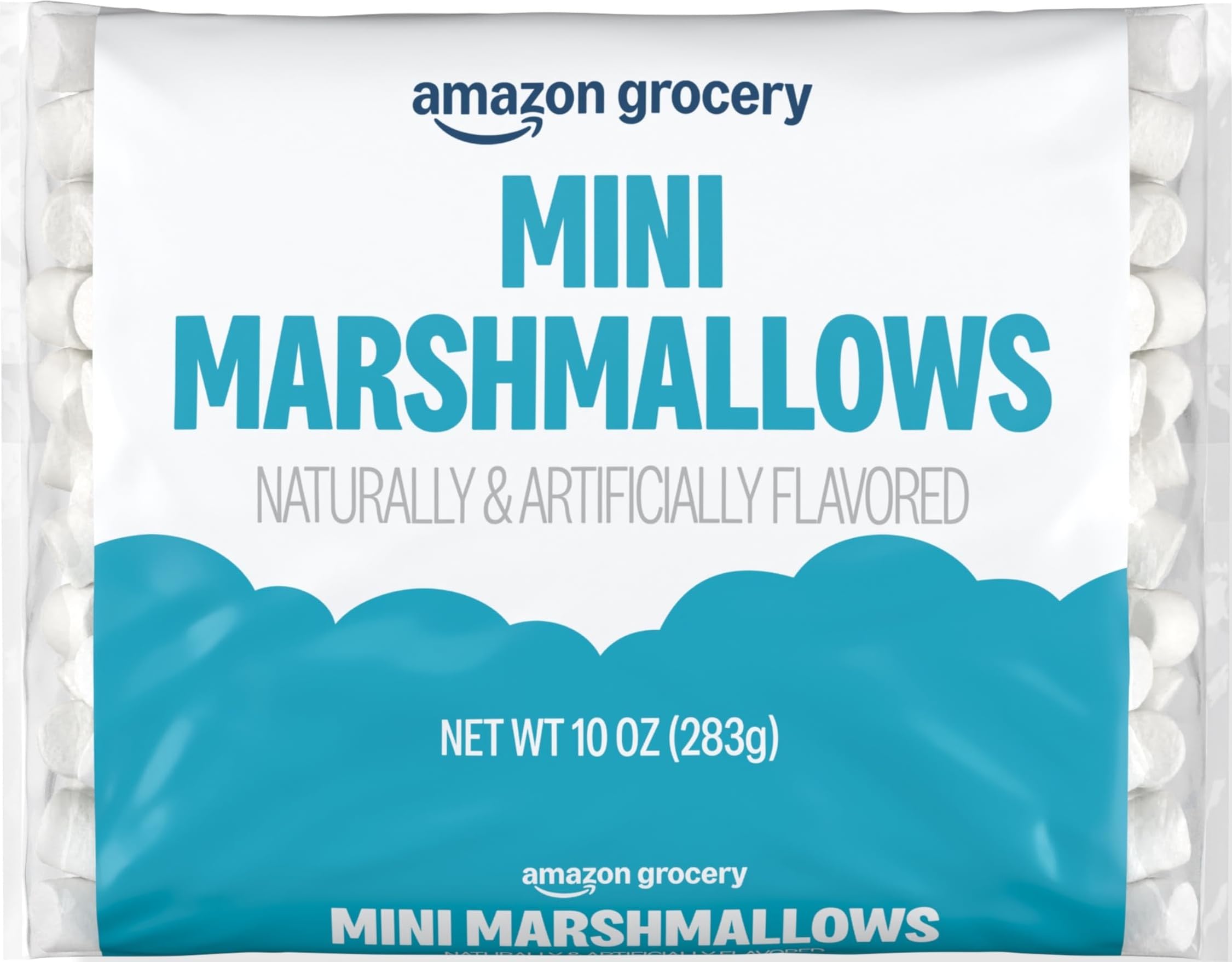
🛒 Mini Marshmallows: The original recipe calls for 8 regular-sized marshmallows, and mini marshmallows cover more of the surface. They melt into a connected topping, so fewer patches of bare sweet potato show through. Pick a fresh, soft bag. Marshmallows are the most expensive thing in the recipe to ruin, and they ruin quickly under the broiler.
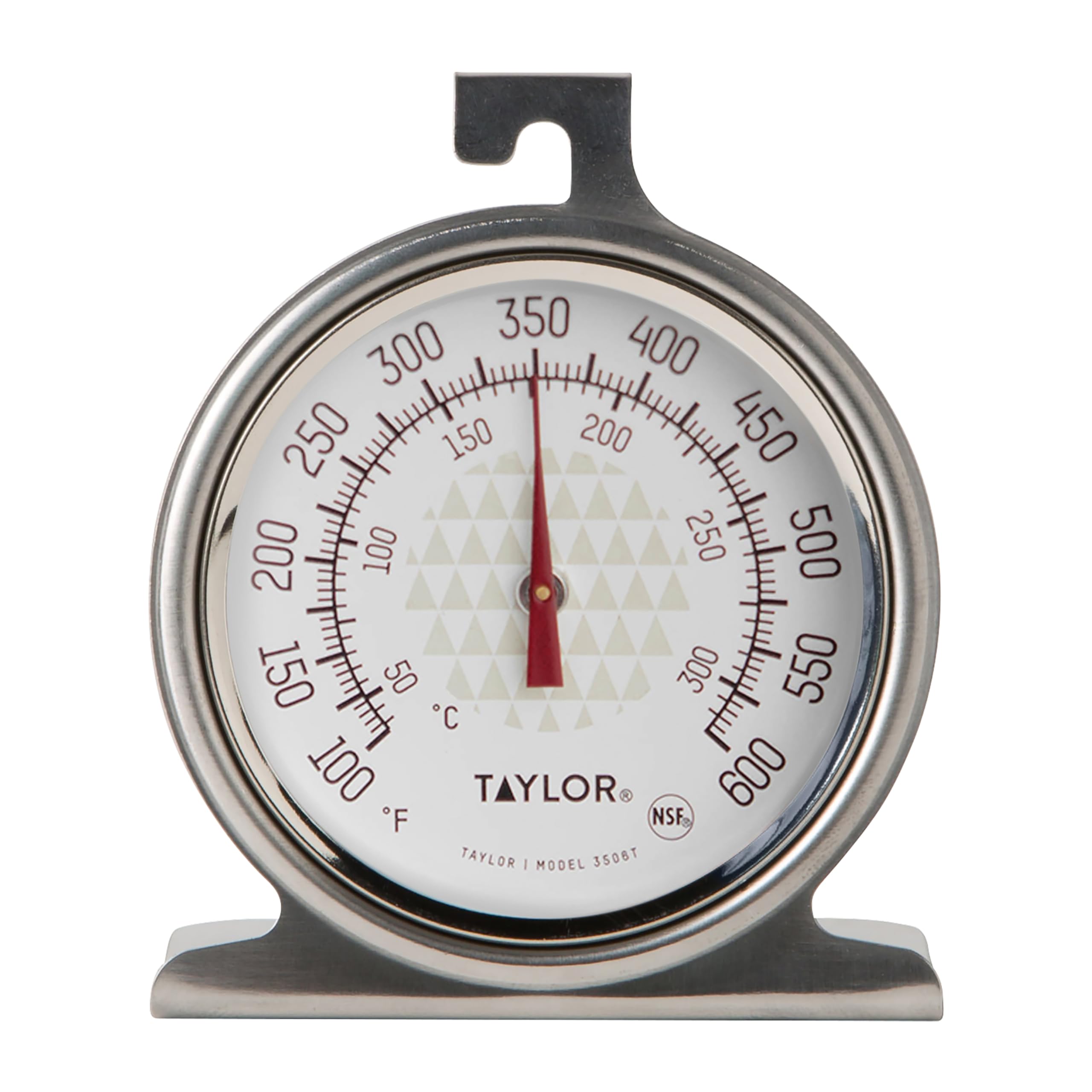
🛒 Oven Thermometer: The syrup caramelizes at 400°F, and a thermometer is the only way to confirm that number. RepairClinic recommends checking an oven against a thermometer, and it notes that an oven within 30°F of its setting can usually be recalibrated. Hang one from the center rack and read it through the window. If your oven runs cool, the syrup steams. If it runs hot, the marshmallows scorch.


Last update on 2026-11-19 at 10:26 / Affiliate links / Images from Amazon Creators API
Frequently Asked Questions
Draining the boiled sweet potatoes in a colander for several minutes keeps the casserole from turning watery. Wet cubes dilute the syrup, and it pools at the bottom of the dish. Give them the full wait before they go into the baking dish.
Sweet potato casserole uses pineapple juice because the tang cuts through the brown sugar and butter. The acid also keeps the syrup smooth and glossy. It's the detail the 1940 original relied on, so the dish tastes noticeably different without it.
Marshmallows burn under the broiler because they're mostly sugar. Keep the rack in the center, 6 to 8 inches from the element, and broil only 2 to 3 minutes. Stand at the oven; it's the only reliable timer.
Fresh sweet potatoes give the casserole a firmer bite and a less syrupy result. One 29-ounce can of yams works when you'd rather skip peeling. The canned version comes out softer, which some cooks prefer.
Sweet potato cubes that stay firm past 15 minutes usually need a few more minutes in the boiling water. Check every 2 minutes with a fork. Larger cubes take longer, so cutting them evenly helps.
One batch of the casserole serves 6 people. For a smaller table, halve the recipe and bake it in an 8x8-inch dish.
The Thanksgiving Sweet Potato Casserole You Remember
A candy company's sales pitch became a newspaper holiday staple, and it has outlasted most advertising campaigns.
Put the casserole on this year's Thanksgiving menu and see how fast a 9x13 pan empties.
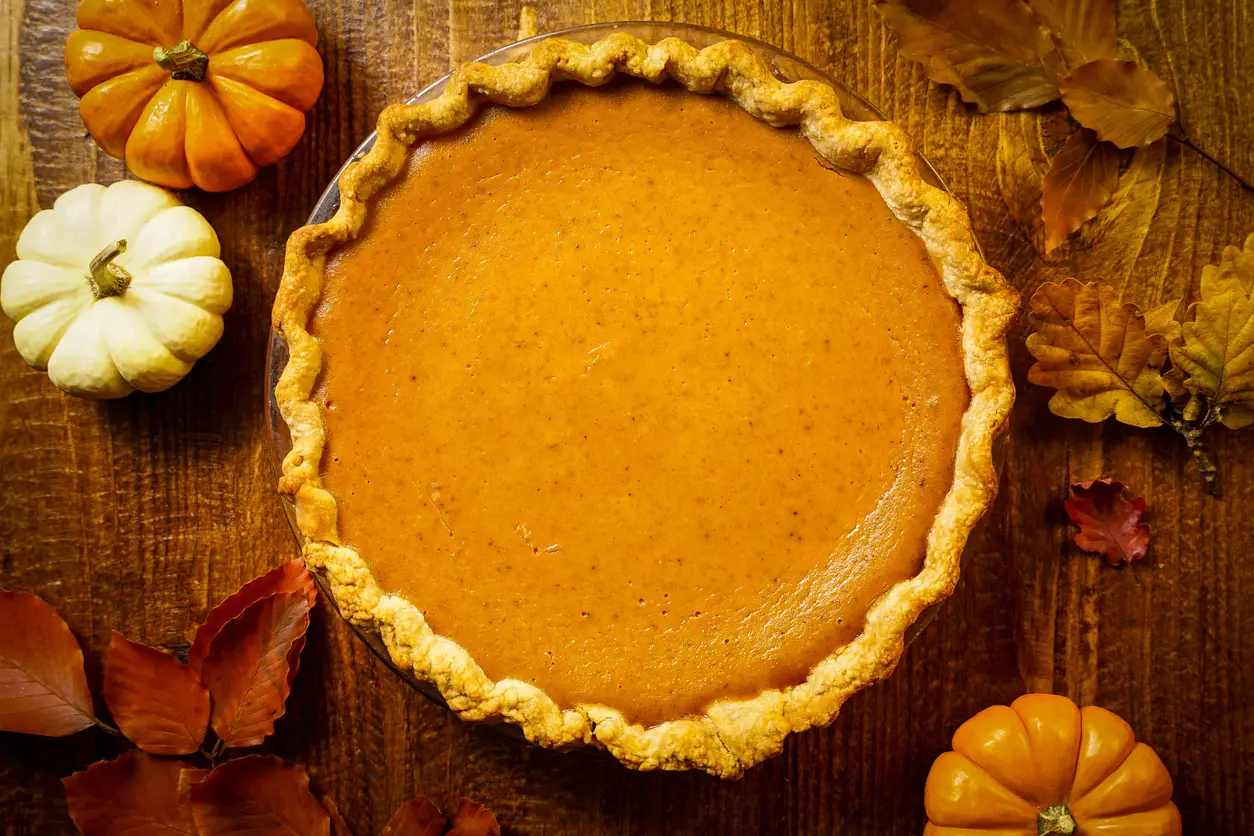
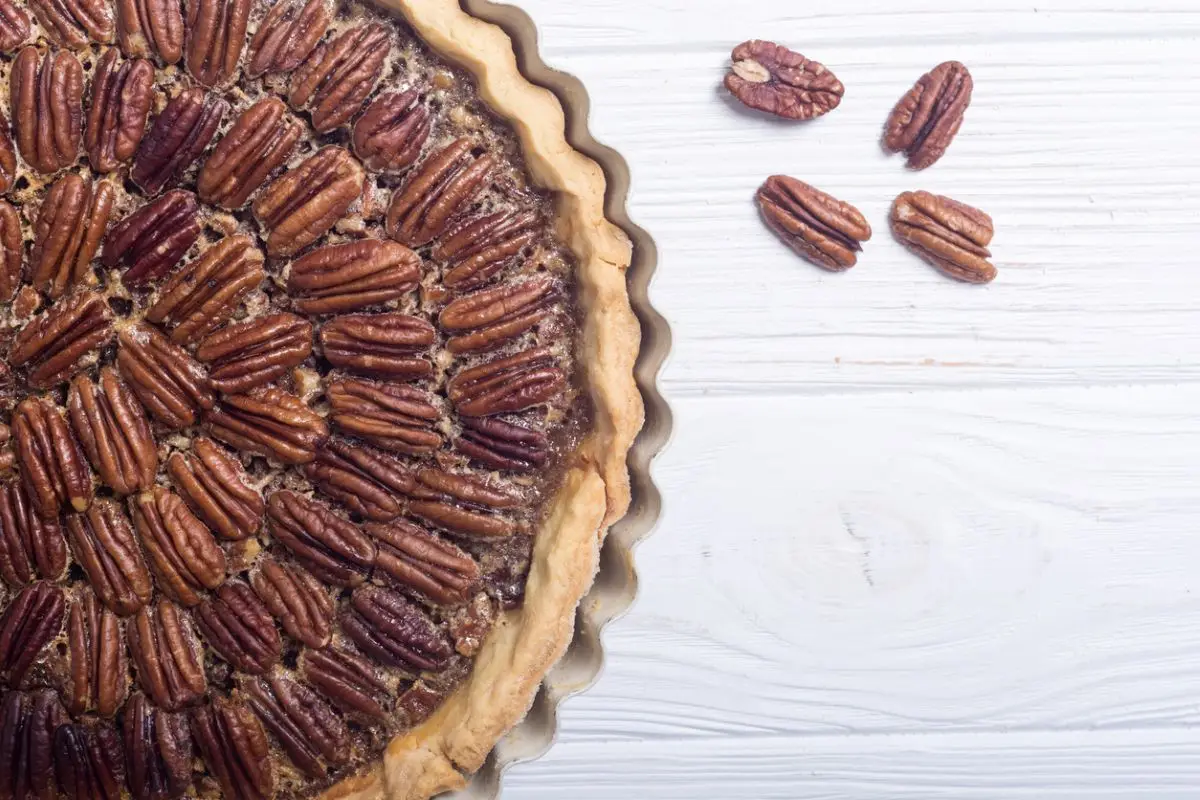
Ready for dessert? Start with Libby's Pilgrim Pie, the 1951 pumpkin pie that cooks the pumpkin on the stove first, then finish with the prize winning pecan pie, a 1931 Depression-era recipe from The Chattanooga News.
Leave a star rating and tell me in the comments whether your family's sweet potato casserole was dressed with marshmallows or pecans.
