

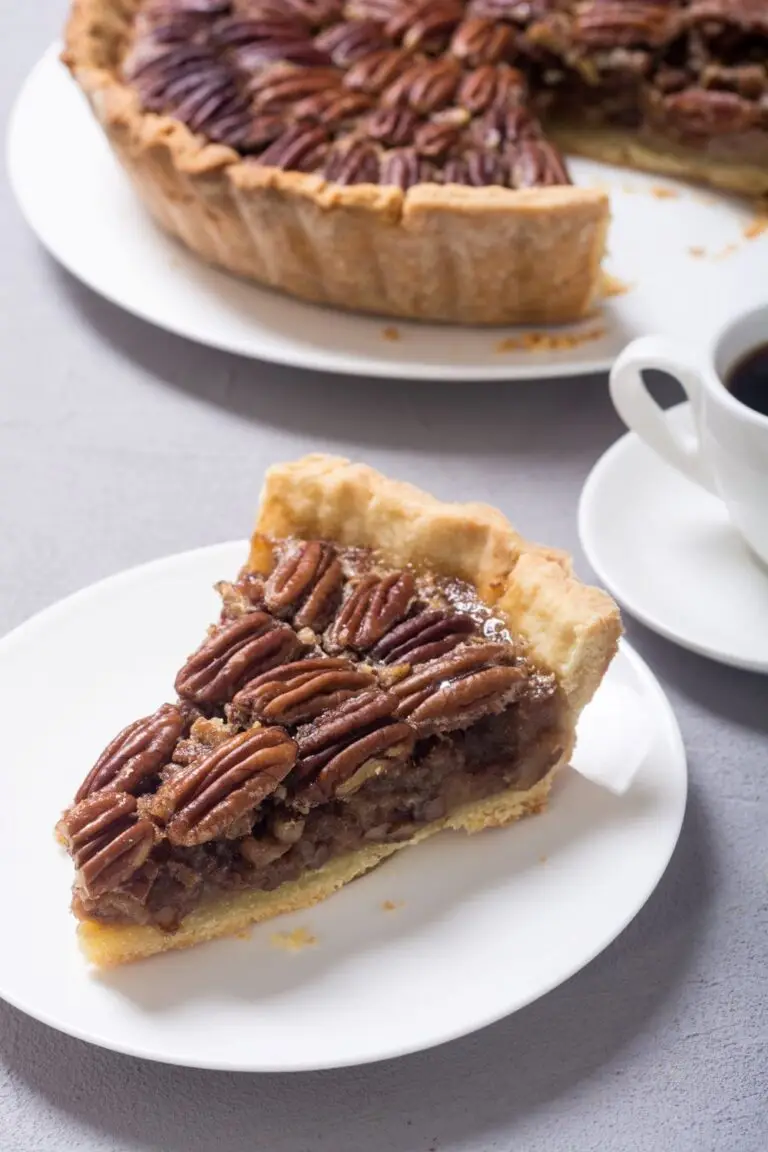
Mrs. Chester Richmond submitted her pecan pie recipe to The Chattanooga News in 1931, and it won a prize in the depths of the Great Depression. Karo corn syrup forms the base, while a flour paste and folded egg whites give the Depression-era pecan pie a lighter, less sweet filling than the standard Karo version.
The prize-winning pie of 1931 came with an oven instruction of "slow," and no number to go with it. Mrs. Richmond's pecan pie recipe bakes a lighter, less sweet filling that cuts into clean slices, thanks to a flour paste and egg whites folded in at the end.
Lemon juice, nutmeg, and cinnamon replace the vanilla of the standard Karo Prize Pie, so the sweetness has some company.
Anyone tired of pecan pie that tastes like straight sugar will find the filling a relief. Hands-on and oven time total about an hour, plus a cool-down.
I've baked the filling with and without the folded whites, so you'll know exactly what the whites buy you. It's one of the best-documented stops in our vintage 1920s and 1930s recipes collection.
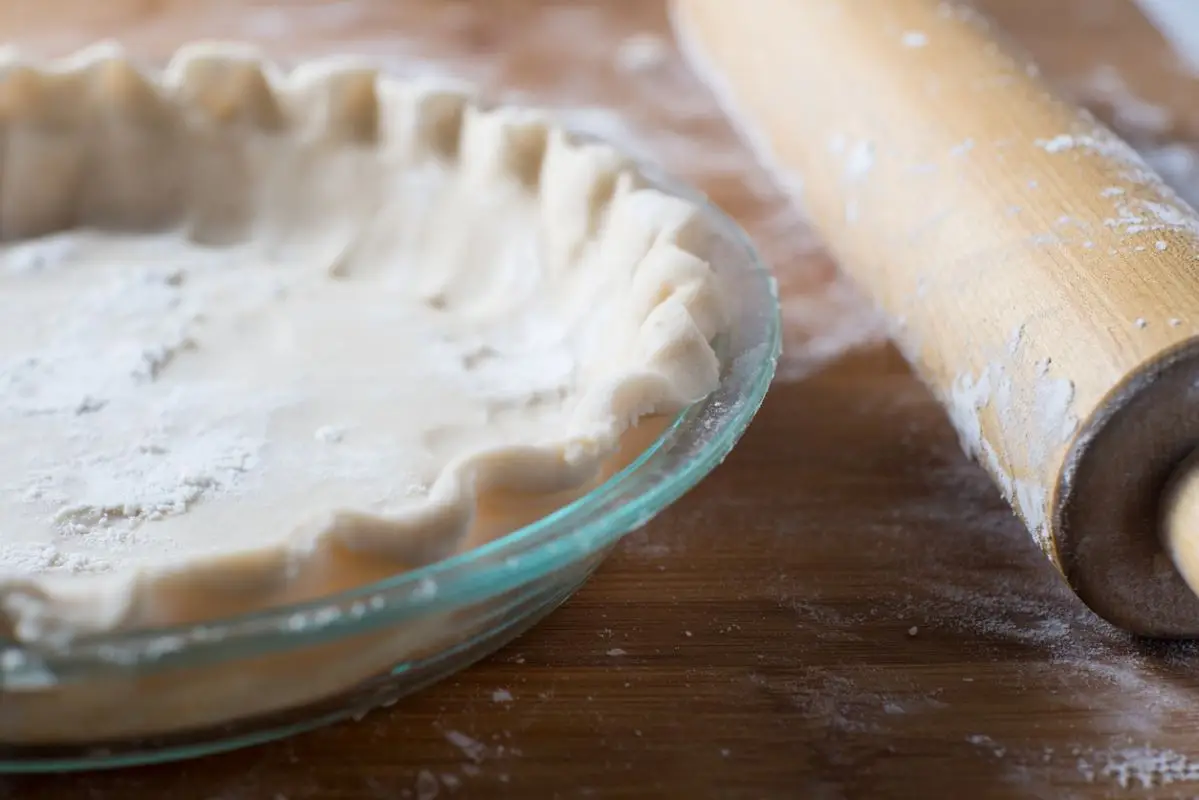
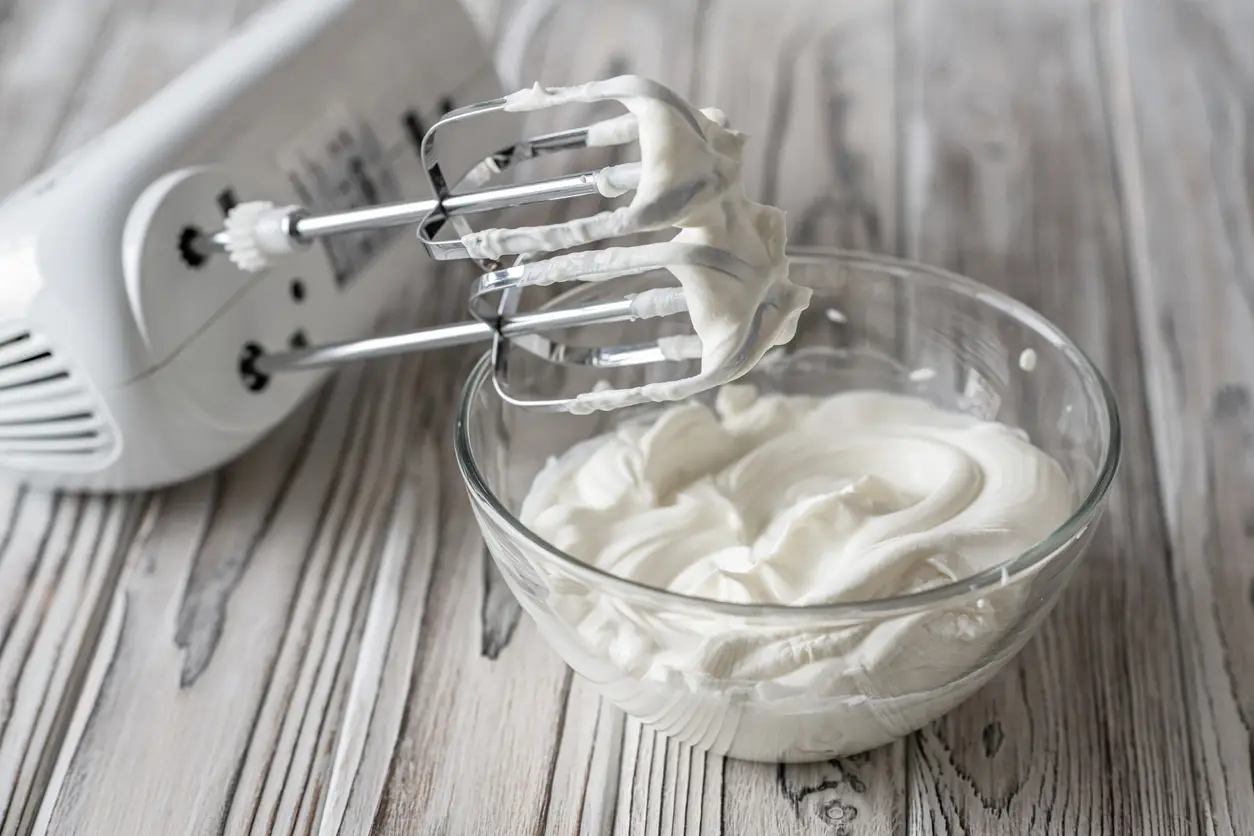
Mrs. Richmond's pie needs two partners to be complete: a flaky shell and whipped topping. The easy homemade pie crust recipe makes two 9-inch crusts from four really simple ingredients, so one disk fills this pie and the other is for your pumpkin pie. The 3-minute homemade whipped cream takes cold heavy cream, a chilled bowl, and a hand mixer.
Prize Winning Pecan Pie Recipe
Mrs. Chester Richmond’s prize-winning pecan pie recipe from 1931 thickens Karo corn syrup with a flour paste and folds in beaten egg whites, a pairing the standard Karo Prize Pie skipped. Lemon juice, nutmeg, and cinnamon give the soft, sliceable filling a warm, balanced sweetness.
- Total Time: 60 minutes
- Yield: 8 slices 1x
Ingredients
For the Filling:
- 2 cups Karo corn syrup (light or dark, though light was more common in 1931)
- Juice of 1 lemon (about 2-3 tablespoons)
- 2 tablespoons flour mixed with a little cold water (to make a smooth paste)
- 2 tablespoons melted butter
- 1-1/2 teaspoons nutmeg
- 1-1/2 teaspoons cinnamon
- 3 egg yolks (reserve whites)
- 1-1/2 cups granulated sugar
- 3 egg whites, beaten stiff with a little salt
- 1 cup pecans (for sprinkling on top)
For the Crust:
- 1 unbaked 9-inch pie shell
Instructions
- Prepare the pastry shell: Line a 9-inch pie pan with your pastry crust and refrigerate while you make the filling.
- Prepare the flour paste: Mix 2 tablespoons flour with 2-3 tablespoons cold water until you have a smooth, lump-free paste. Set aside.
- Combine the base ingredients: In a large mixing bowl, add 2 cups of Karo corn syrup and the lemon juice.
- Add the flour paste and butter: Stir in the flour-water paste until well combined. Add the 2 tablespoons of melted butter and mix until thoroughly combined.
- Add spices: Mix in the nutmeg and cinnamon, stirring until evenly distributed.
- Beat the egg yolks with sugar: In a separate bowl, whisk the 3 egg yolks with 1.5 cups granulated sugar until the mixture is thick and pale yellow in color.
- Combine egg mixture with syrup base: Add the egg yolk-sugar mixture to the Karo syrup mixture and stir well.
- Beat the egg whites: In a clean, dry bowl, beat the 3 egg whites with a pinch of salt until stiff peaks form. They should stand straight up when you lift the beaters.
- Fold in egg whites: Gently fold the beaten egg whites into the filling mixture until just combined. Don’t overmix—you want to keep the air in the whites.
- Fill the pie shell: Pour the filling into your unbaked pastry shell.
- Add pecans: Sprinkle or arrange the 1 cup of pecans evenly over the top of the filling.
- Bake: Place in a slow oven (325°F) and bake for 35-45 minutes, or until the filling is set around the edges but still has a slight jiggle in the center.
- Cool completely: Remove from oven and let cool at room temperature for at least 3 hours before slicing. The filling will continue to set as it cools.
Notes
- Karo Syrup Choice: Light Karo syrup was more common in 1931 recipes and creates a lighter-colored filling. Dark Karo adds a deeper molasses flavor and was also popular during the Depression era.
- Toasting Pecans: For deeper flavor, toast the pecans at 350°F for 5-6 minutes before sprinkling on top.
- Testing Doneness: The pie is ready when the edges are set and puffed slightly, but the center still jiggles gently when you shake the pan.
Nutrition
- Serving Size: 1 slice
- Calories: 471
- Sugar: 52.4g
- Fat: 13g
- Saturated Fat: 3.3g
- Carbohydrates: 85g
- Fiber: 1.6g
- Protein: 3.8g
Pin This Prize-Winning Pecan Pie Recipe For Later

The 1931 Kitchen Behind a Prize-Winning Pecan Pie

The Chattanooga News Chattanooga, TN 10 Apr 1931
By the time Mrs. Richmond submitted her pie to The News, the Great Depression had settled into every household budget. Amos 'n' Andy crackled from the living-room radio, and women in church basements traded recipes the way other people traded survival tips, often in the same breath.
Her pie carried a small historical joke. Karo corn syrup had been in kitchens since 1902, according to Karo's own company history, and Slate's history of pecan pie reports company lore crediting a corporate executive's wife with the Karo pecan pie in the 1930s. Yet Mashed's look at Karo's pecan pie origins notes a Karo pecan pie had already appeared in the 1925 cookbook 800 Proved Pecan Recipes. I suspect the official origin story simply arrived after the pie did.
Mrs. Richmond's version sits right at the handoff: a Karo base, with flour for thickening and beaten whites for lift, two touches the standard Karo pie skipped. A cash prize for a recipe was real money to a household counting every nickel.
Why This 1931 Pecan Pie Recipe Still Works Today
A Cold Flour Paste Thickens the Filling
Flour thickens a pecan pie filling because its starch granules swell and gel as the custard heats. Mixing the flour with cold water first spreads the granules apart, so they disperse instead of clumping. Dry flour dumped straight into syrup makes lumps that no amount of whisking will negotiate with.
Folded Egg Whites Give the Filling Lift
Beaten egg whites trap air in a protein foam, and the oven's heat expands the air while the proteins set around it. The result is a lighter, almost soufflé-like filling instead of a dense, gluey one. Stirring the whites in aggressively collapses the foam, so fold gently.
Lemon Juice Balances the Sweetness
Lemon juice adds acid that offsets 2 cups of corn syrup and 1½ cups of granulated sugar, so the sweetness tastes rich instead of flat. Acid also makes the other flavors register more clearly. Two to three tablespoons is enough.
Nutmeg and Cinnamon Stand In for Vanilla
The standard Karo Prize Pie flavored its filling with vanilla. Mrs. Richmond used 1½ teaspoons each of nutmeg and cinnamon instead, which gives the filling a warm, bakery-spice depth and lets the pecans keep the spotlight.
Technique Tips for the 1931 Pecan Pie Recipe
Stir the Flour Into Cold Water First
Make the paste before touching any syrup. Lumps formed in sticky filling won't dissolve, and I learned as much the hard way.
Beat the Whites in a Clean, Dry Bowl
Any trace of fat keeps whites from reaching stiff peaks, and under-beaten whites give a dense filling. A hand mixer saves your arm, which will otherwise file a complaint. Stop when the peaks stand straight up.
Toast the Pecans Before They Go On Top
Toast pecan halves on a baking sheet at 350°F for 5 to 6 minutes before scattering them over the filling. Heat deepens their flavor. Check at 4 minutes, since burnt nuts ruin a pie.
Toast the Pecans Before They Go On Top
Toast pecan halves on a baking sheet at 350°F for 5 to 6 minutes before scattering them over the filling. Heat deepens their flavor. Check at 4 minutes, since burnt nuts ruin a pie.
Bake Low and Check the Center Early
The original called for a slow oven, which translates to 325°F. Check at 35 minutes and add time in 5-minute steps. A digital instant-read thermometer removes the guesswork, and Natchitoches Pecans recommends about 200°F in the center for pecan pie. Overbaking makes egg proteins bind too tightly and turns the filling grainy.
Shield the Crust Edges Before They Darken
Slip the pie shield onto the cool crust before the pie goes in the oven, then remove it when about 15 minutes of bake time remain, as King Arthur Baking recommends. Your edges brown early, and the shield buys the filling time to set. The tip should link the shield once, in the first sentence.
Cool on a Wire Rack, Then Chill
Set the pie on a wire cooling rack so air reaches the bottom crust. The filling finishes setting as it cools, and a warm slice runs. Refrigerating the pie uncovered once it's cool speeds up the set.
Recipe Variations, Serving Ideas, & Storage
Pecan Pie Recipe Variations
Tools & Ingredients Worth Having For This Recipe
We use Amazon links for tools that we actually use in our kitchen and make sense for the recipes we share. Shop through the links and you help keep these vintage recipes alive, at no extra cost to you. As an Amazon Associate, I earn from qualifying purchases.
Five tools earn counter space in Mrs. Richmond's pie, and each one solves a specific problem in the recipe. Skip anything you already own.
🛒 Hand Mixer: A hand mixer does the one job in the recipe that punishes a tired wrist: beating 3 whites with a pinch of salt to stiff peaks. Whites that stop short of stiff can't hold the air that lightens the filling. A mixer gets them there in a few minutes, with peaks standing straight up when you lift the beaters.
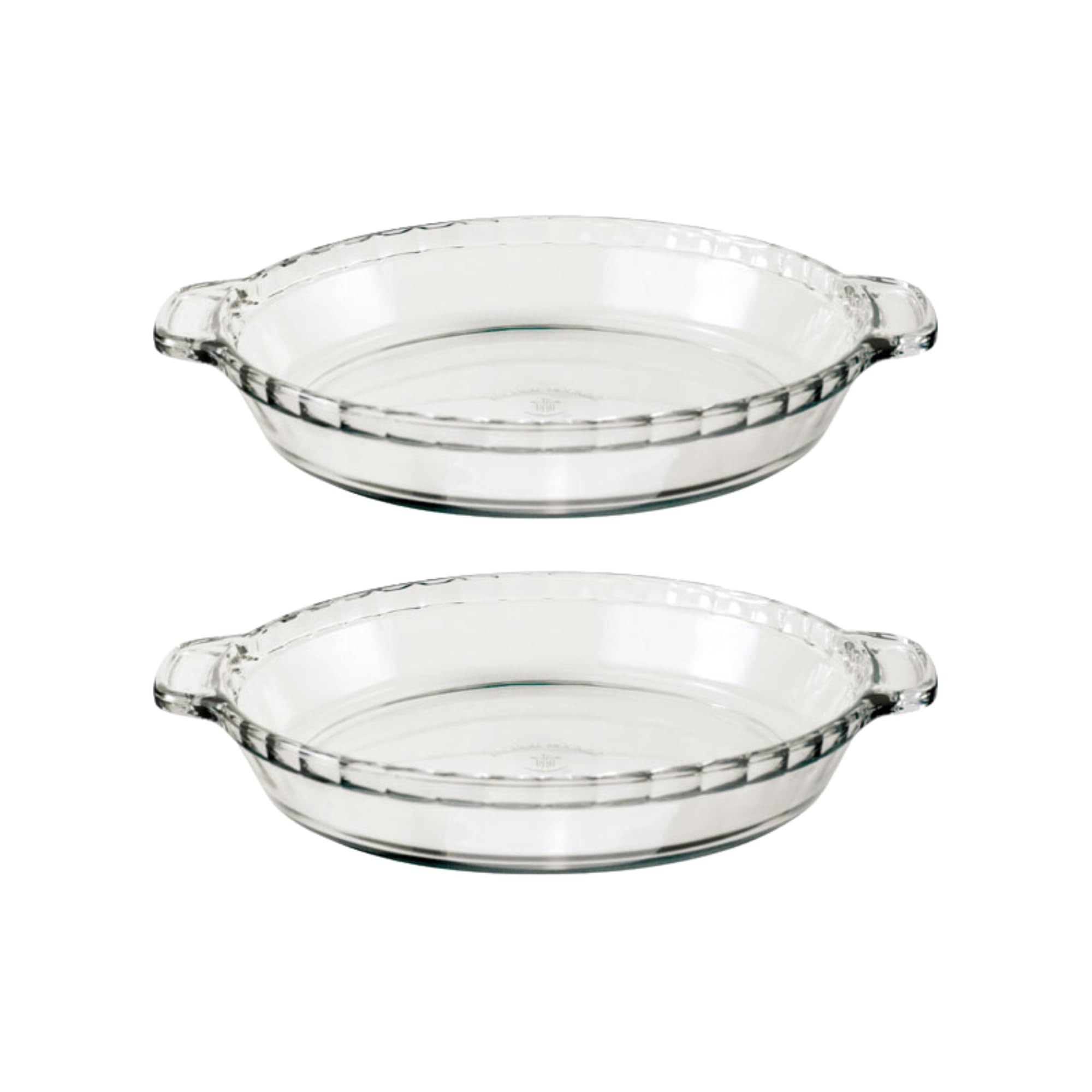
🛒 Glass Pie Plate: A 9-inch glass pie plate lets you check the bottom crust without lifting the pie, which matters when a wet-looking custard filling sits on top. Serious Eats tested the same crust in metal, glass, and ceramic and found metal browns most evenly, with glass offering the visibility advantage. Check the inside diameter, since many "9-inch" plates run 9.5 inches and change how thick the filling sits.
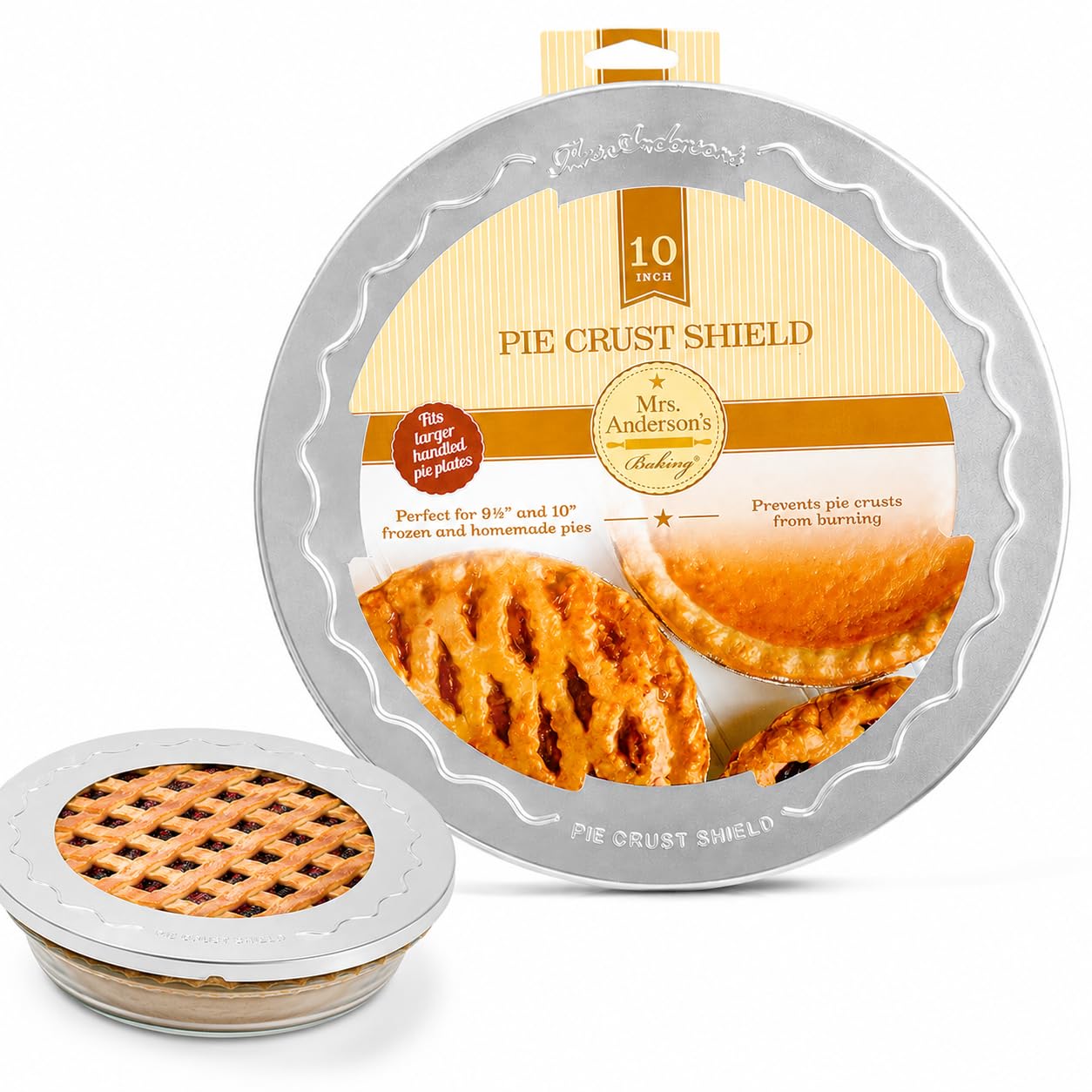
🛒 Pie Shield: A pie shield solves the problem you already know: edges that brown before the filling sets. King Arthur Baking recommends putting the shield on the cool, unbaked pie first, then removing it when about 15 minutes of bake time remain, so the crust still colors. Placing a shield onto a hot, half-baked crust is awkward and risks burned fingers. King Arthur also advises against foil strips, since they're hard to fit around a pie plate and tend to fall off during baking.
🛒 Instant-Read Thermometer: An instant-read thermometer gives you a number when "slight jiggle" feels like a guess. Natchitoches Pecans says a pecan pie is done when the center reads 200°F. Folded egg whites change how the filling moves, so a reading is more reliable than watching the surface. Pull the pie before it climbs much higher, since overbaked egg filling turns grainy.
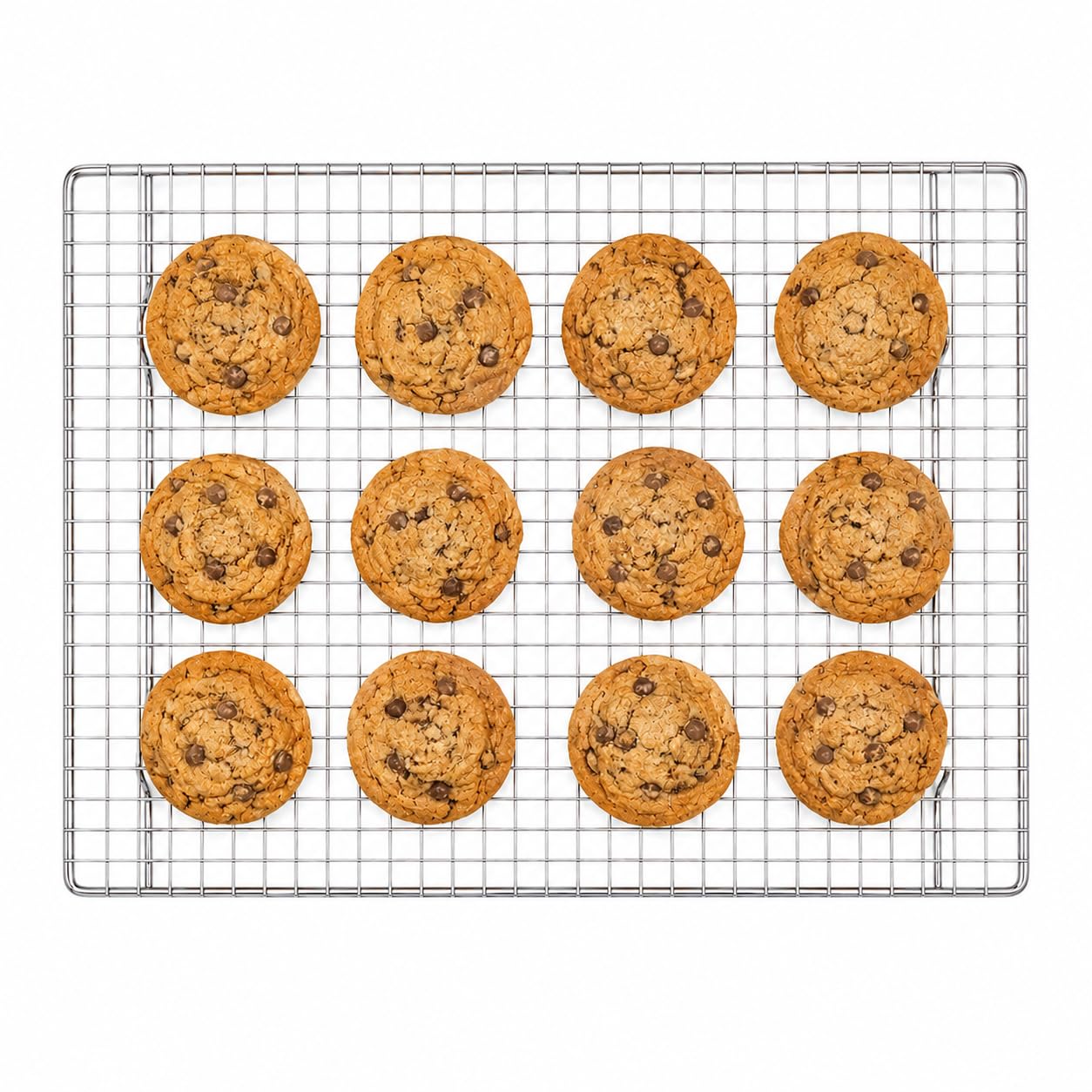
🛒 Wire Rack: A wire cooling rack lets air circulate under the plate, which helps the pie cool within the 2-hour room-temperature limit before it goes in the refrigerator. The USDA says homemade egg-rich pies like pecan must be refrigerated after cooking and cooling. A flat counter traps heat under a glass plate and slows the process.



Last update on 2026-11-15 at 05:02 / Affiliate links / Images from Amazon Creators API
Frequently Asked Questions
Mrs. Richmond's pecan pie filling won't set if the flour paste has lumps or the whites weren't beaten to stiff peaks. A pie that's still soupy after a full night in the fridge never set in the oven.
Either works in Mrs. Richmond's pie. Light Karo gives a paler, more delicate filling and was more common in 1931, while dark Karo adds a deeper, molasses-like flavor.
Mrs. Richmond's pie didn't call for blind baking, and the flour in the filling helps prevent a soggy bottom. For extra insurance, blind bake with pie weights for 10 minutes at 350°F, then fill.
A pecan pie is done when the edges are set and the center of the pie jiggles gently as one piece. A thermometer in the center should read about 200°F, and the filling keeps setting as it cools.
Mrs. Richmond's pecan pie turns grainy when it's overbaked or the oven runs hot, because egg proteins bind too tightly. Bake at 325°F and pull the pie at the first gentle jiggle.
Mrs. Richmond's version adds flour for thickening, folded whites for lightness, warm spices, and lemon juice. The standard Karo Prize Pie was simpler, with Karo, sugar, eggs, vanilla, and pecans.
Mrs. Richmond's Prize Pecan Pie Deserves Another Slice
The prize-winning pie of 1931 came with an oven called slow; you get 325°F and a timer. Put the pie on Thanksgiving's dessert table and watch how fast the pecans disappear.
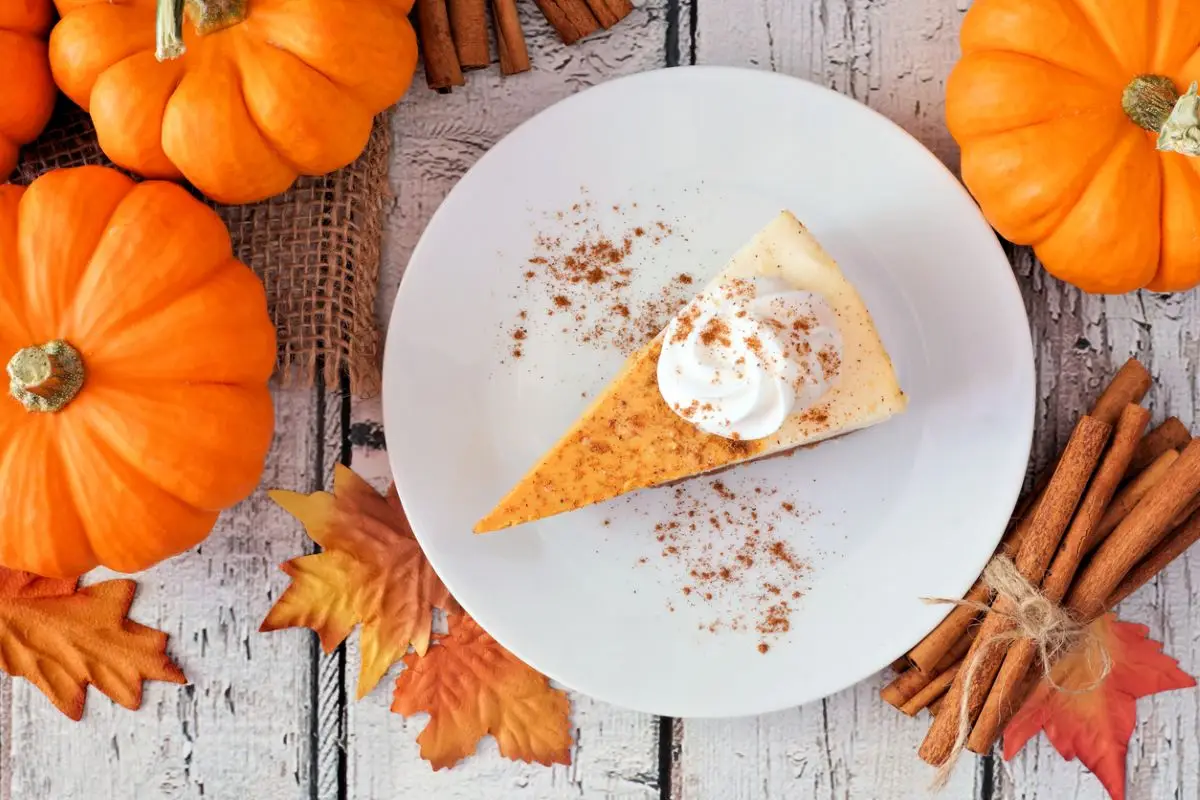
If you're looking to round out your Thanksgiving sweets, try the pumpkin cheesecake or the warm-spiced sweet potato bread.

Leave a star rating and tell me in the comments: have you ever won a recipe contest, a bake-off, or even a bake sale bragging contest?
