

How to make a graham cracker crust comes down to four ingredients and one 10-minute bake. Pulse graham cracker crumbs with two sugars and melted butter until they hold like wet sand, press them into a 9-inch pie plate, and bake at 350°F for an easy graham cracker crust that holds its shape.
Learning how to make a graham cracker crust is super easy! All it takes is four ingredients, a 10-minute bake at 350°F, and two kinds of sugar help the crumbs set into a crisp shell. A food processor does the crushing and the mixing in one bowl, so every crumb is evenly coated and ready to press.
Chiffon, cream, and cheesecake fillings all need a base that slices cleanly and holds its shape, and the notes on grind, butter, and cooling below cover exactly how to achieve that.
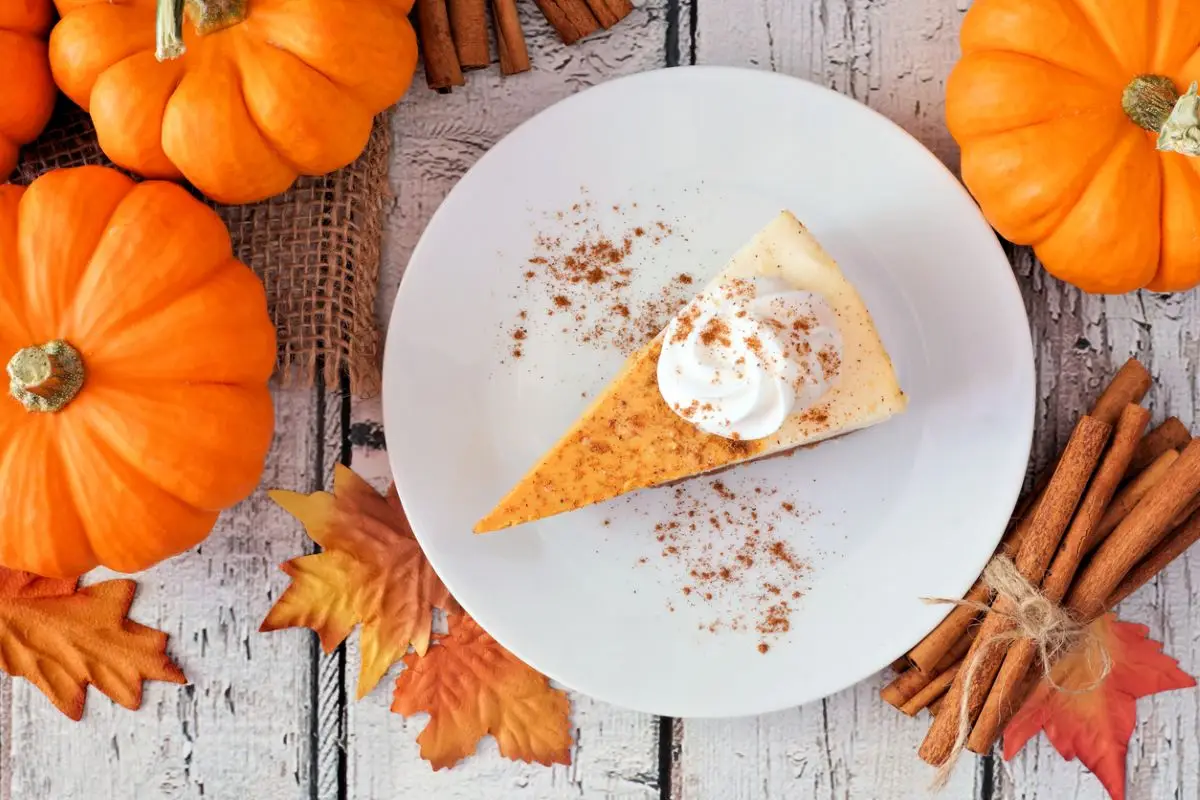
Wondering what to use a graham cracker crust for? Start with our pumpkin cheesecake with a graham cracker crust, finished with a sour cream topping.
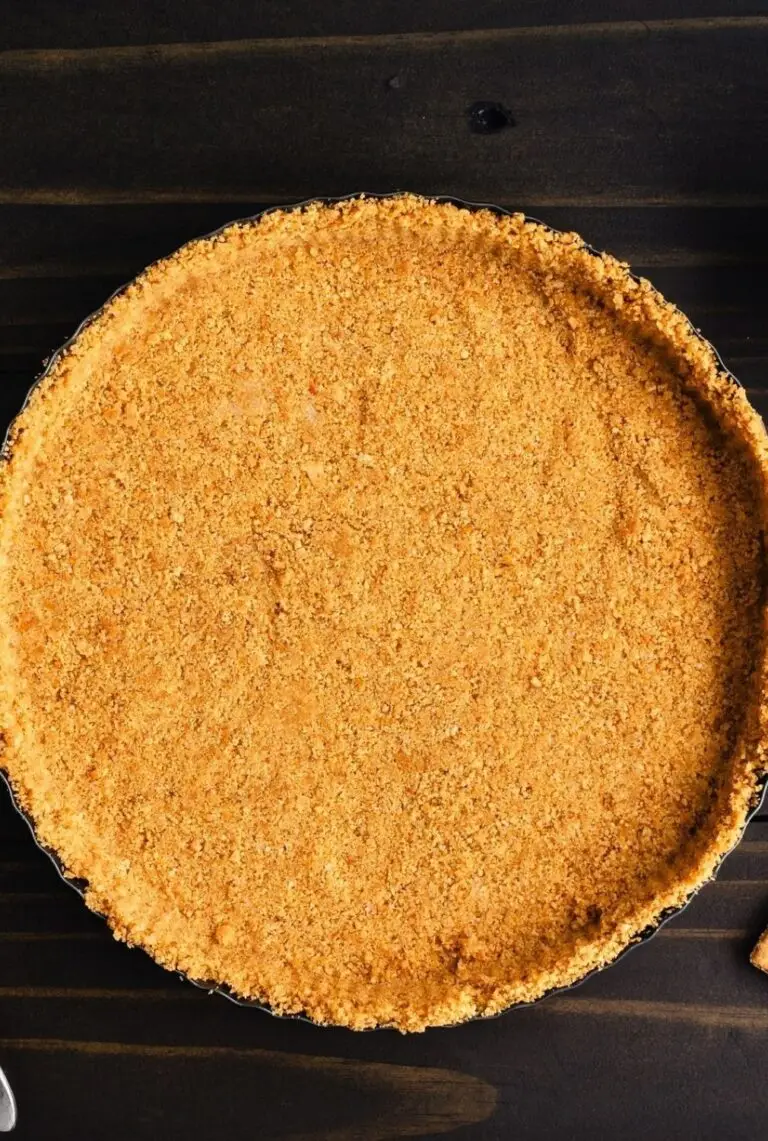
Graham Cracker Pie Shell Recipe
A graham cracker crust is a buttery, lightly sweet pie shell made from 12 full sheets of graham crackers, two kinds of sugar, and melted butter. A food processor grinds the crackers to fine crumbs and coats them in one bowl, and a 10-minute bake at 350°F sets the crust. It comes out crisp at the edges and firm enough to slice cleanly, ready for chiffon, cream, or cheesecake fillings once it cools.
- Total Time: 15 minutes
- Yield: 1 shell 1x
Ingredients
- 12 full sheets graham crackers (about 1-1/2 cups graham cracker crumbs)
- 1 tablespoon granulated sugar
- 1 tablespoon brown sugar, packed
- 6 tablespoons butter, melted
Instructions
- Heat the oven: Preheat the oven to 350°F and set out a 9-inch pie plate.
- Make the crumbs: In a food processor, pulse the graham crackers, granulated sugar, and brown sugar until fine crumbs form.
- Add the butter: Pour in the melted butter and pulse until the crumbs look like wet sand and stick together when pinched.
- Press it in: Press the crumb mixture into the bottom and up the sides of the pie plate, using the bottom of a measuring cup or glass to pack it evenly.
- Bake and cool: Bake until just set, about 10 minutes. Cool completely before filling.
Pin This Chocolate Cake With Black Cocoa Recipe For Later
Back in 1936, Meet America's Premier Pie Baker
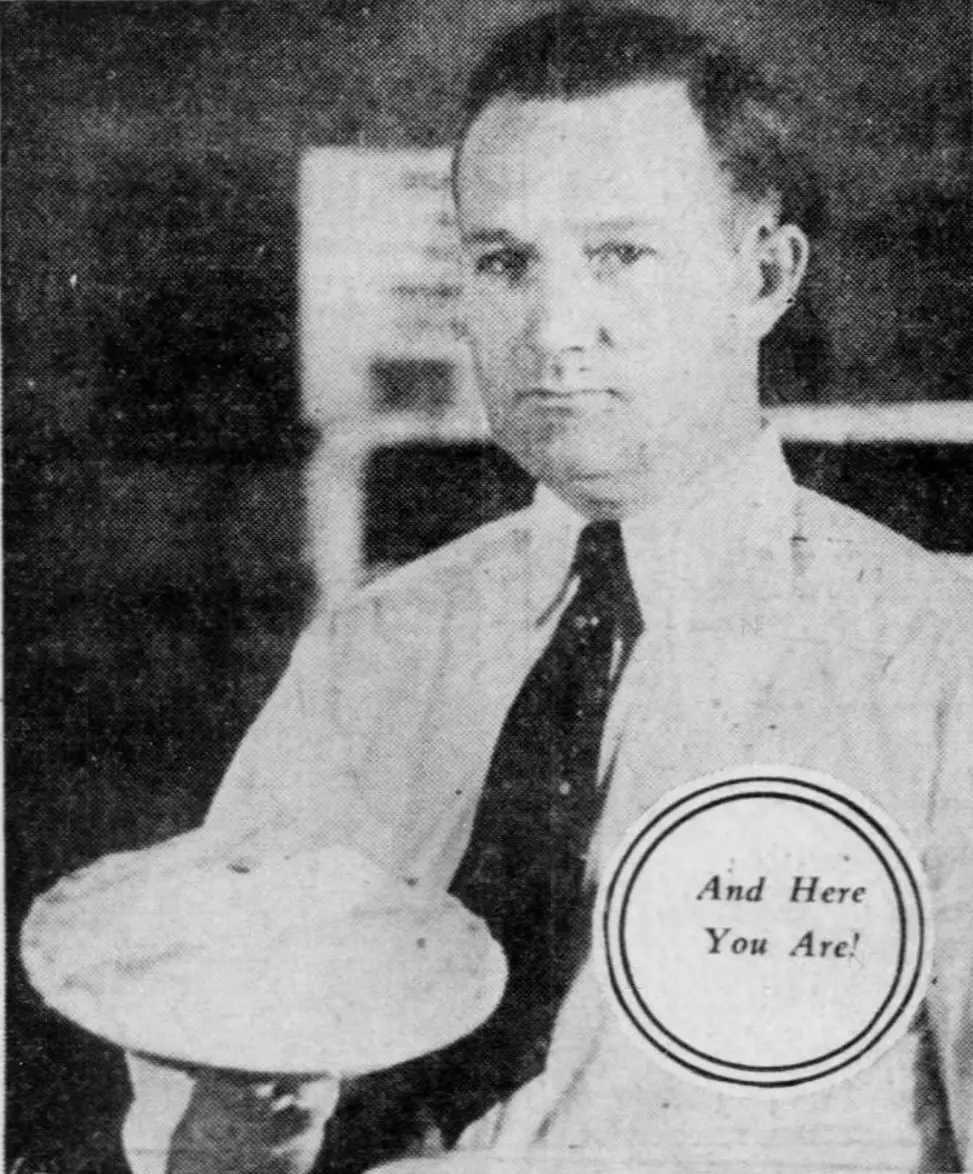
A St. Louis newspaper credited Los Angeles baker Monroe Boston Strause with thinking up the graham cracker crust, which earns him a seat right here in this recipe.
According to Virginia Irwin's 1936 article "Pies without Number" in the St. Louis Post-Dispatch, the American Society of Bakery Engineers had named him Premier Pie Baker of America about eight years earlier.
A Baker Who Thought in Batches of 60
The reporter opened by announcing that Strause could turn out a perfect pie with his eyes shut and one hand tied behind him, though he rarely tried. He thought in batches of 60 pies, so baking one for his mother as a special favor filled the kitchen and spilled into the living room. The man who built a career on pie rarely ate it, since he saw too many in a day.
From a Family Pie Business to a Crust Credit
At 19, Strause joined his uncle's Los Angeles pie business and soon ran it, as the Los Angeles Times reported on January 9, 1997. The 1936 profile credits him with inventing chiffon pie and thinking up the graham cracker, vanilla wafer, and butterscotch cookie crusts. I can't confirm he was first, only that a newspaper printed the credit.
A Man With Patents to His Pie
Strause's name also appears on U.S. patents, including a 1956 method for making apple pie from dried apples and a 1959 pie marker that used a heated rod to cut toasted channels into meringue.
The marker's patent says the toasted channels keep the knife from gumming up. A baker who patented a tidier slice would have cared about the crust underneath, because clean slices start with a graham cracker crust that holds its shape.
Why This Graham Cracker Pie Shell Recipe Still Works Today
Melted Butter Binds the Crumbs
Melted butter coats every crumb in fat, then hardens as the crust cools, which turns loose crumbs into a firm shell. Six tablespoons coats the crumbs fully without pooling in the plate, and the pinch test tells you the mixture is right. The amount of butter is the one number worth measuring carefully.
Two Sugars Set the Crust
Sugar melts in the oven and hardens as the crust cools, so it works as a second glue between crumbs. Granulated sugar adds crispness, and brown sugar adds molasses and a little moisture so the crumbs pack together. A tablespoon of each keeps the edges crisp and the slices easy to cut.
Fine Crumbs Pack Tighter
Fine crumbs pack tightly because they have more surface area for butter to coat and fewer air gaps, so the crust holds together under a filling. In 1936, Strause told a St. Louis reporter that modern kitchen equipment, like electric mixers, let home cooks use the same methods as bakeries. A food processor continues the tradition by grinding and coating the crumbs in one bowl.
Baking Sets the Crust
A baked graham cracker crust sets because heat drives off moisture and melts the butter and sugar, which then harden as the crust cools. A no bake crust relies on chilled butter alone, so it stays softer.
How to Make a Graham Cracker Crust That Holds Its Shape
Pulse Until the Crumbs Look Like Wet Sand
Stop pulsing when a pinch of crumbs holds together between your fingers. Evenly coated crumbs bake into one sheet. A food processor makes the job quick, and it's the better tool here because it grinds and coats the crumbs in one bowl.
Press With a Flat-Bottomed Measuring Cup
Pack the crumbs firmly with the bottom of a flat-bottomed measuring cup or glass. Pressure squeezes out air pockets, and the sides need the same firmness as the bottom so they stay put when the pie is cut.
Check the Edges Early
Start checking before the 10-minute mark if your oven runs hot. The crust should look dry and smell toasted, and golden crumbs taste toasty. Ovens vary, so trust your nose over the clock.
Cool Completely Before Filling
Let the crust cool to room temperature before any filling goes in. Butter and sugar need time to harden, and a cooled crust stays firm under the filling. The crust looks ready long before it is, so give the butter its full cool-down.
Follow the Directions for Packaged Crumbs
Follow the recipe on the package when you're using packaged graham cracker crumbs. Brands grind and blend their crumbs differently, and packaged crumbs often need more butter than the recipe card, sometimes a whole stick (8 tablespoons). Use the package's recipe for amounts and baking, and the pressing and cooling tips below still apply.
Pan Size and How Much Crust You Need
Different pans need different amounts of crumbs. Use the chart below to scale the recipe so the crust covers the pan evenly.
Pan Size | Crumbs and Butter Needed |
|---|---|
9-inch standard pie plate | 1 ½ cups crumbs + 6 tbsp butter |
9 ½-inch deep-dish pie plate | 1 ¾ cups crumbs + 7 tbsp butter |
8-inch springform (bottom only) | 1 ¼ cups crumbs + 5 tbsp butter |
9-inch springform (bottom only) | 1 ½ cups crumbs + 6 tbsp butter |
9-inch springform (bottom and 1 inch up sides) | 2 cups crumbs + 8 tbsp butter |
8x8-inch square pan | 1 ½ cups crumbs + 6 tbsp butter |
9x13-inch pan | 2 ½ cups crumbs + 10 tbsp butter |
12-cup muffin tin | 1 ½ cups crumbs + 6 tbsp butter (about 2 tbsp crumbs and ½ tbsp butter per cup) |
Recipe Variations, Serving Ideas, & Storage
Graham Cracker Crust Variations
Tools & Ingredients Worth Having For This Recipe
We don’t run an ad network here. Instead, we quietly use Amazon links for tools that we actually use in our kitchen and make sense for the recipes we share. Shop through the links and you help keep these vintage recipes alive, at no extra cost to you. As an Amazon Associate, I earn from qualifying purchases.
- Food processor: A food processor grinds the crackers and coats them with butter in one bowl, which gives the crumbs an even texture. Look for a bowl of at least 8 cups and a pulse button, since you want short bursts, not a continuous run. I use the Ninja Kitchen System 🛒 because it handles everything from blending smoothies or oat flour to chopping nuts, and grinding homemade pet food with a quick switcheroo of the pitchers.
- 9-inch glass pie plate: Glass lets you check the browning on the bottom and sides without lifting the crust. Buy a standard 9-inch plate for this recipe, since a deep dish plate needs more crumbs.
- Rolling pin: A heavy rolling pin crushes the crackers in a zip top bag when you don't have a food processor. The tradeoff is less even crumbs, so check for large pieces before adding the butter.
Frequently Asked Questions
A graham cracker crust stays crisp when it's baked, cooled completely, and filled close to serving. Baking drives off moisture and cooling lets the butter and sugar harden, so the crumbs hold up under a creamy filling.
12 full sheets of graham crackers make about 1-1/2 cups of crumbs, so roughly 8 sheets make a cup.
A graham cracker crust works fine without a food processor. Seal the sheets in a zip top bag and crush them with a rolling pin until fine, then stir in the sugars and butter in a medium bowl until the crumbs hold together.
A graham cracker crust works with salted or unsalted butter. Unsalted gives you control over the seasoning, while salted adds a subtle edge that suits sweet fillings.
Graham crackers get their flavor from graham flour, a coarse whole wheat flour with a nutty, toasty sweetness, plus honey or molasses and sugar. Many recipes add cinnamon and vanilla, though brands differ, and Honey Maid's label lists graham flour, sugar, and honey. The crust inherits the same toasty, honeyed flavor.
A 1930s Graham Cracker Crust for Today
Nearly 90 years after a St. Louis newspaper shared a pie baker's crust tips, the method still takes four ingredients and about 10 minutes in the oven.
Craving pastry instead of a crumb crust? Our traditional 4-ingredient pie crust has you covered.
Did you make this recipe? Leave a star rating and tell us in the comments: which pie did your family always make in a graham cracker crust?
