
Where did pink lemonade come from? The short answer is a circus. The longer answer involves a clown, a runaway act, a tub of pink laundry water, and a sales pitch that doubled revenue on the spot.
An early printed account of the whole chaotic story ran in the Kansas City Journal on December 26, 1897, and it reads like something a very confident person made up ... except the details are too specific to be fiction.
The full origin story is reprinted below, exactly as it appeared in the Kansas City Journal on December 26, 1897. But first, a little context.
Lemonade Has a Longer History Than You'd Expect
Before pink lemonade ever existed, traditional lemonade had already traveled across centuries and continents. The earliest documented versions of a sweet lemon drink appear in records from North Africa and the Middle East as far back as the 12th century.
Lemonade reached European trade routes in the 1600s. A French organization called the Compagnie de Limonadiers was granted a monopoly on selling lemonade on the streets of Paris in 1676, employing vendors who carried tanks of cold lemon water on their backs. Turkish lemonade, made with lemon slices, sugar, and cold water, was a popular drink across the Ottoman Empire during the same period.
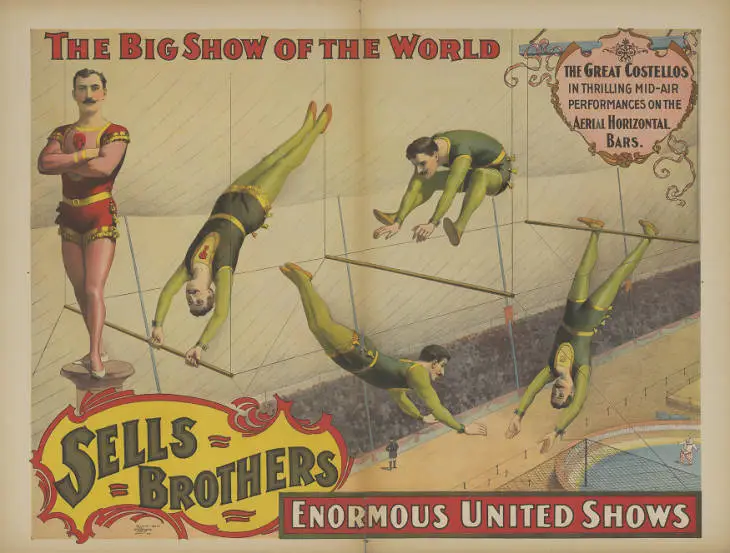
By the mid-19th century, lemonade vendors were a fixture at American fairs, outdoor events, and traveling circuses. For a circus vendor, a pitcher of cold lemonade and a crowd of paying customers was about as good as a business plan got. The drink already had a few hundred years of history behind it before anyone thought to make it pink.
How Pink Lemonade Was Born: The 1857 Circus Story
Here is where the origin of pink lemonade gets interesting, and a little chaotic.
Forget fruit juices, red raspberries, cranberry juice, or cinnamon candies. According to the 1897 account reprinted below, the first batch of pink lemonade got its color from a tub of dirty laundry water and a pair of pink tights.
In 1857, a circus vendor and part-time clown was working in Pete Mabie's traveling show in Texas. He'd been selling regular lemonade from a covered wagon, following the circus from town to town with a couple of mules, some sugar, tartaric acid, and one lemon. On one particular hot day, surrounded by a crowd of people scrambling for the popular drink, he ran out of water entirely. There were no wells or springs nearby. The elephant tanks were empty. In desperation, he ran into the circus dressing tents looking for anything liquid.
What he found was Fannie Jamison, the queen of bareback equestrianism, wringing out a pair of pink tights over a tub of water. The aniline dye had turned the water a deep, rosy pink. Our accidental inventor didn't stop to think about it. He grabbed the tub, added in his tartaric acid and his single lemon, climbed back onto his box, and started selling "strawberry lemonade" to a crowd that had no idea what they were actually drinking.
His sales doubled that day.
That resulting rose-tinted mixture, made from tub of dirty water and a complete absence of options, became the drink that traveled with circuses across the United States for the next generation. The clown noted in his account that from that day forward, no well-regulated circus was without pink lemonade. The pink color had done its job before a single customer tasted a drop.
What the Circus Vendors Of The Day Understood
The origin stories of pink lemonade are really stories about perception.
A vat of lemonade in a clear pitcher on a hot day does a fine job of selling itself. A vat of lemonade with a deep rosy pink hue does a better job. The circus lemonade vendors who first discovered this weren't running experiments in flavor development. They were working concessions stands in the heat, solving immediate problems, and paying close attention to what made a crowd move.
What they landed on was this: the color of a drink is the first ingredient. Before anyone tastes a little bit of anything, they decide whether they want it based on how it looks. The pink hue of that first accidental batch of lemonade stopped a crowd that regular lemonade had already been serving. It doubled sales without changing a single thing about the flavor.
That's not a trick. That's just an honest observation about how people decide what they want to drink on a hot day, and it's as true today as it was in 1857.
From Dirty Wash Water to Real Ingredients
The original circus pink lemonade was colored with whatever was available: aniline dye from pink tights, red coloring mixed into a vat of lemonade, red dye from cinnamon candies, or whatever fruit juices were cheap and easy to get. The goal was the pink hue. The flavor was secondary.
As pink lemonade moved from circus concessions into American home kitchens through the late 19th and early 20th centuries, home cooks started building it properly. A simple syrup made from sugar, water, and lemon juice replaced tartaric acid. Real fruit juices replaced the red dye. Crushed raspberries, cranberry juice, maraschino cherry juice, and red raspberry syrup all became standard ways to produce the pink color with actual flavor behind it.
The homemade pink lemonade recipe that most people know today is the civilized descendant of that first panicked batch. It tastes like what the circus version was only pretending to be.
The vintage circus pink lemonade recipe on this site uses crushed raspberries and maraschino cherry juice for both the color and the flavor, built on a seven-minute lemon-rind simple syrup that holds up from the first glass to the last. No dirty laundry involved. You can read the full homemade pink lemonade recipe and all the tips there.
The Original 1897 Newspaper Account
The text below is reprinted in full from the Kansas City Journal, December 26, 1897, originally published in the New York Commercial-Advertiser.
How a Circus Clown Met a Texas Emergency — Something About Circus People.
From the N.Y. Commercial-Advertiser
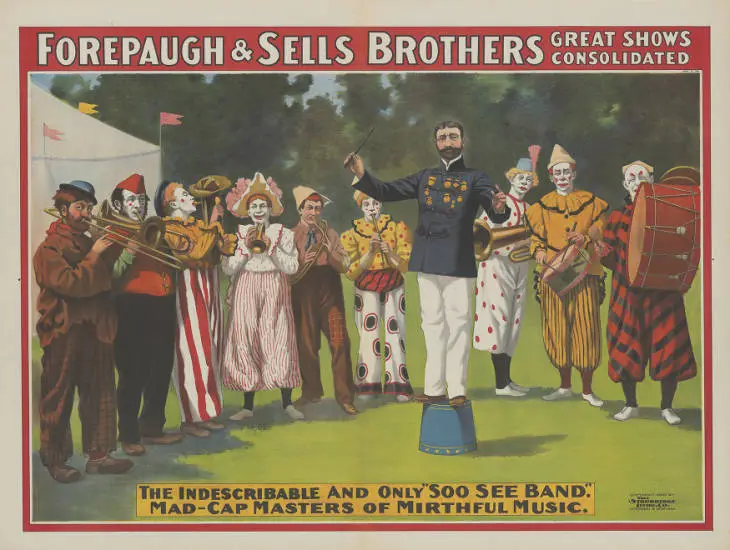
"The origin of pink lemonade," said an old circus clown the other day, "has long been shrouded in mystery, like some other beginnings in history. But here is the true story: In 1857 I was traveling in the South with Pete Mabie's big show. I was doing a tumbling and acrobatic act in the ring and had not yet begun to aspire to the cap and bells. One afternoon, just before the doors were opened, Mabie came to me in great distress and told me that the clown had 'jumped the show.' A circus without a clown would be a serious affair anywhere, but in Texas in those days it meant destruction to our property, and possibly harm to ourselves. You see, those Texans didn't have much else to do, and so they found time to study the bills carefully. They insisted upon getting their full money's worth and wanted every thing promised on the bills. Some of our best printing couldn't be put up in Texas at all, because, you know, there are things on circus posters which are beyond the possibility of fulfillment. We showed, look upon those pictures with the artist's eye, and we got to feeling sorry to think what the Texans were missing.
"Well, to come to the point, I went into the ring as clown and made a hit. I kept it up for a couple of weeks, doing my other act as well and all for one salary.
"One morning I went to the manager and told him I would have to have some extra sequins if he wanted me to play clown any more. He answered that I was getting enough and if I wasn't satisfied I could go. He thought he had me there, for Texas was not the kind of a country a man would enjoy being left in. But I was a youngster then and didn't mind taking chances. Besides, I had saved about $18 and I felt rich. I quit the show right off, bought a couple of mules and an old covered wagon, and just enough left to invest in some peanuts, sugar, tartaric acid and one lemon. Talk about good friends! Why, that one lemon stuck to me to the end. I followed the circus with my wagon and pair, and every time the tents were pitched I would mount my box and sing out:
'Here's your ice-cold lemonade,
Made in the shade,
By an old maid,
Stick your fingers in the glass,
If it freeze that fast,
The deeper you dip
The sweeter it grows,
Just like honey from a rose,
So good, so sweet, so sour,
It'll give you joy for half an hour.'
"The lemonade sold splendidly ... One day, while I was surrounded by a mob scrambling for the liquid refreshment, I noticed suddenly that my water supply had about run out. There were no wells or springs in sight, so I rushed into the big tent to get some water. The elephants had just been fed and watered and all the tanks were empty. In the excitement of the moment I invaded the dressing tents. Fannie Jamison, the oldtime queen of bareback equestrianism, was standing in front of a tub, wringing out a pair of pink tights that she had been washing. The aniline dye had stained the water a deep pink. I didn't stop to ask any questions, but grabbed the tub and ran. I mounted the box, threw in some acid and the property lemon, and called out to the customers to come quickly and buy some fine 'strawberry lemonade.' My sales were doubled that day, and since then no well-regulated circus is without pink lemonade.
"It's not easy to get the better of showmen," continued the old clown. "They're pretty well up to the tricks of the average community and have a few of their own. I was with the first steamboat show that ever sailed down the Mississippi, and it was almost swamped by the big license demanded whenever we landed. Finally at Memphis the thing culminated. The merchants were up in arms against the show because they said we would take too much money away from the city. We were notified that no license would be issued and that we would not be allowed to give our show at the wharf. So we steamed out into the middle of the river, started our calliope piping and had our little tug ply back and forth between shore and the steamboat. The idea of a circus on board of a steamboat hit the Memphis people hard. That night we were crowded to the guards and we played three 'mid-stream return dates' in the neighborhood within a week."
Kansas City Journal, Kansas City, Missouri — Sunday, December 26, 1897 — Page 11
Originally published in the N.Y. Commercial-Advertiser

A note on sources: The 1897 newspaper account referenced in this post is reprinted in full in the companion post linked above. It was originally published in the Kansas City Journal on December 26, 1897, and sourced from the New York Commercial-Advertiser. It is in the public domain. All other content in this post is original to Recipe Rewind.


0 comments