
This pink lemonade recipe traces back to circus vendors selling the drink as early as 1857, which means it comes with plenty of old-time charm and at least one truly unhinged origin story. One version claims the first batch got its color from water used to rinse red or pink circus tights, which is both revolting and weirdly on brand for the big top.
Thankfully, this 1955 vintage circus pink lemonade recipe gets its rosy color the civilized way, with crushed raspberries, maraschino cherry juice, and a lemon-rind syrup that gives the whole pitcher a brighter, deeper flavor.
Taking a few extra minutes to boil the lemon-rind syrup is what gives this old-fashioned pink lemonade its full big top flavor. If you need something faster for a hot afternoon, these easy agua fresca recipes are a great backup, especially when you want a cold fruit drink without much fuss.
Pink Lemonade - From Circus Sideshow to Summer Staple
Pink lemonade and the circus were practically inseparable by the late 19th century, but nobody seems to agree on who invented it. A 1912 New York Times obituary credited circus vendor Henry E. Allott with creating the drink after red cinnamon candies tumbled into fresh lemonade, while George Conklin’s memoir The Ways of the Circus gave the job to his brother Pete and a bucket of very questionable laundry water.
Either way, circus vendors learned the same lesson fast: pink sold better than yellow, and people were happy to pay for the prettier glass.
By 1955, pink lemonade had moved well beyond the midway and onto church social tables, YMCA fundraisers, and Fourth of July spreads. Disneyland opened that summer, Bill Haley’s “Rock Around the Clock” was rattling the grown-ups, and a big glass pitcher of something cold and rosy looked right at home next to sheet cake and paper plates.
This version fits that moment exactly. It’s fruity, crowd-friendly, and made from ingredients a home cook could actually find without needing a circus concession stand or a strong stomach.
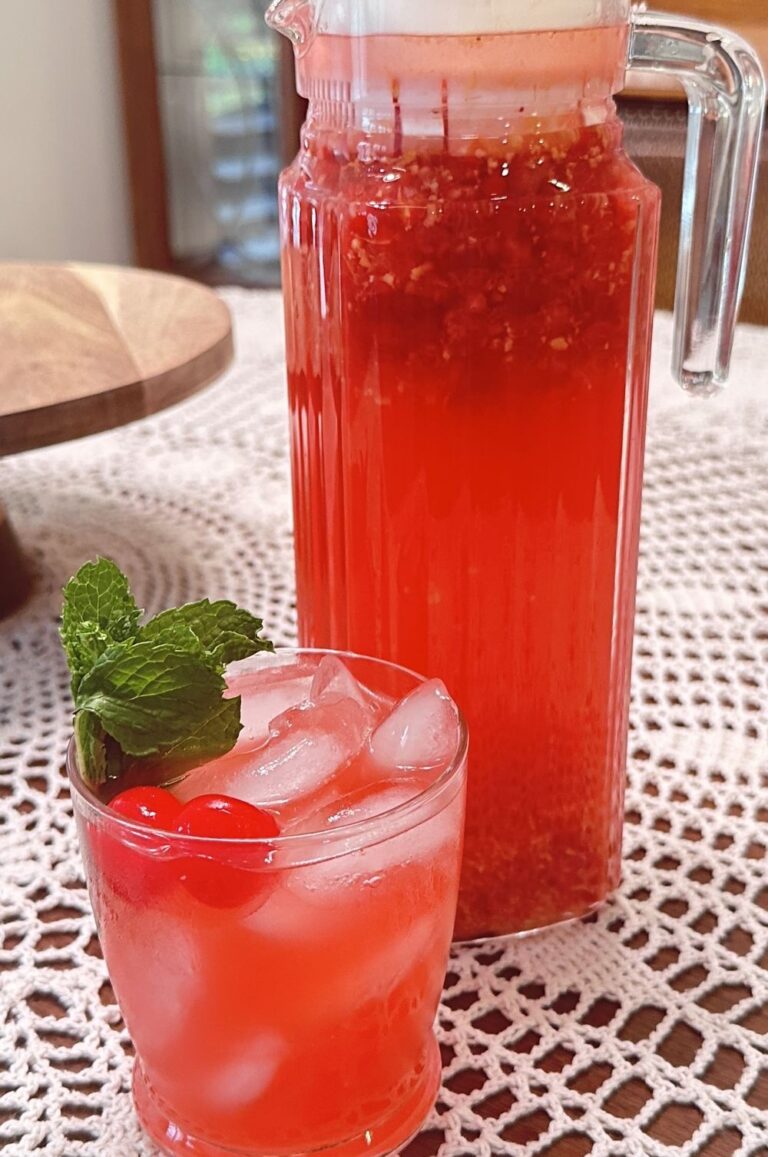
1955 Circus Pink Lemonade With Raspberries Recipe
Sourced from a 1955 circus advertisement, this vintage pink lemonade recipe with raspberries uses crushed fresh raspberries and maraschino cherry juice to produce a naturally rosy color and layered fruit flavor, with no food dye required. The recipe builds from a lemon-rind simple syrup, boiled for seven full minutes to concentrate sweetness and infuse citrus depth into the base before a single berry is added. Served over ice in tall glasses with a maraschino cherry garnish, this recipe serves 8 and was originally made for summer community events like YMCA fundraisers and outdoor carnivals.
- Total Time: 25 Minutes
- Yield: 8 Servings 1x
Ingredients
- 1/2 cup water
- 1/2 cup sugar
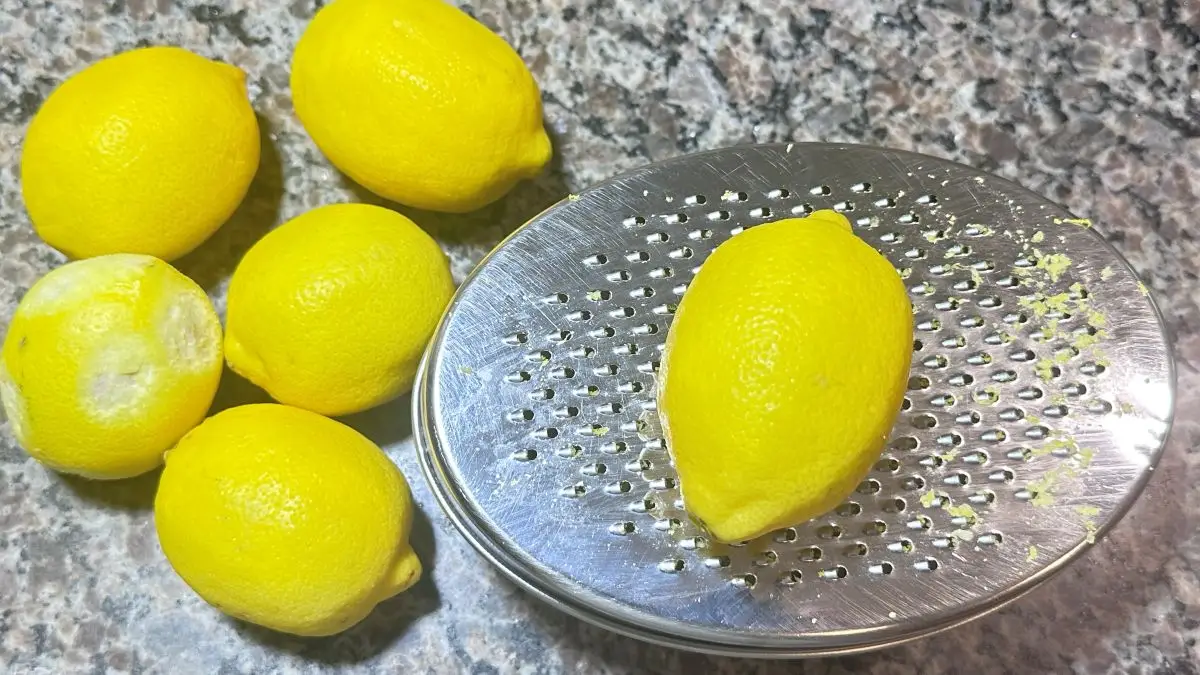
- 3 tablespoons grated lemon rind
- 1 cup fresh lemon juice
- 1/2 cup maraschino cherry juice
- 1 quart (4 cups) cold water
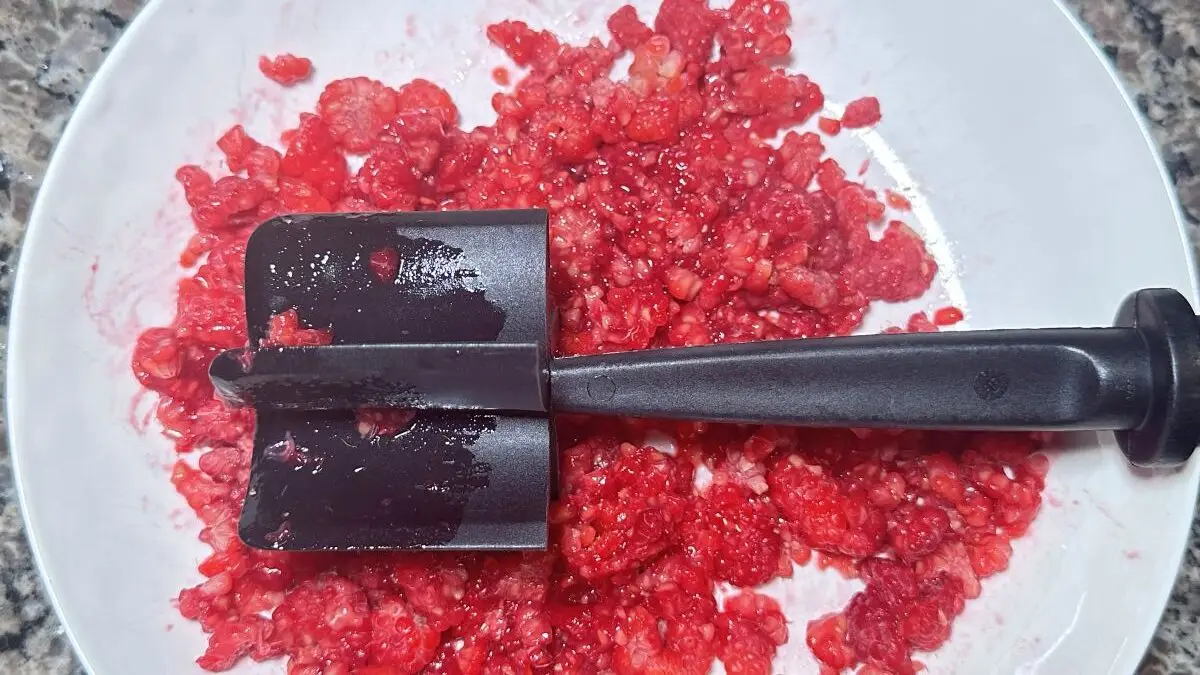
- 1 cup raspberries, crushed
- 6 to 8 maraschino cherries or fresh raspberries, for garnish
- Fresh mint for garnish
Instructions
- Make simple syrup: Combine the 1/2 cup of water and sugar in a small saucepan over low heat. Stir continuously until the sugar fully dissolves.
- Boil and cool syrup: Raise the heat to a full boil and boil for 7 minutes without stirring. Remove from heat and allow the syrup to cool completely to room temperature before continuing.
- Mix lemonade base: In a large pitcher, combine the cooled syrup, grated lemon rind, lemon juice, maraschino cherry juice, 1 quart of cold water, and crushed raspberries. Stir well until fully combined.
- Serve over ice: Fill tall glasses with ice and pour the lemonade over the ice.
- Garnish and serve: Top each glass with a sprig of mint, maraschino cherries, or raspberries and serve.
Notes
- The syrup must cool fully before mixing with the raspberries, or the heat will cook the berries and muddy the flavor.
- Fresh lemon juice is strongly recommended. Bottled juice lacks the brightness this recipe depends on.
- To scale for a larger crowd: multiply all ingredients proportionally. The syrup batch triples easily in a medium saucepan.
- My dad recommends eating the maraschino cherries first; he says it enhances the flavor of the lemonade. Thanks, dad!
- Prep Time: 15 Minutes
- Cook Time: 10 Minutes
- Category: Beverage
- Method: Boiling
- Cuisine: American
Pin This Old Fashioned Pink Lemonade Recipe For Later
What Makes This Circus Pink Lemonade Recipe Work
The Lemon Rind Simple Syrup
Most lemonade recipes dissolve sugar in water and call it a day. This one doesn't, and that's exactly why it tastes better than any lemonade you've ever bought in a plastic jug. The syrup includes grated lemon rind boiled directly into it for a full seven minutes, which coaxes the essential oils out of the peel and fuses them into the sweetener. By the time the juice even shows up to the party, the flavor is already deep, citrusy, and doing the most.
Fresh Lemon Juice Is Non-Negotiable
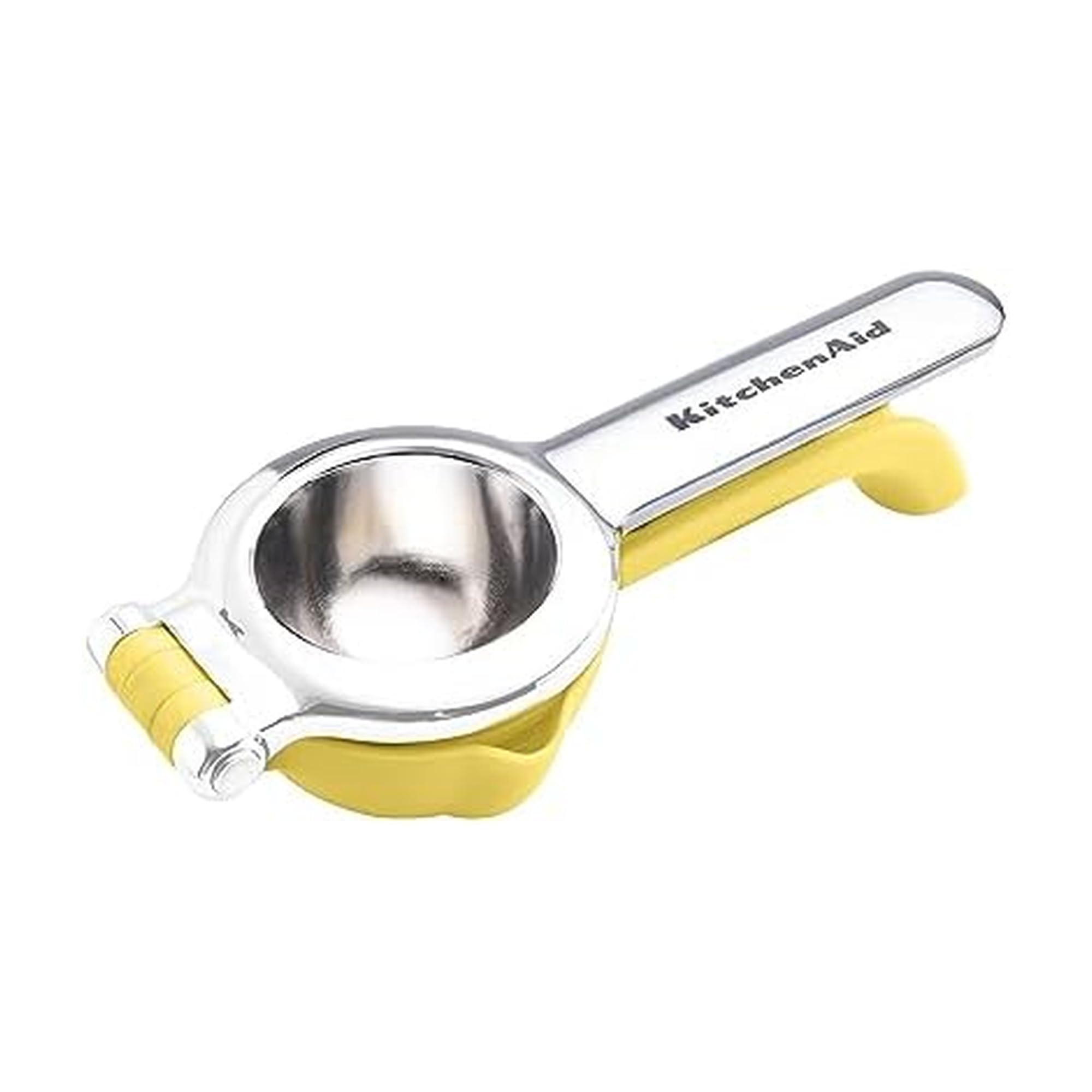
One full cup of fresh lemon juice. That's roughly 5 to 7 medium lemons, depending on how generous they're feeling. If bottled lemon juice is about to cross your mind, I say this with warmth: please don't. The flavor difference is enormous, and the whole reason this recipe has survived decades is because real lemons do things that a shelf-stable bottle simply cannot. A handheld citrus press will get you through this quickly and without any dramatic wrist-twisting.
Raspberries Instead of Laundry Water
The original recipe called for crushed raspberries, and it turns out the 1950s were onto something. Real raspberries bring natural pink pigment AND fruit acid to the drink, which deepens the flavor instead of just faking the color. The seeds stay in, which is completely authentic to the original and also a quiet little reminder that you made this with actual fruit. If seeds aren't your thing, the Variations section below has you covered. No judgment here, only options!
The Secret Weapon: Maraschino Cherry Juice
Half a cup of maraschino cherry juice is the ingredient that makes people ask, "wait, what IS that?" It's sweet, it's deeply colored, and it acts as a bridge between the sharp citrus and the floral raspberry. It rounds everything out without pushing the drink into candy territory. The very best part? That half cup comes directly from a standard 10-ounce jar of maraschino cherries, which also gives you the garnish cherries at absolutely no extra cost. The recipe genuinely just takes care of you on this one.
Why the 7-Minute Boil Actually Matters
Standard simple syrup needs maybe one or two minutes to dissolve. This recipe pushes it to seven, and that extra time is doing real work. The longer boil reduces the syrup slightly, concentrating its sweetness and thickening it just enough so that when it hits a full quart of cold water, the flavor holds all the way to the last glass. You know how the bottom of a lemonade pitcher always tastes watery and sad? Not here. This syrup was built to last, and honestly, same energy.
How to Make Perfect Vintage Pink Lemonade
Grate the Rind Before You Juice
This is the step most people reverse, and reversing it costs you effort and rind. Grate all three tablespoons of lemon rind before you cut the lemons in half. Once the lemons are juiced, the flesh collapses, the rind bows inward, and you have almost no working surface left. Grate first, juice second, and you will move through the prep in under 10 minutes.
Cool the Syrup Completely
Pouring a hot simple syrup over crushed raspberries cooks them. Cooked raspberries lose their bright, clean fruit note and turn the drink slightly jammy in a way that reads as off rather than rich. Cool the syrup to room temperature before combining it with anything. If you are short on time, set the saucepan in a bowl of ice water for 10 minutes. The lemonade will taste noticeably fresher because of this single step.
Crush the Raspberries Just Enough
The goal is broken cells, not puree. Press the raspberries with a fork or the back of a spoon until each one has released its juice and pigment, but stop before you have turned them into paste. A loose crush gives you bright fruit flavor distributed throughout the pitcher without adding cloudiness or a thick texture. Over-crushed raspberries make the drink look muddier than the original recipe intends.
Build the Pitcher in Order
Add the cooled syrup first, then the lemon juice, then the maraschino cherry juice, then the cold water, then the raspberries. Stirring the concentrated ingredients together before adding the water gives you a more even final mix. Taste before you serve. A splash more lemon juice sharpens the drink if it feels flat. An extra tablespoon of maraschino cherry juice softens it if it leans too tart.
Chill Before Serving If Possible
If you have the time, refrigerate the finished pitcher for 20 to 30 minutes before serving, without ice. A cold base means less dilution from the ice in individual glasses. The flavor stays consistent from the first glass to the last, which matters when you are serving 8 people at an outdoor event.
Recipe Variations, Serving Ideas, & Storage
Recipe Variations
Tools & Ingredients Worth Having For This Pink Lemonade Recipe
Making this 1955 vintage circus pink lemonade from scratch is an entirely different experience than scooping flavored powder out of a canister. You don't need a professional bar setup to pull off a beautiful summer drink, but a few reliable basics will save your wrists and extract the most flavor from your fresh fruit. These are the items that make the process simple and the final pitcher perfect.
Handheld Citrus Press: You will be squeezing at least five to seven medium lemons to get the full cup of fresh juice required for this recipe. A sturdy metal citrus press extracts every drop of liquid without twisting your wrists or dropping bitter seeds into your prep bowl. It is the single most important tool for making real lemonade at home.
Microplane Fine Zester: The secret to this recipe is grating the lemon rind before you ever cut the fruit. A sharp fine zester removes just the bright yellow skin where the fragrant essential oils live, leaving the bitter white pith behind.
Heavy Bottom Small Saucepan: Boiling the lemon rind simple syrup for seven full minutes requires a pot that holds and distributes heat evenly. A quality stainless steel small saucepan prevents the sugar from scorching while the syrup safely reduces and thickens on your stove.
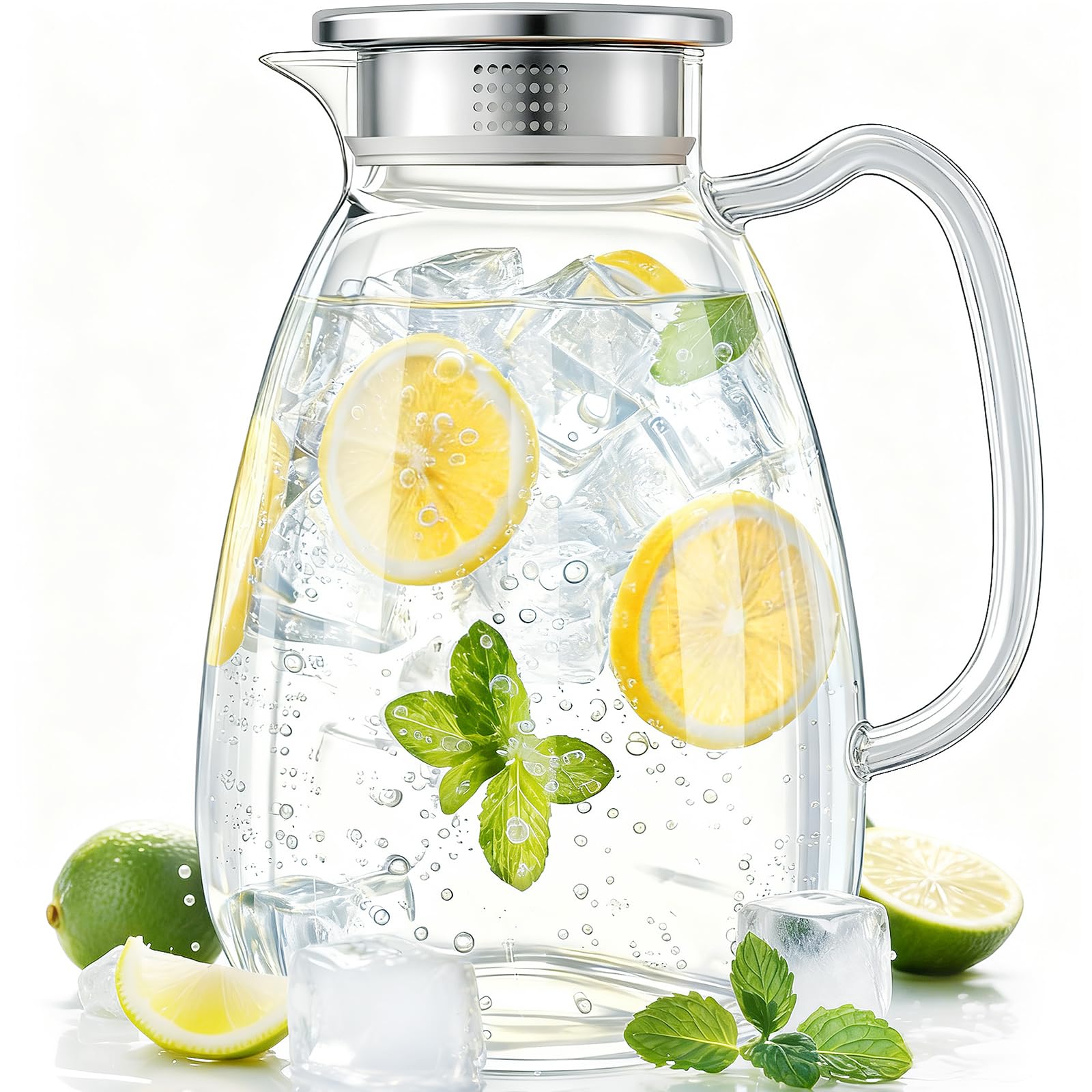
Glass Pitcher with Strainer Lid: This drink looks absolutely beautiful sitting on an outdoor table. A heavy glass pitcher shows off the natural pink hue from the crushed raspberries. Choosing a pitcher with a built in strainer lid is a brilliant trick, as it holds back the ice, mint sprigs, and whole fruit garnishes when you pour a glass.
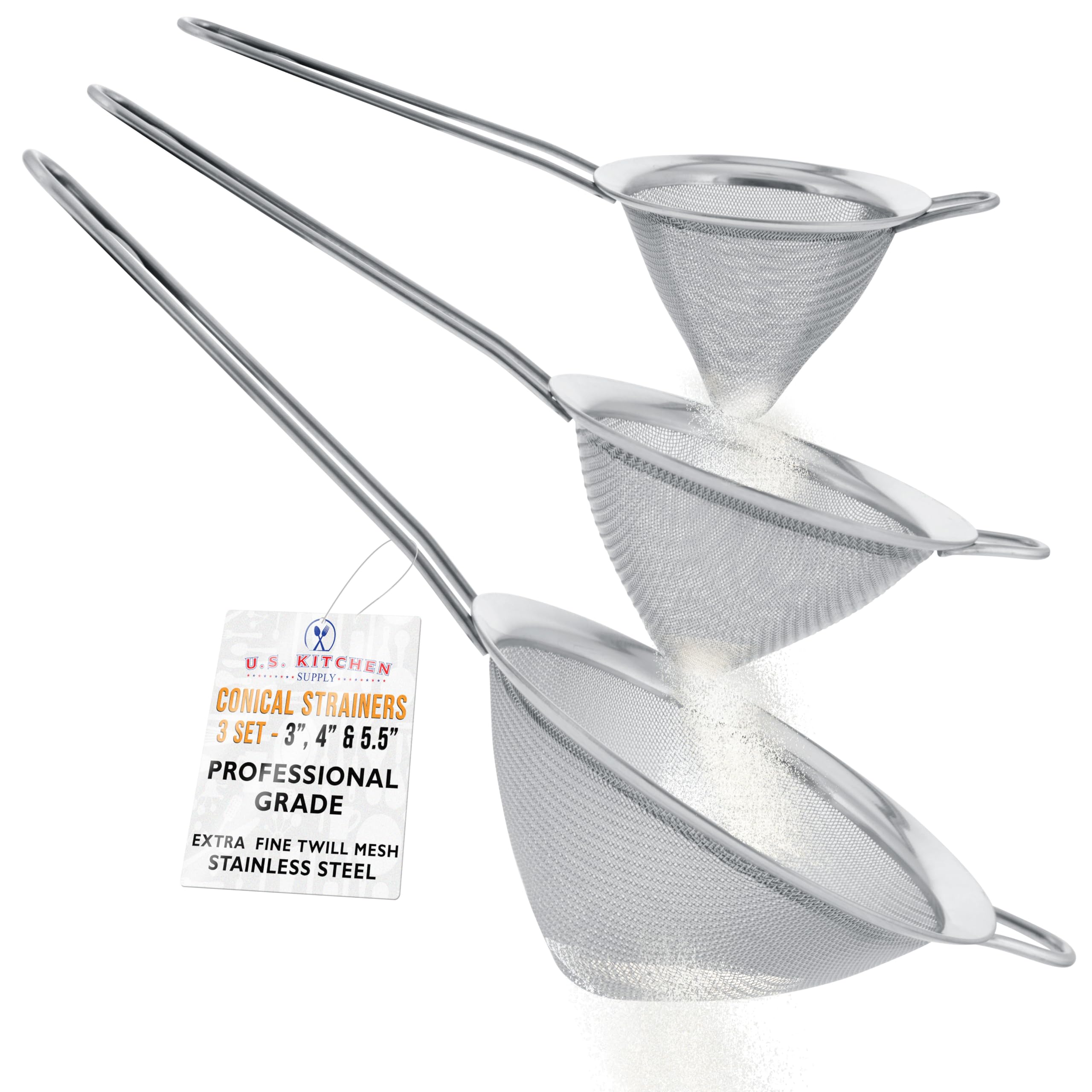
Fine Mesh Strainer: The crushed fresh raspberries give this drink a naturally hazy look. If you prefer your pink lemonade to be completely clear, pouring the finished batch through a fine mesh strainer will catch the fruit pulp and seeds while letting all the bright color and flavor pass right through.


Frequently Asked Questions
Frozen raspberries work well in this vintage pink lemonade recipe. Thaw them completely at room temperature or in the refrigerator first, then crush them the same way you would fresh berries. Frozen raspberries often release more juice when thawed, which can deepen the pink color in the finished drink. Avoid raspberries that have been frozen in a sweetened syrup, as the added sugar will throw off the balance the 1955 recipe is built on.
Grenadine syrup is the closest substitute for maraschino cherry juice. Use 3 to 4 tablespoons of grenadine in place of the full half cup of cherry juice, tasting as you go because grenadine runs significantly sweeter and more concentrated. Pomegranate juice is a less-sweet alternative that preserves the natural-fruit approach of the original recipe and adds a pleasant tartness of its own.
The sweetness in this 1955 circus pink lemonade comes from two sources: the simple syrup and the maraschino cherry juice. To reduce sweetness, cut the sugar in the syrup from half a cup to one-third of a cup, or reduce the cherry juice to 3 tablespoons and add an equal amount of plain cold water to compensate for the volume. Make the adjustment before adding ice, taste, and adjust from there. You cannot add sweetness back as easily as you can take it out.
This vintage pink lemonade recipe scales by multiplying all ingredients proportionally. For 24 servings, triple the full recipe. The simple syrup triples easily in a medium saucepan. Mix the full batch in a large beverage dispenser rather than a standard pitcher, and keep it refrigerated or on ice until serving time so the flavor stays consistent as the event goes on.
Cloudiness in this recipe is expected and is not a defect. The crushed raspberries release fine particles that stay suspended in the liquid, giving the drink a slightly hazy, fruit-forward appearance. If you prefer a fully transparent pink lemonade, strain the finished drink through a fine-mesh strainer lined with a layer of cheesecloth before serving. The natural color and full flavor pass through while the cloudiness stays behind.
The lemon rind simple syrup stores well on its own in a sealed jar in the refrigerator for up to 5 days. Making it ahead is one of the most practical things you can do when preparing this old fashioned pink lemonade recipe for an event. On the day of serving, combine the cold syrup with the remaining ingredients, stir, pour over ice, and serve. Total day-of time is under 5 minutes.
This 1955 circus pink lemonade is very well suited to a punch bowl presentation, which is entirely consistent with how it was originally served. Pour a doubled or tripled batch over a large block of ice rather than cubed ice, since a block melts more slowly and dilutes the flavor less over the course of a long event. Float thin lemon slices and a handful of whole fresh raspberries on the surface. The visual makes the table.
One medium lemon yields approximately 2 to 3 tablespoons of juice. This recipe calls for 1 full cup of lemon juice, which requires 5 to 7 medium lemons depending on their size and ripeness. Lemons at room temperature yield more juice than cold ones straight from the refrigerator. Roll each lemon firmly on the counter before cutting to break down the membranes inside and maximize your yield.
Bottled lemon juice will produce an OK version of this 1950s pink lemonade recipe, but the result will taste noticeably flatter than the fresh-squeezed original. The lemon rind simple syrup in this recipe is specifically designed to amplify fresh citrus flavor. Bottled juice lacks the volatile aromatic compounds that make the combination sing. If fresh lemons are unavailable, use the best-quality bottled juice you can find and accept that the flavor will be mild by comparison.
Tall glasses, known as Collins or highball glasses, work best for this recipe because they hold enough ice to keep the drink cold through a full pour and show off the rosy pink color to its best advantage. For outdoor settings and summer gatherings, wide-mouth mason jars are a practical and period-appropriate choice that also happens to look exactly right on a picnic table. Whichever you choose, fill the glass with ice before pouring.
Taste Test Results From Our Multi-generational Kitchen
I already have a go-to cucumber mint lemonade that I've been making every summer for years and everyone loves it; so I was eager to see how this one would be received. Three generations showed up to the taste test table, and nobody held back.
My dad, a card-carrying member of the Silent Generation who has seen a few things in his day, gave this his highest possible endorsement: "I would grade it higher than an A+ if I could." He also volunteered a tip so good it is going straight into the recipe notes: eat the maraschino cherries first. He swears it enhances the flavor of the lemonade, and honestly, who are we to argue with the Silent Generation? Now every time he sees me around the house, he says, "Hey, there's the mixologist"! What a nut.
Mom, the Boomer, was thrilled that I made her such a lovely afternoon drink. She said her favorite part was how the mint sprigs really tied everything together.
Then there was Sully, Gen-X, who approached this glass with the deep suspicion of someone who does not trust anything that requires simple syrup. His logic was fair. Simple syrup can tip a drink straight into liquid candy territory, and he wanted nothing to do with that mess. He was, in fact, completely wrong. The lemonade has a crisp tartness that won him over, which from a non-sweet tooth is basically a standing ovation.
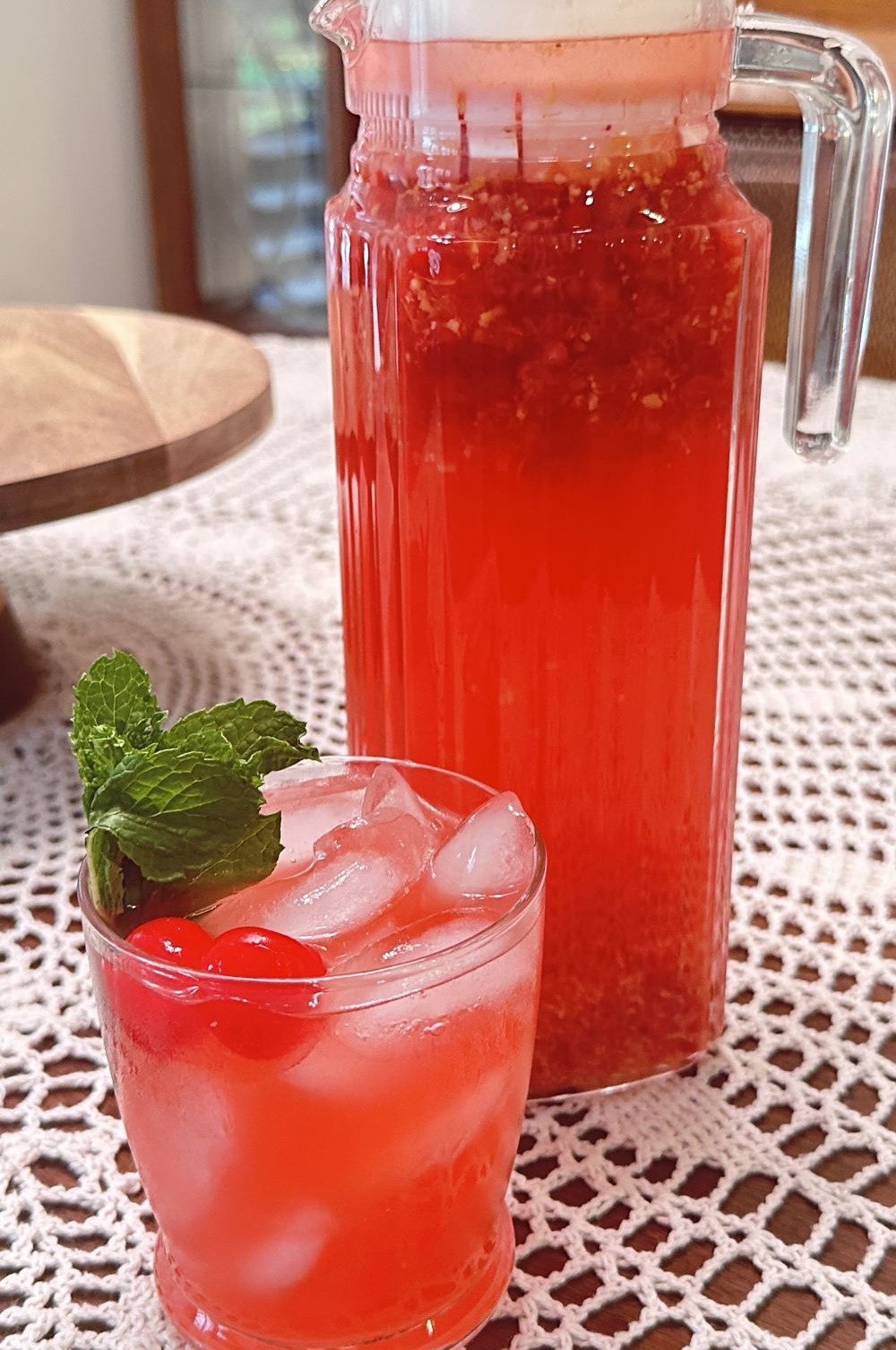
On the technique side, I skipped straining and mixed everything directly in a glass pitcher with a built-in strainer top. It worked just fine. Next time, I am going to try adding the mint straight into the pitcher along with the crushed raspberries, lemon zest, and everything else, and let it all steep together before serving. More flavor, less fuss.
A Lemonade Pitcher Worth Passing Down
Some recipes earn their place in the rotation by being easy. This vintage circus pink lemonade earns its place by being honest: real raspberries, real lemon juice, real cherry flavor, no shortcuts, no dye. That is what has kept it relevant for 70 years.
If you make this recipe for a gathering, a fundraiser, or just a Tuesday afternoon that calls for something special, I would love to hear how it went. Did someone ask you for the recipe on the spot? Did the pitcher disappear before you got a second glass? Leave a rating and a comment below and tell me what the occasion was.






0 comments