
You've probably come across a pineapple upside down cake recipe that promised an easy bake and handed you a cake stubbornly cemented to the pan, a topping that never caramelized, and a crumb so dense you could use it as a doorstop.
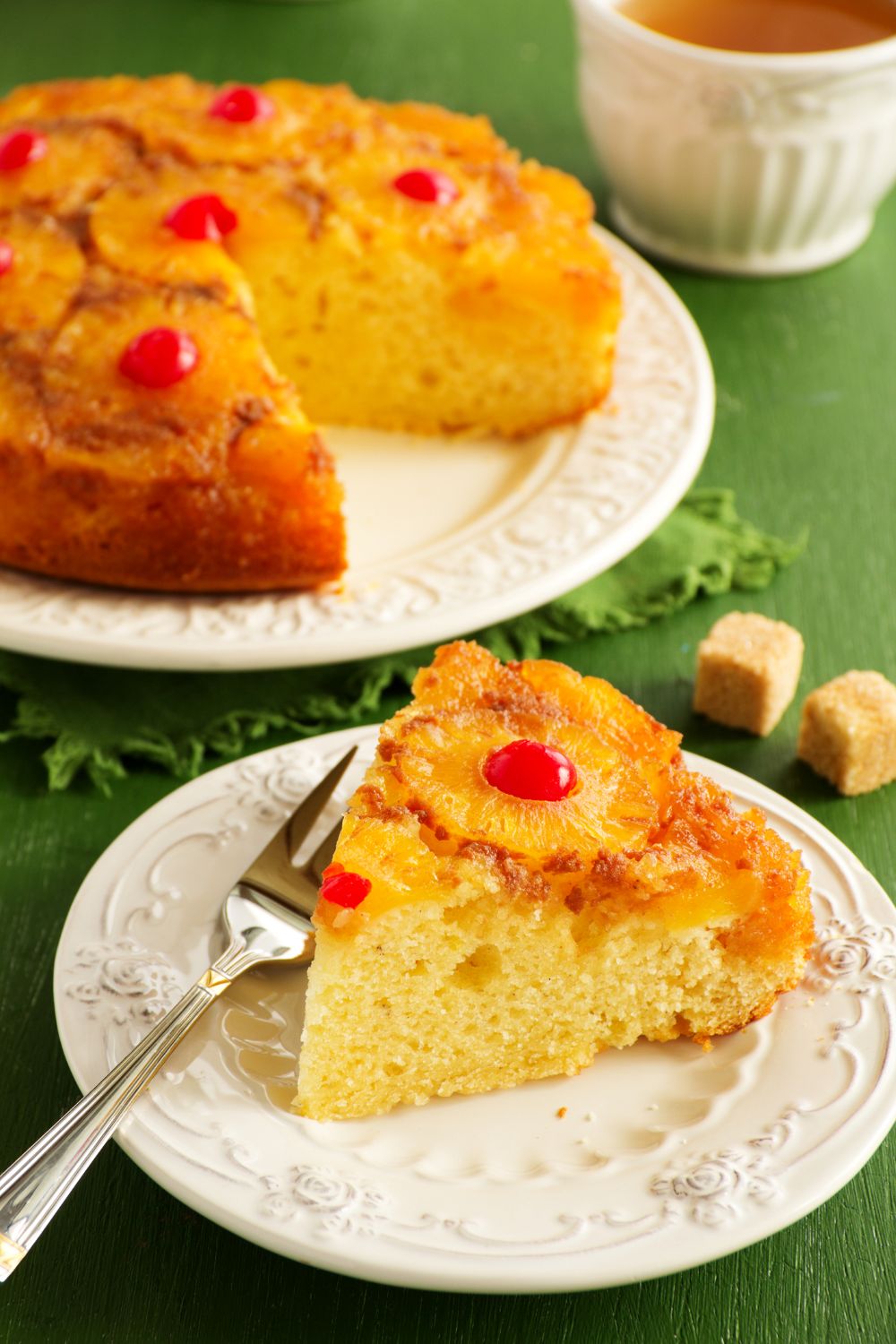
Built on the vintage Dinette Cake batter found in early Betty Crocker cookbooks, this from-scratch version gives you a fluffy, tender vanilla cake and a deeply caramelized pineapple topping that flips out onto your serving platter in one clean, golden reveal.
The hardest part of making this cake is waiting for it to cool long enough to slice. In just about 15 minutes of hands-on time, you will have the pan in the oven and your kitchen will start doing something absolutely wonderful with the smell of brown sugar and pineapple juice meeting hot butter at the bottom of the pan.
The sticky, caramelized pineapple topping and the soft cake beneath it made this the classic dessert that never came back from a potluck with leftovers. Dole's canned pineapple rings had been a grocery store staple since the 1920s, and by the 1950s and 1960s, pineapple upside down cake had become one of the most requested recipes in American home kitchens, turning a pantry-staple cake into the best thing on any table it showed up at.
You might be wondering whether a from-scratch cake batter is really worth the effort when cake mix exists. Here is the short answer: yes, completely. The Dinette Cake batter comes together in a large bowl in five minutes flat, and the texture it produces is genuinely softer and more tender than any cake mix version because of the vegetable oil in the batter. You probably have every ingredient you need right now.
Back in the 1950s and 1960s Kitchen
By 1925, the Dole Pineapple Company had sponsored a recipe contest that received more than 2,500 submissions, and the winning recipe was a pineapple upside down cake. That contest launched a dessert that would show up on American tables for the next century without ever being asked to leave.
By the 1950s and 1960s, with Chevrolets in suburban driveways, Ozzie and Harriet on the television, and church potluck suppers as the social event of the neighborhood, canned pineapple rings were a pantry standard and this cake was a fixture.
Home cooks in that era did not have digital oven thermometers or electric hand mixers on every counter. They trusted the toothpick test, read their ovens by instinct, and passed recipes down on index cards with telltale butter smears across the margins.
The pineapple upside down cake was perfectly suited to that kitchen culture: straightforward enough to make on a weeknight, impressive enough to carry to a gathering in the same 9-inch cake pan it baked in, and delicious enough that the dish came home empty every time.
If summery citrus brightness appeals to you, our 1953 classic lemon sponge cake leans into that same sunny flavor from a completely different angle.
What Makes This Pineapple Upside Down Cake So Good
Dark Brown Sugar Over Light
Most cake recipes call for light brown sugar, and you will get a fine result. But dark brown sugar has a higher molasses content, which creates a richer, deeper caramel at the bottom of the pan with more color and more complexity in every bite.
The brown sugar topping is the first thing people see when the cake flips onto the serving platter, and the difference between light and dark is immediately visible. For the best flavor and the most dramatic presentation, dark brown sugar is the right choice here.
Vegetable Oil Creates a Tender, Soft Cake
Full transparency: the original 1920s pineapple upside down cake called for butter, and if you want to bake it the way Mrs. Robert Davis of Norfolk, Virginia made it for that 1925 contest, butter is the historically accurate choice. The Dinette Cake batter came along later, and when it swapped in vegetable oil, it quietly made the recipe better for everyday baking without anyone filing a formal complaint.
Oil coats flour proteins more thoroughly than butter, which means less gluten development, a softer crumb, and a cake that stays moist long after it comes out of the oven. It is the reason a slice from this recipe on day two still tastes like a soft, fluffy cake rather than something that needs to be microwaved back to life.
Butter will still work if you want to honor the original, and the flavor will lean richer and slightly more complex. Just know going in that you will get a firmer crumb and a cake that is best served the same day. Different results, both delicious, and entirely your call.
The 9-Inch Cake Pan Matters More Than You Think
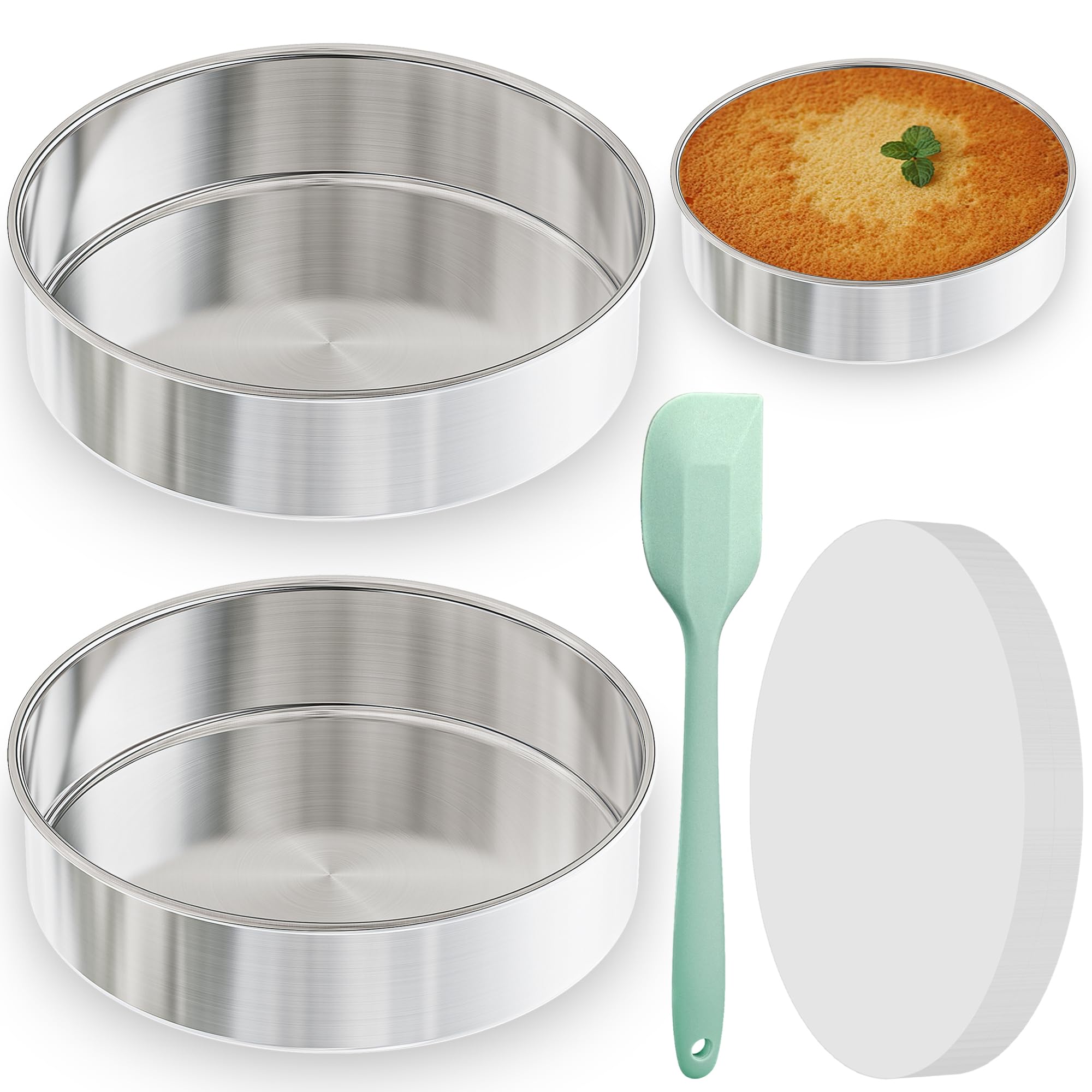
A 9x1½ inch round cake pan 🛒 gives the cake batter exactly the right depth to bake through evenly without over-browning the top of the cake before the center is done. A pan that is too small will cause the batter to overflow in the oven, and a pan that is too large will produce a thin cake that dries out before a wooden pick inserted in the center comes out clean.
Stick with the 9-inch cake pan for consistent results, and resist the temptation to use whatever round pan is already on the counter.
The Pineapple Juice Does Real Work
When you drain your pineapple slices, set aside a tablespoon or two of that pineapple juice rather than pouring it down the drain. A small splash of pineapple juice added to the cake batter in place of an equal amount of milk builds a subtle fruity brightness into the cake itself, so the flavor carries through every layer rather than living only in the topping. It also helps prevent the brown sugar mixture from getting too thick before the batter covers it.
Products I Use to Make This Pineapple Upside Down Cake Recipe
Recipe Rewind is an Amazon Associate and earns from qualifying purchases made through our affiliate links. We don’t run an ad network here because nobody wants a recipe with a side of ads. Instead, we quietly use Amazon links for tools that we actually use in our kitchen and make sense for the recipes we share. If you choose to shop through those links, you help keep these vintage recipes alive and off the endangered list, at no extra cost to you.


Pineapple Upside Down Cake Recipe
Rooted in the vintage Dinette Cake batter tradition found in Betty Crocker cookbooks of the 1960s and 1970s, this classic pineapple upside-down cake recipe pairs a caramelized dark brown sugar and butter topping with a tender, oil-based vanilla cake batter that produces a soft, fluffy crumb and releases cleanly from the pan every time. Dole’s 1925 recipe contest first made pineapple upside-down cake a household staple, and this scratch-made version preserves everything that made the original worth making for the next hundred years.
- Total Time: 60 Minutes
- Yield: 9 Slices 1x
Ingredients
- 1/4 cup butter
- 1/2 cup packed dark brown sugar
- 1 - 8.25 ounce can sliced pineapple rings, drained
- 7 maraschino cherries
- 6 pecan halves
- 1- 1/2 cups all-purpose flour
- 1 cup granulated sugar
- 2 teaspoons baking powder
- 1/2 teaspoon salt
- 2/3 cup milk, at room temperature
- 1/3 cup vegetable oil
- 1 large egg, at room temperature
- 1 teaspoon vanilla extract
Instructions
- Preheat Oven: Heat the oven to 350°F (175°C). Place the butter in a 9×1½ inch round cake pan and set the pan in the oven for 3 to 5 minutes, just until the butter melts completely. Remove the pan carefully.
- Create the Caramel Sauce: Sprinkle the dark brown sugar in an even layer over the melted butter at the bottom of the pan.
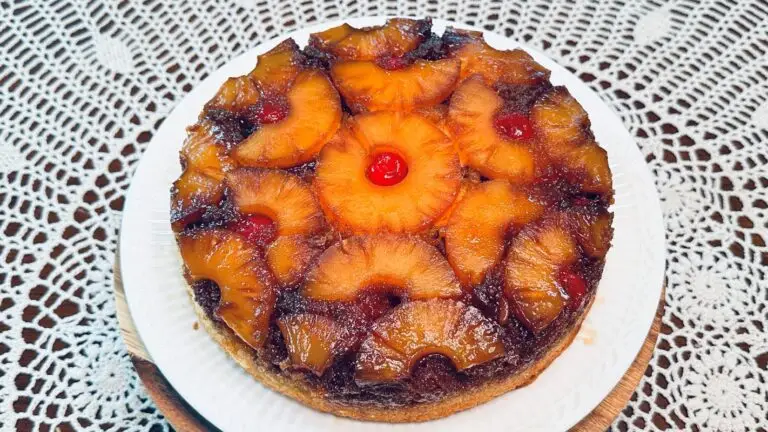
- Arrange Pineapple: Place one whole pineapple ring flat in the center of the pan. Cut the remaining pineapple rings in half and arrange the halves cut sides facing out around the center ring, fitting them snugly.
- Decorate: Place a maraschino cherry in the center of the whole ring and in the curved spaces between the halved rings. Arrange pecan halves in the remaining gaps.
- Mix Dry Cake Ingredients: In a large bowl, whisk together the all-purpose flour, granulated sugar, baking powder, and salt until evenly combined.
- Mix Wet Cake Ingredients: Add the milk, vegetable oil, large egg, and vanilla extract to the dry ingredients. Beat with an electric hand mixer on medium speed, or by hand with a wooden spoon, for one full minute until a smooth, even cake batter forms.
- Prepare to Bake: Pour the cake batter over the pineapple topping in an even layer.
- Bake Cake Batter: Bake for 40 to 45 minutes, or until a wooden toothpick inserted in the center of the cake comes out clean and the edges pull slightly away from the sides of the pan.
- Cool then Flip: Remove the cake from the oven. Allow cake to cool about 10 minutes, then invert the pan onto a heatproof serving platter. Let the pan rest over the cake for 2 to 3 minutes before lifting it away.
- Serving: Serve warm with whipped cream or a scoop of vanilla ice cream.
- Prep Time: 15 Minutes
- Cook Time: 45 Minutes
- Category: Dessert
- Method: Baking
- Cuisine: American
How to Make a Perfect Pineapple Upside Down Cake
Start With Room Temperature Ingredients
Cold milk and a cold egg straight from the refrigerator will cause the cake batter to mix unevenly, leaving patches of dry flour mixture and a slightly grainy texture. Set your egg and milk out about 30 minutes before you begin so they come to room temperature.
Room temperature ingredients blend together smoothly, help the cake rise evenly, and give you a fluffy cake with a level top rather than a dome that needs to be wrestled flat. This is a small step that pays off in a big way.
Arrange the Pineapple Topping With Intention
Place one whole pineapple ring flat in the center of the pan after the brown sugar topping is in place. Cut the remaining pineapple rings in half and arrange the halves cut sides facing out around the center of each pineapple slice placement, fitting them snugly against each other.
Place a maraschino cherry in the center of the whole ring and into the curved spaces between the halved rings. Tuck pecan halves into the remaining gaps. The way your pineapple topping looks in the bottom of the pan right now is exactly what your serving platter will look like after the flip, so take an extra thirty seconds to make it neat.
Mix Dry Ingredients Before Adding Wet
Combine your all-purpose flour, sugar, baking powder, and salt in a large bowl before adding any liquid. Whisking the dry ingredients together first distributes the baking powder and salt evenly through the flour mixture, which is what makes the cake rise properly and taste balanced rather than salty in one bite and flat in another. This step takes about thirty seconds and is the difference between a cake that rises evenly and one that does whatever it wants.
Beat the Cake Batter for One Full Minute
Add your milk, vegetable oil, large egg, and vanilla extract to the dry ingredients and beat for exactly one minute. Using an electric hand mixer 🛒 on medium speed makes this effortless, but a wooden spoon and a little elbow grease works just as well.
One minute gives the cake batter enough structure for a reliable cake rise without overworking the gluten, which would give you a dense, tough crumb instead of the soft cake you are after. Set a timer. This is one of those steps that benefits from not being guessed at.
The Flip Is the Moment of Truth
When a wooden pick inserted in the center comes out clean at around 45 minutes, remove the cake from the oven and set it on a wire rack to rest for 10 to 15 minutes. The caramelized brown sugar topping needs that time to firm up slightly from its liquid state, so when you flip the cake it settles onto the serving platter in one glossy, intact layer instead of running down the sides in a sugary puddle.
After 10 to 15 minutes, place your heatproof serving platter face-down on top of the pan, hold both firmly together, and flip in one confident motion. Let the pan sit over the inverted cake for two to three minutes before lifting it away. That brief wait gives the pineapple topping a moment to release from the bottom of the pan and settle into place on top of the cake exactly where it belongs.
One flip, one clean reveal. You have earned it!
Pineapple Upside Down Cake Recipe Variations, Serving Ideas, & Storage
Recipe Variations
Pin This Pineapple Upside Down Cake Recipe For Later
Frequently Asked Questions
Pineapple upside-down cake sticks to the pan when the caramelized brown sugar topping has cooled too long and hardened before the cake is flipped. Once that caramel fully sets, it grips the bottom of the pan and will not release cleanly no matter how much coaxing you apply.
The goal is to catch it at the right moment: 10 to 15 minutes out of the oven, when the topping has firmed up just enough to hold its shape but is still warm enough to release in one smooth layer.
Flip too soon and the liquid caramel runs down the sides of the cake. Flip too late and it locks itself to the pan. Set a timer for 10 minutes, place a heatproof serving platter face-down over the pan, hold both firmly together, and flip in one confident motion.
You can substitute a yellow cake mix for the scratch cake batter in this pineapple upside-down cake recipe, but the texture will be noticeably different. Scratch cake batter made with vegetable oil produces a softer, more tender crumb that complements the sticky pineapple topping without competing with it. A cake mix tends to produce a bouncier, more uniform texture that works fine but lacks the particular softness that makes the vintage recipe worth making from scratch.
Fresh pineapple works fine in this pineapple upside down cake recipe with one important preparation step. Pat fresh pineapple slices very thoroughly dry with paper towels before arranging them in the pan, because fresh pineapple releases significantly more moisture than canned during baking. If you skip this step, the excess liquid can prevent the brown sugar topping from caramelizing properly and leave the bottom of the pan soupy instead of golden.
Dark brown sugar has a higher molasses content than light brown sugar, which creates a richer, more deeply colored caramel at the bottom of the pan with noticeably more complexity in the finished flavor.
Light brown sugar will still produce a good pineapple upside-down cake, but the brown sugar topping will be lighter in color and slightly less layered in taste. For the best flavor and the most visually striking presentation on your serving platter, dark brown sugar is the better choice.
No additional greasing is needed beyond the butter that melts directly in the pan as part of the pineapple topping. The melted butter coats the entire bottom of the pan and acts as the release agent when you invert the cake.
Just make sure the butter is fully melted and spread in an even layer before you sprinkle the brown sugar on top of it, and the cake will release cleanly onto your serving platter.
Your pineapple upside down cake is done when a wooden toothpick inserted in the center of the cake comes out completely clean with no wet batter clinging to it. The edges of the cake will also pull slightly away from the sides of the 9-inch cake pan, and the top of the cake will feel firm but spring back gently when pressed with a fingertip.
Baking time is about 45 minutes at 350°F, but since oven temperatures vary, checking at the 40-minute mark is a smart habit. An oven thermometer will tell you whether your oven runs hot or cool, which can make a real difference in the final result.
Pineapple upside-down cake is best made and served on the same day for optimal texture and presentation. The caramelized pineapple topping stays glossy and tender on baking day, but it softens and becomes slightly wet overnight as the moisture from the pineapple continues to release.
If you need to prep ahead, bake the cake the morning of your event and serve it at room temperature that evening for a result very close to fresh-baked.
Adding a tablespoon or two of the reserved pineapple juice to the cake batter builds a subtle pineapple flavor throughout the cake rather than just in the topping.
Replace an equal amount of milk with the pineapple juice so the total liquid in the batter stays consistent. Next time you want a more pronounced pineapple flavor in every bite, this is one of the easiest adjustments you can make to the recipe without changing anything else.
The ideal pan for this pineapple upside-down cake is a 9x1½ inch round cake pan, but a 9-inch round pan with higher sides will also work without any batter adjustments.
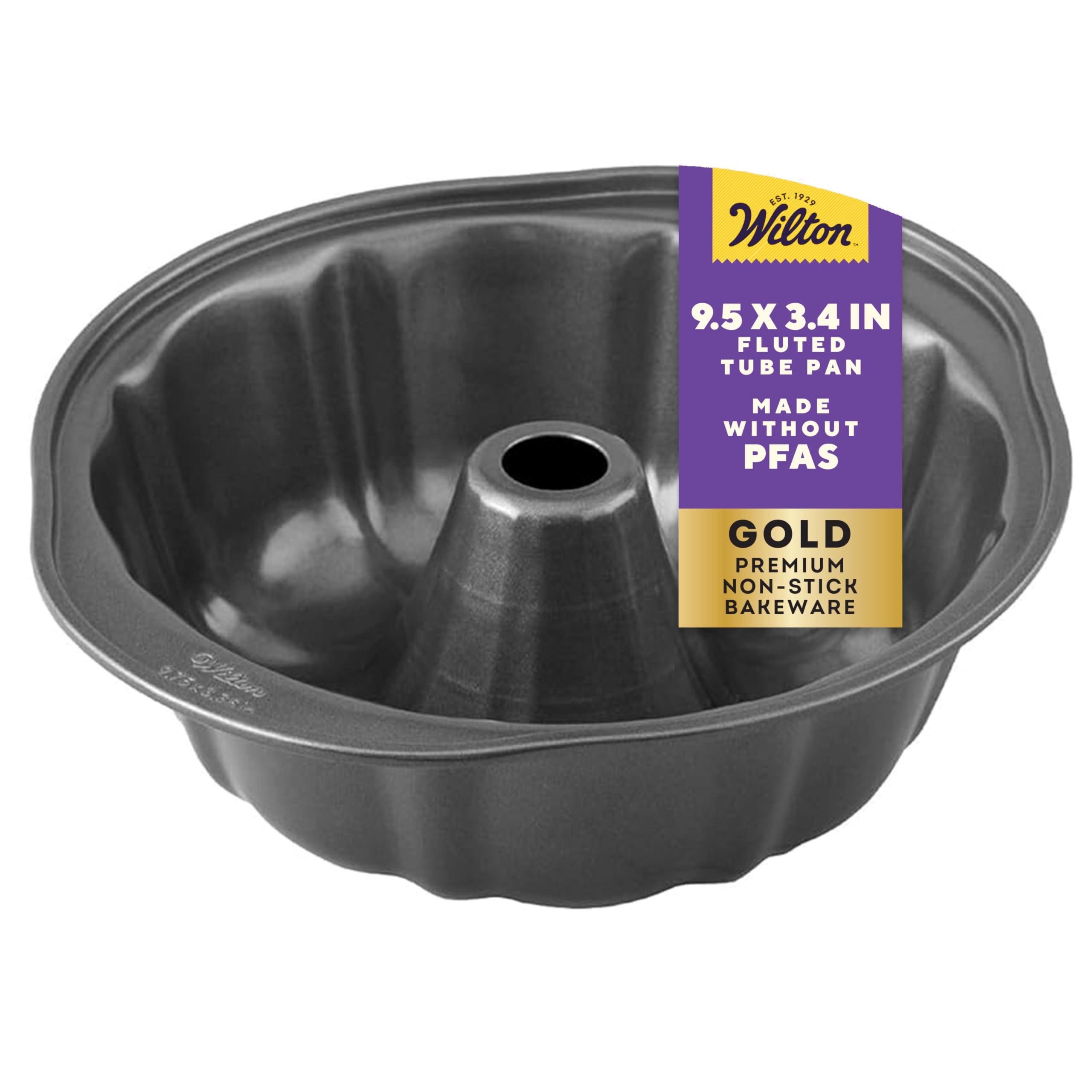
A smaller pan risks overflow, and a larger pan will produce a thinner cake that over-bakes before the center is done. For a dramatically different presentation that still uses the same recipe, a generously greased bundt pan will create a showstopper version worth making for special occasions.
A Slice Worth Saving
Some classic desserts earn their place at the table through decades of potluck gatherings and birthday dinners, and this pineapple upside down cake is exactly that kind of cake. The caramelized pineapple topping, the bright maraschino cherries, the soft and fluffy vanilla cake beneath it all: one bake and you will understand completely why home cooks were still pulling this pan out of the oven forty years after Dole first made it famous.
If you make this pineapple upside down cake recipe, please leave a rating and a review below. And tell me: what vintage cake recipe have you been meaning to try but keep talking yourself out of? I would genuinely love to know.


0 comments