
This easy vanilla buttercream frosting recipe follows the classic American method of beating butter, powdered sugar, and cream into a smooth, spreadable icing. A simple 4-to-1 sugar-to-butter ratio with adjustable cream makes one batch sturdy enough for piping, soft enough for filling, and smooth enough for spreading, with a quick cocoa swap turning it into chocolate buttercream.
In 1996, I was a young mother with two kids under six and absolutely no idea what I was doing in the kitchen. My Taste of Home subscription became the trusted source I leaned on for everything, and I can't remember a single recipe from it ever letting me down, including the vanilla buttercream frosting recipe I still make today.
Between birthdays, preschool treats, holiday parties, and potlucks, we had a reason to make cake or cupcakes more often than not, and my kids made it clear early on that grocery store frosting wasn't going to cut it. So we made our own, and over the years I swapped the milk for heavy cream and slowed the sugar down instead of dumping it in all at once.
What came out the other side pipes clean onto a layer cake, spreads soft over sheet cakes, and still sits on top of my Black Chocolate Cake today.
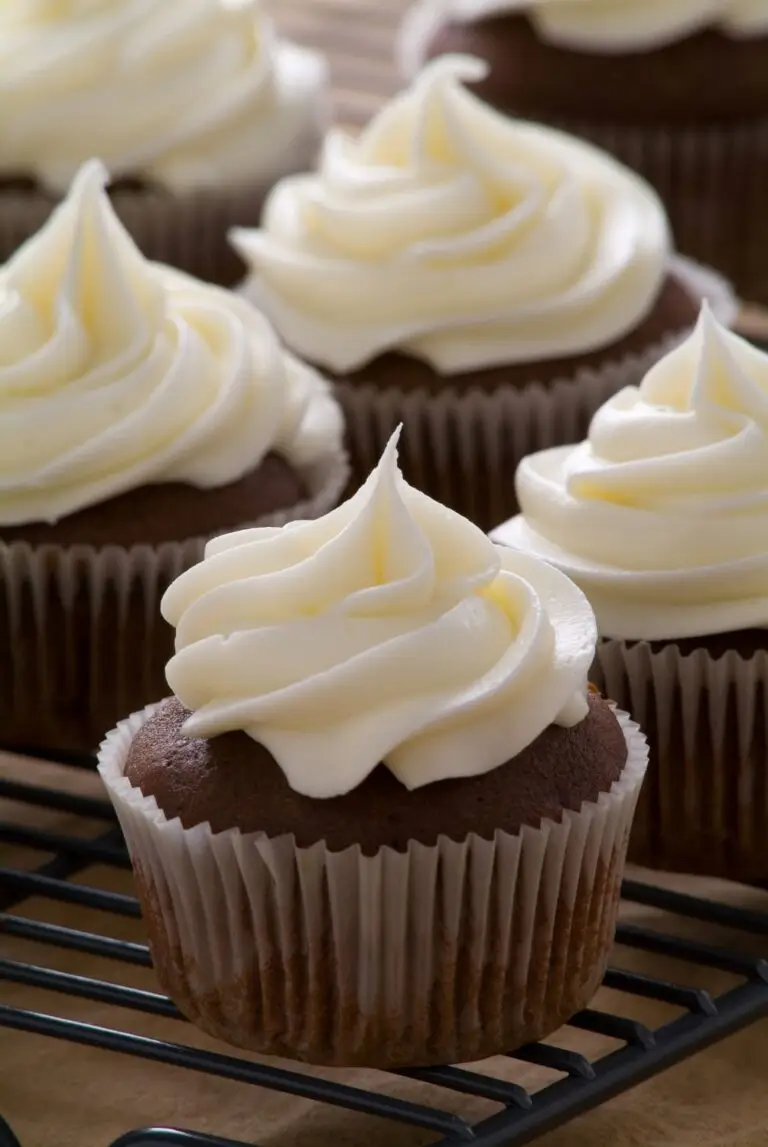
Vanilla Buttercream Frosting Recipe
This vanilla buttercream frosting recipe creams butter and confectioners’ sugar together, then loosens the mixture with heavy cream added gradually on low speed for a smooth, non-grainy texture. It holds its shape well enough for piping decorative borders and rosettes, yet spreads easily enough to finish a layer cake or sheet cake. This versatile frosting works equally well on birthday cakes, cupcakes, and chocolate layer cakes.
- Total Time: 15 minutes
- Yield: 3 cups 1x
Ingredients
- 1 cup unsalted butter, room temperature
- Pinch of salt
- 1 tablespoon vanilla extract
- 4 cups powdered sugar
- 3 to 5 tablespoons (or more) heavy cream, room temperature
Instructions
- Start with room temperature butter: Set the butter out ahead of time so it gives a little when you press it, usually 30 to 45 minutes on the counter. Cold butter won’t cream properly, so don’t rush this part.
- Cream the butter first: In a large bowl, beat the butter and a pinch of salt on medium-high speed for about 5 minutes, until pale and smooth. Scrape down the sides of your bowl halfway through so nothing gets left behind.
- Add the sugar low and slow: Drop the mixer to low speed and add the powdered sugar a half cup at a time, alternating with 3 to 5 tablespoons of heavy cream as you go. Stir in the vanilla extract once all the sugar is mixed in, scraping the bowl as needed.
- Whip it fluffy: Bump the mixer to medium-low and beat for 1 more minute, until the frosting turns light and fluffy. For a softer, more spreadable frosting, add extra cream a teaspoon at a time. For piping, keep it as is.
Notes
For a very spreadable frosting, add 6 to 7 tablespoons of cream total instead of 3 to 5. It won’t hold sharp piping details at that consistency, but it spreads beautifully over sheet cakes.
Pin This Buttercream Frosting Recipe For Later

How Old Is This Buttercream Frosting Recipe?
This vanilla buttercream frosting recipe traces back to a 1996 Taste of Home cookbook, where the original called for equal parts shortening and butter before I reworked into the all-butter version used here.
An old newspaper clipping shows the basic combination goes back much further than that. Buttercream itself almost certainly predates that clipping by decades, if not longer, but tracing its full history is a project for another post; this article sticks to what's documented for this specific recipe.

Butter-Cream Frosting recipe, Morning Advocate Baton Rouge, Louisiana • Sun, Dec 22, 1940
The Same Five Ingredients, Documented in 1940
A Butter-Cream Frosting recipe published in the Morning Advocate on December 22, 1940, in Baton Rouge, Louisiana, listed the same ingredients used in this buttercream frosting recipe today: butter, confectioners' sugar, cream, vanilla, and a pinch of salt. The proportions differ, since the 1940 version made a much smaller batch, but the basic combination has held up for more than 80 years.
Why Powdered Sugar Made This Kind of Frosting Possible
US Patent 1,605,420, filed in 1926 under the plain title "Manufacture of Icing Sugar," engineered a grinding process built specifically to stop sugar from clumping, the same problem this recipe depends on solving. Powdered sugar sold today still carries a small dose of cornstarch, which does double duty: it keeps the bag pourable, and according to food writer Stella Parks at Serious Eats, it helps sugar set into an actual glaze instead of staying sweet, watery paste. That's the quiet reason beating confectioners' sugar into butter turns into frosting instead of syrup.
Where Taste of Home Fit Into My Kitchen
Taste of Home's own About page states that the magazine launched in 1993 out of Reiman Publications in Greendale, Wisconsin, built on the idea that home cooks, not professional chefs, had the best recipes worth sharing. By 1996, the magazine had already built a reputation for recipes that worked exactly as written, which mattered enormously to a new mother with two small kids and zero baking confidence.
Why Does This Buttercream Frosting Recipe Turn Out So Smooth?
Creaming the Butter Builds the Base
Beating the butter 🛒 alone for a full 5 minutes before adding any sugar works air into the fat and sets up the structure for everything that follows. The butter goes from yellow and dense to noticeably paler and fluffy looking by the end of that 5 minutes, which is the visual cue I rely on every time.
Low Speed Sugar Prevents a Sugar Cloud
Adding the powdered sugar on low speed, a half cup at a time, keeps confectioners' sugar from puffing out of the bowl and coating your counter (and you). It also gives the sugar time to actually dissolve into the fat instead of sitting there gritty, which is the difference between a smooth frosting and one that tastes sandy on your tongue.
Heavy Cream Over Milk for Richness
Heavy cream contains more fat than milk, and that extra fat helps the frosting stay silky versus watery once it's fully whipped. Swapping in heavy whipping cream instead of milk was one of the first changes I made to the original recipe, and it's the single change that improved the flavor the most.
How to Make the Perfect Buttercream Frosting Recipe
Check the Temperature of Your Butter Before You Start
Press a finger into the butter. If it leaves a light dent without your finger sinking through, it's ready. Butter that's too cold won't cream smoothly and butter that's melted will turn your frosting greasy instead of fluffy, so this step is worth the extra few minutes.
Scrape the Bowl More Than You Think You Need To
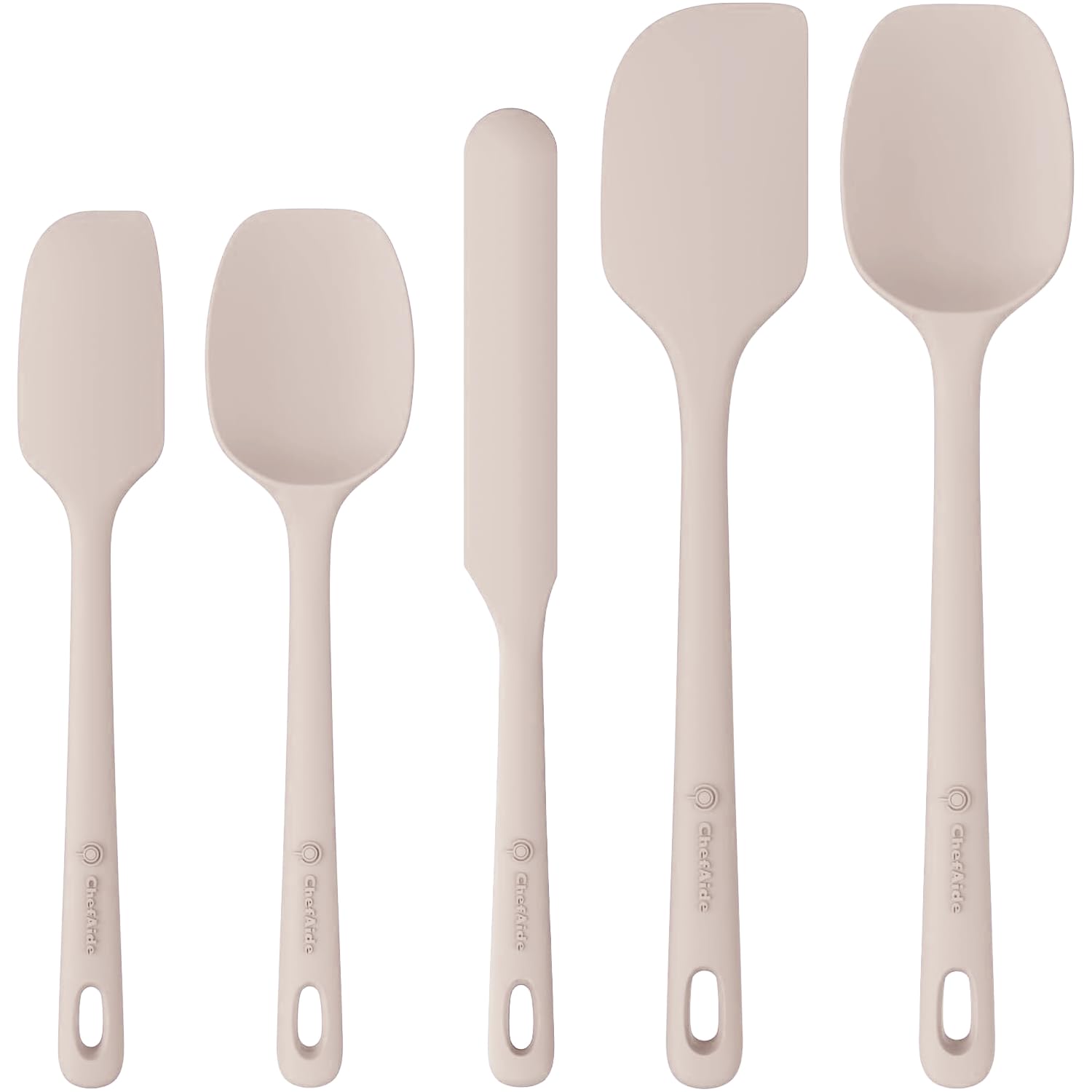
Scrape the bowl a few times during mixing. My silicone spatula 🛒 is the most used tool in my kitchen, and getting into every corner your paddle attachment misses is exactly the kind of job it's built for.
Keep the Cream at Room Temperature
Set your heavy cream out with the butter so both come to room temperature before you start. Cold cream can seize the mixture and leave hard little flecks through the frosting.
Adjust the Cream for the Job You Need
Decide how you plan to use it before you add more cream than the recipe calls for, since it's easy to loosen the frosting further but harder to stiffen it back up.
Add the cream in stages, not all at once, since powdered sugar brand, room humidity, and how long you whipped the butter all change how much liquid this frosting actually needs.
Stop adding cream while it still holds a stiff peak if you're piping borders or rosettes, and keep adding a teaspoon at a time past that point if you want it soft enough to spread or fill between layers.
For piped decorations that need to hold up in a warm kitchen, swap half of the butter for shortening instead of relying on less cream, since shortening's higher melting point keeps detail work from slumping in heat.
Recipe Variations, Serving Ideas, & Storage
Recipe Variations
Each of these different variations follows the same basic method: cream the butter, add sugar low and slow, and adjust cream to taste.
Tools & Ingredients Worth Having For This Recipe
We don’t run an ad network here. Instead, we quietly use Amazon links for tools that we use in our own kitchen and make sense for the recipes we share. If you choose to shop through those links, you help keep these vintage recipes alive and off the endangered list, at no extra cost to you.




Vanilla Buttercream Frosting Recipe Questions, Answered
American buttercream is made by creaming butter (or a butter and shortening combination) with confectioners' sugar and a small amount of liquid, without any cooked egg whites or sugar syrup involved. Swiss and Italian buttercream recipes use a meringue base, which produces a silkier, less sweet frosting but requires more equipment and a candy thermometer. American buttercream stays the more accessible option for home bakers who want a reliable frosting recipe without extra steps.
You can swap up to half the butter for shortening if you want a frosting that holds up better in warm weather or during outdoor events. The tradeoff is flavor. All-butter buttercream tastes noticeably richer, while a butter-shortening combination trades some of that flavor for extra stability.
Grainy buttercream usually means the powdered sugar wasn't fully incorporated before more sugar was added, or the butter was too cold when mixing started. Adding the sugar gradually on low speed and starting with room temperature butter, as described in this recipe, generally solves both problems.
Start by adding 3 tablespoons of cream, then add more gradually from there, a teaspoon at a time. Stop once the frosting holds a stiff peak on the beater if you're piping borders or rosettes, and keep adding cream past that point if you want it soft enough to spread or fill between layers. Powdered sugar brand, room humidity, and how long you creamed the butter all change how much liquid this exact batch needs, so what you see happening in the bowl matters more than hitting an exact tablespoon count.
This buttercream frosting recipe takes gel food coloring well without turning grainy or thin, since gel colors are concentrated and don't add much extra liquid. Add it a little at a time after the frosting reaches its final fluffy texture, mixing on low speed so you don't deflate the air already beaten in.
Salted butter works in this buttercream frosting recipe if unsalted isn't on hand, though the salt content varies by brand, so the finished frosting may taste slightly saltier than intended. Skip the added pinch of salt in the recipe card if you make this swap, then taste before adding any extra.
Give This Buttercream Frosting Recipe a Try
That 1996 Taste of Home book started this whole thing, and every time I make this vanilla buttercream frosting recipe, I think about how many other home bakers have stood at their own counters doing the exact same thing: licking the spatula ... for quality control, of course!
If you give it a try, I'd love to hear how it turns out on your cake of choice, and don't be shy about leaving a rating or a comment below.


0 comments