
Apple slump is an old New England stovetop dessert that pairs simmered tart apples with a soft biscuit topping, essentially apples and dumplings cooked together in a single covered pot. Documented as early as 1831, this method skips the oven and pastry work required by wrapped apple dumplings, producing a tender, saucy dessert.
Most easy apple dumplings online wrap whole apples in crescent roll dough and bake them in a pan of soda and sugar. I love a shortcut as much as anyone, but this apples and dumplings recipe goes in a different direction, in the New England apple slump tradition with biscuit dough steamed right over cinnamon‑friendly tart apples.
By the time Augtober rolls in, everyone is craving fall flavors even if the weather still feels like late summer. You want something warm and cozy, but turning the oven on for an hour is just too much.
That's where this apples and dumplings recipe shines, because it gives you soft, cinnamon‑friendly apples and tender biscuit topping on the stovetop, the kind of dessert that could sit on a farmhouse table in 1910 and still taste right at home on yours tonight.
If you want the spiced apples without the biscuit topping, cook the fruit through the syrup stage, then serve it the simpler way: spooned warm over a bowl of oatmeal for breakfast, or over vanilla ice cream for dessert. Our stewed apples recipe walks through that stripped-down version step by step.
In 1910, Apples and Dumplings Was “Slump” in New England

Recipe for Apple Slump published in the Burlington Weekly Free Press, Nov. 17, 1910
New England cooks were not inventing something new when they spooned biscuit dough over stewed apples in 1910. They were adapting an old trick: colonists had taken the English steamed pudding, simplified it for the primitive stovetop equipment available in the colonies, and turned it into "grunt" and "slump", both essentially a dumpling-topped fruit dessert cooked in one pot.
The names split by region rather than recipe. In Massachusetts, cooks called it a grunt, a nod to the sound the fruit made as it stewed. In Vermont, Maine, and Rhode Island, the same dish went by slump instead.
The Name Comes From the Sound and the Landing
A slump earns its name twice over. As the fruit cooks under its biscuit topping, it makes a soft, grunting bubble that colonial cooks noticed and named on the spot, and once it's spooned onto a plate, the whole thing settles, or "slumps," into a soft heap rather than holding a clean slice. This double meaning is why grunt and slump were used almost interchangeably across 19th-century New England kitchens.

Louisa May Alcott age 20
Louisa May Alcott's Own House Carried the Name
Apple slump was common enough by the mid-1800s that Louisa May Alcott nicknamed her family's Concord, Massachusetts home "Apple Slump," partly as a fond reference to the favorite dessert and partly as a wry joke about the financial collapse of Fruitlands, the utopian community her father had run before it.
The earliest recorded use of "apple slump" in American Regional English dates to 1831, a year before Alcott was even born, which places this dessert firmly in New England kitchens for at least seven decades before this 1910 recipe was printed.
What Made the 1910 Version Familiar, Not New
By the time this particular Apple Slump recipe appeared in 1910, the format had barely changed from what Alcott's own household would have recognized: tart apples on the bottom, a soft baking-powder dough spooned over the top, and either a covered stovetop steam or an open oven bake until the topping turned golden and set.
Grunts and slumps had also started their slow fade by the late 19th century, as cobblers and crumbles began edging into the same dessert territory, which is part of why this humble dish deserves a second look now rather than staying buried under flashier names.
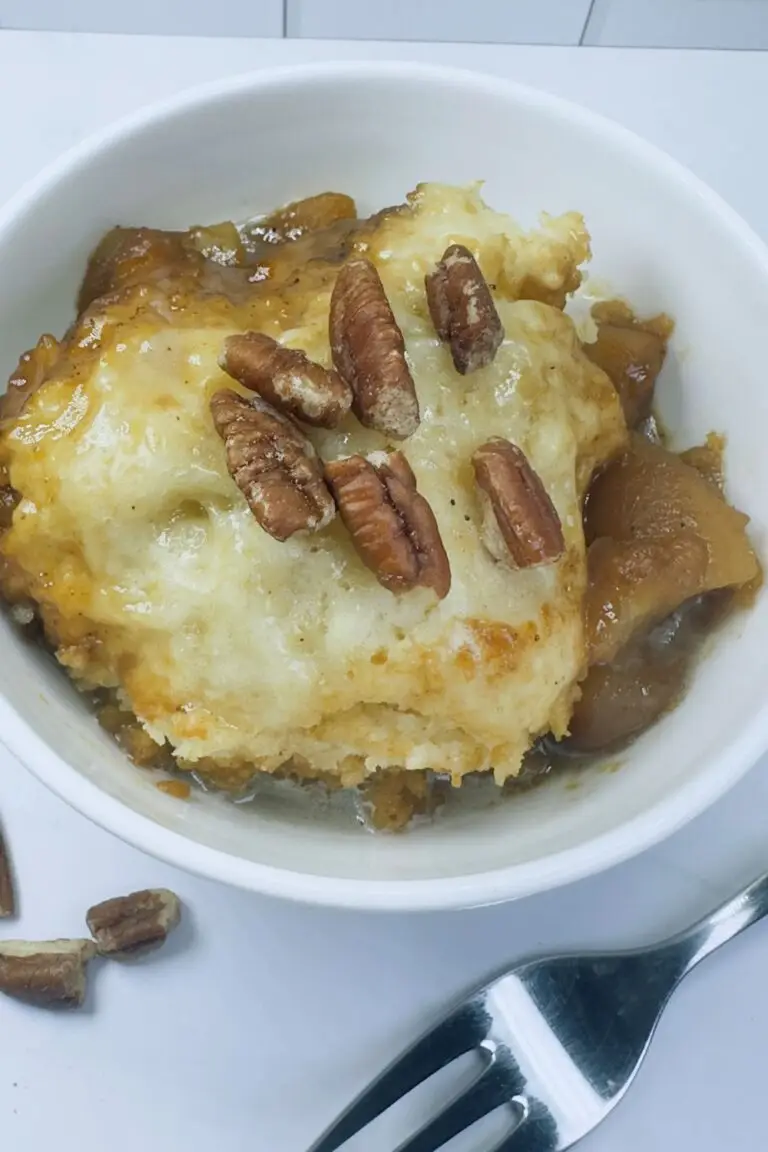
Apples and Dumplings – 1910 Apple Slump
Adapted from a 1910 recipe, this apples and dumplings dessert cooks tart apples and biscuit dough together on the stovetop for a cozy, old‑fashioned sweet treat. The apples simmer in molasses until tender, then get topped with spoonfuls of soft biscuit dough that steam into fluffy dumplings. A simple hot butter sauce goes over the top so every bite tastes like the best part of apple pie without the pie crust.
- Total Time: 60 minutes
- Yield: 6 servings 1x
Ingredients
- 6 large (or 12 small) tart apples, peeled, cored, and quartered
- 1 cup water
- 1 cup molasses
- 1 teaspoon cinnamon
- 1/2 teaspoon cloves
- 2 cups all-purpose flour
- 2 teaspoons sugar
- 2 teaspoons baking powder
- 6 tablespoons shortening (or cold butter)
- 3/4 to 1 cup milk, plus more as needed
- 1/2 cup unsalted butter
- 1 cup granulated sugar
- 1/2 cup hot milk
- 1/4 teaspoon salt, plus a pinch of nutmeg or vanilla (optional, for depth)
Instructions
- Prep the apples: Peel, core, and cut the apples into quarters or thick wedges so they cook evenly but still hold their shape.
- Simmer the fruit: Place the apple wedges in a large, heavy pot with a tight‑fitting lid. Add the water, bring to a simmer over medium heat, and cook for about 5 minutes, just until the apples begin to soften.
- Build the sweet syrup: Add the molasses, cinnamon, and cloves to the pot and stir gently to coat the apples. Let the mixture simmer for another 5 to 8 minutes, until the apples are tender at the edges but not falling apart and the liquid looks like a thin, spiced syrup.
- Mix the biscuit dough: In a separate bowl, whisk together the flour, sugar, and baking powder. Cut in the shortening or cold butter until the mixture looks like coarse crumbs.
- Add the milk: Pour in ¾ cup milk and stir just until a soft, sticky dough forms, adding a little more milk if needed so the dough is too soft to roll but holds a spoonful shape.
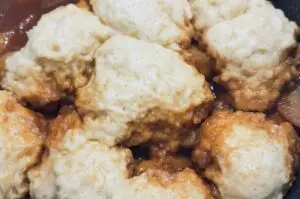

- Steam the dumplings: Drop spoonfuls of dough evenly over the hot apples, leaving small gaps for steam to move through. Cover the pot tightly, reduce the heat to low, and cook for 20 to 25 minutes without lifting the lid. The dumplings are done when a toothpick in the center of one comes out clean.
- Make the butter sauce: While the dumplings steam, beat the butter and sugar together in a bowl until creamy. Just before serving, stream in the hot milk a little at a time, stirring constantly, along with the salt and optional nutmeg or vanilla. Stop as soon as the sauce turns smooth and pourable; you likely won’t need the full ½ cup.
- Serve warm: Spoon the warm apples and dumplings into bowls, making sure each serving gets plenty of fruit and syrup. Drizzle generously with hot butter sauce and serve right away, with a scoop of vanilla ice cream if you like.

Notes
- Use a heavy‑bottomed pot with a tight lid so the apples simmer gently and the biscuit dough steams instead of drying out.
- Resist lifting the lid during the steaming time, since releasing steam can leave you with undercooked dumplings.
- The butter sauce thickens as it stands; if it gets too thick, whisk in a splash of hot milk or water to loosen it just before serving.
Pin This Apple Slump (Apples and Dumplings) Recipe For Later
Why This Apple Slump Recipe Still Works Today
Molasses Builds a Caramel‑Like Sweet Sauce
Using molasses instead of white sugar gives the apples a deeper, almost caramel‑like flavor that holds its own against tart fruit.
The molasses thickens into a sweet syrup as it simmers, so you get cinnamon‑ready apple wedges surrounded by a naturally dark, glossy sauce without extra caramel sauce on the side.
Tart Apples Stay Juicy Instead of Mushy
Granny Smith and other tart apples hold their shape because their acidity keeps the pectin in the apple's cell walls from breaking down too quickly under heat, so the fruit stays structurally intact through the simmer and steam.
Their firm texture also balances the sweet sauce, so you get a bright apple flavor instead of a one-note sugary dessert.
Steamed Biscuit Dough Creates Soft Dumplings
Instead of wrapping whole apples in flaky pastry dough or crescent rolls, this recipe spoons a soft biscuit dough right over the fruit.
As the mixture steams under a tight lid, the baking powder lifts the dumplings and the moist heat keeps them pillowy, giving you all the comfort of old‑fashioned apple dumplings without rolling or crimping pie dough.
Hot Butter Sauce Soaks into Every Bite
The hot butter sauce starts with creamed butter and sugar, then uses hot milk or water to thin it into a pourable sweet sauce. Because it goes on while the apples and dumplings are still warm, it seeps into the top of the dumplings and pools around the fruit, creating the kind of delicious syrup that begs for a scoop of ice cream.
How to Make Perfect Apples Slump Every Time
Choose Firm Tart Apples
Reach for Granny Smith, Pink Lady, or another firm, tart variety, and skip anything that's overripe or feels soft to the touch. Softer apples break down too fast and can turn the base into applesauce instead of tender slices surrounded by sweet syrup.
Keep the Molasses Syrup at a Gentle Simmer
The apples and molasses should stay at a gentle simmer, not a hard boil, so the fruit softens slowly and the sweet syrup thickens without scorching.
If you see aggressive bubbling around the edges of the pot, lower the heat and stir once or twice to keep the apples from catching on the bottom.
Mix a Soft, Sticky Biscuit Dough
The biscuit dough for these apples and dumplings needs to be soft and sticky, similar to a drop biscuit batter instead of a kneadable dough.
If the dough is too stiff, the dumplings will cook up dense instead of pillowy, so add just enough milk for the dough to hold a rounded spoonful shape.
Seal the Lid and Trust the Steaming Time
Perfect apples and dumplings depend on a tightly covered pot so the biscuit dough can steam in the moist heat above the apples.
Once you drop the dough over the fruit and put the lid on, resist lifting it during the 20 to 25 minute cook time or the dumplings can stay raw in the center.
Make the Butter Sauce Right Before Serving
The butter sauce for apples and dumplings is at its best when it is freshly made, glossy, and still warm.
Beat the butter and sugar together while the dumplings steam, then stir in hot milk or water just before serving so the sauce can soak into the top of the dumplings and pool around the fruit.
Serve Warm with a Little Contrast
Apples and dumplings are meant to be served warm so the biscuit topping stays tender and the sweet syrup flows around the fruit.
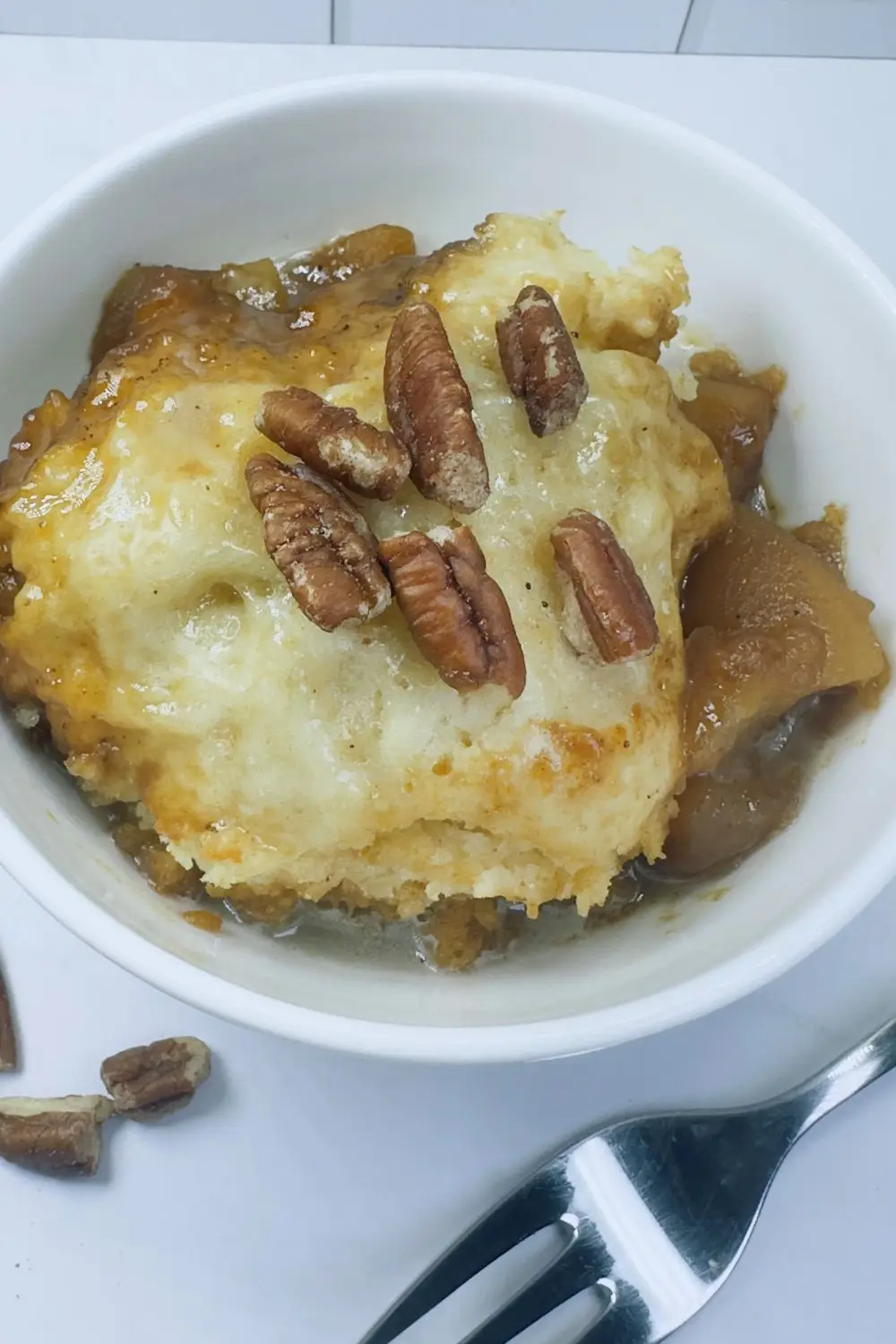
Pair each bowl with a scoop of vanilla ice cream or lightly sweetened whipped cream if you want a temperature contrast that makes the apple flavor pop even more. For added texture, top with chopped walnuts or pecans (this is my favorite way to serve apple slump).
Apple Slump vs Traditional Wrapped Apple Dumplings
Apple Slump | Wrapped Apple Dumplings | |
|---|---|---|
Dough | Drop biscuit dough spooned on top | Crescent roll dough or pie dough wrapped around whole apples |
Apples | Peeled, cored, and quartered | Whole apples, cored |
Cooking Method | Simmered on the stovetop, covered | Baked in a baking dish until golden brown |
Sauce | Hot butter sauce poured on after | Caramel sauce or caramel-like sauce baked in |
Best For | Cooks who want to skip pastry dough entirely | Cooks who enjoy working with flaky pastry or puff pastry |
Tools & Ingredients Worth Having For This Recipe
We don’t run an ad network here because nobody wants a recipe with a side of ads. Instead, we quietly use Amazon links for tools that we actually use in our kitchen and make sense for the recipes we share. If you choose to shop through those links, you help keep these vintage recipes alive and off the endangered list, at no extra cost to you.


Last update on 2026-11-19 at 12:22 / Affiliate links / Images from Amazon Creators API
Recipe Variations, Serving Ideas, & Storage
Recipe Variations
Frequently Asked Questions
Apple slump uses a soft, drop biscuit dough spooned over simmered apples and cooked entirely on the stovetop, while traditional apple dumplings wrap whole apples in a pastry dough, crescent roll dough, or pie dough and bake them in a baking dish until golden brown. Both recipes fall under the same "apples and dumplings" idea, but the technique and final texture are quite different.
This apple slump recipe depends on a wet, sticky biscuit dough that steams through under a tight lid, so crescent roll dough or crescent dough won't hold up the same way on the stovetop. If you want a crescent-dough version, look for a baked, wrapped apple dumpling recipe instead, since that method is built around oven baking rather than steaming.
Doughy dumplings almost always mean the lid came off too early or too often during the 20 to 25 minute steam. Every time steam escapes, the pot loses the heat needed to finish cooking the center of each dumpling, so keep the lid on the entire time and resist checking.
Green apples, Granny Smith apples, and other tart apple varieties all work well here since their firmness holds up through the simmer without turning to mush. Sweeter apples like pink lady can work too, though you may want to reduce the molasses slightly to keep the final flavor balanced.
Apple slump keeps for up to 3 days in the refrigerator when stored in an airtight container, though the biscuit topping will soften more with each passing day. Reheat individual portions gently on the stovetop or in the microwave rather than the oven, since the oven tends to dry out the biscuit topping further.
Apple slump does not freeze well, since the biscuit topping and molasses sauce both change texture once thawed. It's best made fresh or refrigerated for a few days rather than stored long term in the freezer.
Sugar substitutes can work in the butter sauce in a pinch, though the texture won't set up quite as smoothly as it does with real granulated sugar, since sugar plays a structural role in the sauce beyond just sweetness. If you're testing sugar substitutes, start with a granulated blend rather than a liquid substitute for the closest texture match.
Cold butter is a good option in place of shortening and many home cooks prefer the flavor it adds to the dumplings. Cut it into the flour the same way you would shortening, working quickly so it stays cold and creates the same light, tender crumb.
Bring These Apples and Dumplings Back To Your Table
When you spoon these apples and dumplings into bowls, you’re not only serving an easy apple dessert, you’re keeping a 1910 apple slump alive in a modern kitchen. The same way benne wafers at a Charleston market carry generations of Lowcountry history, this little pot of fruit and biscuit dough connects you to New England cooks who turned simple apples into something special without ever touching a pie plate.
If this recipe earns a spot at your table, I’d love to hear how you served it and which apples your family fought over first. Don’t forget to leave a rating and a short review so other readers know this old recipe is worth reviving.