

This pumpkin waffles recipe traces to 1919 and calls for whipped egg whites folded into a spiced pumpkin batter for real lift. Cooked on a modern electric iron instead of a 1919 cast-iron stovetop model, it bakes into crisp-edged, genuinely fluffy homemade pumpkin waffles with deep, warm spice flavor.
This pumpkin waffles recipe takes a spiced 1919 pumpkin batter, egg whites whipped separately and all, and cooks it on a modern electric waffle iron 🛒 instead of the cast-iron model that would have sat on a 1919 stovetop. The result keeps the original technique intact and simply swaps a stovetop iron heated by open flame for one with steady, thermostat-controlled heat.
I found this 1919 pumpkin batter recipe while digging through old newspaper archives, whipped egg whites and all, already smart for its time. The smell of cinnamon and ginger hitting a hot iron is unmistakable, and the sound of steam escaping the lid still gets me every single time.
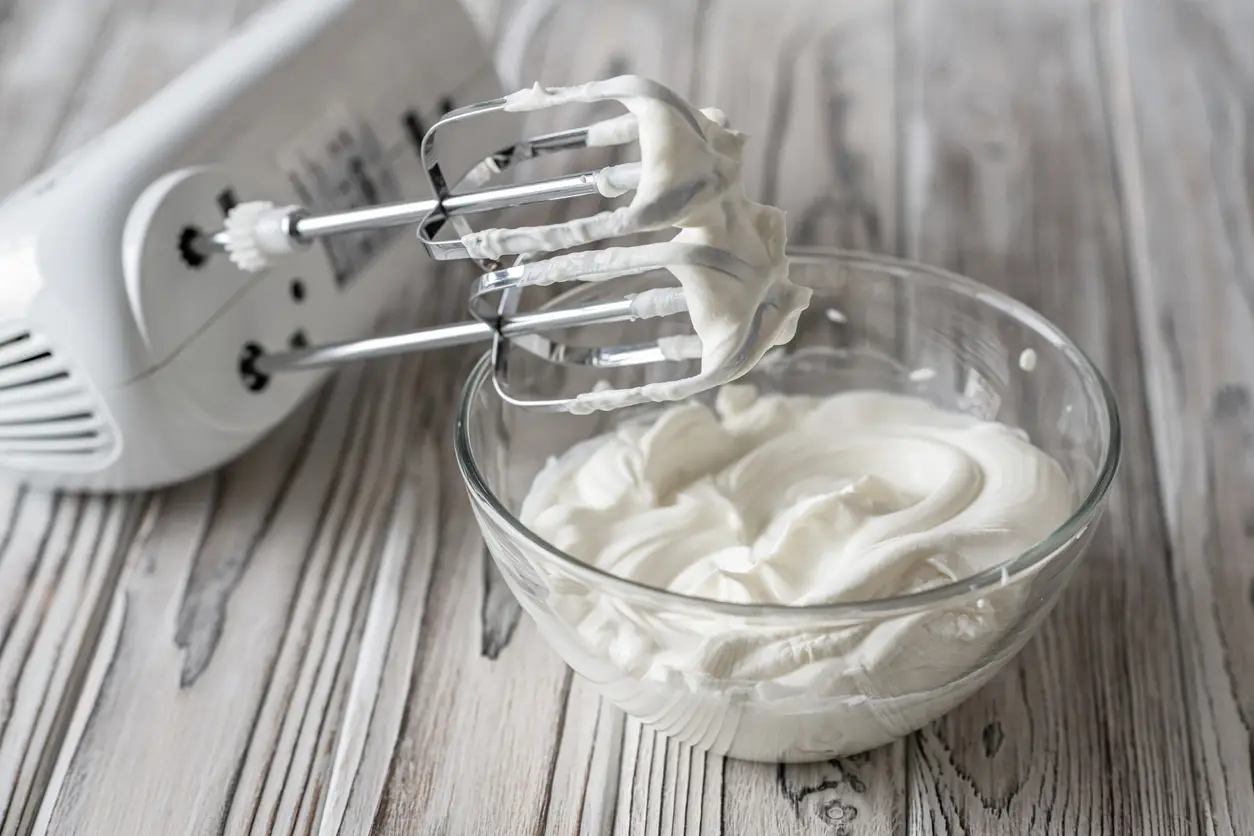
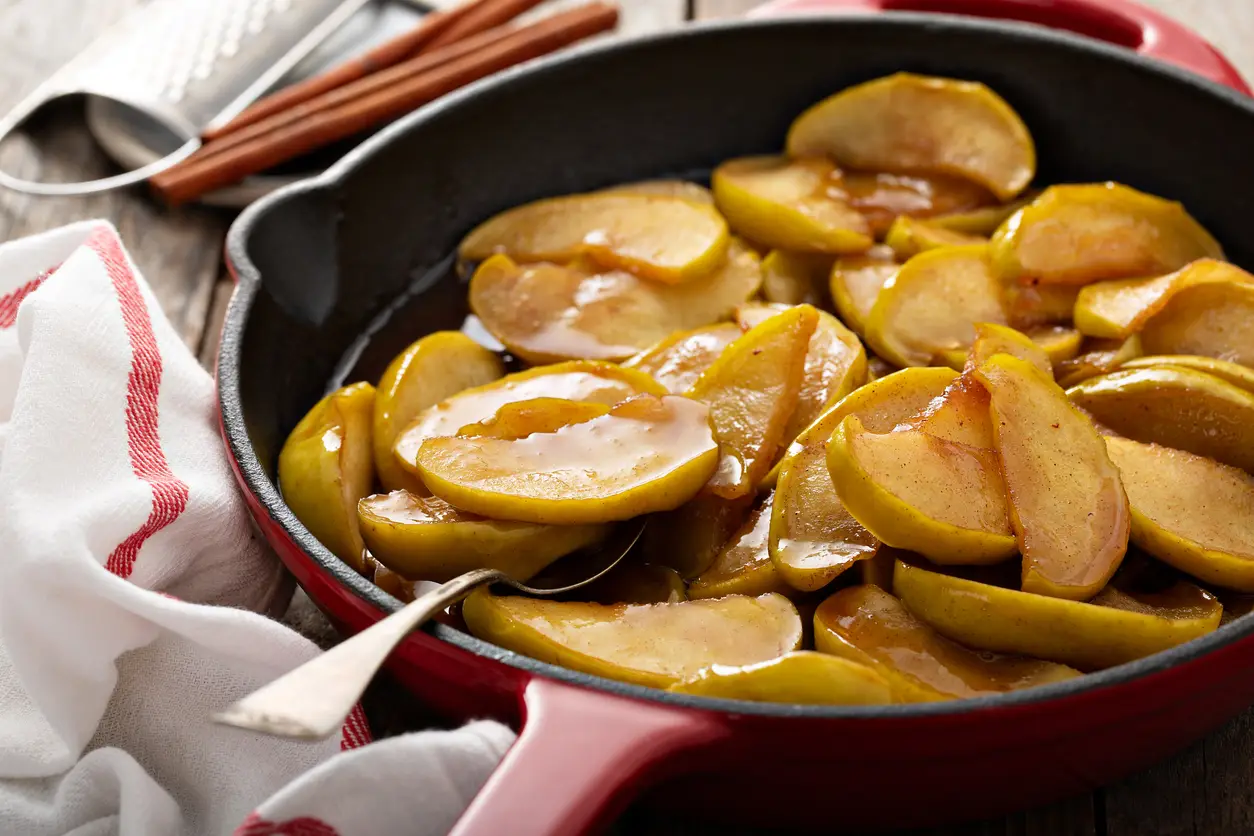
This one earned its place in our fall recipe collection fair and square, especially topped with a dollop of homemade whipped cream or brandy whipped cream, and a spoonful of warm stewed apples.

Back in October 1919, When Pumpkin Kept Grocery Bills Honest
In October 1919, America was still catching its breath. It was less than a year removed from the end of World War I and the 1918 influenza pandemic, which had killed roughly 675,000 people in the United States alone.
On October 28, the Senate voted 65 to 20 to override President Wilson's veto of the Volstead Act, setting a firm countdown to nationwide Prohibition, while that same month the Black Sox scandal shook public trust in a way that had nothing to do with breakfast.
Why Food Prices Kept Climbing After the War Ended
Food prices kept climbing through 1919 because the government had financed the war mostly through borrowing rather than taxes, nearly doubling the money supply between 1914 and 1919 while the economy grew by only about a quarter.
Once wartime price controls lifted, businesses restocking and workers demanding cost-of-living raises pushed prices even higher, and newspapers gave the crisis a name families used constantly that fall: the "High Cost of Living."
Why Families Kept Their War Gardens Growing Into 1919

Families kept their war gardens growing into 1919 because the National War Garden Commission specifically urged Americans to continue after the armistice, turning wartime "liberty gardens" into a tool against the high cost of living instead of a wartime sacrifice.
A homegrown pumpkin cost nothing but dirt, seed, and patience, and it stretched through soup, pie, and a pumpkin waffles recipe like this one long after the tomatoes were gone. That's the same math plenty of home cooks are doing again today, just with a raised bed instead of a war garden pamphlet.
Waffle Irons Were Already a Kitchen Staple
Waffle irons were nothing new to a 1919 kitchen. Cast-iron models with deep, grid-style patterns had already replaced the older, wafer-thin irons once cooks started using leavened batter, so a 1919 grid actually looked a lot like a modern one. What was new, and still rare, was the electric version, since General Electric had only begun commercial production in 1918, so most households were still heating a cast-iron iron directly on a stovetop instead of plugging one in.
1919 Pumpkin Waffles Recipe
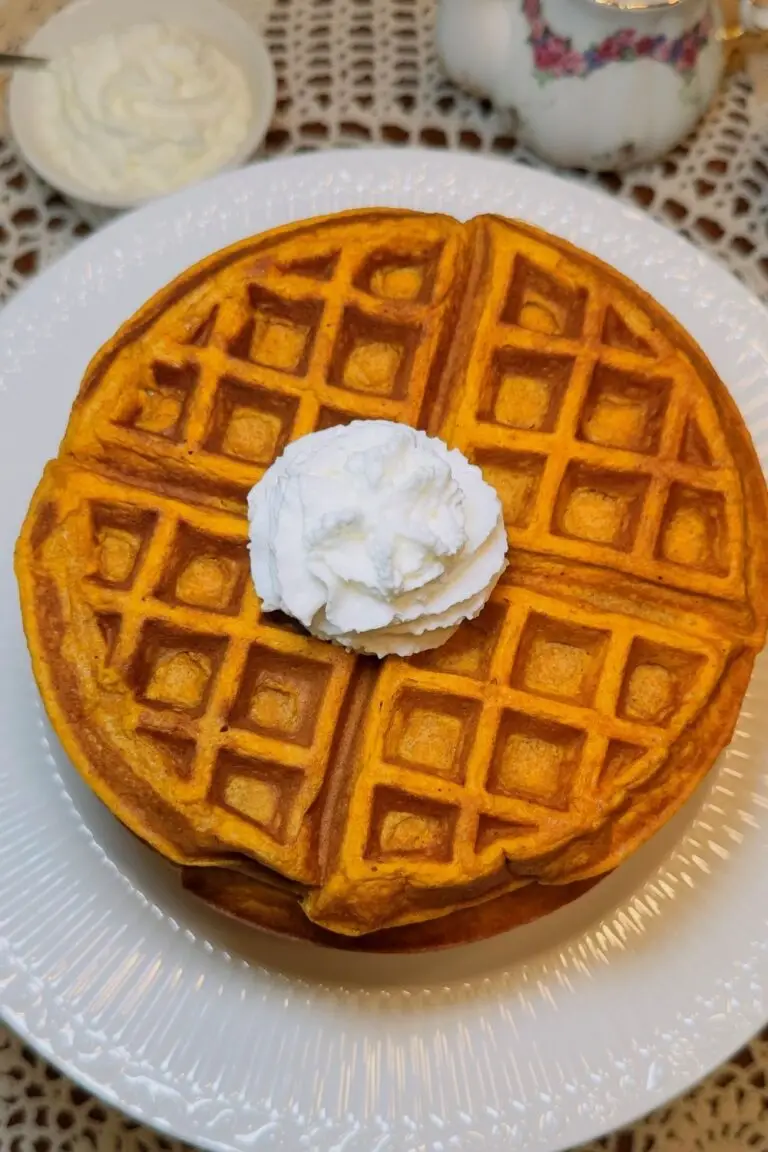
This pumpkin waffles recipe pairs a 1919 spiced pumpkin batter, which already called for whipped egg whites, with a modern electric waffle iron instead of the cast-iron stovetop model a 1919 kitchen would have used. Electric waffle irons had only entered commercial production in 1918, so the real update here is steady, thermostat-controlled heat, not a deeper grid, and the whipped egg whites do the same job they always did.
- Total Time: 35 minutes
- Yield: 5 waffles 1x
Ingredients
- 3/4 cup pumpkin puree
- 1 teaspoon molasses
- 1/2 teaspoon salt
- 1/2 teaspoon ground cinnamon
- 1/2 teaspoon ground ginger
- 3 large egg yolks, lightly beaten
- 1 cup all-purpose flour
- 2-1/2 teaspoons baking powder
- 1 tablespoon granulated sugar
- 1 cup whole milk
- 3 tablespoons melted butter or shortening
- 3 large egg whites, whipped to stiff peaks
Instructions
- Get your bowls and iron ready: Preheat your waffle iron before you mix anything, since it needs several minutes to reach full heat. Set out three bowls: one for the pumpkin mixture, one for sifting the flour mixture, and one for whipping egg whites.
- Build the pumpkin base: Whisk together the pumpkin, molasses, salt, cinnamon, ginger, and egg yolks until smooth and evenly colored, with no streaks of yolk visible.
- Sift and combine: Sift together the flour, baking powder, and sugar, then add to the pumpkin mixture in two or three additions, alternating with the milk and melted butter or shortening. Stir just until the flour disappears and the batter looks glossy and thick, like pancake batter with a little more body.
- Whip and fold, don’t stir: Whip the egg whites to stiff peaks that hold their shape when you lift the whisk out. Fold them into the batter in two additions using a spatula, cutting through the middle and sweeping around the edges rather than stirring.
- Pour with confidence: Grease your hot iron well (I use cooking spray), then pour ¾ cup of batter per well and let it spread on its own before closing the lid.
- Close the lid and step away: Cook for 4 to 5 minutes, or until your iron’s ready signal. Lifting the lid early tears the top before it’s set, so wait for the signal and lift once, cleanly.
Pin This 1919 Pumpkin Waffles Recipe For Later

What Makes This Pumpkin Waffles Recipe Work
Whipped Egg Whites Build Real Lift
Whipping the egg whites 🛒 to stiff peaks traps tiny air pockets inside a stable protein structure, and folding them into the batter carries that air straight into the waffle iron.
Trapped air expands with heat, giving these waffles their airy interior instead of the dense, gummy crumb you get from stirring whole eggs straight into the batter, which is exactly why the original 1919 version called for this step in the first place.
Molasses Adds Depth Without Extra Liquid
A single teaspoon of molasses brings warm, slightly bitter caramel notes that plain sugar can't replicate, and it does it without adding the extra liquid a syrup would. This is the same trick that gave a lot of 1919-era baking its deeper flavor before brown sugar was the automatic default.
Folding, Not Stirring, Protects the Air
Cutting the whipped whites into the batter with a spatula, rather than stirring, keeps most of those air pockets intact all the way to the iron. Over-mixing at this stage deflates the whites and develops gluten in the flour at the same time, which is exactly how a light batter turns into a flat, tough waffle.
A Deep Grid Pattern Holds More Batter Per Well
A waffle iron 🛒 with a deep grid holds more batter per well, so the edges get more direct contact with hot metal while the center steams gently, producing that classic contrast of browned edges and a tender middle.
Grid-style irons have worked this way since cooks moved away from thin, wafer-style batter, which is exactly the kind of iron this 1919 recipe was written for and the kind a modern electric model still uses today, just with steadier heat.
How to Make Perfect Pumpkin Waffles Every Time
Preheat the Waffle Iron Before You Mix Anything
Turn on your waffle iron before you anything else, since even a modern electric model needs several minutes to reach full heat. A cold or half-heated iron is the fastest way to end up with pale, soft pumpkin waffles instead of ones with real tender, browned edges.
Whisk the Pumpkin Base Until It's Fully Smooth
Whisk the pumpkin, molasses, salt, cinnamon, and ginger with the egg yolks until no streaks of yolk remain and the color is even throughout. This base carries most of the flavor in the whole recipe, so a lazy stir here means a bland bite later, even if everything else goes right.
Stop Mixing When the Flour Disappears
Add your sifted dry ingredients to the pumpkin mixture in two or three additions, alternating with the milk, and stop stirring the second the streaks of flour vanish. Overmixing develops gluten you don't want in a waffle, and it's the difference between a tender bite and a chewy, rubbery one.
Whip the Egg Whites to True Stiff Peaks
Whip your egg whites until they hold their shape firmly when you lift the whisk straight up, not just until they look foamy.
Under-whipped whites won't hold enough air to lift the batter, so your pumpkin waffles recipe ends up flatter and denser than it should be, even though this step comes straight from the original method.
Fold Gently and Stop as Soon as It's Combined
Fold the whipped whites into the batter in two additions, cutting through the center and sweeping around the edges instead of stirring or beating. Every second of extra folding knocks more air out of the batter, so treat this step like the fragile one it actually is.
Resist Opening the Lid Early
Wait for your iron's ready signal before you lift the lid, since checking early tears the top layer before it's set and leaves you with a torn, half-cooked waffle. Most electric irons need 4 to 5 minutes per batch, and that patience is what gives you clean, golden edges instead of a mess.
Tools & Ingredients Worth Having For This Recipe
We don’t run an ad network here because nobody wants a recipe with a side of ads. Instead, we quietly use Amazon links for tools that we actually use in our kitchen and make sense for the recipes we share. If you choose to shop through those links, you help keep these vintage recipes alive and off the endangered list, at no extra cost to you.




Last update on 2026-11-19 at 07:19 / Affiliate links / Images from Amazon Creators API
Recipe Variations, Serving Ideas, & Storage
Recipe Variations
Frequently Asked Questions
You should not cook down the pumpkin puree for this pumpkin waffles recipe the way some pie recipes recommend, since that technique exists to firm up a custard filling, not to adjust a pourable batter. This batter's ratios were tested with pumpkin at its normal consistency, and reducing it further would leave you with a batter too thick to spread properly.
Dense pumpkin waffles almost always mean the egg whites weren't whipped to true stiff peaks, or they got stirred in too roughly and lost their air. Check that your whites hold a firm point when you lift the whisk, and fold them in gently with a spatula instead of a whisk or spoon.
You can make this pumpkin waffles recipe on a stovetop cast-iron iron, which is actually closer to what a 1919 kitchen would have used, as long as you watch the heat carefully since stovetop models don't have a thermostat regulating temperature for you. Rotate the iron or adjust your burner as needed, and expect the total cook time to vary more than it would with an electric model.
Leftover waffles from this pumpkin waffles recipe keep well in the refrigerator for up to 3 days in a sealed zip-top bag, and they freeze for up to 2 months in a freezer-safe bag. A quick trip through the toaster brings back most of the original texture.
Leftover pumpkin waffles work well as a French toast base since their grid pattern soaks up an egg custard fast, so a quick 2 to 3 second dip per side is enough, longer than that and they'll turn soggy instead of crisping up in the pan. Dip cooled waffles briefly in a standard egg and milk mixture, then pan-fry until golden for a next-day breakfast that tastes like a completely different dish.
Pumpkin waffles and pumpkin pancakes share the same core batter ingredients, but a waffle batter runs thicker and richer, with more fat worked in to help create tender, browned edges a flat griddle can't produce. If you're short on a waffle iron, thin this batter with a splash more milk before cooking it as pancakes, since a batter built for a deep grid will sit too heavy on a griddle otherwise.
Always check your waffle iron's manufacturer's instructions first, since preheat times, batter amounts, and cook times vary between brands and models. The times given in this pumpkin waffles recipe reflect a standard electric iron, but your specific iron's ready signal is the most reliable guide you have.
Bring This 1919 Pumpkin Waffles Recipe Into a Modern Kitchen
A century after this batter first came together in a 1919 kitchen, egg whites whipped exactly like this, this pumpkin waffles recipe still earns its spot on a fall breakfast table, high cost of living or not.
It's never too late to start a tradition like this one, even if your first batch happens over a hundred years and one electric upgrade after the original.
If you make these, come back and leave a rating and review below. I really appreciate it!
