
This mac and cheese recipe using Velveeta recreates the version served at F.W. Woolworth's lunch counters, documented in a 1981 newspaper clipping before the dime store chain began its decline. The recipe layers melted Velveeta with sharp Kraft cheese spread, cream of celery soup, and mayonnaise for a richer, more savory take than a basic stovetop version. It bakes into a golden, bubbly casserole that's closer to a retro comfort food side dish than a quick weeknight fix.

This baked Velveeta mac and cheese recipe comes from a November 4, 1981 Jacksonville Journal newspaper clipping titled "Woolworth's Macaroni and Cheese."
The recipe below is exactly as printed with no substitutions!
Most modern versions stop at melted cheese and pasta, but this one layers in cream of celery soup, mayonnaise, and a jar of Kraft sharp cheese spread; it creates a rich & tangy sauce you won't find in a basic box mac & cheese.
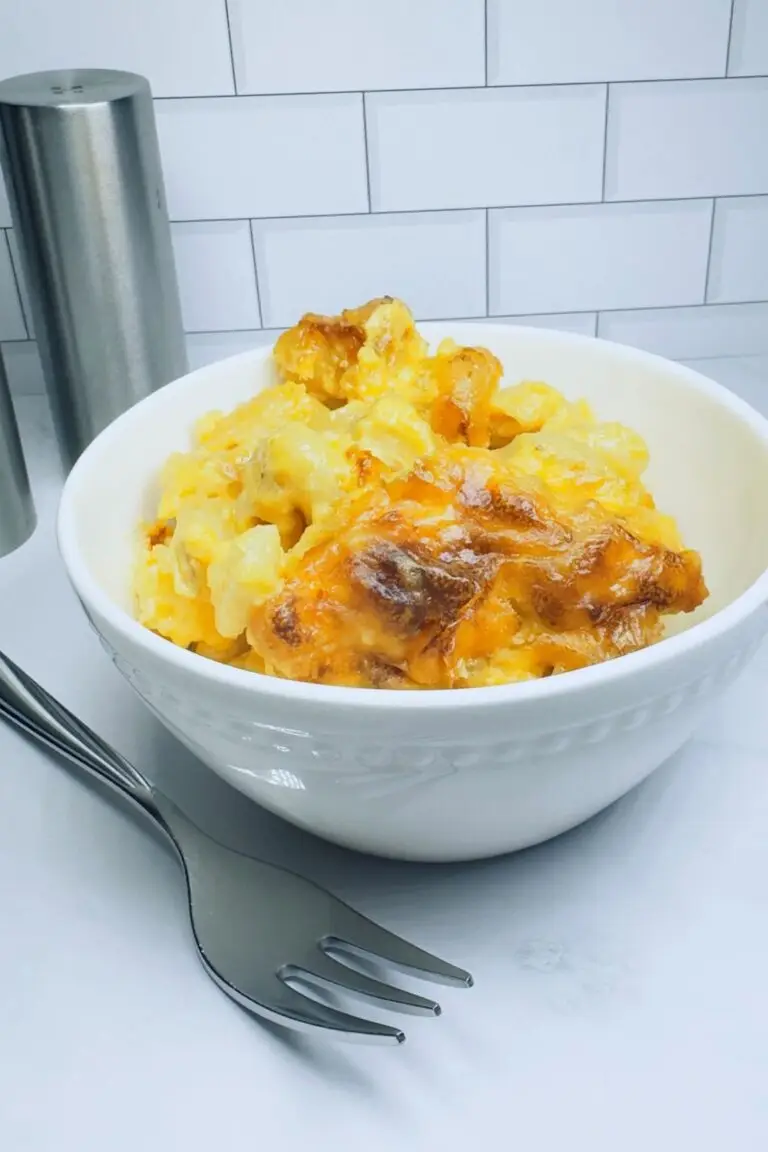
Woolworth’s Lunch Counter Mac and Cheese Recipe
This mac and cheese recipe using Velveeta comes from a 1981 newspaper clipping crediting Woolworth’s lunch counter as its inspiration. It layers melted Velveeta with Kraft sharp cheese spread, cream of celery soup, and mayonnaise for a richer, tangier sauce than a basic stovetop version, then bakes into a golden, bubbly casserole with a soft, custardy texture throughout.
- Total Time: 60 minutes
- Yield: 8 servings 1x
Ingredients
- 7 ounces uncooked elbow macaroni
- 8 ounce package Velveeta cheese
- 1/2 cup milk
- 1 stick of butter
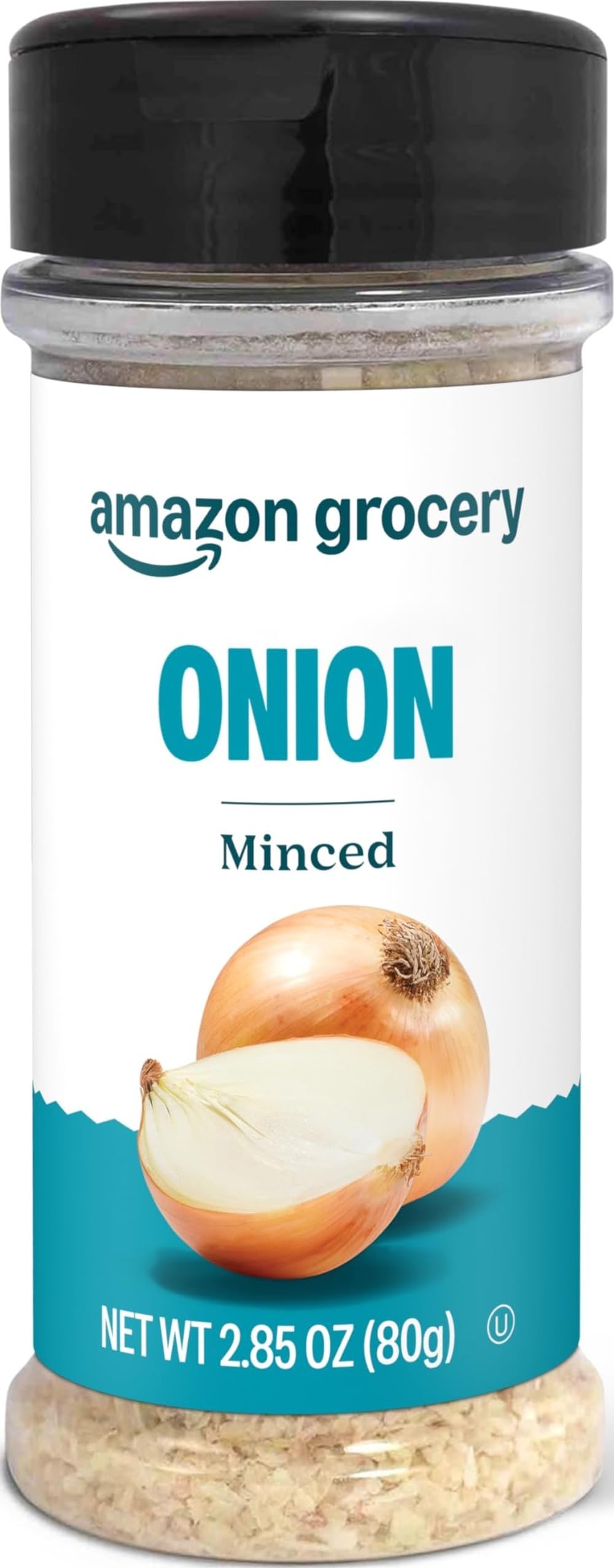
- 1 tablespoon minced dry onion
- 4 ounces Kraft Old English Cheese Spread
- 1 can cream of celery soup
- 1 cup mayonnaise
- 1/4 teaspoon pepper
- 1 teaspoon seasoned salt
- 1 tablespoon chopped pimento
Instructions
- Cook the macaroni first: Bring a pot of salted water to a boil and cook the elbow macaroni according to the package directions, but pull it about a minute early so it’s just short of al dente. The casserole will keep cooking the pasta in the oven, so slightly firm now means perfectly tender later. Drain well and set aside while you build the sauce.
- Melt the cheese base low and slow: In a saucepan over low heat, combine the cubed Velveeta, milk, and butter, stirring constantly, about 8 to 12 minutes. Keep the heat at low, since Velveeta can turn grainy or greasy if it gets too hot too fast. You’re looking for a completely smooth, glossy mixture with no lumps before you move on.
- Blend the extras in a bowl: While the cheese melts, preheat the oven to 350°F. In a medium bowl, stir together the cream of celery soup, mayonnaise, Kraft Old English cheese spread, minced onion, pimento, pepper and seasoned salt until no streaks remain.
- Build the flavor off the heat: Once the cheese base is smooth, remove the saucepan from the heat and stir in the bowl mixture until the sauce is one even color. Don’t worry if it looks thick. It loosens up in the oven.
- Combine and transfer to the casserole dish: Pour the cheese sauce over the drained macaroni and stir gently until every piece of pasta is coated. Transfer the whole mixture into a greased 2-quart casserole dish, spreading it into an even layer so it bakes uniformly. This is the messiest step, but it’s also the last one before the oven takes over.
- Bake until bubbly: Place the casserole in a preheated 350°F oven and bake for the full 35 minutes, even if the top looks set earlier. You’re waiting for the edges to bubble and the center to heat all the way through, which is what keeps the sauce from turning soupy once you cut into it.
- Rest before serving: Pull the casserole out and let it sit for 5 minutes before serving. That short rest lets the sauce settle and thicken slightly, so you get clean, scoopable portions instead of a runny first serving.
Notes
Keep the heat on low while melting. If the sauce looks greasy, take it off the burner and keep stirring.
Blend the soup, mayo and cheese spread in a bowl first to avoid streaky pockets.
Pin This Woolworth's Mac and Cheese Recipe Using Velveeta For Later

Back in the Day: Woolworth's Lunch Counters in 1981
A plate of Woolworth's mac and cheese would have sat right next to a classic tuna salad sandwich on the menu, the kind of simple, dependable order regulars could count on every time they slid onto a stool.
More Than a Place to Eat
Sociologists call spaces like this "third places," public spots outside home and work where people gather, linger and know each other's faces. In a 2019 Health & Place article, Jessica Finlay and colleagues describe third places as sites that foster social interaction, community building and support. For decades, the Woolworth's lunch counter filled that role, a neutral, unpretentious stop where regulars traded gossip over coffee and a plate lunch.

Lunch counter at the old Woolworth's "five and dime" store. Library of Congress Prints and Photographs Division
That same counter carried a heavier history. The Smithsonian's Separate Is Not Equal exhibit traces the Greensboro Woolworth sit-in, which began on February 1, 1960, when four Black college students requested service at the segregated lunch counter.
A six-month protest followed, and the counter was desegregated on July 25, 1960.
The lunch counter that gave regulars a place to belong was the same one that fostered community, and then became a symbol of the civil rights movement.
Why the Lunch Counter Faded
The F. W. Woolworth Co.'s 1979 100th Anniversary, 1879–1979 report, published during the company's centennial year, shows that Woolworth had grown into a multi-billion-dollar retailer with more stores than any chain in the world. By 1981, the lunch-counter format was facing a changing landscape.
Enclosed malls were multiplying across the suburbs and pulling foot traffic from Main Street, and McDonald's, which opened its first drive-thru window in 1975, was showing how fast a meal could be served. Rising real-estate costs and competition from fast food kept chipping away, and F. W. Woolworth Corporation closed its remaining U.S. variety stores in 1997.
The counters are gone, but the recipes they served are still on paper, and this one is a small piece of that table.
Why This 1981 Recipe Still Works Today
Cream of Celery Soup Adds Body Without Extra Steps
Stirring in a can of cream of celery soup thickens the sauce and adds a subtle savory depth that a plain milk-and-cheese mixture can't match on its own.
This is a classic 1970s and 1980s casserole shortcut, using canned soup as a built-in thickener and flavor booster instead of making a roux from scratch, which is the same canned-soup shortcut used in this cheddar cheese soup casserole.
Mayonnaise Keeps the Bake From Drying Out
A full cup of mayonnaise sounds unusual, but it acts as a moisture reserve during the 35-minute bake, preventing the casserole from drying out the way a straight cheese-and-pasta mix often does in the oven. You'll notice the texture stays creamy all the way through instead of forming a dry, crusty top layer.

1946 ad for Kraft cheese spreads
Kraft Old English Cheese Spread Sharpens the Flavor
The small jar of Kraft Old English sharp cheddar cheese spread 🛒, historically sold in a reusable "Swankyswig" drinking glass starting in 1933, adds a tangy, aged cheddar flavor that plain Velveeta alone can't provide.
This is the ingredient most modern recipes skip entirely, and it's exactly what gives this version its distinctive lunch counter taste.
Pimento Brings Classic Color and a Mild Sweetness
A tablespoon of chopped pimento adds flecks of red color and a faint sweet, tangy note. It's a small addition, but it's part of what makes this recipe taste distinctly vintage.
How to Make Perfect Woolworth's Mac and Cheese
Melt the Velveeta Over Low Heat
Keep your saucepan at low heat when melting the Velveeta, milk, and butter together, stirring constantly so nothing scorches on the bottom of the pan. If the mixture starts to look separated or greasy, pull it off the heat immediately and keep stirring until it comes back together.
Stir the Soup, Mayonnaise and Cheese Spread Together First
Combine the cream of celery soup, mayonnaise, Kraft Old English cheese spread, minced onion, pimento, pepper and seasoned salt in a medium bowl before adding them to the cheese base.
They blend smoothly this way, instead of creating streaky pockets in the final sauce. This one extra step takes about a minute and saves you from an uneven casserole.
Don't Skip the Full 35-Minute Bake Time
Bake the full 35 minutes at 350 degrees even if the top looks set earlier, since the center needs that time to heat through completely and let the sauce settle into the noodles. Pull it early and you risk a soupy middle that firms up strangely as it cools.
Let It Rest Five Minutes Before Serving
Give the casserole five minutes out of the oven before serving, which lets the sauce thicken slightly and makes it much easier to scoop clean portions instead of a runny first serving. This is the same resting trick that keeps baked pasta dishes from sliding apart on the plate.
Recipe Variations, Serving Ideas, & Storage
Recipe Variations
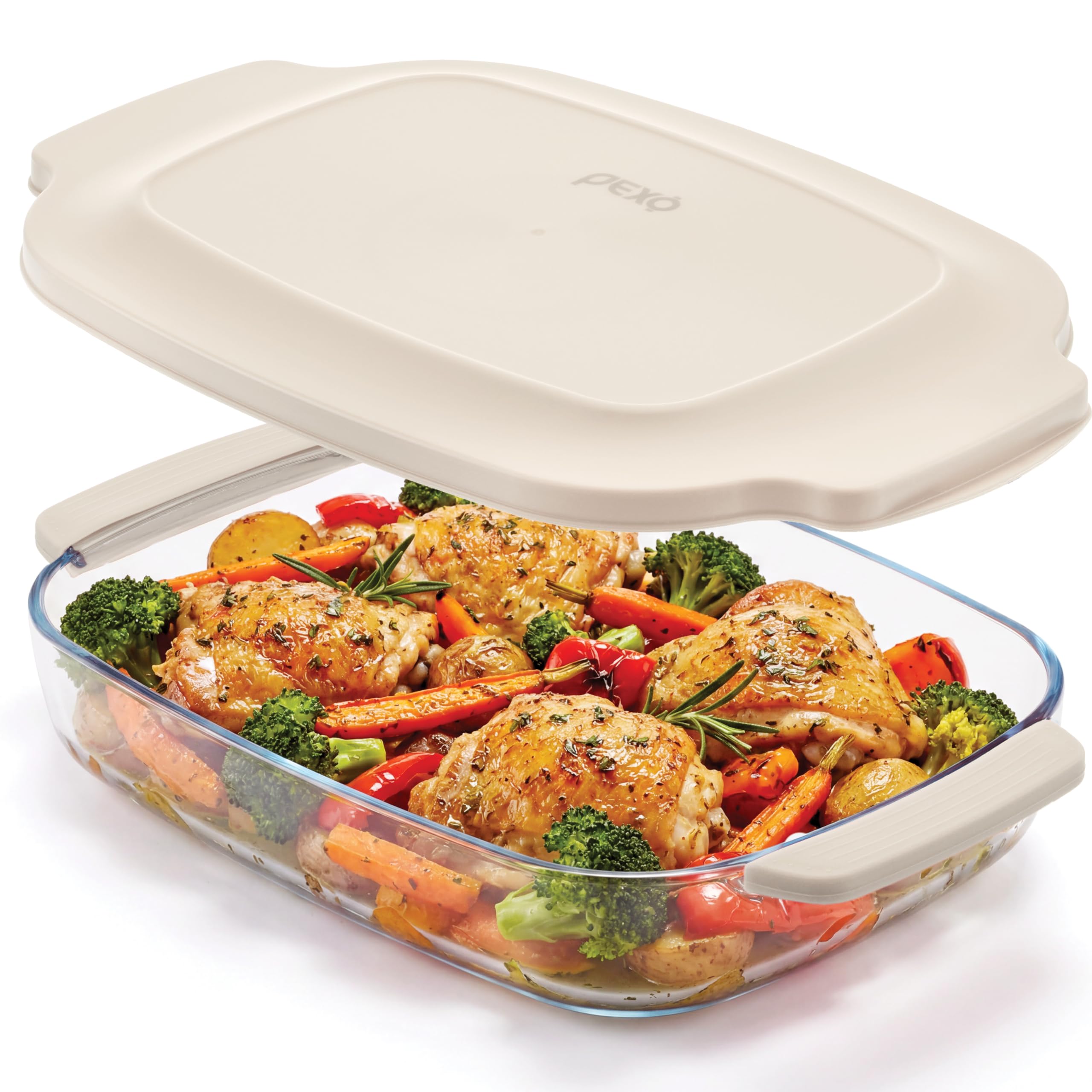
Tools & Ingredients Worth Having For This Recipe
We don’t run an ad network here because nobody wants a recipe with a side of ads. Instead, we quietly use Amazon links for tools that we actually use in our kitchen and make sense for the recipes we share. If you choose to shop through those links, you help keep these vintage recipes alive and off the endangered list, at no extra cost to you.


Frequently Asked Questions
In testing, the sauce stayed smooth when the Velveeta melted gently over low heat and was stirred until fully blended. Higher heat can make a cheese sauce look oily or less smooth, so lower the burner and keep stirring before adding the remaining ingredients.
Kraft Old English cheese spread can be replaced with pub cheese, or with an equal amount of shredded sharp cheddar cheese if you can't find the jarred version at your grocery store. The flavor will be slightly less tangy, but it still adds welcome depth beyond plain Velveeta.
Refrigerate leftover macaroni and cheese in an airtight container within 2 hours of serving. Use it within 3 to 4 days, and reheat individual portions until hot throughout. Add a tablespoon or two of milk before reheating if the sauce has thickened in the refrigerator.
Mayonnaise gives the baked macaroni a richer, softer texture than extra milk alone in this recipe. The mayo blends into the cheese sauce before baking, so the finished casserole tastes creamy rather than like a mayonnaise-based pasta salad.
Velveeta is sold as a pasteurized prepared cheese product rather than a traditional aged block cheese. Its smooth, consistent melt is one reason it works well in this baked macaroni and cheese recipe.
A Lunch Counter Recipe Worth Reviving
Woolworth's lunch counters may be gone, but this mac and cheese recipe using Velveeta brings back exactly what made that counter seat worth the wait. Sully had thirds!!
Give this one a try and leave a rating below to let other readers know how it turned out in your kitchen.
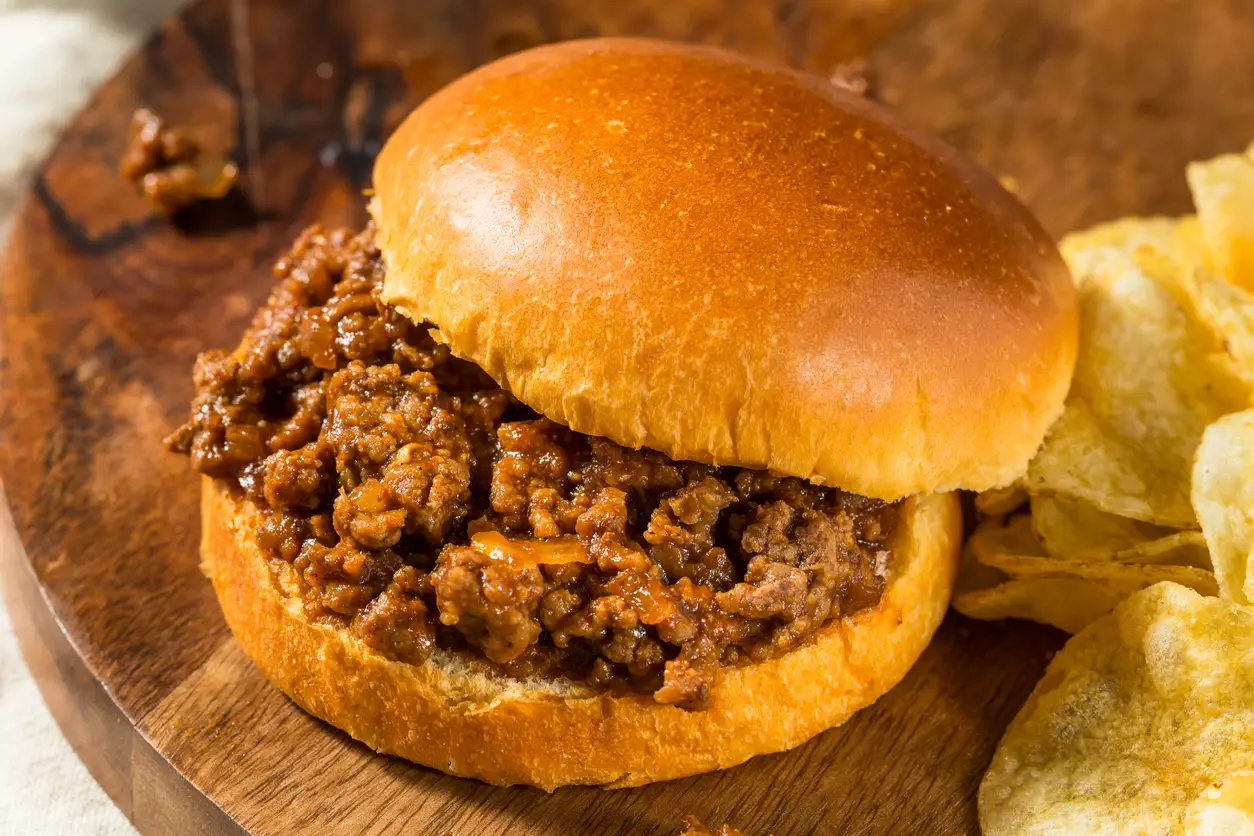
Looking for a hot sandwich to serve alongside this mac and cheese? Try these homemade sloppy joes from a 1979 community cookbook, simmered from scratch with a flavorful, homemade sauce.





0 comments