
This ginger snaps recipe comes from a 1968 Good Housekeeping test kitchen, built on creamed shortening, brown sugar, and molasses instead of the scalded-molasses method older versions used. Rolling the dough into sugar-coated balls before baking gives every cookie crackled edges and a soft, chewy center, a texture upgrade from the thin, all-the-way-crisp snaps bakers made a century earlier. It's a straightforward gingersnap cookie recipe you can have in the oven in under 30 minutes.
Every ginger snaps recipe today owes something to the cookie colonial militias snacked on during Muster Day gatherings, though this 1968 Good Housekeeping version and that original cookie would barely recognize each other side by side.
Muster Day gingersnaps were thin, rock-hard, and built to survive weeks in a soldier's pocket, while this one bakes into a soft, chewy center with a crisp, crackled edge. That's the real story behind why so many "old-fashioned" gingersnap recipes taste nothing alike: two centuries of changing ovens, ingredients, and expectations sit between them.
My cookie jar runs on Rocky Mountain chocolate chip cookies nine months out of the year, but the second the air turns cooler, Sully starts asking for ginger snaps instead. He wanders into the kitchen, lured by that warm, spiced smell, and won't leave until the first batch cools enough to eat.
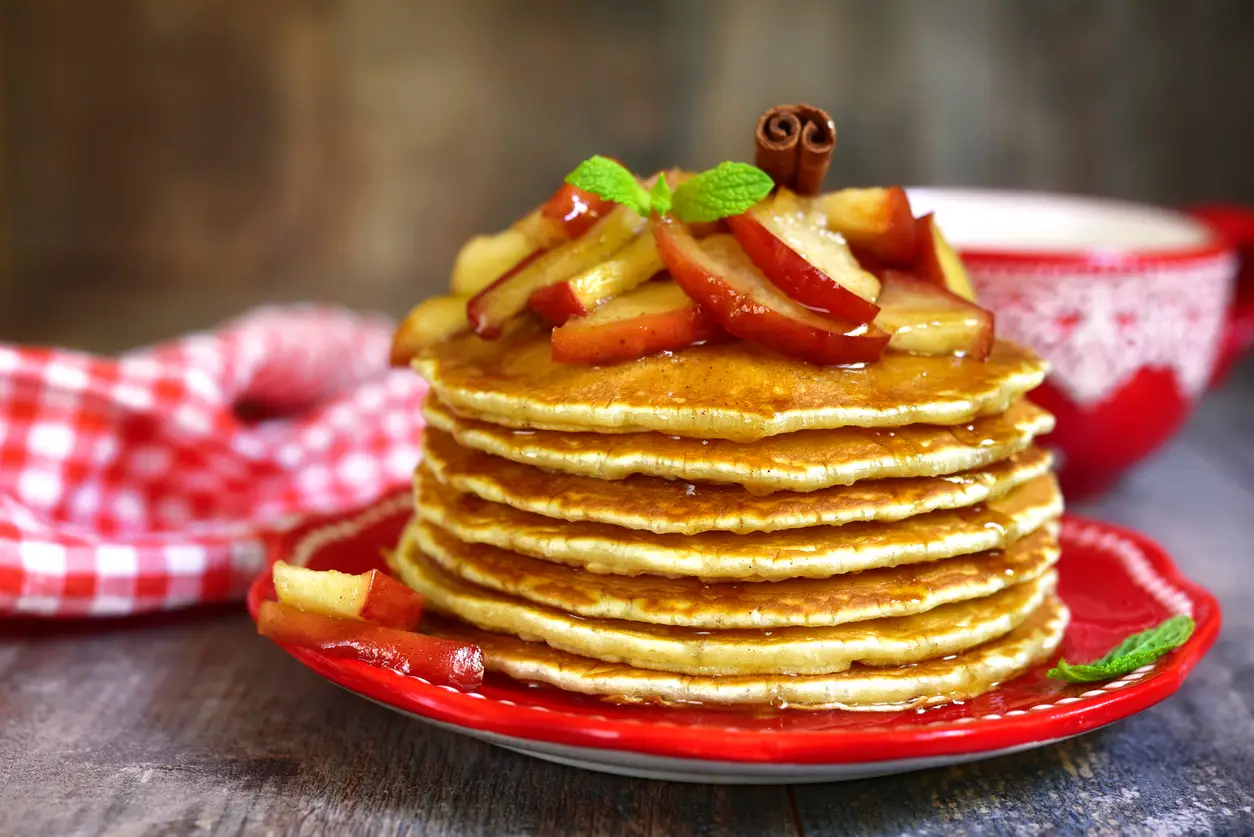
Love that warm spice combination? Try it for breakfast with our gingerbread pancakes recipe, built on the same cinnamon-ginger-clove blend and just as easy to make on a Saturday or Sunday morning.
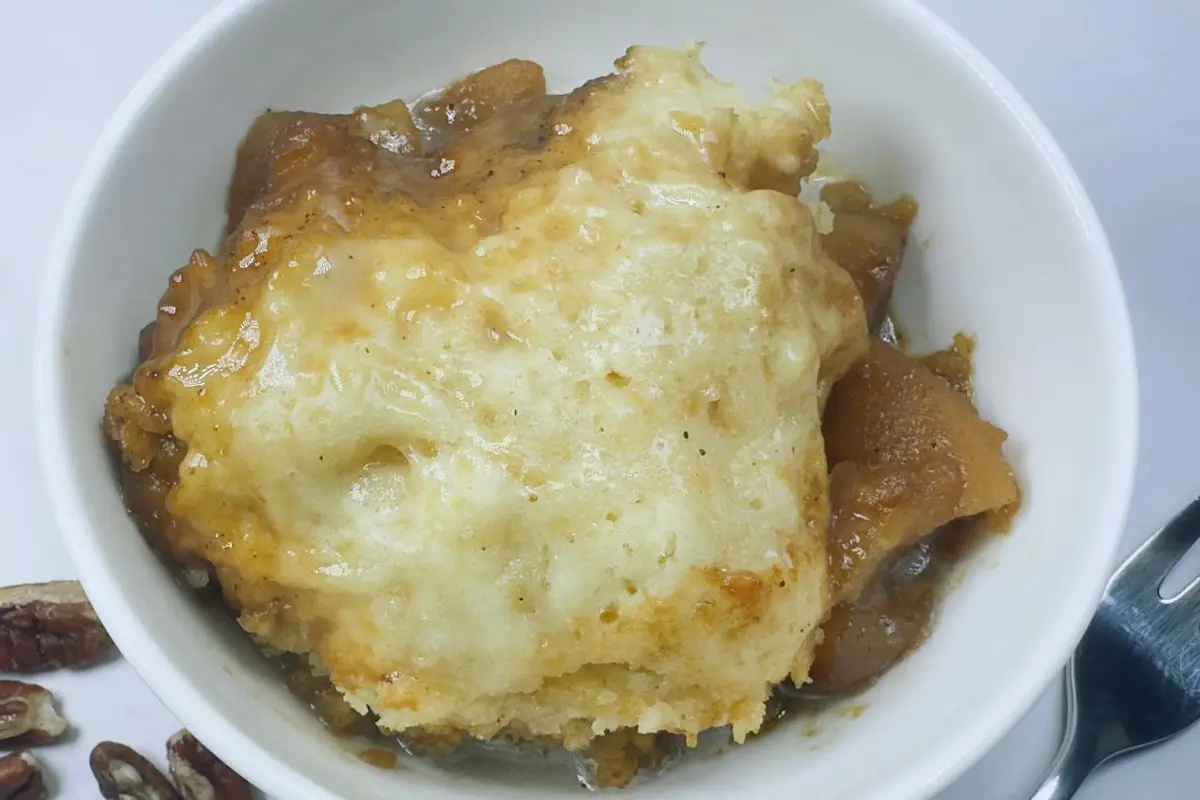
If you have a jar of molasses collecting dust in your pantry, here's another fall season recipe to try: Apple Slump - spiced apples and steamed dumplings.
1968 Ginger Snaps Recipe
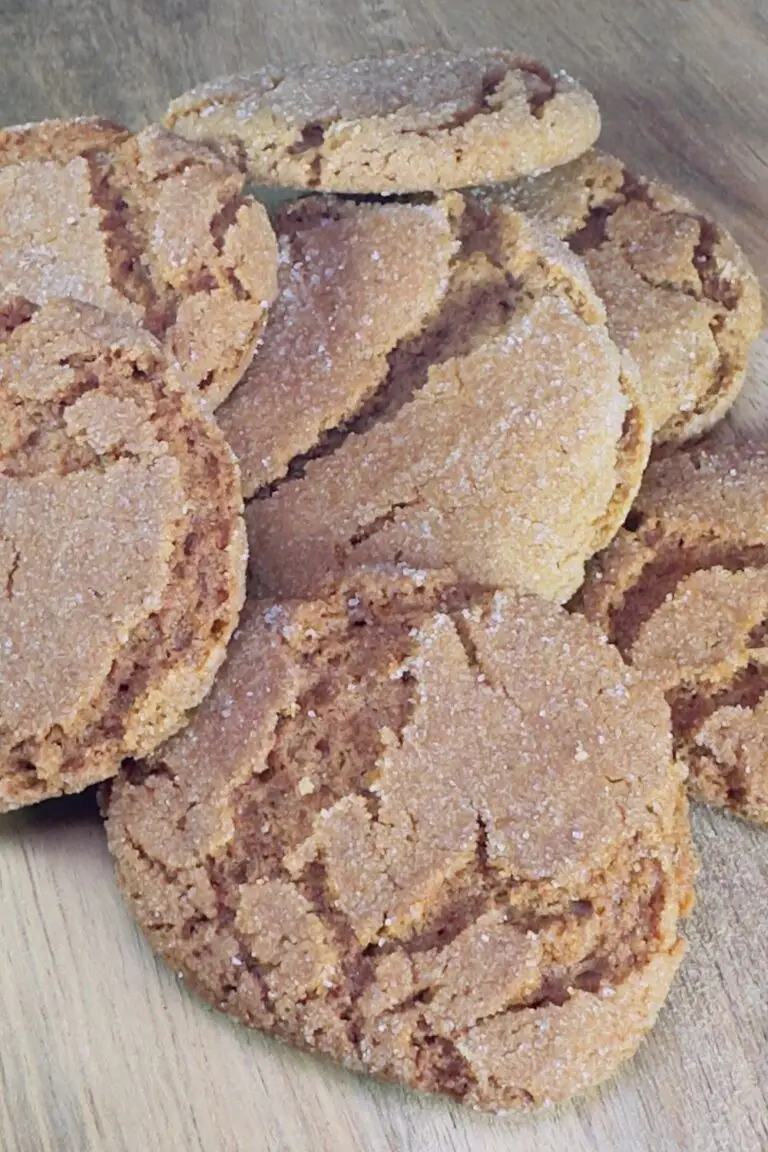
Good Housekeeping’s 1968 method for this ginger snaps recipe creams shortening, brown sugar, and molasses into a soft dough instead of scalding the molasses on the stovetop the way 19th-century bakers did. Rolling each dough ball in granulated sugar before baking builds a crackled, sparkling crust while the center stays chewy. The result is a classic gingersnap cookie recipe with old-fashioned spice and a texture that holds up in an airtight container for days.
- Total Time: 30 minutes
- Yield: 60 cookies 1x
Ingredients
- 3/4 cup shortening
- 1 cup packed brown sugar
- 1/4 cup molasses
- 1 egg
- 2-1/4 cups all-purpose flour
- 2 teaspoons baking soda
- 1/2 teaspoon salt
- 1 teaspoon ground ginger
- 1 teaspoon ground cinnamon
- 1/2 teaspoon ground cloves
- Granulated sugar, for rolling
Instructions
- Prep your station: Preheat the oven to 375°F and gather all your ingredients, including an ungreased cookie sheet and a small bowl of granulated sugar for rolling.
- Cream the wet ingredients: Beat the shortening, brown sugar, molasses, and egg on medium speed until light and fluffy, about 3 minutes.
- Sift the dry ingredients: Sift together the flour, baking soda, salt, ginger, cinnamon, and cloves in a separate bowl.
- Combine: Stir the flour mixture into the molasses mixture just until blended. Don’t overmix.
- Shape: Roll the dough into small balls, about 1/2 tablespoon each, then roll each ball in granulated sugar.
- Bake: Place the dough balls 1-1/2 to 2 inches apart on the prepared cookie sheet. Bake for 10 minutes for a chewy cookie all the way through, or 11 minutes for crisp edges with just a touch of chew in the middle, like a traditional gingersnap.
- Cool: Let the cookies rest on the pan for 5 minutes, then move them to a wire rack to cool completely.
Pin This Ginger Snaps Recipe For Later

Back in the Day: From Muster Day to the 1968 Test Kitchen
Ginger Snaps Roots in Germany
The gingersnap traces back to German lebkuchen. According to the City of Nuremberg's official tourism office, the first written record of a Nuremberg "Lebküchner" (gingerbread baker) appears in a tax document from 1395, with monks in the region baking early versions of the spiced cake as far back as the 13th century. German and Dutch immigrants carried that spiced, honey-sweetened cookie to colonial America, where molasses eventually replaced honey as the cheaper, more available sweetener.
Muster Day Turned Gingersnaps Into an American Tradition
Congress made militia enrollment mandatory on May 8, 1792, when it passed the Uniform Militia Act, requiring every "free able-bodied white male citizen" between 18 and 45 to enroll in his local militia. The full text still sits in the U.S. Government Publishing Office's official Statutes at Large archive. States and towns carried out that federal mandate with their own muster days, community-wide training musters where the whole town, not just the enlisted men, turned out.
Food historian John Mariani's The Dictionary of American Food & Drink, as excerpted by the Museum of the American Revolution, ties gingersnaps directly to those Muster Day gatherings, where they served as standard refreshments alongside rum once drills wrapped up.

Muster Day, oil on canvas by Charles Henry Granger
The Name Snapped Into English by 1805
The word itself has a documented birthday. Per the Museum of the American Revolution, citing John Mariani's The Dictionary of American Food & Drink, "gingersnap" first shows up in writing around 1805, borrowed from the German or Middle Dutch snappen, meaning "to seize quickly."
Good Housekeeping Modernized the Gingersnap by 1968
Good Housekeeping wasn't a small operation by the time this recipe ran: its own publishing history puts circulation past 5.5 million copies a month by the mid-1960s, making it one of the most-read magazines in American homes (Good Housekeeping's publication history).
The Muster Day gingersnap, thin, eggless, and rolled by hand, had by then turned into a mixer-made cookie with exact cup measurements, an egg for structure, and dough shaped into balls instead of scored diamonds.
Electric mixers were common kitchen equipment by this point, cutting what had been several minutes of hand-creaming shortening and sugar down to an easy, mostly hands-off task.
Early vs. 1968: How This Ginger Snaps Recipe Changed
Vintage gingersnap recipes rarely gave a set flour measurement, calling instead for enough flour to make the dough easy to roll, an approach that assumed the baker already knew what the right texture felt like. The 1968 version closes the gap with exact cup measurements and a texture built for chew instead of an all-the-way-through crunch.
Detail | Earliest Version | 1968 Good Housekeeping Version |
|---|---|---|
Sweetener | Molasses, brought to a scald on the stovetop | Brown sugar and molasses, creamed cold |
Fat | Butter, lard, or a mix of both | Shortening |
Egg | None | 1 egg, for structure |
Flour | Added by feel, no set amount | 2-1/4 cups, measured |
Leavening | Soda stirred straight into hot molasses | Baking soda sifted with dry ingredients |
Shape | Rolled thin and sliced into strips | Rolled into balls, coated in sugar |
Texture | Thin and crisp throughout | Chewy center, crisp edge |
We use Amazon links for tools that we use in our own kitchen and make sense for the recipes we share. If you choose to shop through those links, you help keep these vintage recipes alive and off the endangered list, at no extra cost to you.
Why This 1968 Ginger Snaps Recipe Still Works Today
Creaming Builds Air Before the Flour Goes In
Beating the shortening, brown sugar, and molasses together for a full 3 minutes traps tiny air pockets in the fat before any flour mixture joins the bowl, and those pockets expand in the oven to give the cookie its slight rise and softer center instead of a dense, flat gingersnap.
A reliable hand mixer makes that full 3 minutes easy to hit consistently, since holding a steady medium speed by hand for that long tends to slow down halfway through, right when the batter needs it most.
Baking Soda Reacts With the Molasses
Molasses is acidic enough to react with baking soda, releasing carbon dioxide that lifts the dough while it bakes and explains the crackled top, since the surface sets faster than the interior expands and splits into a crinkled pattern.
Rolling in Sugar Creates the Crisp Edge
Coating each dough ball in granulated sugar before baking gives the outside something to caramelize against direct heat, which is exactly why the edges turn crisp while the center, insulated by the dough itself, stays chewy.
Shortening Keeps the Texture Consistent
Shortening has a higher melting point than butter, so the dough holds its shape longer in the oven before spreading, baking into a rounder, thicker cookie than older, thinner rolled-and-cut gingersnaps.
How to Make Perfect Ginger Snaps Every Time
Use a Cookie Scoop for Even Bake Time
Wonky sized dough balls bake unevenly, so a 1/2 tablespoon cookie scoop 🛒 keeps every ball consistent, and you'll get 60 cookies perfectly-baked cookies. Consistent size means every cookie hits its crisp edges and chewy center at the same 11-minute mark.
Don't Skip the Sugar Roll
Rolling each ball in granulated sugar isn't just for looks; it's what gives you the shattery, crackled crust, so don't skip this step even when you're in a hurry.
Pull Them Early if You Want Extra Chew
In my oven, one minute makes all the difference. At 10 minutes, these bake up soft and chewy from edge to center. At 11, the color goes just a shade darker and the whole cookie turns crisp and crunchy, closer to the gingersnap your memory is picturing. Set your timer based on which cookie you're actually craving.
Check Your Oven With a Thermometer
Home ovens run hot or cool more often than you'd think, and this dough is sensitive to it. If your gingersnaps come out pale after 11 minutes, your oven is likely running cool; add a minute at a time until the tops crackle.
Space the Dough Balls a Full 2 Inches Apart
These cookies spread as the baking soda reacts, so crowding the pan turns individual gingersnaps into one connected sheet. Two inches gives every cookie room to hold its shape.
Recipe Variations, Serving Ideas, & Storage
Recipe Variations
Frequently Asked Questions
This ginger snaps recipe produces cookies that stay fresh in an airtight container at room temperature for about a week. The texture shifts slightly toward softer after day 5, so eat them within the first few days if you prefer maximum crunch.
Ginger snap cookie dough freezes well for up to 3 months when shaped into balls and frozen solid on a tray before bagging. Bake the frozen dough balls directly from the freezer, adding 1 to 2 minutes to the original bake time.
Cakey ginger snaps usually mean the dough was underbaked or the flour was measured too generously. Spoon flour into the measuring cup and level it off instead of scooping directly from the bag, and let the cookies bake the full 10 minutes before checking them.
Fresh ginger works in this recipe if you replace half the ground ginger with grated fresh ginger, which adds a brighter, slightly peppery note. Using all fresh ginger changes the moisture balance in the dough, so stick to a partial swap for the most reliable results.
Ginger snaps and gingerbread cookies share the same core spices, but ginger snaps are baked longer for a crisp, snapping texture, while gingerbread stays soft and is often rolled thinner for cutout shapes. This 1968 gingersnap cookie recipe lands in between, with a crisp edge and a chewy center rather than a fully crisp bite all the way through.
Dark or blackstrap molasses both work in this ginger snaps recipe, though blackstrap brings a noticeably deeper, slightly bitter edge compared to standard light or dark molasses. Light molasses gives the mildest flavor if you're introducing this cookie to someone who's never liked gingersnaps before.
Grocery store brands typically use dark or blackstrap molasses, which bakes up nearly black. This 1968 recipe uses standard molasses, so you'll get a color closer to a peanut butter cookie with a warmer, milder flavor. Swap in dark molasses if you want that deep, old-fashioned color and a bolder, more bittersweet bite.
Keep This in Your Fall Cookie Jar
Molasses became a fall staple because it was the sweetener most households had plenty of once the harvest was in and fresh cane sugar was harder to come by, giving autumn baking its deep, warm backbone.
Its slightly bitter, almost smoky depth pairs naturally with warming spices like ginger, cinnamon, and cloves, which is why it shows up across so many vintage fall desserts, not just this ginger snaps recipe.
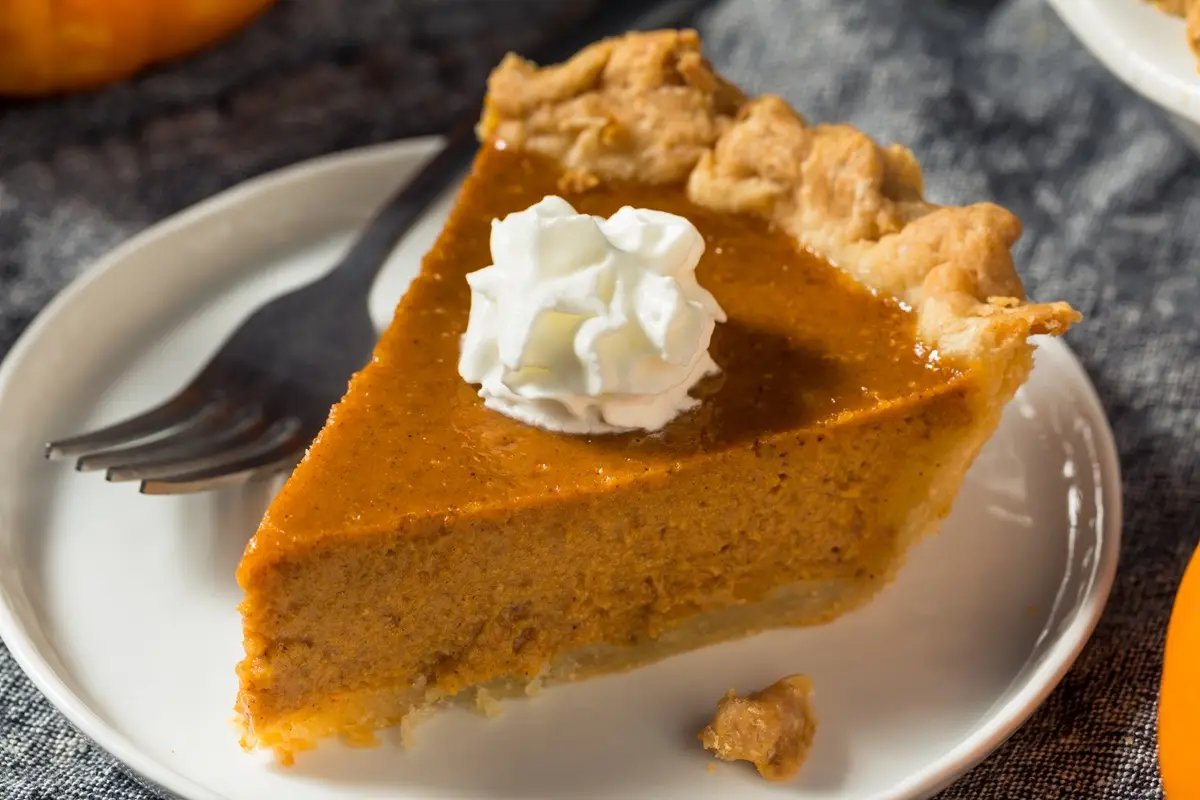
This 1941 molasses pumpkin pie recipe leans on that same flavor in a completely different form, if you want to see molasses do its fall thing in a custard instead of a cookie.
Once the chocolate chip cookie jar empties out and the air turns crisp, this is the cookie that takes over in my kitchen, crackled tops, molasses smell, and all.
Does a cookie jar swap like that happen in your house too, or are ginger snaps a year-round favorite for you? Either way, it's worth starting the tradition this fall if you haven't yet.
Rate this recipe below and let me know if the fresh ginger swap made it into your cookie jar this fall!