

This cranberry sauce recipe from 1903 cooked only cranberries, water, and sugar. Our spiced orange version adds orange juice, brown sugar, cinnamon, and cloves, keeps the original 10 minute simmer in one saucepan, and pops the berries into a thick, glossy sauce that sets as it cools.
You can have spiced orange cranberry sauce on the stove in about 15 minutes, with real fruit flavor and no can opener involved.
Canned cranberry sauce comes out of the tin with its ridges intact, while a pot of homemade sauce keeps the sharp, fruity bite a holiday dinner plate needs. A homemade cranberry sauce recipe also lets you decide how sweet, spiced, and chunky the sauce ends up.
I rescaled the quart-based amounts from the original to one 12 ounce bag, then added orange juice, brown sugar, cinnamon, and cloves for the flavor the 1903 version lacks, so you can skip the math.
We're Wisconsin natives, so cranberries have been part of our food culture for as long as I can remember. Wisconsin is also the country's leading cranberry-growing state, so fresh berries in November have always felt like a household staple. That's why a cranberry sauce recipe from 1903 feels familiar to me even though the newspaper is older than my grandparents.

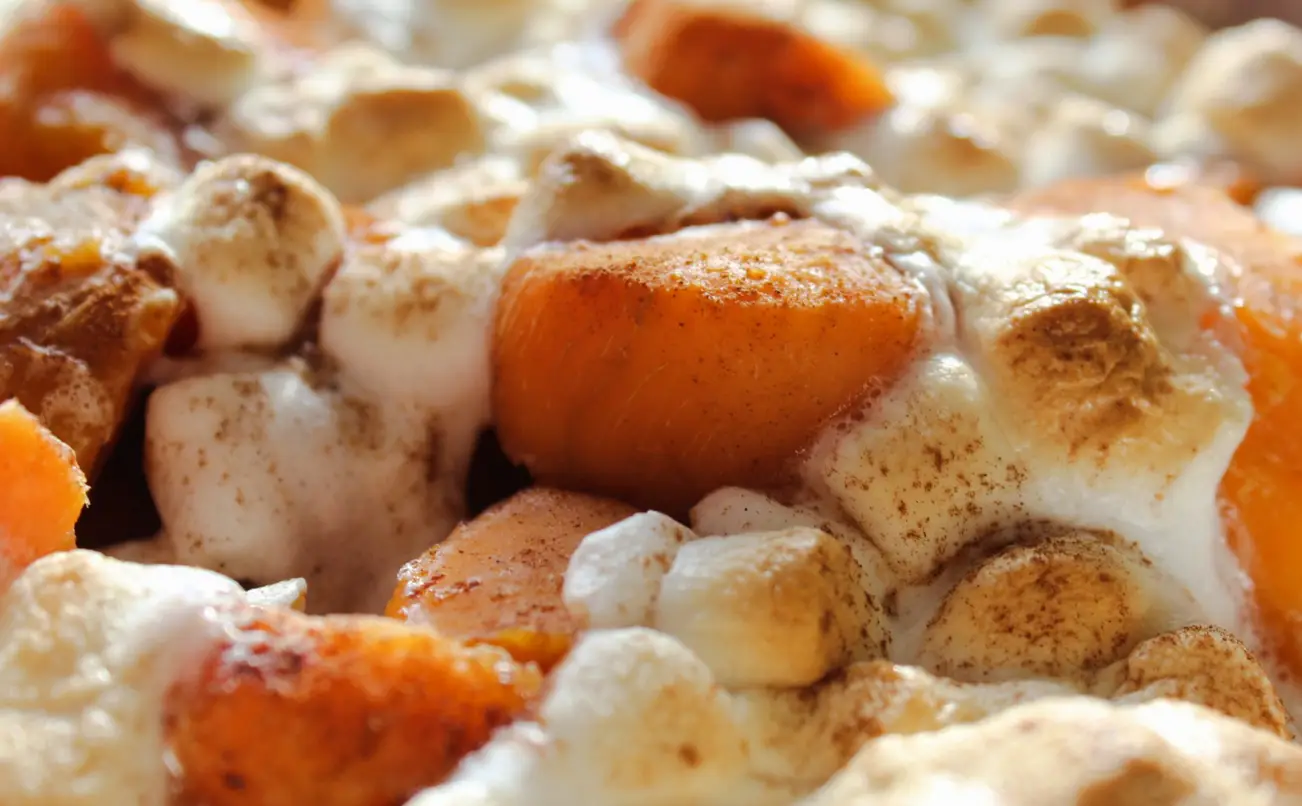
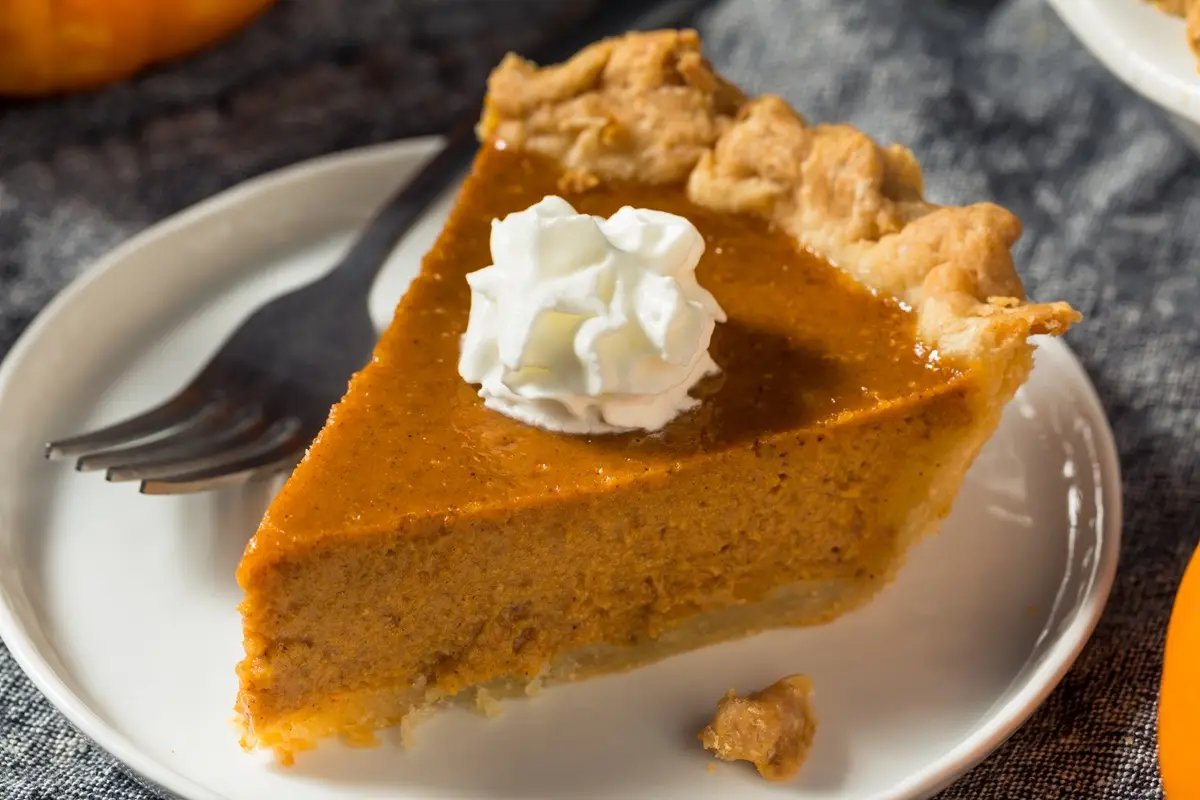
Planning a vintage Thanksgiving menu? Pair the cranberry sauce with an old fashioned 1940 sweet potato casserole, where pineapple juice and brown sugar make a glossy syrup under toasted marshmallows. Then finish dinner with a 1941 molasses pumpkin pie, a silky custard from the weeks when shoppers cleared sugar off the shelves after Pearl Harbor.
Spiced Orange Cranberry Sauce Recipe
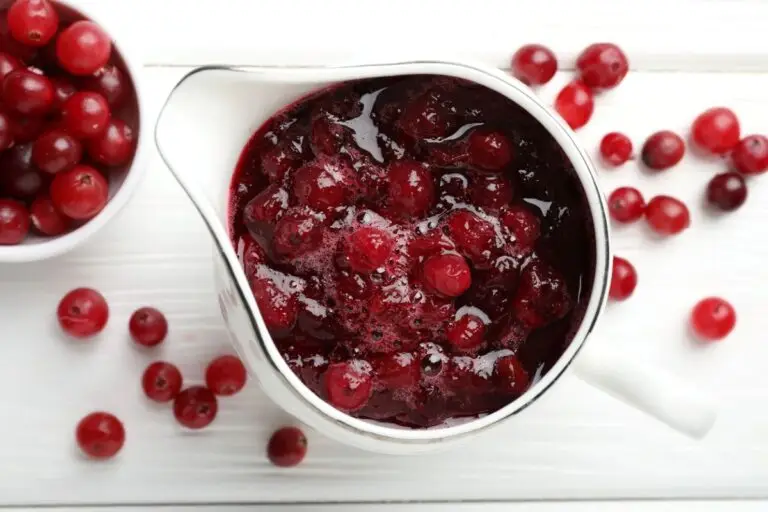
Adapted from the November 21, 1903 edition of The Daily Herald in Everett, Washington. The original cooks cranberries, water, and sugar. This version adds orange juice, brown sugar, cinnamon, and cloves and keeps the 10 minute stovetop method. Rescaled to one 12 ounce bag, the berries pop into a thick, glossy sauce that sets as it cools.
- Total Time: 20 minutes
- Yield: 8 servings 1x
Ingredients
- 3 cups fresh cranberries (one 12 ounce bag)
- 1/4 cup orange juice
- 1/4 cup water
- 1/2 cup granulated sugar
- 1/2 cup packed brown sugar
- 1/4 teaspoon ground cinnamon
- 1/8 teaspoon ground cloves
Instructions
- Sort and rinse: Sort the cranberries and discard any soft, shriveled, or discolored berries. Rinse the rest and let them drain.
- Bring to a boil: In a medium stainless steel or enameled saucepan, combine the cranberries, orange juice, water, granulated sugar, brown sugar, cinnamon, and cloves. Stir to combine. Bring to a boil over medium heat. Reduce the heat to low as soon as it bubbles.
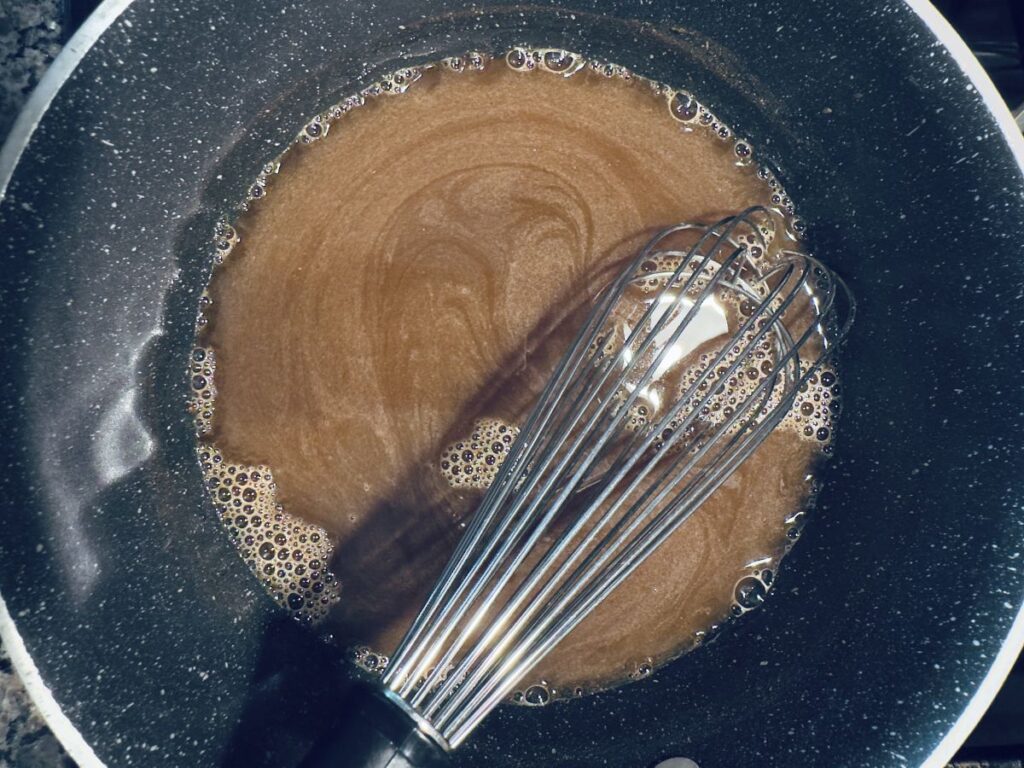

- Simmer: Simmer on low heat about 10 minutes, stirring often, until the berries pop and the sauce thickens.
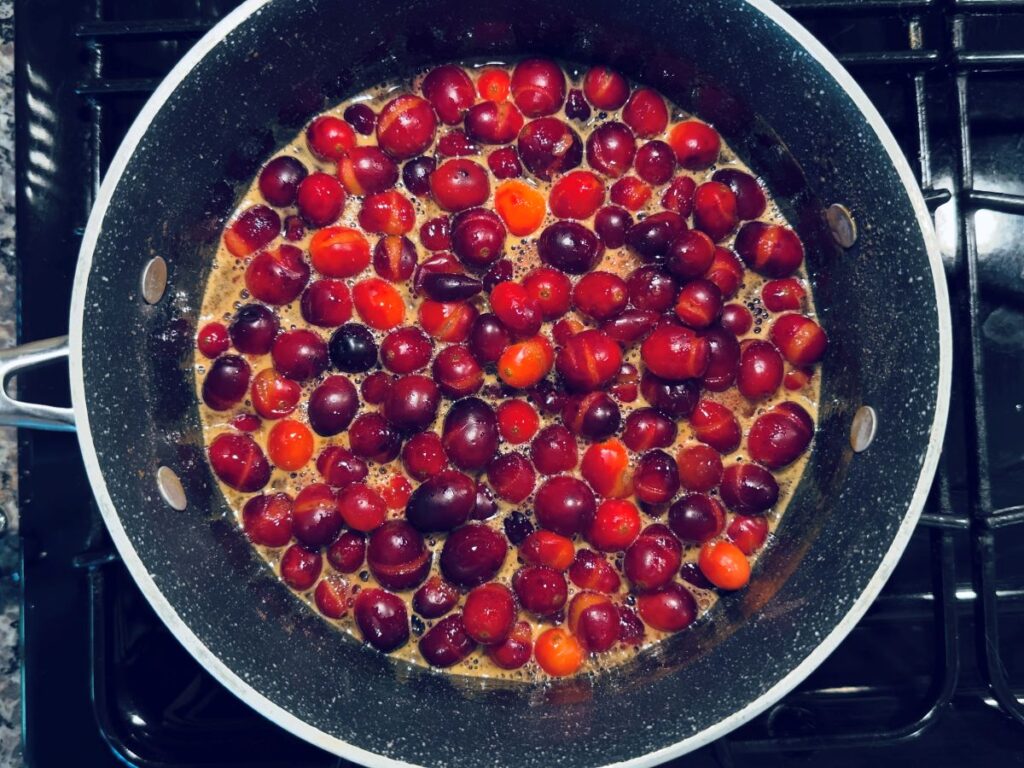
- Cool completely: Remove from heat and let the sauce cool to room temperature. The sauce sets as it cools, so judge the texture at room temperature.
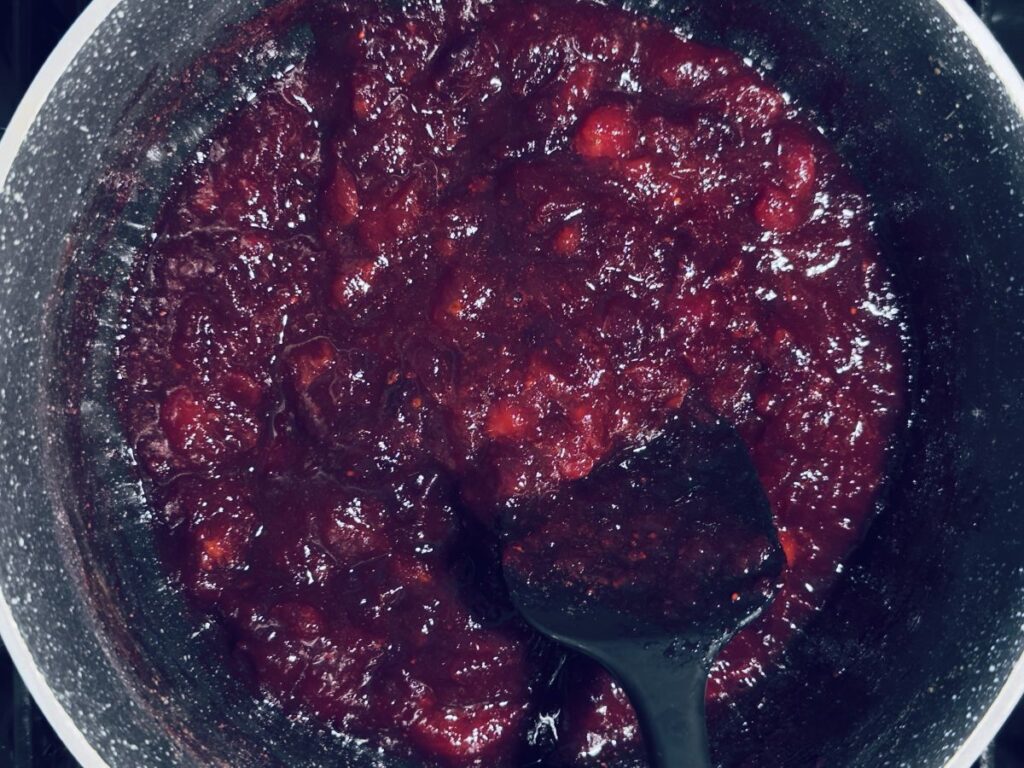
- Serve or store: Serve right away or refrigerate in an airtight container for up to 2 weeks.
Notes
Frozen cranberries can go straight into the pot, but add a minute or two to reach a boil.
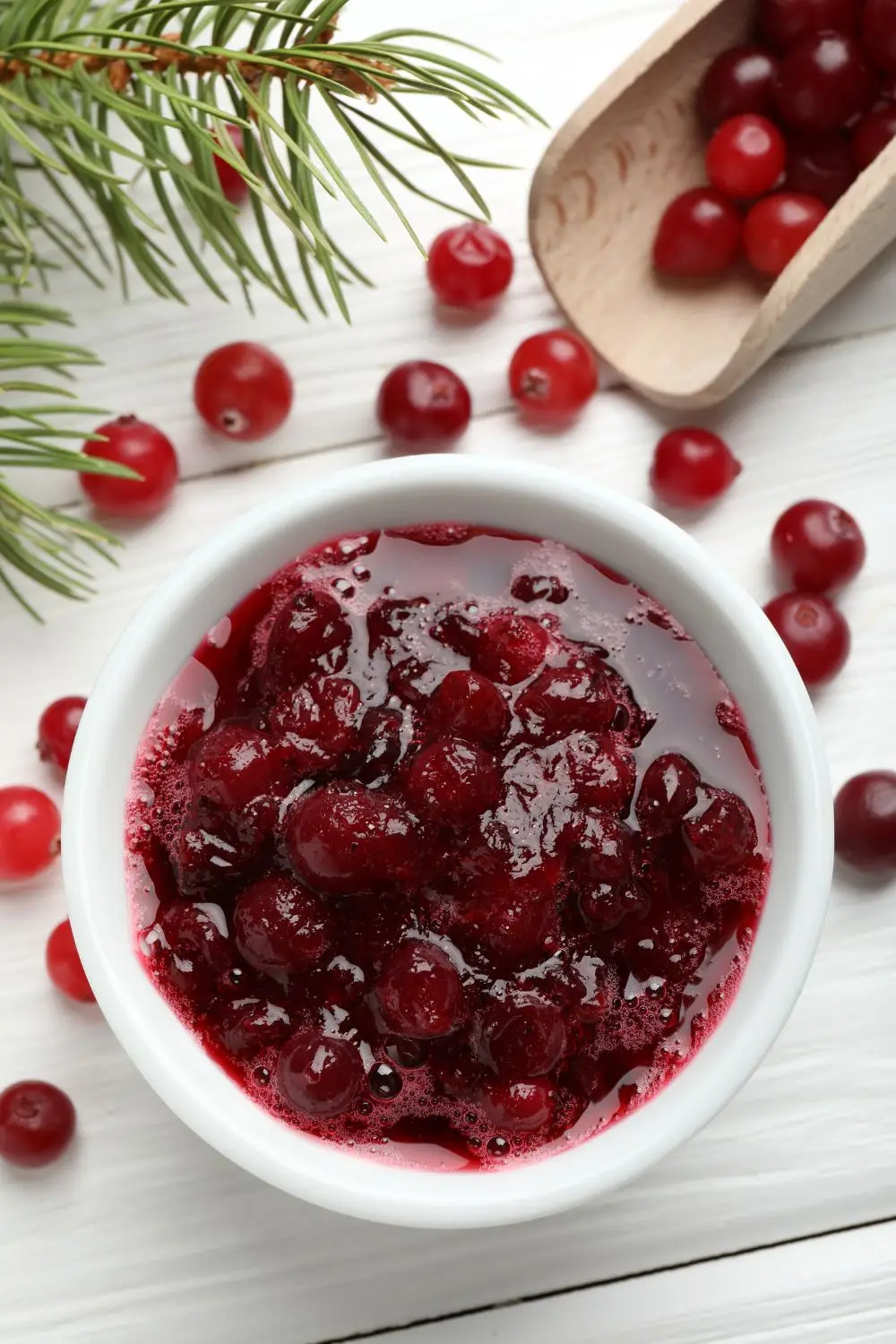
Cranberry Sauce in 1903 Started at the Stove
Every cranberry sauce on a Thanksgiving table in 1903 started in a pot. Modern Farmer traces the first canned cranberry sauce to Marcus Urann in 1912, so the ridged log from the tin was still nine years away.
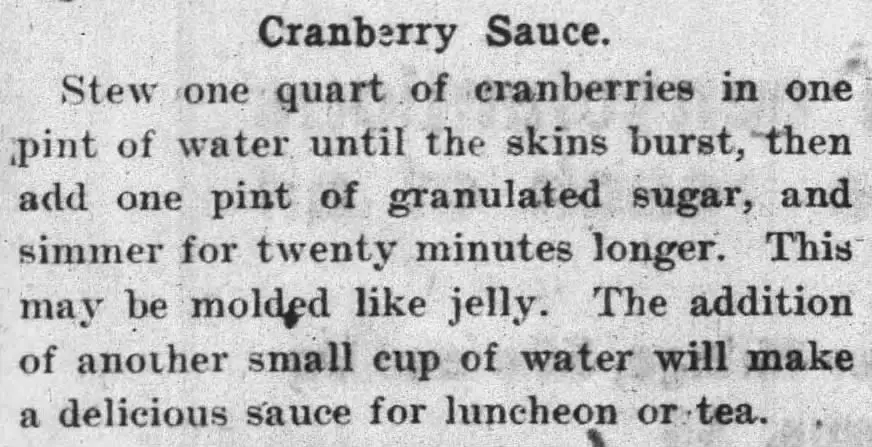
Most of the berries likely came from Massachusetts. The Massachusetts Cranberries history page reports that Cape Cod's acreage had tripled by 1900, and the boom earned the name "Cranberry Fever."
Wisconsin growers were organized too. The Wisconsin State Cranberry Growers' Association held its 14th annual convention at Gaynor Brothers' marsh on August 14, 1900, and the Wisconsin Historical Society places the state's rise to the nation's leading producer in 1994.
The method is far older than the can. An account from 1672 describes boiling cranberries with sugar as a sauce for meat, so a cook in 1903 was following more than two centuries of habit. Nobody had invented the shortcut yet, and the sauce turned out fine anyway.
Why Does This Cranberry Sauce Recipe Set Without Gelatin?
Cranberry Pectin Replaces the Gelatin
Cranberries are naturally high in pectin, the same gelling fiber used in jam, and simmering releases it from the skins and flesh. Sugar draws water away from the pectin strands so they can link into a loose gel as the pot cools. Gelatin never got an invitation.
Heat Pops the Berries Open
Cranberries burst because heat expands the air pockets inside each berry until the skin splits. Split skins release juice and pectin into the pot, which is where the sauce gets its body. The popping sound is your cue that the berries are working.
Sugar Balances the Tartness
Granulated and brown sugar temper the berries' sharp acidity and support the gel. Less sugar usually gives a tarter, looser sauce, so trim it only if you like a thinner texture. Fresh cranberries are tart enough to need the full cup of combined sugar.
Orange Juice and Water Keep the Sugar From Scorching
Orange juice and water dissolve the two sugars into a syrup before the berries release their own juice. Without that liquid, the sugar can catch on the bottom of the pan while the fruit is still dry. Brown sugar scorches faster than white, so keep the heat low and stir often.
How to Make Perfect Spiced Orange Cranberry Sauce
Sort the Bag Before You Cook
Pick out any soft, shriveled, or discolored berries before they hit the pot, then rinse the rest under cold water and let them drain. One bad berry won't ruin a batch, but a handful of spoiled ones add a dull, musty flavor that no amount of sugar covers up. The bag is the only place to catch them.
Use a Stainless Steel Saucepan
Cook the sauce in a medium saucepan made of stainless steel or enameled metal. Cranberries are acidic, and bare aluminum can react with acid and give the sauce a metallic edge. Pick a pan with a little headroom, because the mixture rises as it boils. A heavy bottom also spreads heat evenly, which matters when sugar is waiting to scorch.
Bring to a Boil Over Medium, Then Drop the Heat
Bring the pot to a boil over medium heat, then reduce the heat to low as soon as it bubbles. Medium heat dissolves the sugars before it can stick to the pan. A hard boil past that point splatters hot sugar syrup, which burns skin faster than boiling water does, and it scorches the bottom of the pot.
Stir Often With a Flat-Edged Spatula
Stir frequently and scrape the bottom and corners of the pan, where sugar settles first. A flat edge reaches the spots a round spoon skips. The sauce looks thin while hot, so resist the urge to keep cooking it, since extra simmering evaporates water and can leave the sauce stiff and overly sweet once it cools. Ten minutes at the stove is a good time to hover.
Mash Early for Smooth, Late for Chunky
Press the berries with a potato masher while they cook for a smoother sauce, or wait until most have popped for a chunkier one. Mashing early breaks the skins sooner and sends pectin into the syrup faster. Leaving the berries whole gives a rustic, spoonable sauce with visible fruit. Choose the texture your table prefers.
Cool Completely Before You Judge the Texture
Let the sauce cool to room temperature before deciding it's too thin. Pectin finishes setting as the temperature drops, so a sauce that pours off the spoon at the stove firms up by the time it's cool. A shallow bowl cools it faster than the hot pot does.
If your finished sauce doesn't firm up as much as you'd like after a couple of hours in the fridge, don't panic. Simply scoop it back into the saucepan, bring it to a gentle simmer, and cook for another 5 to 10 minutes to drive off extra moisture before chilling it again.
Recipe Variations, Serving Ideas, & Storage
Homemade Cranberry Sauce Recipe Variations
Tools & Ingredients Worth Having For This Recipe
We use Amazon links for tools that we use in our own kitchen and make sense for the recipes we share. If you choose to shop through those links, you help keep these vintage recipes alive and off the endangered list, at no extra cost to you.
The sauce needs very little equipment, and a few choices make the difference between a smooth simmer and a scorched pan. Each item below earns its spot for a specific reason.
🛒Stainless steel medium saucepan
A saucepan of about 3 quarts gives the berries room to rise as they boil and burst. Look for a heavy or multi-layer base, which spreads heat evenly so the sugar doesn't catch. Stainless steel also resists reacting with the berries' acid, which keeps the flavor clean.
🛒Heat-resistant silicone spatula
A flat silicone edge scrapes the corners and bottom of the pan, where sugar settles first. Check that the spatula is rated for high heat so the head won't soften or warp in a bubbling pot. The same tool also scrapes out the last of the sauce when it's time to transfer it.
🛒Stainless potato masher
A masher gives you control over texture, from lightly broken berries to a smooth sauce. Choose one with a wide head and sturdy handle, since cooked cranberries still put up some resistance. Stainless steel won't stain or take on the berries' acidity.
🛒Microplane zester
If you are adding orange zest, a fine-bladed zester removes only the colored outer peel of an orange, leaving the bitter white pith behind. Pith-free zest matters for the cranberry orange variation, where the zest adds a bright citrus note. A zester with a comfortable handle also works on lemons and limes.
🛒Gravy boat with ladle and saucer
Homemade cranberry sauce deserves better than the canned log slumped on a saucer, and the gravy boat is the old-school fix. Ladle the cooled sauce into the boat and set it on the table next to the gravy, so guests help themselves without a spoon making a second trip to the pot. The sauce sets thick, so the ladle does the serving and the spout stays decorative. The saucer under the boat catches drips, which protects the tablecloth and your reputation.
Frequently Asked Questions
Homemade cranberry sauce works with frozen berries, and they go straight into the pot without thawing. Expect a minute or two more before the pot reaches a boil.
Runny cranberry sauce usually means it hasn't cooled yet. The pectin sets as the temperature drops, so judge the texture at room temperature, not at the stove.
Bitter cranberry sauce usually traces back to sugar that stuck and scorched on the bottom of the pan. Medium-low heat and frequent stirring prevent it, and the scorched flavor can't be undone once it's in.
Homemade cranberry sauce keeps the berry skins and a looser, spoonable texture. Canned sauce is strained and molded, so it slices into rounds with the tin's ridges.
This homemade cranberry sauce recipe doubles by multiplying all the ingredients, and a larger saucepan keeps the sauce from boiling over. Simmer until the berries pop, not by the clock alone.
Vintage Recipe, Modern Table: Spiced Orange Cranberry Sauce |
Cranberries, sugar, and a pot were enough in 1903. Orange juice, brown sugar, cinnamon, and cloves add the warmth the original lacked, and the method stays the same.
When you're ready for round two, 1930s candied cranberries belong on the same table.
Leave a star rating and tell us in the comments which kind of cranberry sauce sat on your family's Thanksgiving table, the canned slices or a bowl of homemade.
