
A Benedictine spread recipe is a chilled Louisville, Kentucky appetizer built on cucumber, first tied to caterer Jennie Carter Benedict's tearoom around 1900. The version most home cooks use today blends softened cream cheese with grated cucumber and onion, a technique that swaps a modern mayonnaise-heavy dip for a lighter, herb-forward cucumber tea sandwich filling still served at Kentucky Derby parties.
You don't want a watery mess soaking through your bread and that's the exact reason homemade Benedictine can fall flat before it ever gets to a Derby party spread. Draining the cucumber before it meets the cream cheese is the one simple trick that keeps this Louisville classic bright instead of soggy.
Louisville caterer Jennie Carter Benedict ran a tearoom on South Fourth Street around 1900, and Kentucky cooks eventually attached her name to this cucumber and cream cheese combination so firmly that the city just calls it Benedictine.
Most home versions turn soggy by the time they hit the table. This one won't, because a technique cooks have leaned on for over a century still solves that exact problem.
Back in 1900, When a Louisville Caterer Crashed Derby Season

Jennie Benedict, 1924 Louisville Courier-Journal
Jennie Carter Benedict started cooking out of a one-room kitchen her father built onto their Old Louisville home in 1893, with no formal training and no backer behind her. Her break came in 1895, when the principal of Fannie Farmer's Boston Cooking School fell ill before a demonstration at the Louisville Pure Food Exposition. Benedict stepped in, impressed the room, and earned an invitation to train under Farmer herself that winter.
That training turned into a full-blown catering empire. By the time she opened her tearoom on South Fourth Street in 1900, Benedict had become Louisville's premier society caterer, the woman families called when a party needed to impress.
Kentucky Derby parties were exactly that kind of party, and Benedict catered plenty of them, her sweet and savory dishes reportedly the stars of many Derby tables . That's how the cucumber and cream cheese spread ended up on Derby menus decades before anyone called it a tradition: it stuck around because the woman serving it was the one everyone hired.

Jennie Benedict's cucumber sandwiches recipe from the book The Blue Ribbon Cook Book, 1904 edition
Here's the twist most people miss: Benedict's own Blue Ribbon Cook Book, first published in 1902, never printed the version everyone associates with her name . The cream cheese, cucumber juice, and onion juice combination came down later through reporting by the Louisville Courier-Journal and food historians who reconstructed her technique from what she was known to serve .
Benedictine isn't the official Derby sandwich, and it never has been. That title belongs to the Hot Brown, invented around 1926 at the Brown Hotel . But Benedictine beat it to the table by roughly two decades, and while the Hot Brown gets the name recognition, Benedictine is the one that quietly earned a permanent seat at every Derby spread in the city.
Kentucky never let go of it, and in 2022, the Kentucky Derby Museum made it official on their end too, adding Benedictine to the Derby's own event menu, more than a century after Jennie Benedict first served it to the city's most demanding tea-table guests .
Benedictine Cucumber Spread Recipe
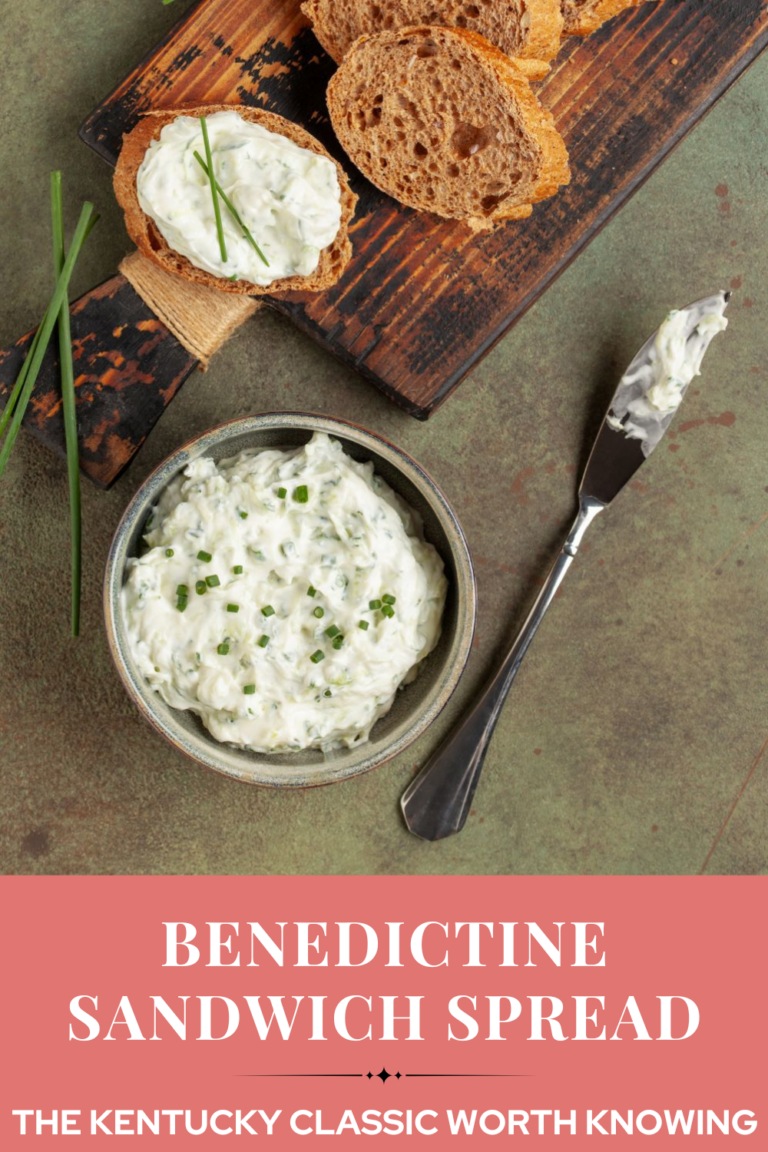
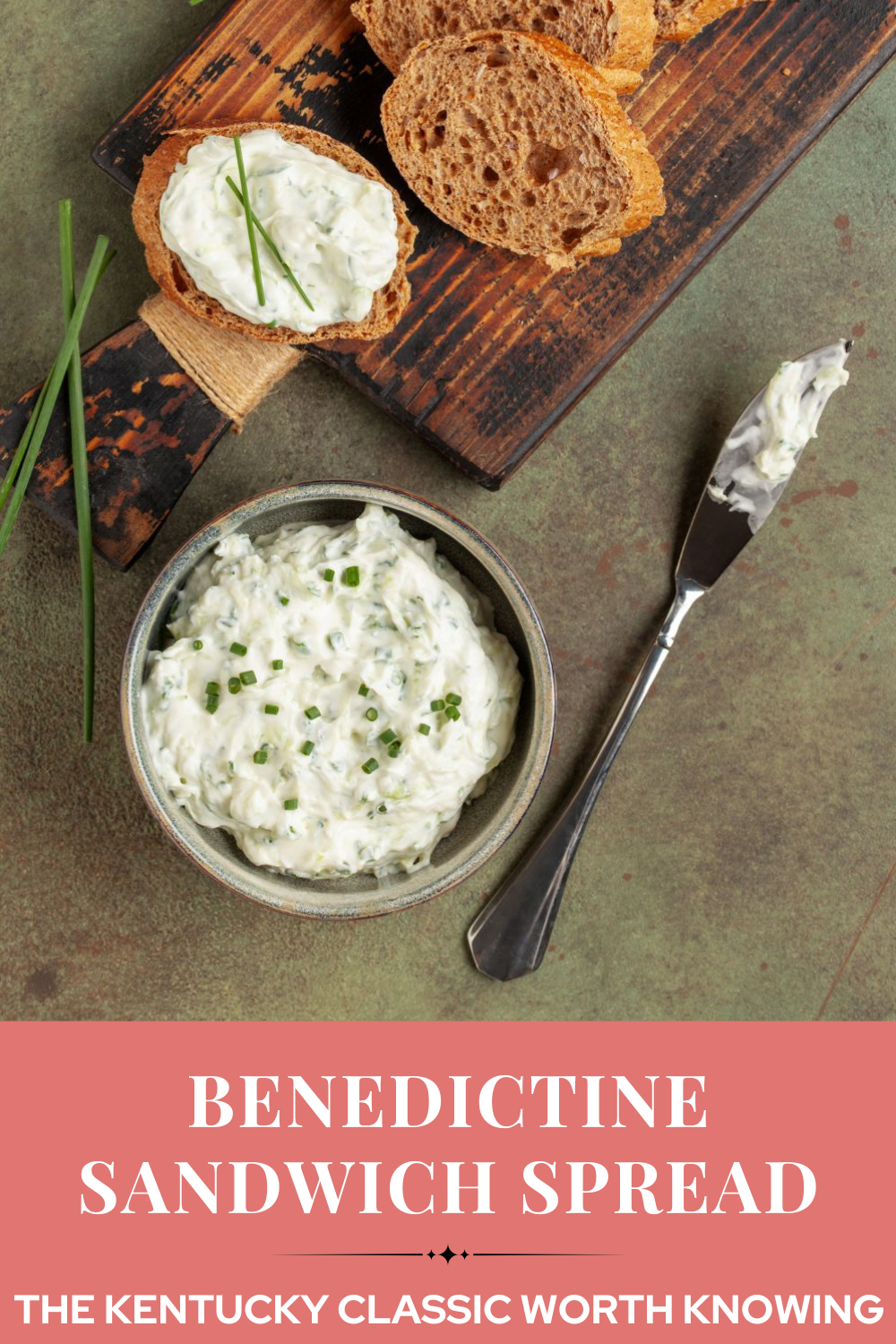
Benedictine sandwich spread is a Louisville, Kentucky original, created by caterer and cookbook author Jennie Carter Benedict around the turn of the 20th century. Softened cream cheese forms a cool, creamy base that absorbs the fresh cucumber and white onion, producing a spread with a delicate herbal flavor from fresh dill and a quiet heat from hot sauce. The finished spread is smooth enough to glide across thin slices of bread without tearing, making it the ideal filling for finger sandwiches at a Kentucky Derby party, bridal shower, or tea party.
- Total Time: 45 Minutes
- Yield: 30 Tea Sandwiches 1x
Ingredients
- 8 ounces softened cream cheese
- 1 small white onion, grated
- 1 cup cucumber, peeled and grated
- 1 teaspoon fresh dill (or dried dill in a pinch)
- 1 tablespoon mayonnaise (more or less)
- 1/2 teaspoon white pepper
- 1/2 teaspoon salt
- 2-3 dashes hot sauce
- Chives, chopped, for garnish
Instructions
- Pull Your Cream Cheese Out First: Set your cream cheese on the counter at least an hour before you plan to make this spread and let it soften fully at room temperature. Cold cream cheese won’t mash smoothly, and it won’t absorb the cucumber and onion the way it needs to. This is the one step that requires zero effort and pays off the most, so don’t skip it.
- Grate the Cucumber and Onion: Peel your cucumber and grate it on the fine side of a box grater directly over a bowl. Grate the white onion on the same side. Fine shreds incorporate into the cream cheese far more smoothly than chopped pieces, giving you that silky, spreadable texture that holds together on a slice of bread. Work over a bowl so you can collect the juice that releases as you grate.
- Squeeze Out the Excess Liquid: Transfer the grated cucumber and onion into a piece of cheesecloth and pull the corners together to form a bundle. Squeeze firmly over the sink until the liquid stops running freely. You’ll be surprised how much comes out. You don’t need to wring it completely dry, but removing the majority of that cucumber juice is what keeps your Benedictine spread firm enough to stay on the bread instead of soaking through it.
- Mash and mix the cream cheese base: Using a fork, mash your softened cream cheese in a large bowl until it’s completely smooth and pliable, almost like a thick frosting consistency. This is the step that determines whether your Benedictine spread will be silky or slightly grainy, so don’t rush it. The goal is for the cream cheese to absorb the cucumber mixture without resistance. Once it’s smooth, stir in the blended cucumber and onion until fully combined.
- Season and adjust: Add the salt, white pepper, fresh dill, hot sauce, and mayonnaise. Stir everything together thoroughly. The mayonnaise is your consistency control: start with the tablespoon called for in the recipe and add a little more if you want a looser, more dippable spread. Two dashes of hot sauce won’t make it spicy. It adds a background warmth that keeps the whole thing from tasting flat. Taste it and adjust the salt and dill according to your personal taste.
- Chill, then garnish and serve: Cover the bowl and refrigerate for at least 30 minutes before serving. The chill time lets the flavors settle and the dill fully perfume the spread, and it firms the texture back up after all that mixing. Before serving, garnish generously with chopped green onion. Spread onto thin slices of soft white bread, pumpernickel, or rye, and cut each slice into triangles using a serrated knife for clean edges. A round biscuit cutter also works beautifully for a more formal presentation.
- Prep Time: 15 Minutes
- Chill Time: 30 Minutes
- Category: Appetizer, Lunch
- Method: Refrigerated
- Cuisine: American
Pin This Benedictine Sandwich Spread Recipe For Later
Why This Benedictine Spread Recipe Still Works Today
Cream Cheese Gets The Credit
Cream cheese is the reason Benedictine spread achieves its texture: firm enough to hold its shape on a slice of bread without soaking through, but soft enough to spread without tearing the bread.
Fat content matters here. Full-fat cream cheese holds structure as it chills, which is what keeps your tea sandwiches from collapsing before they make it to the table. Reduced-fat versions contain more water and tend to weep, especially after they sit for an hour at room temperature during a party.
Use English Cucumbers
Using a fresh English cucumber rather than a standard grocery store cucumber makes a noticeable difference, because English cucumbers have thinner skin, fewer seeds, and a higher flesh-to-water ratio. You'll get more cucumber flavor with less liquid to manage.
Fresh Dill and Hot Sauce Are the Flavor Architecture
A Benedictine spread without dill tastes pleasant but anonymous. The dill is what gives it that herbal, slightly grassy note that makes people ask what's in it. Fresh dill performs better than dried dill in this recipe because it releases its oils directly into the cream cheese as the spread chills.
The hot sauce functions as a flavor amplifier rather than a heat source. It lifts all the other flavors and prevents the spread from reading as bland, which is the fate of any cream cheese spread that skips the acid.
White Onion and Chives
The recipe uses grated white onion mixed into the spread and chives as a garnish, and the distinction is intentional. White onion blends smoothly and distributes a mellow, slightly sharp onion flavor throughout the entire spread without any stringy texture.
Chives on top stay fresh and crisp, adds a visual pop of color against the pale cream cheese, and gives each bite a brighter onion note that the white onion alone can't provide. Don't skip either one.
How to Make Perfect Benedictine Tea Sandwiches
Start with Properly Softened Cream Cheese
Cold cream cheese doesn't mash. It crumbles, leaves lumps, and refuses to absorb the cucumber mixture the way it needs to.
Pull your cream cheese out at least an hour before you plan to make this spread and let it sit at room temperature until it's genuinely soft and pliable. If you're in a hurry, cut the block into small pieces and spread them out on a plate. They'll soften in about 20 minutes, which is enough time to prep your cucumber and onion.
Drain Your Cucumber Before It Drains Your Patience
Failing to drain the cucumber is the number one reason homemade Benedictine spread turns runny by the time it reaches the table. Maybe "drain" isn't even the right word. The juice has to be squeezed out.
When I make this recipe, I use an English cucumber like the recipe calls for, grate it, and wring it out in a clean cheesecloth until it stops dripping. I'm always surprised by how much liquid comes out of what looks like such a small amount of cucumber, and that is what keeps the spread firm instead of watery by the next day.
Use a Serrated Knife for Clean Cuts
Trying to cut tea sandwiches with a straight-edged knife compresses the bread and ruins the presentation before the first guest even picks one up. A serrated bread knife 🛒 cuts through soft white bread and pumpernickel without pressing down, which keeps the sandwich layers intact and the edges clean.
Cut each sandwich in half diagonally for triangles, or use a biscuit cutter for rounds if you want a more formal look for a bridal shower or tea party table.
Make It the Night Before
Benedictine spread actually improves overnight. The dill has more time to perfume the cream cheese, the onion flavor mellows and becomes less sharp, and the texture firms up to the ideal spreading consistency.
Make the spread up to 24 hours ahead and store it in an airtight container in the refrigerator. Assemble the sandwiches no more than two hours before serving, and keep them covered with a slightly damp paper towel to prevent the bread edges from drying out.
Control the Consistency with Mayonnaise
The mayonnaise in this recipe is the consistency dial. One tablespoon keeps the spread fairly firm and ideal for tea sandwiches where the filling needs to stay in place. Add a second tablespoon if you want a looser spread suitable for using as a Benedictine dip with crackers or crudités.
Keep in mind that the spread loosens slightly as it sits at room temperature, so it's always better to start on the firmer side and let the room do the work.
Mayonnaise Adjustment Guide for Different Serving Styles
Mayonnaise Amount | Best Serving Method | Consistency |
|---|---|---|
1 tablespoon | Tea sandwiches, canapés | Firm, holds shape for hours |
2 tablespoons | Crackers, bagel spread | Spreadable but still structured |
3 tablespoons | Vegetable dip, chip dip | Scoopable, dippable texture |
4+ tablespoons | Not recommended | Too loose; loses structure entirely |
Products to Use for This Benedictine Sandwich Spread Recipe
We use Amazon links for tools that we use in our own kitchen and make sense for the recipes we share. If you choose to shop through those links, you help keep these vintage recipes alive and off the endangered list, at no extra cost to you.
Grating cucumber on a standard box grater works beautifully for Benedictine spread, but the cleanup can turn into a soggy mess if the grater shifts around on your cutting board while you work.
A stainless steel box grater 🛒 with a non-slip base stays planted while you grate, which means less wrestling with the tool and more control over the texture. You'll get consistently fine shreds that incorporate into the cream cheese smoothly, and the whole thing rinses clean in about thirty seconds.
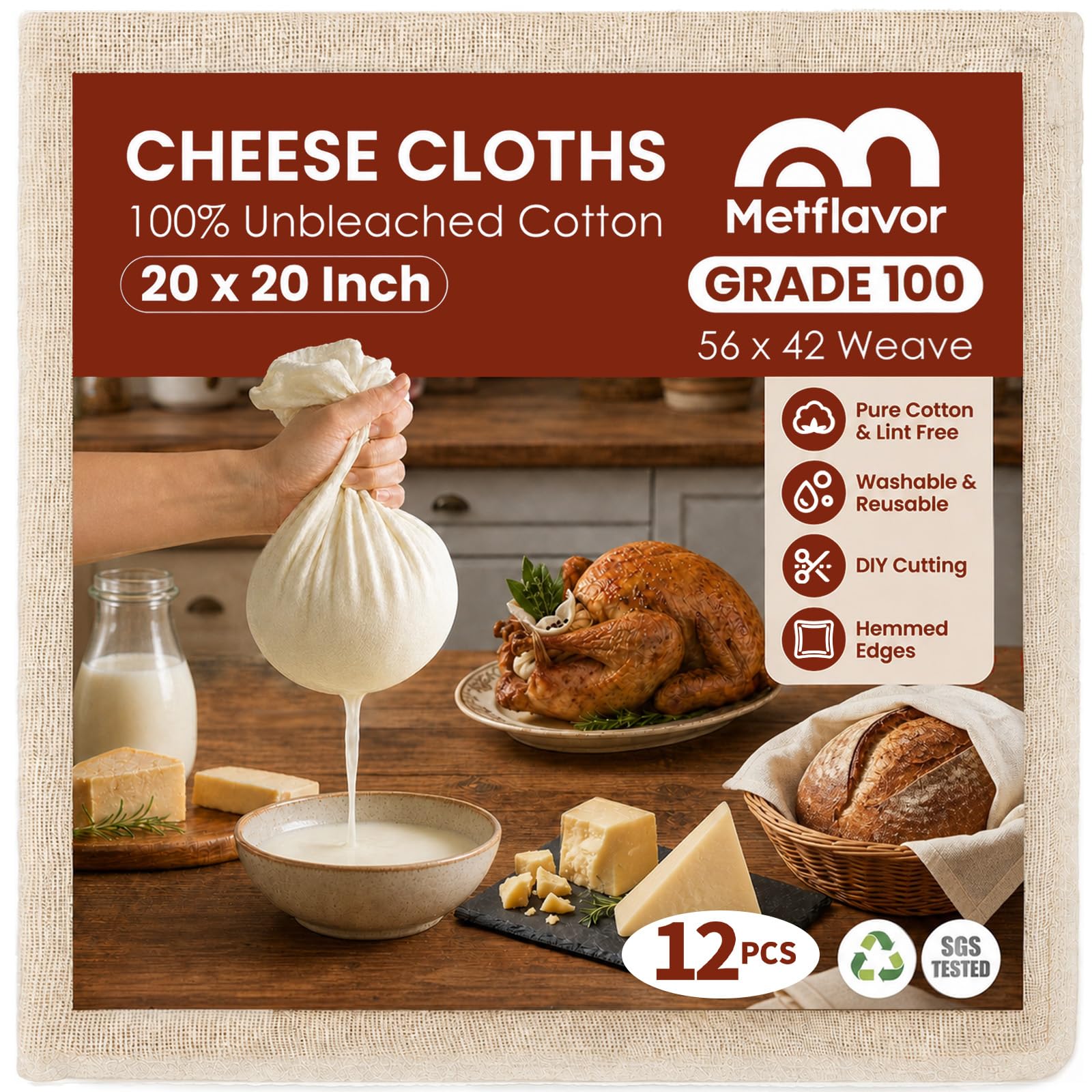
Wringing grated cucumber out in a cheesecloth 🛒 gives you a clean squeeze and lets you see exactly how much liquid you've removed before it causes problems in your spread.
The open weave releases moisture faster than terry cloth and doesn't leave lint behind in your food. You'll use it again for straining stocks, making homemade ricotta, and any recipe that asks you to drain something properly.
If you're making Benedictine tea sandwiches for a Kentucky Derby party or bridal shower, a stainless steel biscuit cutter set 🛒 gives you an elegant shape that looks intentional rather than improvised. The same cutters work for scones, biscuits, and dessert presentations, so they're not a single-use purchase.
For storing Benedictine spread between making it and serving it, a glass storage container with airtight lid 🛒 keeps the spread fresh for up to three days without absorbing refrigerator odors. Plastic containers can take on a faint onion smell over time, especially with spreads that contain raw onion.




Last update on 2026-11-19 at 16:59 / Affiliate links / Images from Amazon Creators API
Recipe Variations, Serving Ideas, & Storage
Recipe Variations
Frequently Asked Questions
Benedictine sandwich spread is a Louisville, Kentucky cream cheese and cucumber spread created by caterer Jennie Carter Benedict around 1900. It blends softened cream cheese with grated cucumber, white onion, dill, mayonnaise, and a touch of hot sauce into a cool, spreadable filling for tea sandwiches.
Benedictine spread uses a cream cheese base, which makes it firmer and denser than a cucumber dip made with sour cream or yogurt. That structure is what lets it hold its shape on a slice of bread instead of soaking through or sliding out.
Benedictine spread keeps well in the fridge for up to three days in an airtight container, and the flavor actually improves after the first 24 hours. Make the spread a day ahead, but wait to assemble the sandwiches until two to three hours before serving so the bread doesn't get soggy.
Soft white bread is the classic choice for Benedictine tea sandwiches since it lets the cucumber and cream cheese flavor lead. Pumpernickel adds an earthy contrast, and rye brings a savory depth that works well alongside bolder party food.
Watery Benedictine spread almost always comes from cucumber that wasn't drained before it went into the cream cheese. Squeeze grated cucumber in a cheesecloth first, and start with fully softened cream cheese so it doesn't absorb the extra moisture.
English cucumbers are actually the better choice here, thanks to thinner skin, fewer seeds, and a higher flesh-to-water ratio than standard grocery store cucumbers. That means more cucumber flavor and less liquid to drain, and you can skip peeling if you want a uniform color.
Traditional Benedictine spread was often tinted pale green with a few drops of food coloring for that classic Louisville look. Most modern recipes skip it and let a chives garnish do the color work instead, since it doesn't change the flavor either way.
Serve Benedictine spread three ways for a Derby party: pre-cut tea sandwiches on a platter, a self-serve bowl with bread on the side, and a dip with cucumber slices and crackers. Pair it with pimento cheese for a classic Louisville spread combo.
Benedictine spread scales up easily by doubling or tripling the same ratios in a large bowl or food processor. Larger batches release more cucumber liquid, so give it extra draining time, and use the spread within three days since the cream cheese base doesn't hold longer than that.
The Spread That Outlasted a Century
Jennie Benedict couldn't have known in 1900 that the creamy cucumber spread she served at her Louisville tearoom would still be showing up on party platters well into the 21st century. But that's what happens when a recipe is genuinely good, genuinely simple, and genuinely suited to the moment.
Benedictine spread fits every table it lands on, whether that's a Kentucky Derby watch party, a backyard baby shower, or a quiet afternoon with good bread and a reason to slow down.
If you make this Benedictine sandwich spread, please leave a rating and review below. Save it to Pinterest, pass it along, and tell me what table you're bringing it to.
Did you grow up eating Benedictine spread in Kentucky, or is this your first introduction to Jennie Benedict's iconic recipe? I'd love to know how you're serving it.