
In 1908, Alfredo di Lelio stirred together unsalted butter and aged parmesan cheese at his family's restaurant at Piazza Rosa in Rome to restore his wife Ines's appetite after childbirth, and the principle he discovered has held for over a century: fat, aged cheese, and patient low heat produce a result no jar has ever honestly replicated. This best homemade alfredo sauce recipe builds on that foundation in under 15 minutes, with just four main ingredients and a slow-stir technique that keeps every batch glossy, smooth, and exactly as thick as you want it.
Why Homemade Alfredo Sauce Feels Harder Than It Is
The fear most people have about making homemade alfredo sauce is completely reasonable: the mental image of parmesan seizing into stretchy, clumped strings while the cream sits in a pool underneath. If that has happened to you before, the problem was heat and speed. Parmesan has a very low moisture content compared to other melting cheeses, which means it needs a cool, slow entry point into the cream to dissolve cleanly. Rushing it over high heat locks the proteins before they can emulsify, and the sauce never recovers from that.
The solution is patience at the right moment. Bring the cream to its bubble point, pull the heat back to medium-low, then introduce the parmesan in small, deliberate batches. Your only job from that point forward is to stir slowly and wait until each batch is fully absorbed before adding the next. No scrambling. No rescue attempts. Just low heat and attention.
A jar of store-bought alfredo sauce sidesteps this problem by replacing the emulsification process with stabilizers and preservatives. The result is a creamy sauce that never breaks, but it has traveled a long way from what di Lelio actually served in 1908. This recipe covers that same distance in fifteen minutes with a handful of basic ingredients.
If you're in the mood for a pasta with red sauce, try this vintage 1950s lasagnette casserole.
A Note on the Type of Cheese To Use
We recommend freshly grated parmesan here - and it's not us being fussy. Pre-shredded parmesan from the grocery store contains anti-caking agents, typically cellulose powder, that do not melt cleanly into dairy. They coat the cheese in a thin barrier, and the result in the sauce is gritty rather than the glossy, smooth sauce the recipe is built around. A wedge of parmesan cheese against a box grater takes under three minutes and completely eliminates that problem.
A little goes a long way here. Parmesan is intensely salty and sharp, which means the quantity in this recipe is calibrated carefully. On your first time making it, follow the measurements exactly, taste at the end, and adjust from there.
Some home cooks reach for cream cheese to add body and stability. It works, and it produces a very consistent result, but the flavor drifts away from traditional alfredo sauce and toward something thicker and tangier. For authentic Italian alfredo sauce, stick with parmesan and heavy cream.
If you prefer a milder, creamier, stretchier sauce (is stretchier a word??), freshly shredded mozzarella makes a genuinely fantastic alternative. You can also blend both cheeses: the parmesan brings sharpness and depth, and the mozzarella adds a smooth, silky pull.
This sauce is simple, but it doesn't like to be rushed. Give it gentle heat and a slow hand, and it will come together beautifully in minutes.
What Makes This Homemade Alfredo Sauce with Parmesan So Reliable
Heavy Cream Does the Heavy Lifting
Heavy whipping cream contains at least 36 percent milkfat, which gives it the structural stability to hold cheese in suspension without separating under heat. Lower-fat alternatives like half-and-half lack that fat content, and the sauce is far more likely to break when the parmesan is added. Starting with full-fat heavy cream means your creamy sauce stays emulsified and glossy from the first stir to the last bite.
Unsalted Butter Builds the Base
The authentic fettuccine alfredo di Lelio served in 1908 used only butter and parmesan, with no cream at all. Using unsalted butter rather than salted gives you control over the final seasoning, since parmesan is already assertively salty on its own. Melt butter gently over medium heat before adding the cream, and you establish a fat foundation the parmesan cheese can dissolve into cleanly.
Freshly Shredded Parmesan Melts Cleanly
Pre-shredded parmesan is coated in cellulose powder that acts as a barrier between the cheese granules and the hot cream, which is the primary reason bagged parmesan produces a grainy, uneven sauce. A wedge of parmesan shredded fresh against a box grater dissolves into the cream smoothly, with a sharp, nutty depth that processed parmesan cannot produce. You will taste the difference in the first spoonful.
White Pepper Keeps the Sauce Visually Clean
White pepper brings a subtle, earthy heat to this sauce without the visible black flecks that would interrupt the pale, glossy appearance. The flavor profile of white pepper is also slightly more delicate than black pepper, which means it seasons the sauce quietly in the background and lets the parmesan lead. For a pale, smooth cream sauce where presentation counts, that distinction matters more than it sounds.
The Slow-Stir Method Prevents Every Common Failure
Adding parmesan in small batches over medium-low heat gives each addition time to fully melt and incorporate before the next one arrives. When you add all the cheese at once over high heat, the proteins seize before they can incorporate, and the sauce turns stringy and uneven. The slow-stir method adds about two extra minutes to the total cook time and eliminates every problem that makes homemade alfredo frustrating to attempt.
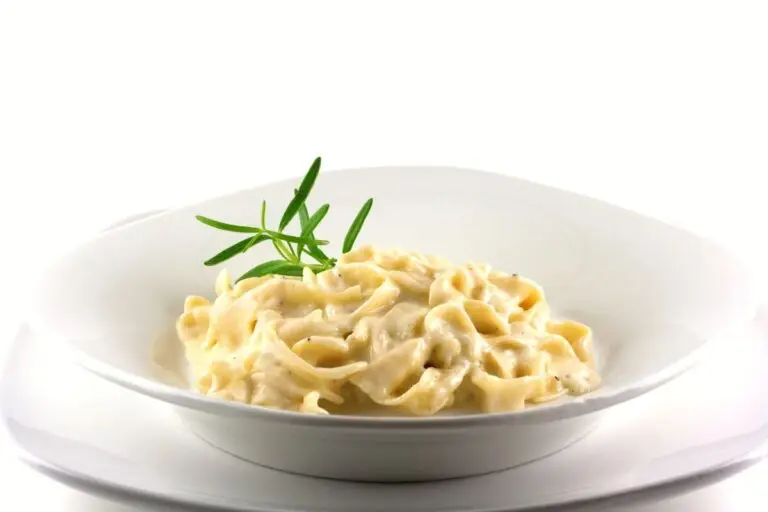
Easy Timeless 4-Ingredient Alfredo Sauce Recipe
This timeless homemade alfredo sauce with heavy cream and parmesan draws from the cream-based Italian-American tradition that spread across the United States through the mid-twentieth century, adapting the simple butter-and-cheese preparation Alfredo di Lelio first introduced in Rome in 1908. Made with just four ingredients, this recipe uses a slow-stir technique that introduces cheese in small batches over medium-low heat, preventing the seizing and clumping that typically derails homemade alfredo. The result is a glossy, restaurant-thick sauce that coats pasta cleanly and adjusts naturally in texture: add cream to loosen, add more parmesan to tighten
- Total Time: 15 Minutes
- Yield: 4 Servings 1x
Ingredients
- 2 1/2 cups heavy cream
- 2 teaspoons unsalted butter, divided
- 1 1/2 to 2 cups freshly shredded parmesan (see Notes for mozzarella option)
- Salt and white pepper to taste
Instructions
- Heat the cream: Pour the heavy cream into a glass or nonstick saucepan and heat over medium heat.
- Melt in butter: Add 1 teaspoon of the butter and stir until it melts completely into the cream.
- Watch for bubbles: Watch the edges of the pan. When small bubbles begin to form along the sides, reduce the heat immediately to medium-low. This is your signal to begin adding the cheese.
- Add parmesan in batches: Add the shredded parmesan in small batches, stirring slowly with a spoon or whisk after each addition. Do not rush this step.
- Check for glossiness: Continue adding parmesan in batches, waiting until the cheese on your spoon or whisk releases cleanly without stringing before adding the next handful. The sauce is ready for more when it looks glossy rather than stringy.
- Adjust consistency: Add parmesan until the sauce reaches your preferred taste and thickness. For a thicker sauce, stir in more parmesan. For a looser sauce, stir in a small splash of warm heavy cream.
- Finish with butter: Remove from heat and stir in the remaining 1 teaspoon of butter for extra gloss.
- Season and serve: Season with salt and white pepper to taste. Serve immediately over your favorite pasta.
Notes
- Freshly shredded parmesan is essential for a smooth sauce. Pre-shredded parmesan contains anti-caking agents that prevent clean melting and produce a grainy texture.
- Shredded mozzarella works as a mild, stretchy alternative to parmesan, or blend both cheeses for a creamier, less sharp sauce with a silkier pull.
- Always use a glass or nonstick saucepan to prevent scorching and ensure even heat distribution throughout cooking.
- The sauce thickens further as it cools. Pull it from the heat when it looks slightly thinner than your target consistency.
- Finishing with the second teaspoon of butter (off the heat) adds sheen and rounds out the richness in the final sauce.
- Prep Time: 5 Minutes
- Cook Time: 15 Minutes
- Category: Pasta
- Method: Stovetop
- Cuisine: Italian
How to Make Homemade Alfredo Sauce with Parmesan Perfectly Every Time
Wait for the Bubble Signal Before Adding Cheese
Adding parmesan to cream that is still cool means the fat never fully opens up for emulsification. Adding it to cream at a full boil means the proteins cook too fast and seize before they can dissolve. The window you are looking for is small bubbles forming at the edges of the pot: that is your signal to reduce the heat and begin adding the cheese. Hit that window and the rest of the process is straightforward.
Shred Your Own Parmesan
Worried your sauce will turn out grainy or gritty? That texture almost always traces back to bagged parmesan. The anti-caking coating on pre-shredded cheese does not melt cleanly into warm cream, which is why so many homemade alfredo sauces disappoint on texture despite using the right proportions. Reaching for a box grater set and a parmesan wedge takes under three minutes and completely transforms the final result. After testing this sauce seven different ways, fresh-grated cheese is the single variable that matters most.
Add Each Batch Before Checking the Next
The visual cue you are waiting for is this: when the cheese on the whisk or spoon releases cleanly without dragging strings behind it, the batch has fully melted. Only then should you add the next small handful. If you add more parmesan while the previous batch is still stringy, you stack the problem on itself and the sauce never fully smooths out. Patience at this step is the entire technique.
Use the Right Saucepan
Scorching at the bottom of the pot is one of the most common reasons homemade alfredo develops a bitter undertone even when the top of the sauce looks fine. As the cream thickens during cooking, it becomes increasingly susceptible to sticking against rough or reactive surfaces. A quality nonstick saucepan distributes heat steadily from the base up, which keeps the bottom of the sauce at the same temperature as the top throughout the entire process.
Pull the Sauce from the Heat Before It Looks Finished
The sauce continues to thicken as it cools, and what looks slightly thin in the hot pan will reach your preferred consistency within 60 to 90 seconds off the heat. Pulling it when it is almost-but-not-quite as thick as you want gives you a natural window to toss pasta directly into the pot without overcooking the sauce. If it does over-thicken after sitting, a small splash of warm cream over low heat and a quick stir brings it right back.
Season at the End, Not the Beginning
Parmesan is already salty, and the final salt level will depend on how much cheese you use and how much the cream reduces during cooking. Tasting and seasoning with salt and white pepper at the end, once the sauce has reached its finished texture, gives you an accurate reading rather than a guess.
Recipe Variations, Serving Ideas, & Storage
Recipe Variations
Frequently Asked Questions
Yes, homemade alfredo sauce with heavy cream can be made up to four days in advance and stored in a sealed, airtight container in the refrigerator. Reheat the sauce gently over low heat on the stovetop, stirring constantly and adding a small splash of heavy cream to restore the texture, since alfredo thickens considerably when chilled. Avoid reheating in a microwave, as the uneven heat causes the cream and fat to separate before the sauce warms through evenly.
Grainy homemade alfredo sauce is almost always caused by one of two things: pre-shredded parmesan (which contains anti-caking agents that do not melt cleanly into warm cream) or adding the cheese over heat that is too high. Switching to freshly shredded parmesan from a block and reducing the heat to medium-low before adding the cheese resolves both problems at once. Adding the parmesan in small batches, rather than all at once, gives each addition time to melt smoothly before the next one goes in.
Homemade alfredo sauce clumps and turns stringy when the cheese is added too quickly or when the heat is too high at the moment of addition. The proteins in parmesan seize when they encounter sustained high heat before they have had a chance to emulsify into the cream. To avoid this, reduce the heat to medium-low when you first see small bubbles forming at the edges of the pot, then add the parmesan in one small batch at a time, stirring slowly after each addition and waiting for the previous batch to fully melt before adding more.
Freshly shredded parmesan is the best cheese for homemade alfredo sauce with heavy cream because its granular, low-moisture structure melts slowly and evenly into warm cream, producing a sharp, nutty flavor and a smooth, glossy texture. Shredded mozzarella works as a mild, stretchy alternative and produces a creamier, less sharp sauce with a silkier pull. A combination of parmesan and mozzarella blends both qualities and creates a sauce with some sharpness, a creamier body, and a satisfying texture across a range of pasta shapes.
Substituting half-and-half for heavy cream in homemade alfredo sauce produces a thinner and less stable sauce because half-and-half contains significantly less milkfat than heavy cream (roughly 10 to 12 percent versus 36 percent or more). The lower fat content reduces the cream's ability to hold the cheese in suspension, and the sauce is more likely to separate under heat. Heavy cream is the ingredient responsible for the thick, glossy, restaurant-style texture of homemade alfredo, and substituting it changes both the consistency and richness noticeably.
White pepper is used in this homemade alfredo sauce to keep the sauce visually clean and pale without the dark flecks that black pepper would introduce. The flavor of white pepper is also slightly more subtle and earthy than black, which means it seasons the sauce quietly in the background without overpowering the parmesan. For a pale, smooth cream sauce where presentation matters, white pepper allows the cheese flavor to lead while still contributing a gentle, underlying heat.
Homemade alfredo sauce that is too thick can be fixed by adding a small amount of warm heavy cream directly to the sauce over low heat while stirring. Add the cream a little at a time rather than all at once to avoid over-thinning the sauce. Keep in mind that alfredo always thickens further as it cools, so pulling it from the heat when it looks slightly thinner than your target consistency will land you at the right texture once it rests for about a minute off the burner.
Garlic can be added to homemade alfredo sauce with heavy cream, though this recipe intentionally leaves it out to preserve the clean, simple flavor of the parmesan. If you want garlic, mince one to two cloves and warm them gently in the butter before adding the heavy cream, just long enough to become fragrant without browning. Browned garlic adds a bitter edge to a cream sauce, so keep the heat moderate and watch closely during those first 60 seconds.
Homemade alfredo sauce with heavy cream and parmesan keeps for up to four days in the refrigerator when stored in a sealed, airtight container. The sauce thickens significantly when cold as the fat content of the cream solidifies slightly. Reheat gently over low heat on the stovetop with a small splash of heavy cream, stirring constantly until smooth and warmed through before serving over fresh pasta.
Fettuccine is the traditional pasta for homemade alfredo sauce because its wide, flat surface holds the sauce in layers with every bite rather than allowing it to pool at the bottom of the bowl. Other good choices include pappardelle, tagliatelle, and ridged shapes like rigatoni or penne, which catch the sauce in their grooves and crevices. Thin pasta shapes like angel hair tend to get overwhelmed by a sauce this rich and thick, so a wider or more textured shape gives you a better ratio of cream to pasta in each forkful.
Pin This 4-Ingredient Homemade Alfredo Sauce Recipe For Later
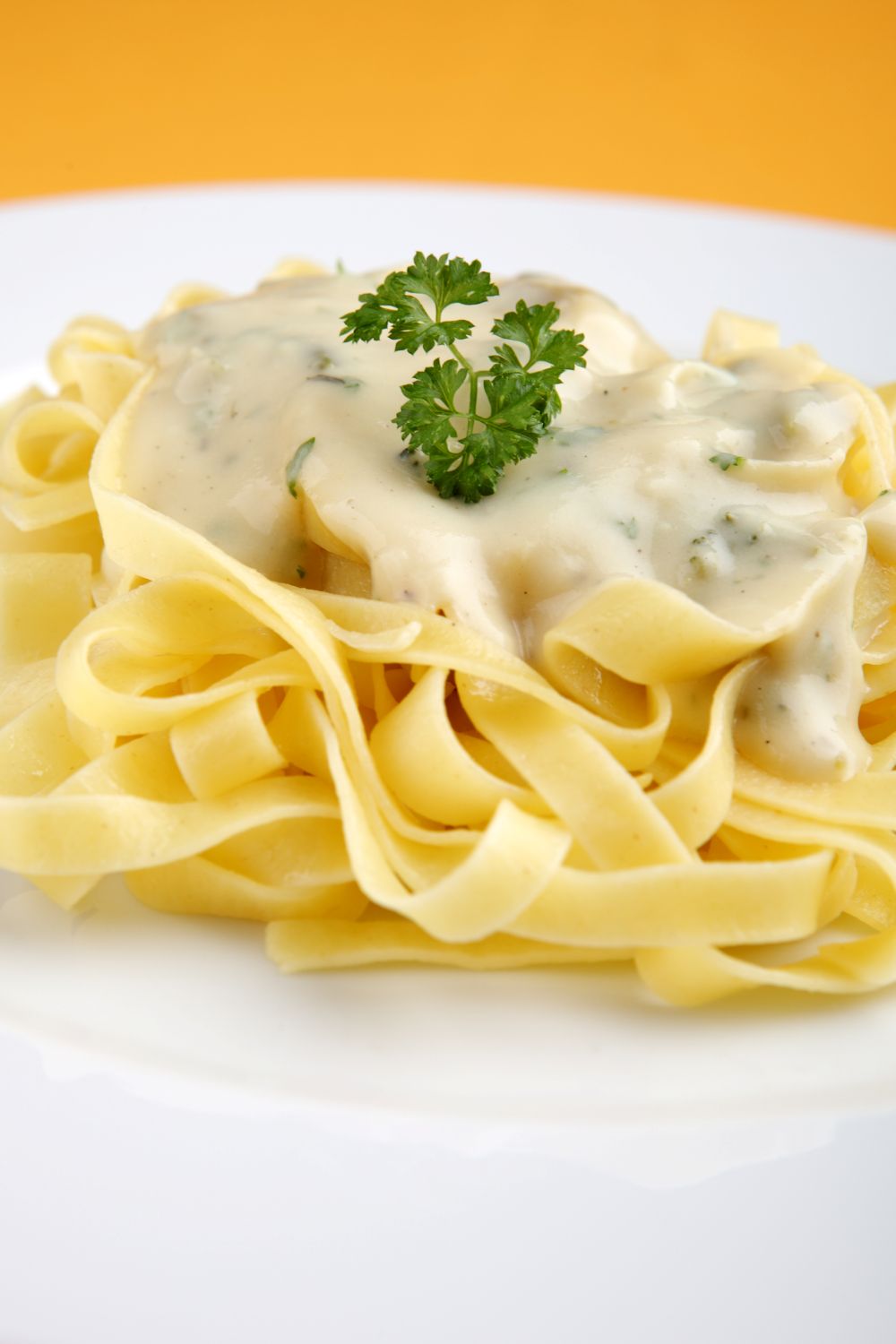
A Sauce Worth Coming Back To
Four ingredients. One pot. Fifteen minutes. This easy alfredo sauce earns a permanent place in your dinner rotation because it makes dinner feel like it required far more effort than it actually did, which is a quality worth preserving.
The best part of making your own alfredo sauce at home is what happens right after the first bite: someone asks if you made it yourself, and the answer feels genuinely good to give. The favorite thing people tell me about this recipe is that it finally made homemade pasta night feel worth the effort.
Leave a comment below and tell me how yours turned out. Did someone ask you for the recipe? Did it become the thing your household requests on a Wednesday? Those are exactly the kinds of stories that Recipe Rewind exists to keep alive.
If you make this recipe, please leave a rating and review below. It helps other readers find it, and it genuinely means a lot.


0 comments