
Before meal kits and 30-minute pasta shortcuts crowded every recipe app, home cooks were already pulling a bubbling old fashioned lasagna casserole out of the oven on a Tuesday night without breaking a sweat.
Documented in community cookbooks as far back as 1958, this classic lasagna recipe tosses tender noodles, seasoned ground beef, and a rich tomato sauce together in one baking dish and lets the oven do the heavy lifting. You get all the comfort of a homemade lasagna with a fraction of the work and none of the architectural stress.
Are you looking for a layered lasagna? I have a wonderful vintage 1967 baked lasagna recipe, too! Just click on the link.
The smell of Italian seasoning hitting a hot skillet is basically a dinner bell for everyone within earshot. There is something quietly confident about this recipe. It has never needed a rebrand, a viral moment, or a celebrity chef to vouch for it. It just keeps showing up, reliably, on the tables that matter most.
Lasagna in the American Kitchen
In 1958, the average American kitchen was working with a four-burner gas range, a rotary dial on the oven, and a copy of Better Homes and Gardens dog-eared somewhere near the back. Italian-American cooking was gaining real traction in home kitchens across the country, helped along by a postwar wave of immigration that brought new flavors into neighborhoods from New Jersey to California.
Lasagna showed up in home cookbooks during this period as a practical solution for feeding a hungry family without a restaurant budget. Ground beef was affordable, lasagna noodles were shelf-stable, and tomato sauce was increasingly available in cans. Families were watching The Ed Sullivan Show, driving freshly designed Chevrolets, and discovering that Italian food translated beautifully from the neighborhood restaurant to the home oven.
The casserole format made it even more accessible. No precise stacking, no architectural patience required. Cover it with aluminum foil, slide it into the oven, and let dinner take care of itself while everyone argued about what to watch. That logic holds up just fine today.
What Makes This the Best Old Fashioned Lasagna Casserole
Flexible Pasta Choices Work Perfectly
The original 1958 recipe calls for Mafalda pasta (those adorable mini lasagna noodles with ruffled edges), but penne, rigatoni, or even broken regular lasagna noodles work beautifully in this casserole.
The key is cooking your pasta just shy of al dente because it continues absorbing sauce flavors as it bakes, creating tender texture without turning mushy. This flexibility means you can make this recipe with whatever pasta shape is already sitting in your pantry.
Ground Beef Builds the Foundation
Ground beef is the workhorse of this recipe, and the way you cook it matters more than most recipes admit. Browning it properly in a large skillet over medium high heat gives you caramelized bits of meat that carry real depth into the sauce.
Drain the fat well before adding your tomato paste and pasta sauce, or you will end up with a greasy, heavy casserole that sits in your stomach like a bad decision.
The Cheese Blend Is the Heart of the Recipe
A generous cheese blend is what turns this from a simple pasta bake into something people ask you to make again. The combination of cottage cheese (or a ricotta cheese mixture), mozzarella cheese, and parmesan cheese creates a creamy, savory base that melts into the pasta and sauce as it bakes.
Cottage cheese, which many 1950s and 1960s recipes called for in place of ricotta, adds a mild richness that balances the acidity of the tomato sauce without overpowering it.
Tomato Paste Is the Flavor Multiplier
A spoonful of tomato paste stirred into your meat mixture before the pasta sauce goes in is one of the best ways to build a sauce that tastes like it simmered all afternoon.
Tomato paste is essentially concentrated tomato flavor, and cooking it briefly in the skillet over medium heat before adding liquid removes the raw, tinny edge. It is a small step that adds much flavor for almost no extra effort.
Red Pepper Flakes and Black Pepper Do Real Work
Seasoning at every stage is what separates a flat, one-note casserole from one with genuine depth. A pinch of red pepper flakes in the meat sauce adds a low, background warmth that most people will notice as flavor rather than heat.
Black pepper, garlic powder, and parsley flakes round out the seasoning profile and keep the dish tasting like a true homemade lasagna rather than a jarred sauce situation.
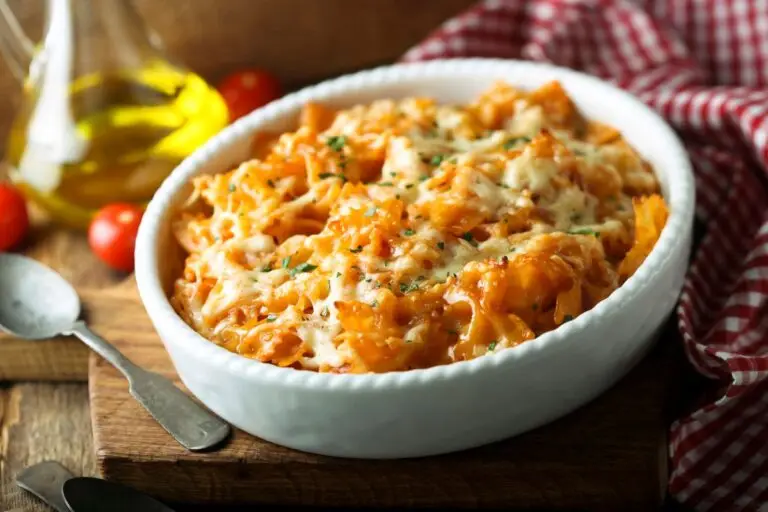
Vintage 1958 Lasagna Casserole
A delightful twist on a timeless classic, this 1958 Lasagna Casserole brings all the cheesy, savory flavors of traditional lasagna to your dinner table without the fuss. Imagine a hearty, delicious meat sauce, rich with savory ground beef and Italian seasonings, bubbling away with tender mini lasagna noodles. This easy recipe features a creamy blend of ricotta and mozzarella cheeses, creating the perfect comfort food for busy weeknights. Get ready to serve up a taste of nostalgia that will have everyone asking for seconds.
- Total Time: 0 hours
- Yield: 6-8 1x
Ingredients
- 2 teaspoons seasoned salt
- 1 lb. ground chuck, ground Italian sausage, or ground turkey
- 2 cloves garlic, crushed
- 1/2 teaspoon pepper
- 28 ounce can of diced stewed tomatoes
- 1 8-ounce can of tomato sauce
- 1 package spaghetti sauce mix or 32 ounces of marinara sauce will replace the tomato sauce and spaghetti sauce packet
- 12 ounces Mafalda or Lasagnette pasta
- 3 cups shredded mozzarella cheese
- 1 cup ricotta cheese
- 1/2 cup grated parmesan cheese
- Dried parsley for garnish
Instructions
- Preheat oven to 350°.
- Brown ground meat in a heavy-bottom pot over medium heat. Add 2 teaspoons of seasoned salt, 2 cloves of garlic, and ½ teaspoon of pepper. Simmer uncovered for about 10 minutes.
- Add one 28-ounce can of diced tomatoes, an 8-ounce can of tomato sauce, and one package of spaghetti sauce mix. Alternate: Add one 32-ounce jar of marinara sauce.
- Bring the meat sauce to a bubble, then turn the heat to low and simmer for 30 minutes; remove from heat.
- Stir 1 cup of ricotta cheese into the meat sauce; mix well.
- In a 9×13″ baking pan, add a layer of meat sauce, then a layer of pasta, then a layer of Mozzarella cheese. Repeat layers, ending with the meat sauce. Top with Parmesan cheese.
- Cover with foil and bake for about 20 minutes.
- Let it sit for about 10 minutes before serving. Garnish with a sprinkle of dried parsley.
Notes
Full-fat large curd cottage cheese can be substituted for ricotta.
- Prep Time: 40 minutes
- Cook Time: 20 mintues
- Category: Casseroles
- Method: Baked
- Cuisine: American
How to Make a Perfect Old Fashioned Lasagna Casserole
Start With a Properly Seasoned Meat Sauce
Heat some olive oil in a large skillet over medium heat before adding your ground beef. Season the meat with teaspoon salt, black pepper, and Italian seasoning as it browns so the flavor works its way in from the start.
Once the fat is drained, stir in your tomato paste first, let it cook for about two minutes, then add your pasta sauce and let everything simmer together on low heat for at least ten minutes.
Mix Your Cheese in a Medium Bowl First
Combine your cottage cheese or ricotta, egg, parmesan cheese, parsley flakes, and a pinch of black pepper in a medium bowl before anything goes into the baking dish. Mixing the ricotta mixture separately gives you a smooth, even blend that folds into the pasta without clumping. I have tried adding it straight from the container before, and the result is uneven pockets of plain cheese surrounded by dry noodles. Take the two minutes to mix it properly.
Combine Everything Before It Goes in the Dish
Toss your cooked noodles, meat sauce, and half of the cheese mixture together so the pasta is evenly coated before it hits the bottom of the baking dish. Spread the remaining cheese mixture over the top, then finish with mozzarella cheese and a generous handful of parmesan cheese. Every bite should have pasta, sauce, and cheese in it, not just the lucky ones in the middle.
Cover It Right, Then Uncover at the End
Cover the baking dish tightly with aluminum foil for the first portion of baking. This traps steam and ensures the pasta cooks through evenly without the cheese burning before the center is hot.
Remove the foil for the last ten to fifteen minutes so the top gets golden and slightly crisp at the edges, which is the best part and everyone knows it.
Let It Rest Before You Serve
Pull the casserole from the oven and leave it alone for at least fifteen minutes before scooping. The pasta, sauce, and cheese need time to settle so the casserole holds together when served rather than sliding around the plate in a well-meaning puddle. Room temperature resting is not optional here. Set a timer, step away, and reward yourself with five minutes of doing absolutely nothing.
Old Fashioned Lasagna Casserole Recipe Variations, Serving Ideas, & Storage
Recipe Variations
Frequently Asked Questions
Ricotta cheese. OK, fine ... Cottage cheese is the most authentic vintage substitute. Drain it well in a fine-mesh strainer for about 30 minutes before using to remove excess liquid, then proceed with the recipe exactly as written. Some people prefer the slightly tangier flavor of cottage cheese over ricotta's milder taste.
Absolutely. Assemble the entire casserole up to 24 hours before you plan to bake it, cover tightly with plastic wrap and foil, and refrigerate. When you're ready to serve, let it sit at room temperature for about 30 minutes, then bake as directed. You may need to add 5 to 10 extra minutes to the baking time since you're starting with a cold casserole.
The key is simmering your meat sauce for the full 30 minutes to reduce excess liquid and thicken it properly. Also, make sure you drain your cooked pasta thoroughly before layering, and if you're using cottage cheese instead of ricotta, drain it well first. Let the finished casserole rest for 10 minutes after baking so the sauce can set before slicing.
Yes. Assemble the casserole completely in a freezer-safe dish, cover tightly with plastic wrap and then heavy-duty foil, and freeze for up to 3 months. Thaw overnight in the refrigerator before baking. This is perfect for meal prep or for taking to someone who needs a ready-made meal.
Ground chuck (80/20) provides the best flavor and keeps the casserole moist without being greasy. Lean ground beef (90/10) works if you prefer less fat, though you may want to add a tablespoon of olive oil to keep things from drying out. Ground Italian sausage creates the most flavorful version, especially if you use a mix of half sausage and half ground beef.
Definitely. Sautéed mushrooms, diced zucchini, chopped spinach, or diced bell peppers all work beautifully mixed into the meat sauce. Just make sure you cook vegetables until tender and drain any excess liquid before adding them to prevent a watery casserole.
Pasta continues cooking as it bakes in the oven, absorbing liquid from the sauce and softening further. If you cook it fully before baking, it will become mushy and fall apart. Cooking it 2 minutes less than package directions gives you perfectly tender pasta in the finished casserole.
The sauce should be bubbling vigorously around the edges, the cheese on top should be melted and starting to turn golden in spots, and if you insert a knife into the center, it should come out hot to the touch. The internal temperature should reach 165°F if you want to use a thermometer.
Fresh mozzarella contains much more moisture than low-moisture shredded mozzarella and will make your casserole watery. If you really want to use fresh mozzarella, slice it thin, press it between paper towels to remove excess moisture, and use it sparingly as a top layer only rather than throughout the casserole.
Still Here After All These Decades
Home cooks in 1958 were not trying to win a cooking competition. They were trying to get dinner on the table for people they loved, with the ingredients they had, in the time they could spare. The fact that this old fashioned lasagna casserole still belongs on that list is all the endorsement it needs.
If you make this recipe, please leave a rating and a review below! Tell me whether you went with cottage cheese or ricotta, and whether anyone at your table noticed the difference.


0 comments