

Tuna rarebit is a mid-20th century American twist on Welsh rarebit, folding canned tuna into a warm cheddar cheese sauce spooned over toast. This tuna rarebit recipe uses a simple stovetop method with a tempered egg for a silky, rich sauce, ready in just 15 minutes.
Canned tuna and a block of sharp cheddar cheese turn into a warm, spoonable cheese sauce in this tuna rarebit recipe, ready in just 15 minutes flat.
I made this tuna rarebit recipe for the first time in sixth grade home economics class, and the smell of melting sharp cheddar cheese and warm milk still pulls me straight back to that classroom. I've made this cheese sauce dozens of times since then, and every fix below comes directly from the mistakes we made that afternoon.
From Poor Man's Meal to Postwar Lunch Table
Tuna rarebit borrows its name and its whole technique from Welsh rarebit, that glossy melted-cheese sauce spooned over toast that American cooks eventually stretched even further by folding in canned tuna.
Nobody can say for certain where "Welsh rabbit" actually came from; even food historians admit the name's origin is murky. The most repeated theory is that it started as an English joke, poking fun at the Welsh for supposedly settling for melted cheese when they couldn't afford real rabbit meat. It's a fun story, but it's worth saying plainly: no one has ever found solid proof behind it, so treat it as folklore rather than fact.
What we can verify is the recipe itself. The earliest written version of "Welsh rabbit" shows up in Hannah Glasse's 1747 cookbook, The Art of Cookery Made Plain and Easy, where she actually printed three cousins side by side: Scotch rabbit (plain toasted cheese), Welsh rabbit (with a bit of mustard added), and English rabbit (bread soaked in red wine before the cheese went on).
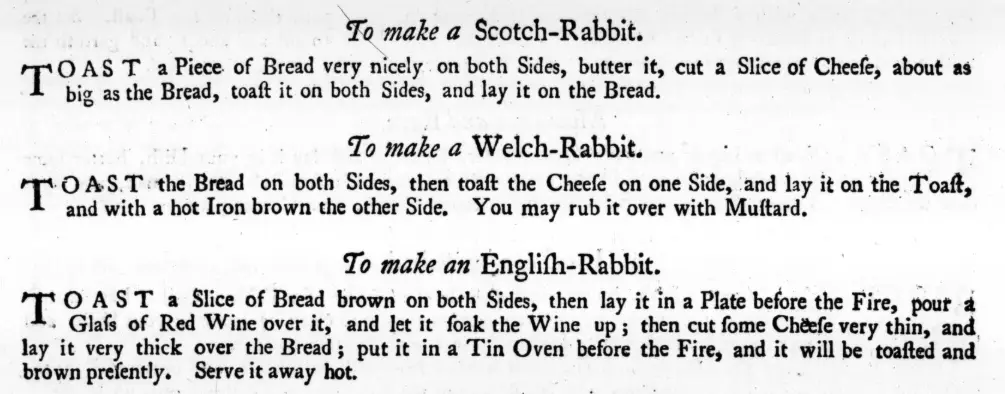
The clunkier "rabbit" gradually softened into today's "rarebit" sometime later, though exactly when that shift happened is still debated among food historians.
Rationing Turned Canned Tuna Into a Kitchen Workhorse
American home cooks eventually took that same cheese sauce and gave it a new job, using it to stretch canned tuna into a filling meal once wartime rationing made frugal cooking a daily necessity.
World War II rationing changed how families cooked almost overnight, and canned fish became one of the few proteins that stayed relatively accessible once meat, butter, and cheese joined the ration list in 1943.
Canned goods including fish stayed under point-based rationing from March 1943 until November 1945, which pushed home cooks toward recipes that stretched a single small can across an entire meal.
Tuna rarebit was born from that exact instinct: take a cheese sauce that had already been feeding people cheaply for two centuries, and add canned tuna to turn it into a heartier, more substantial lunch.
By the mid-20th century, American cooks had taken that same cheese sauce and put it to work stretching pantry staples. Vintage 1950s recipe cards and cooking shorts show tuna rarebit served as a quick, filling open-faced sandwich, canned tuna folded straight into the melted cheese sauce and spooned over toast.
It was the kind of practical, waste-nothing cooking that fit perfectly with an era when canned goods were a kitchen staple and stretching a little protein across a family meal was second nature.
Tuna and Cheese Had Already Been Paired Long Before Any Lunch Counter Story
Recipes for broiled, open-faced tuna sandwiches topped with melted cheese were already appearing in American cookbooks by the 1930s, years before any lunch counter tale about the sandwich's invention started circulating.
Tuna rarebit likely grew out of that same general shift, home cooks discovering that canned tuna and melted cheese worked well together, then applying that pairing to the already-established Welsh rarebit technique rather than inventing something out of nowhere.
Whatever exact kitchen or cook gets credit, the broader trend is well documented: canned tuna became genuinely affordable and popular in American households throughout the 1940s, right as recipes like this one were taking shape.
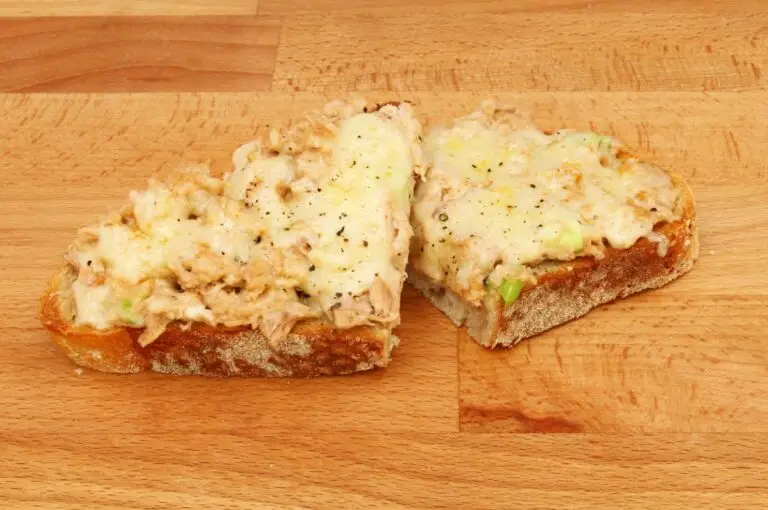
Vintage Tuna Rarebit Recipe
This vintage tuna rarebit recipe features a creamy cheddar cheese sauce studded with flaky tuna and fresh tomatoes, served over toasted rye bread for an easy retro lunch ready in 15 minutes.
- Total Time: 15 minutes
- Yield: 4 servings 1x
Ingredients
- 2 tablespoons butter
- 2 tablespoons all-purpose flour
- 1 medium tomato, diced (about 3/4 cup)
- 1 medium onion, finely chopped
- 1/2 teaspoon salt
- 1 teaspoon dry mustard
- 1 teaspoon Worcestershire sauce
- 1-1/2 cups sharp cheddar cheese, freshly grated
- 1 large egg, beaten
- 1 cup whole milk, scalded
- 1 can (7 oz) tuna, drained and flaked
- 4 slices rye bread, toasted
Instructions
- Prep your station first: Dice your tomato, chop your onion, grate your cheddar cheese, and drain your tuna before you turn on the burner. This cheese sauce moves fast once the egg goes in, and you don’t want to be fumbling with a cutting board while it’s threatening to seize up.
- Soften the onion first: Melt the butter in a medium saucepan over medium heat, then add the chopped onion and cook for 2 to 3 minutes until it turns soft and translucent. This gives the onion time to lose its raw bite before anything else goes into the pan.
- Build the base: Whisk the flour into the butter and onion, and cook for about a minute until it smells nutty rather than raw. Slowly whisk in the scalded milk, then drop the heat to low. You’re aiming for a smooth, slightly thickened base with no lumps.
- Season and melt in the cheese: Stir in the salt, dry mustard, and Worcestershire sauce, then add the sharp cheddar cheese by the handful, stirring between additions until fully melted. Keep the heat low the entire time, since cheese sauce cooked too hot tends to separate before it ever gets silky.
- Temper the egg carefully: Spoon a few tablespoons of the hot cheese sauce into the beaten egg first, stirring constantly, then pour the egg mixture back into the saucepan. This warms the egg gradually so it thickens the sauce instead of scrambling into it.
- Fold in the tomato and tuna: Add the diced tomato and flaked tuna, stirring gently just until everything is evenly distributed through the mixture. Overmixing breaks the tuna into mush and releases extra moisture from the tomato, so a light hand matters here.
- Serve immediately: Spoon the hot tuna rarebit over your toasted rye bread right away. This dish firms up fast as it cools, so have your toast ready and everyone at the table before you start plating.
- Prep Time: 5 minutes
- Cook Time: 10 minutes
- Category: Sandwiches
- Method: Stovetop
- Cuisine: American
Why This Tuna Rarebit Recipe Still Works Today
The Cheese Creates the Foundation
Sharp cheddar cheese is the backbone here, and you want at least 1½ cups of freshly grated cheese for proper body and flavor.
Pre-shredded cheese contains anti-caking agents that prevent smooth melting, so take the extra two minutes to grate a block of cheese 🛒 yourself. The cheese melts into the scalded milk to create a sauce that coats the back of a spoon, rich enough to hold its shape on toast without turning into a puddle.
Worcestershire Sauce Adds Depth
One teaspoon of Worcestershire sauce might not sound like much, but it's doing serious work. The fermented anchovies, tamarind, and vinegar create an umami backbone that makes the tuna taste more like tuna, not less. I've made this without it when I ran out once, and the whole dish fell flat, bland in a way that no amount of salt could fix.
Dry Mustard Cuts Through The Richness
Dry mustard 🛒adds a sharp, warm note that keeps this tuna mixture from tasting flat or one-note. It's the same ingredient that gives traditional Welsh rarebit its signature tang, and a little goes a long way here.
The Tomatoes Provide Balance
Fresh tomatoes cut through the richness with acidity and moisture. Dice them small so they integrate into the sauce rather than sitting on top in watery chunks.
Scalded Milk Prevents Graininess
Heating the milk to scalding (just below boiling, when tiny bubbles form around the edges) helps the cheese melt smoothly without separating into greasy pools.
Cold milk added to hot cheese creates temperature shock that leads to grainy, broken sauce. This one step is the difference between creamy and disappointing.
How to Make Perfect Tuna Rarebit
Toast Your Bread Properly
Rye bread is traditional for good reason. The caraway seeds provide an aromatic contrast to the mild tuna and rich cheese sauce. Toast the bread until it's golden and crisp enough to support the weight of the topping without turning soggy, but not so dark that it tastes bitter.
I brush the bread lightly with butter before toasting for extra flavor and a moisture barrier. If you prefer a neutral base, sourdough or a sturdy whole wheat works beautifully.
Control Your Heat
Use medium-low heat when making the cheese sauce, even though it feels painfully slow. High heat will cause the flour to brown before it cooks through, leaving a raw taste, and it will scramble the egg before it has a chance to thicken the sauce.
When you add the scalded milk, whisk constantly for about three minutes until the mixture thickens enough to coat a spoon. Your arm will get a workout, but that's how you know you're doing it right.
Don't Overmix the Tuna
Stir the flaked tuna into the cheese sauce just until it's evenly distributed. Aggressive stirring breaks the tuna into mush and releases extra moisture that thins the sauce. I've learned this the hard way after turning a perfectly good batch into fishy cheese soup. The tuna should stay in recognizable flakes that provide textural contrast to the smooth sauce.
Let the Mixture Bubble
After you've added all the ingredients, let the mixture come to a gentle bubble. This final simmer melds the flavors together and ensures the egg is fully cooked. You'll see the sauce thicken visibly in the last minute or two. If it looks too thick, add a tablespoon of milk. If it's too thin, let it bubble for another minute or two.
Serve Immediately
Tuna rarebit waits for no one. The cheese sauce thickens as it cools, and what was perfect spooning consistency five minutes ago becomes cement-like if you let it sit. Have your toast ready, your table set, and everyone sitting down before you start plating. This is not a make-ahead-and-reheat situation.
Tools & Ingredients Worth Having For This Tuna Rarebit Recipe
We don’t run an ad network here because nobody wants a recipe with a side of ads. Instead, we quietly use Amazon links for tools that we actually use in our kitchen and make sense for the recipes we share. If you choose to shop through those links, you help keep these vintage recipes alive and off the endangered list, at no extra cost to you.


Last update on 2026-11-19 at 04:51 / Affiliate links / Images from Amazon Creators API
Recipe Variations, Serving Ideas, & Storage
Recipe Variations
Frequently Asked Questions
Tuna rarebit is a vintage 1950s recipe that combines a creamy cheddar cheese sauce with canned tuna, served over toasted bread. It's an American adaptation of Welsh rarebit, which is essentially beer-spiked cheese sauce on toast. The tuna version became popular in postwar America as an economical way to stretch a can of tuna into a satisfying meal.
Sharp cheddar provides the best flavor, but you can substitute Gruyère for a more sophisticated taste or American cheese for a milder, kid-friendly version. Avoid mozzarella or other low-moisture cheeses as they don't create the same creamy sauce consistency. A combination of half sharp cheddar and half Monterey Jack works well if you find straight cheddar too strong.
You can omit the egg if needed. The sauce won't be quite as thick and rich, but it will still work. Add an extra tablespoon of flour to compensate for the lost thickening power, and cook the mixture an extra minute or two to reach the right consistency. The egg adds richness and helps emulsify the sauce, but it's not structurally essential.
Rye bread with caraway seeds is traditional because its slightly spicy, aromatic flavor contrasts beautifully with the mild tuna and rich cheese. Sourdough, pumpernickel, or thick-cut whole wheat also work well. Whatever bread you choose should be sturdy enough to support a generous portion of sauce without dissolving into mush.
Grainy cheese sauce usually means the heat was too high, causing the proteins to seize and separate. Use medium-low heat and be patient. Another culprit is using pre-shredded cheese with anti-caking additives that prevent smooth melting. Always grate block cheese yourself for the silkiest sauce.
The original 1950s method was to spread buttered toast with the raw tuna-cheese mixture and broil it. This works, but you need to watch it closely because the broiler can burn the top before the mixture cooks through. The stovetop method gives you more control and consistently better results, but the broiled version has nostalgic charm.
Toast the bread until it's quite crisp and golden, not just lightly warmed. Brushing it lightly with melted butter before toasting creates a moisture barrier. Serve immediately after spooning on the hot mixture rather than letting it sit. The bread will soften slightly as it absorbs the sauce, but proper toasting buys you enough time to eat before things get mushy.
Tuna rarebit provides good protein from the tuna, cheese, and egg, plus calcium from the dairy. At 385 calories per serving with 22 grams of fat, it's a moderately rich meal best balanced with vegetables. The sodium is fairly high at 720mg per serving, mostly from the cheese and Worcestershire sauce. You can lighten it by using reduced-fat cheese and milk, though the texture won't be quite as luxurious.
A Cheese-Saucy Lunch Worth Repeating
That gloopy, separated cheese sauce you were worried about stays out of your kitchen once you keep the heat low and grate your own cheddar.
Did your school make you cook something equally unforgettable in home economics class, or did tuna rarebit show up on your family's lunch table instead?
If this brought back a memory of your own, leave a rating below, it helps other home cooks find this tuna rarebit recipe too.
