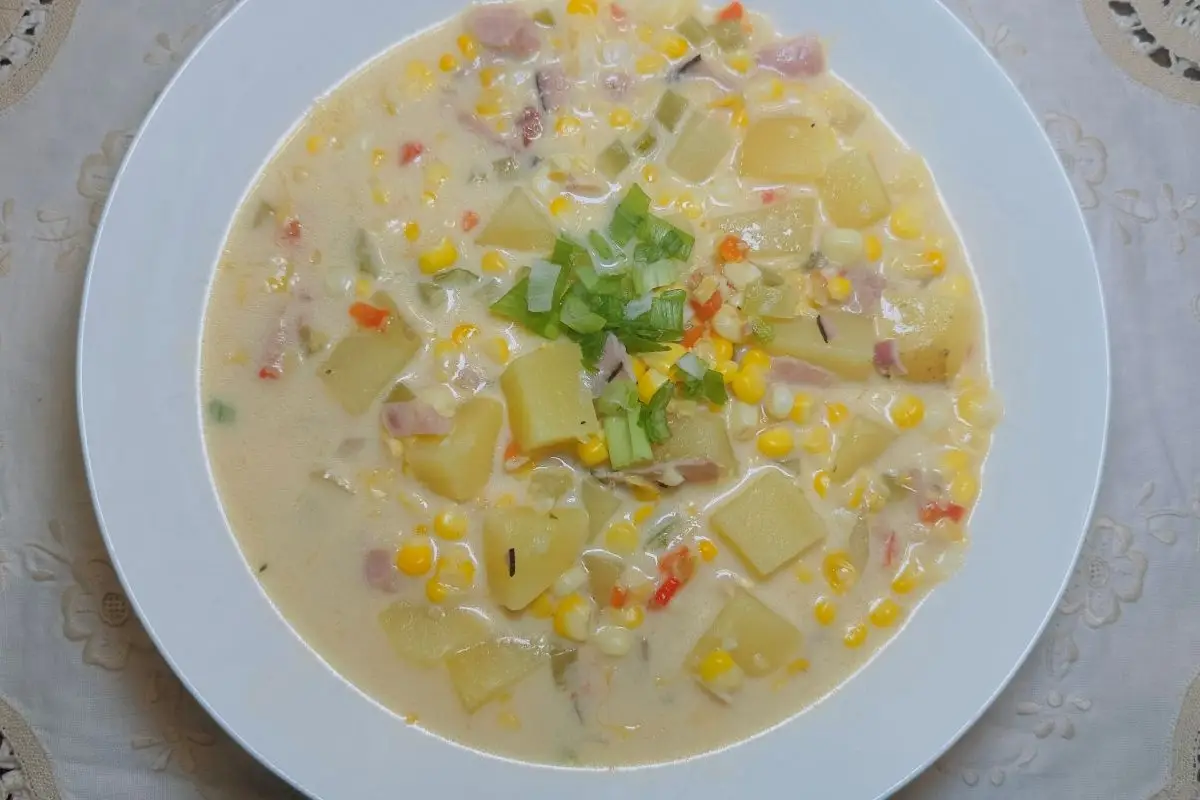

This pumpkin soup recipe dates to 1985 and uses canned pumpkin puree, sautéed onion, and chicken broth blended smooth, then finished with whole milk and heavy cream. The defining technique is blending the onion and broth base separately before the pumpkin joins the pot, which keeps the texture silky instead of grainy. It's topped with homemade cinnamon croutons.
The first cool morning of the year, before I've even decided what fall baking I'm doing this week, this is the pot that goes on the stove. Not the pumpkin waffles. Not the spiced carrot cake. This soup looks like nothing special on paper (canned pumpkin, chicken broth, milk) and it somehow tastes like something a restaurant would charge fifteen dollars for, calling it "pumpkin bisque".
That gap between how plain this pumpkin soup recipe looks and how genuinely good it tastes is the whole reason it's earned a permanent spot in my fall rotation for years now. If you've scrolled past it assuming "canned pumpkin soup" means thin, sweet, or bland, you're about to find out why that is completely wrong.
This pumpkin soup recipe comes from 1985, a year when canned pumpkin was already a decades-old pantry staple rather than a seasonal specialty item.
The original recipe card called for a can opener, not a food processor full of roasted sugar pumpkins, and it turns out silkier than versions that cost three times as much to make. Fancy technique isn't the problem here. The real worry is that canned pumpkin soup will taste flat or thin, and this recipe 100% solves that with real sautéed onion and a spice blend that pulls its actual weight.

Creamy Pumpkin Soup Recipe
Silky smooth cream of pumpkin soup made using a vintage 1985 blending technique that creates restaurant-quality texture. The sweet and savory cinnamon croutons add the perfect crunch to every spoonful.
- Total Time: 45 minutes
- Yield: 8 servings 1x
Ingredients
- 2 tablespoons butter or margarine
- 1 large onion, chopped (1 cup)
- 3-1/2 cups chicken broth
- 15 ounces or 1 pound solid-pack pumpkin puree
- 1 teaspoon salt
- 1/4 teaspoon ground cinnamon
- 1/4 teaspoon ground nutmeg
- 1/8 teaspoon ground ginger
- 1/8 teaspoon black pepper
- 2 cups whole milk
- 1 cup heavy cream
- 3 tablespoons softened butter or margarine
- 1 tablespoon brown sugar
- 1/4 teaspoon ground cinnamon
- 4 slices whole-grain bread
Instructions
Make the Soup
- Sauté the onions: Heat the butter in a large saucepan or Dutch oven over medium heat. Add the chopped onion and sauté until tender but not brown, about 10 minutes, stirring occasionally.
- Simmer with broth: Add 1 can of chicken broth to the sautéed onions. Bring to a boil, then reduce heat to low. Cover and simmer for 15 minutes to blend the flavors.
- Blend the onion mixture: Carefully ladle the liquid and onion into the container of an electric blender or food processor. Cover and blend until the mixture is completely smooth, about 1 minute. Return the pureed mixture to the saucepan.
- Add remaining ingredients: Stir in the remaining can of chicken broth, pumpkin puree, salt, cinnamon, nutmeg, ginger, and black pepper. Mix until smooth and well combined.
- Heat with dairy: Bring the soup to a gentle simmer, then stir in the milk and heavy cream. Heat just to boiling, but do not boil. Reduce heat to low and keep warm.
- Taste and adjust: Sample the soup and add more seasonings if desired. Serve hot, garnished with cinnamon croutons.
Make the Cinnamon Croutons
- Prepare cinnamon butter: In a small bowl, blend the softened butter, brown sugar, and cinnamon together until smooth and well combined.
- Spread on bread: Spread the cinnamon butter mixture evenly on all 4 slices of whole-grain bread, coating the entire surface.
- Arrange and bake: Place the buttered bread slices in a single layer on a cookie sheet or rimmed baking sheet. Bake in a preheated hot oven at 400°F for 8 to 10 minutes, or until the toast is crisp and the topping is bubbly.
- Cut into pieces: Remove from the oven and let cool slightly. Cut the toasted bread into small triangles or squares. Top each bowl of soup with cinnamon croutons just before serving.
Notes
- Blender Safety Tip: When blending hot liquids, fill the blender only halfway and hold the lid down with a kitchen towel to prevent splattering.
- Immersion Blender Option: You can use an immersion blender directly in the pot after step 2 instead of transferring to a countertop blender.
- Homemade Broth Upgrade: This soup tastes noticeably richer when made with homemade chicken broth in place of canned. You need about 3.5 cups, which is less than half a batch. Because homemade broth has far less sodium than canned, taste the finished soup before adding extra salt.
Pin This Creamy Pumpkin Soup Recipe For Later

Back in the Day: Canned Pumpkin in 1985
By 1985, canned pumpkin had been a fixture in American kitchens for more than fifty years. Libby's had processed pumpkin since 1929 using its own Dickinson pumpkin variety grown around Morton, Illinois, and that town had been officially named the Pumpkin Capital of the World in 1978.
Nestlé had owned the Libby's pumpkin business since acquiring it in the early 1970s, and by the mid-1980s the majority of America's canned pumpkin supply still traced back to that same Illinois plant.
1985 itself was a year defined by big, loud cultural moments. Ronald Reagan had just been sworn in for his second term, "We Are the World" topped the charts after an all-star recording session in January, and Coca-Cola's disastrous New Coke launch in April became one of the most talked-about marketing blunders of the decade.

Back to the Future hit theaters in July, and the Live Aid concerts that same month raised more than seventy million dollars for famine relief, pulling nearly two billion viewers to their television sets. Against that backdrop of big-event culture, dinner at home was quietly becoming faster and more streamlined than it had been just a decade earlier.
Working Families Changed What Convenience Meant
The push toward canned and pre-prepared ingredients followed a shift in who was cooking and how much time they had. By 1985, more than half of married women with children under six were in the paid workforce, up sharply from just a quarter in 1950, and married women's labor force participation overall had climbed to roughly 67 percent by the mid-1980s.
That change meant fewer households had someone home all afternoon to peel, roast, and puree a fresh pumpkin, so a can that delivered consistent, ready-to-use puree wasn't a shortcut so much as a practical response to a genuinely busier household.
Microwaves and Canned Goods Reshaped the Kitchen
Kitchen technology was catching up to that same pace of life. Microwave ovens had barely existed in American homes in the early 1970s, but by 1985 more than 40 percent of households owned one, with industry projections pointing toward 50 percent by year's end.

That same convenience mindset extended to the pantry shelf: Campbell's condensed soups had shifted over the decade from a starter ingredient into a full culinary building block, standing in for time-consuming sauces and stocks in countless casseroles and soups.
A pumpkin soup recipe built on canned pumpkin and canned chicken broth fit that same logic exactly, delivering real flavor without the roasting, peeling, and straining that fresh pumpkin required, at a moment when most home cooks genuinely didn't have an extra hour to spare.
Why This Pumpkin Soup Recipe Still Works Today
Sautéing the Onion First Builds Real Flavor
Cooking the onion in butter over medium heat until soft, not browned, releases its natural sugars without adding bitterness to the final soup.
Skipping this step and adding raw onion straight into the broth is the fastest way to end up with a sharp, unbalanced pumpkin soup recipe instead of a rounded one.
Blending the Broth Base Separately Prevents Grainy Texture
Puréeing the onion and broth mixture on its own, before the canned pumpkin joins the pot, keeps the onion's fibers fully broken down.
This single step is the reason this creamy pumpkin soup recipe turns out smoother than versions that blend everything at once.
Warming, Not Boiling, the Dairy Keeps It Silky
Heavy cream and whole milk can curdle or separate if they hit a hard boil, so this recipe brings the soup to a gentle simmer before stirring in the dairy and stopping just short of boiling. That restraint is what gives the finished soup its dense, velvety texture instead of a thin, watery one.
The Spice Blend Does More Than Decorate
Cinnamon, nutmeg, ginger, and black pepper in small, specific amounts round out the pumpkin's earthiness without turning the soup into pumpkin pie filling.
Black pepper is the quiet workhorse here, cutting the sweetness just enough to keep the soup savory instead of dessert-adjacent.
How to Make Perfect Pumpkin Soup Every Time
Use a Large Dutch Oven or Heavy Saucepan
A wide, heavy-bottomed pot 🛒 distributes heat evenly across the surface, so the onion softens gently over medium heat instead of scorching in one hot spot near the center.
Thin, lightweight pots create uneven heat pockets that can catch the onion before the rest of it even turns translucent, leaving bitter, blackened bits blended into an otherwise smooth soup.
Ladle Carefully Into the Blender in Batches
Hot liquid expands rapidly when blended, so fill the container only halfway and hold the lid down firmly with a folded towel instead of relying on the lid alone. Skipping this step is the most common way home cooks end up with a cinnamon-scented mess on the ceiling, and working in two smaller batches instead of one large one keeps both the blender and the counter safe.
Swap in an Immersion Blender if You Have One
Blending directly in the pot skips the ladling step entirely, cuts cleanup down to one less appliance, and lowers the risk of a hot-liquid spill altogether. The texture will be very slightly less silky than a countertop blender produces, since an immersion blender works with less centrifugal force, but the difference is minor enough that most readers won't notice it once the cream is stirred in.
Taste Before Adding the Dairy
Salt and spice levels are far easier to adjust in the broth base than after the cream goes in, since dairy fat coats the tongue and mutes seasoning that seemed perfectly balanced a few minutes earlier.
Taste the soup right after the pumpkin and spices are stirred in, and add a pinch more salt or an extra dash of cinnamon at this stage rather than trying to fix a flat-tasting finished bowl.
Warm the Dairy Gently Instead of Boiling It
Bring the soup to a low simmer before stirring in the milk and cream, then watch closely and pull it from the heat just as it approaches a boil. Whole milk and heavy cream can break or curdle if they hit a hard boil, and that separation shows up as small, unpleasant flecks floating in an otherwise creamy bowl.
Don't Skip the Crouton Bake Time
Eight to ten minutes at 400°F is what turns the brown sugar and cinnamon butter bubbly and lightly caramelized instead of just melted and greasy. Pull the croutons a minute early if your oven tends to run hot, and check for a deep golden color at the edges as the visual cue that they're ready to come out.
Tools & Ingredients Worth Having For This Recipe
We don’t run an ad network here because nobody wants a recipe with a side of ads. Instead, we quietly use Amazon links for tools that we actually use in our kitchen and make sense for the recipes we share. If you choose to shop through those links, you help keep these vintage recipes alive and off the endangered list, at no extra cost to you.


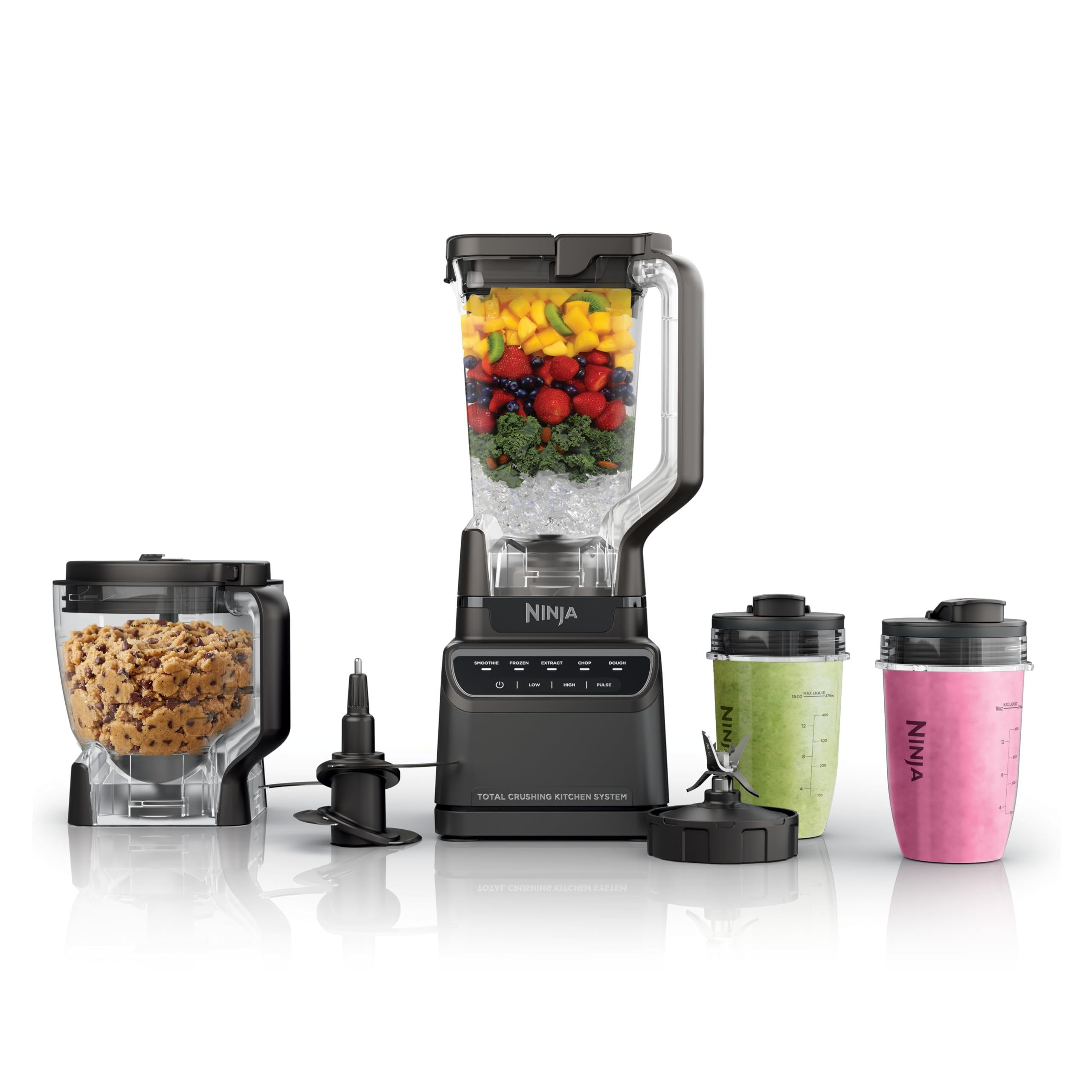
Last update on 2026-11-19 at 16:48 / Affiliate links / Images from Amazon Creators API
Recipe Variations, Serving Ideas, & Storage
Recipe Variations
Frequently Asked Questions
A bland pumpkin soup recipe usually means the onion wasn't sautéed long enough to build a flavor base, or the salt was added only at the end instead of layered in throughout cooking. Taste after the broth simmers and again after the spices go in, adjusting salt and pepper before the dairy mutes the flavors.
Fresh pumpkin works well in this recipe, though sugar pumpkins or kabocha squash give a less watery result than a standard carving pumpkin. Roast and puree the flesh until smooth, then measure out the same amount called for in canned pumpkin.
Graininess usually comes from blending the canned pumpkin together with the fibrous onion pieces instead of pureeing the onion and broth separately first. This recipe's method blends the onion base alone before the pumpkin joins the pot, which is the fix for that exact problem.
This soup adapts well to a dairy-free version by substituting full-fat coconut milk for both the whole milk and heavy cream. The result carries a subtle coconut note that pairs surprisingly well with the cinnamon and nutmeg.
This creamy pumpkin soup recipe keeps for up to 4 days in an airtight container in the refrigerator. Reheat over low heat, stirring often, since dairy-based soups can scorch if left unattended on higher heat.
This pumpkin soup recipe doubles easily since the ratios of broth, pumpkin, and spice scale up cleanly; just use a larger Dutch oven so the onion has room to sauté evenly instead of steaming in a crowded pot.
A Satisfying Soup Worth Making Every Fall
This pumpkin soup recipe still works exactly the way it did in 1985, using canned pumpkin and a few pantry spices to build something that tastes far richer than the ingredient list suggests.
The cinnamon croutons remain the detail that sets it apart from a plain bowl of soup. If you make this recipe, share what you served alongside it or how your version differs.
Rate this recipe below and let us know how it turned out.
If pumpkin soup has you in a soup mood, don't stop there! Our corn chowder recipe is another cozy vintage favorite worth adding to your fall rotation.