
If you've wrestled with a tough pie crust or biscuits that spread instead of rise, the problem probably isn't your recipe; it's that you're working with tools designed for speed rather than technique. The traditional baking tools used throughout the 20th century were built around one principle: cold fat, consistent pressure, and proper dough handling.
This guide covers the essential vintage-inspired baking tools that belong in every home baker's kitchen, from a French-style rolling pin to a hand-crank flour sifter that would feel right at home in a 1950s farmhouse.
Back in the Day: When Every Drawer Had a Dough Blender
Before KitchenAid became a countertop status symbol in the late 1950s, American home bakers worked by hand. A good metal pastry blender, a solid wooden rolling pin, and a hand-crank flour sifter were the kitchen's workhorse tools. In the 1940s and '50s, when community cookbooks from church ladies' auxiliaries were being mimeographed and passed around at potluck dinners across the country, these were the tools behind every blue-ribbon pie at the county fair.
Baking wasn't a weekend hobby. Bread was baked on a schedule, pie crusts got made before supper, and biscuits appeared at breakfast without much fanfare. The tools had to be reliable, easy to clean, and designed to last a decade at minimum.
Most of them did. And the new versions of these classic kitchen tools carry forward that same build philosophy: fewer moving parts, better materials, longer life spans.
Recipe Rewind is an Amazon Associate and earns from qualifying purchases made through our affiliate links. We only recommend kitchen tools and products that coordinate with our vintage recipes and traditional cooking methods. Your purchases help us keep culinary traditions alive.
Pastry or Dough Blenders
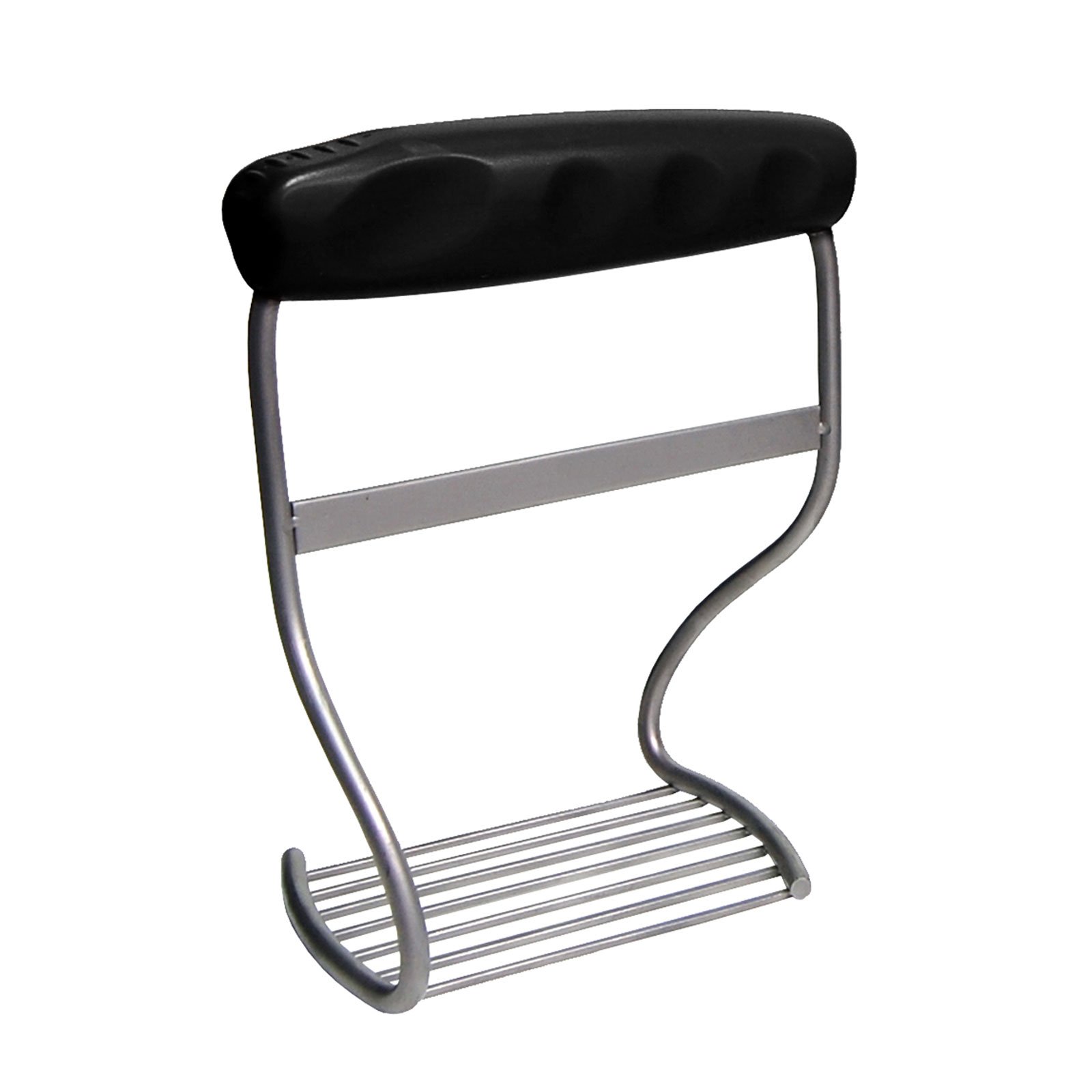
The biggest barrier to a flaky pie crust isn't your technique, it's heat transfer. Your hands warm butter in seconds. A good pastry blender with stainless steel blades cuts through cold fat cleanly without warming it, leaving pea-sized butter pieces that create steam pockets during baking. That's what makes a crust flaky instead of dense.
This tool is essential for recipes like our Easiest 3-Ingredient Perfect Pie Crust, where proper butter or shortening incorporation makes the difference between a tender, flaky crust and a tough, dense one.




Rolling Pins
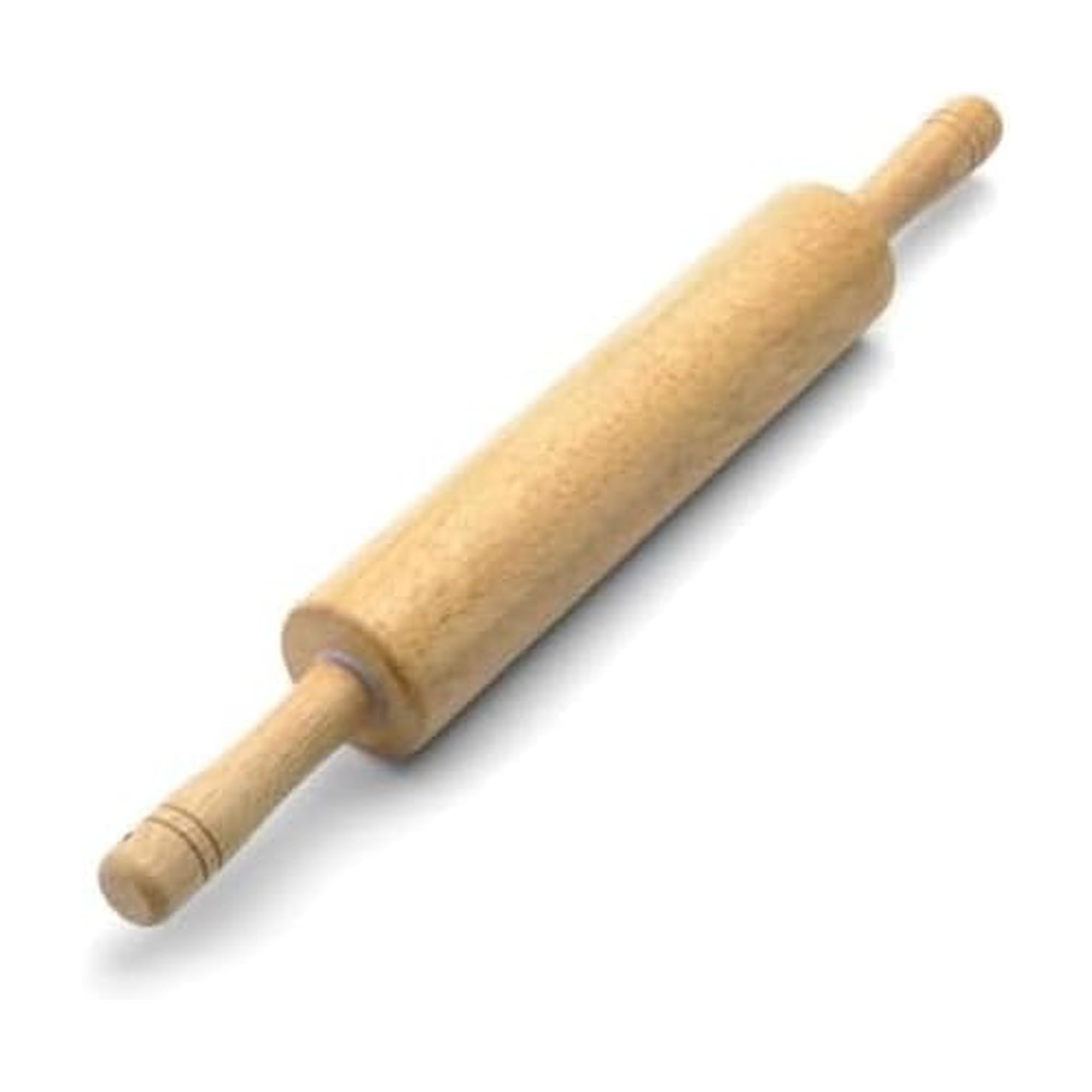
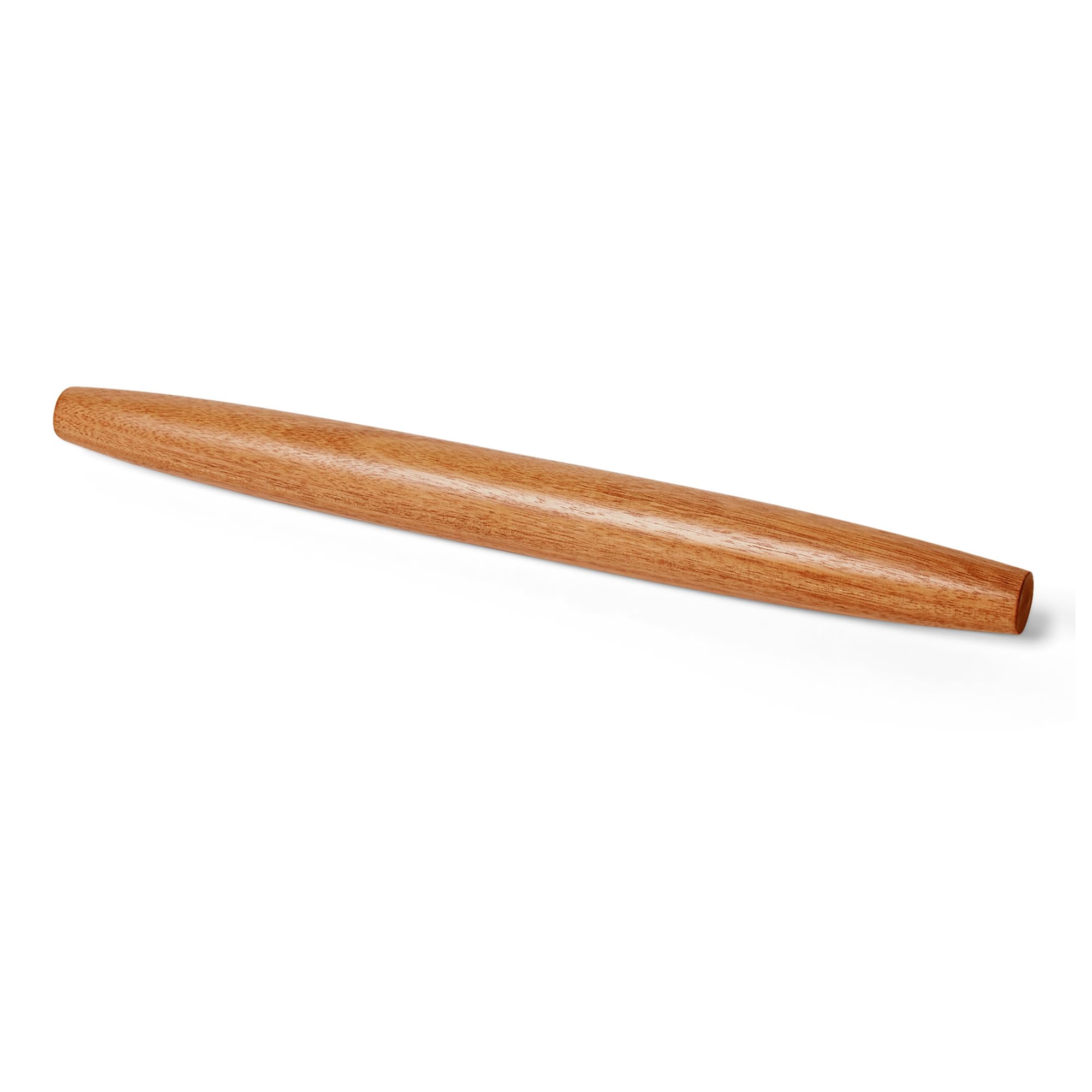
A quality rolling pin gives you consistent dough thickness and proper texture development—two things that separate tender baked goods from dense, uneven ones. The right pin applies even pressure across the entire surface, preventing thin spots that burn and thick spots that stay raw. French-style tapered pins offer more control for shaping individual portions, while handled pins with ball bearings provide the smooth, effortless rolling action needed for larger sheets of dough.
This matters particularly for recipes like Traditional Scotch Scones from 1912, where rolling to a precise thickness ensures the proper rise and that signature tender crumb. Wooden pins are traditional and non-stick when properly maintained, while marble stays naturally cool for working with butter-rich doughs that soften quickly at room temperature.



Flour Sifters
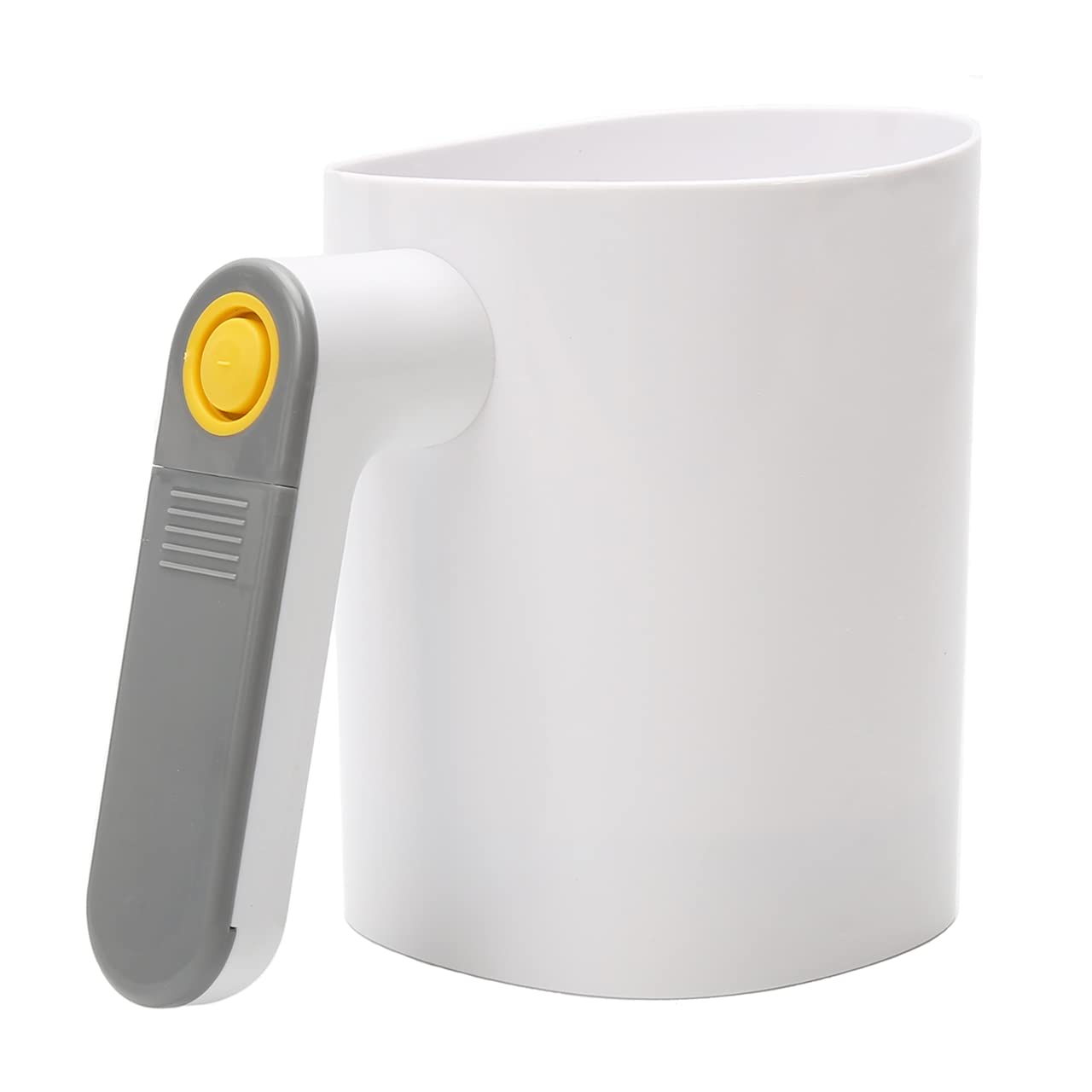
Flour sifters break up compacted flour, remove lumps, and incorporate air that helps baked goods rise more evenly. Beyond basic aeration, sifters excel at blending multiple flour types together before they hit your mixing bowl, ensuring even distribution throughout the dough.
This becomes crucial in recipes like Mag Aonghus Traditional Irish Beer Bread, which combines all-purpose flour, whole wheat flour, and wheat germ; ingredients with different textures and densities that need thorough integration for consistent results. Hand-crank rotary sifters operate smoothly with one hand, making them easier to use than squeeze-handle models that tire your grip after a few cups. Stainless steel construction resists rust and handles daily use better than vintage aluminum versions, though both work effectively when maintained properly.



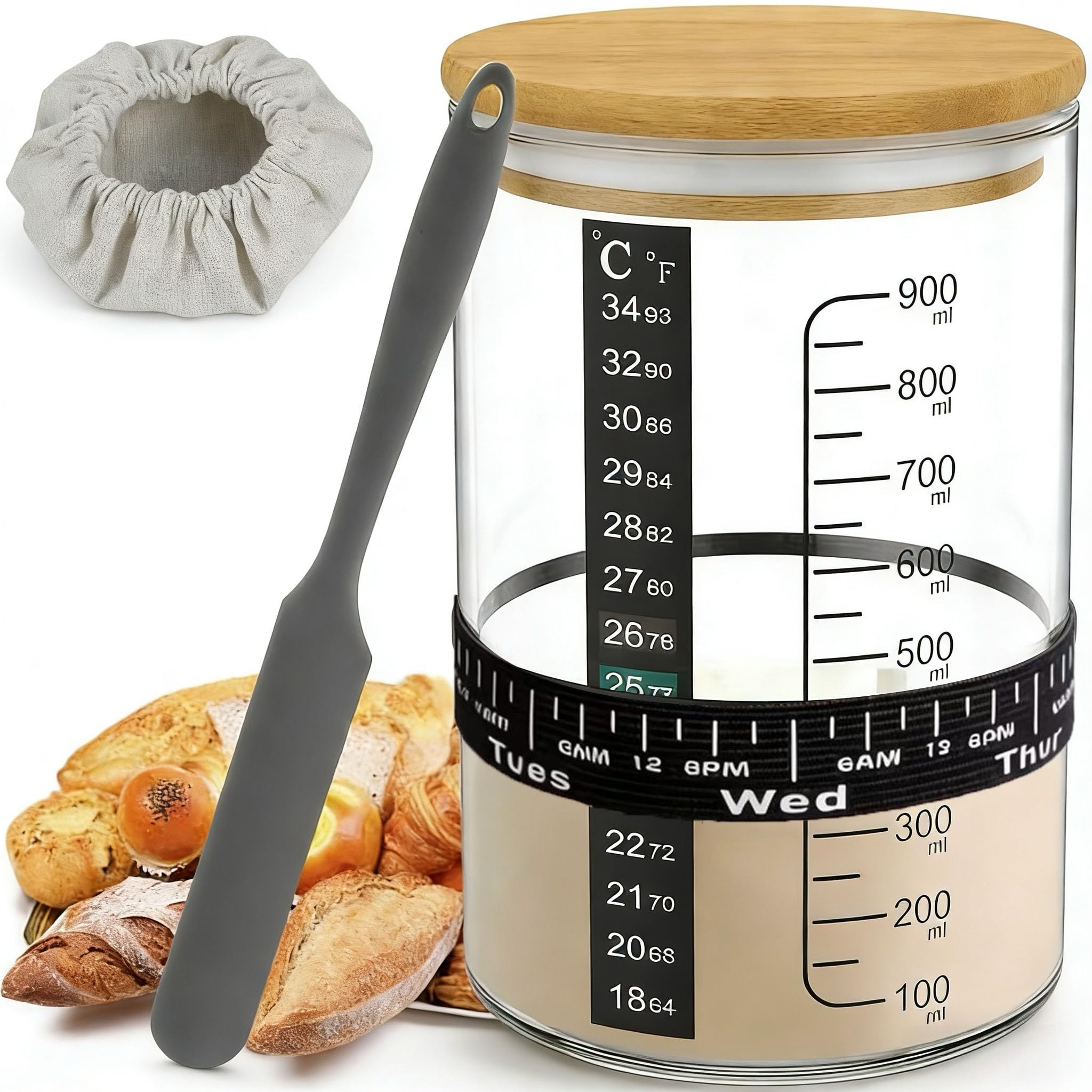
Dough Proofing Containers
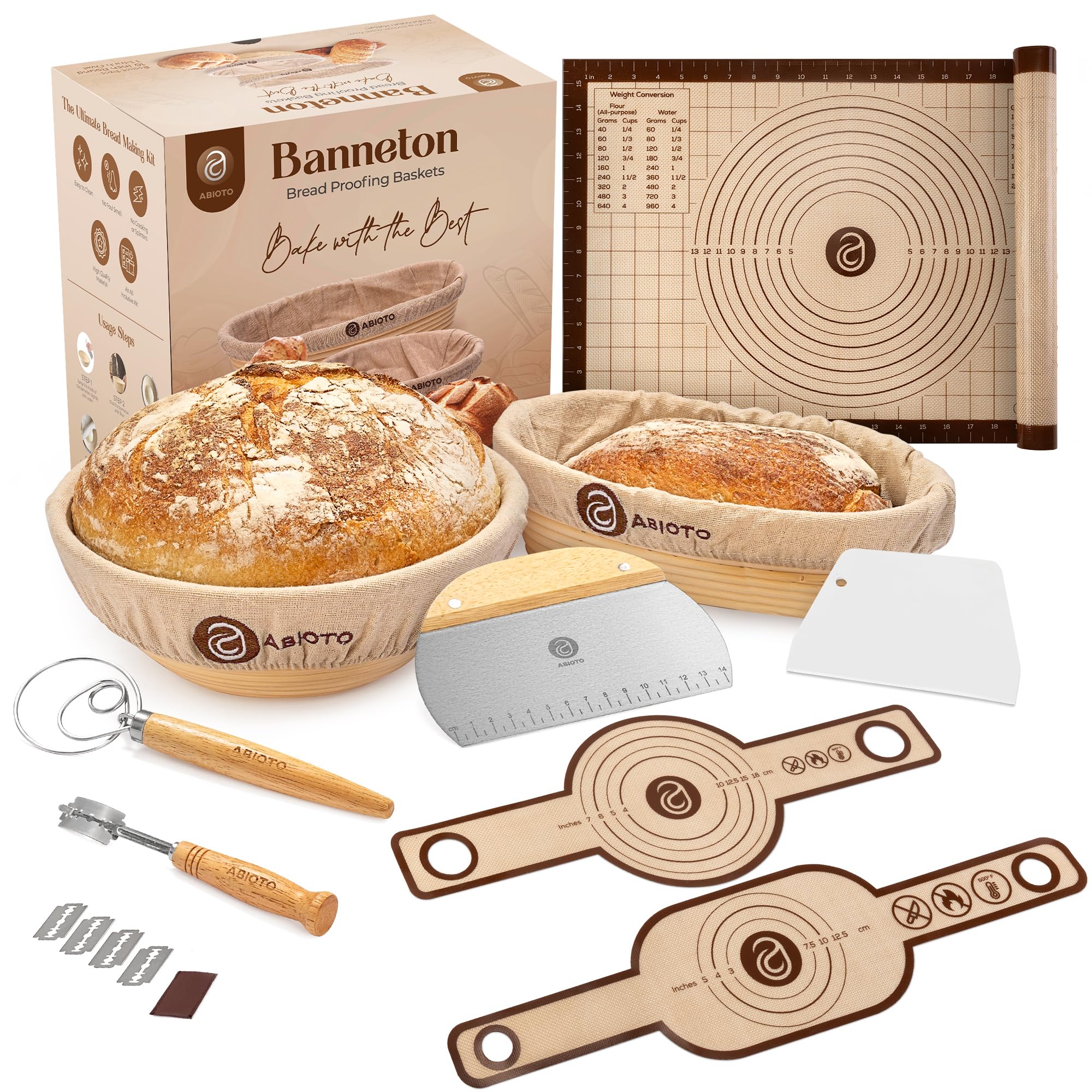
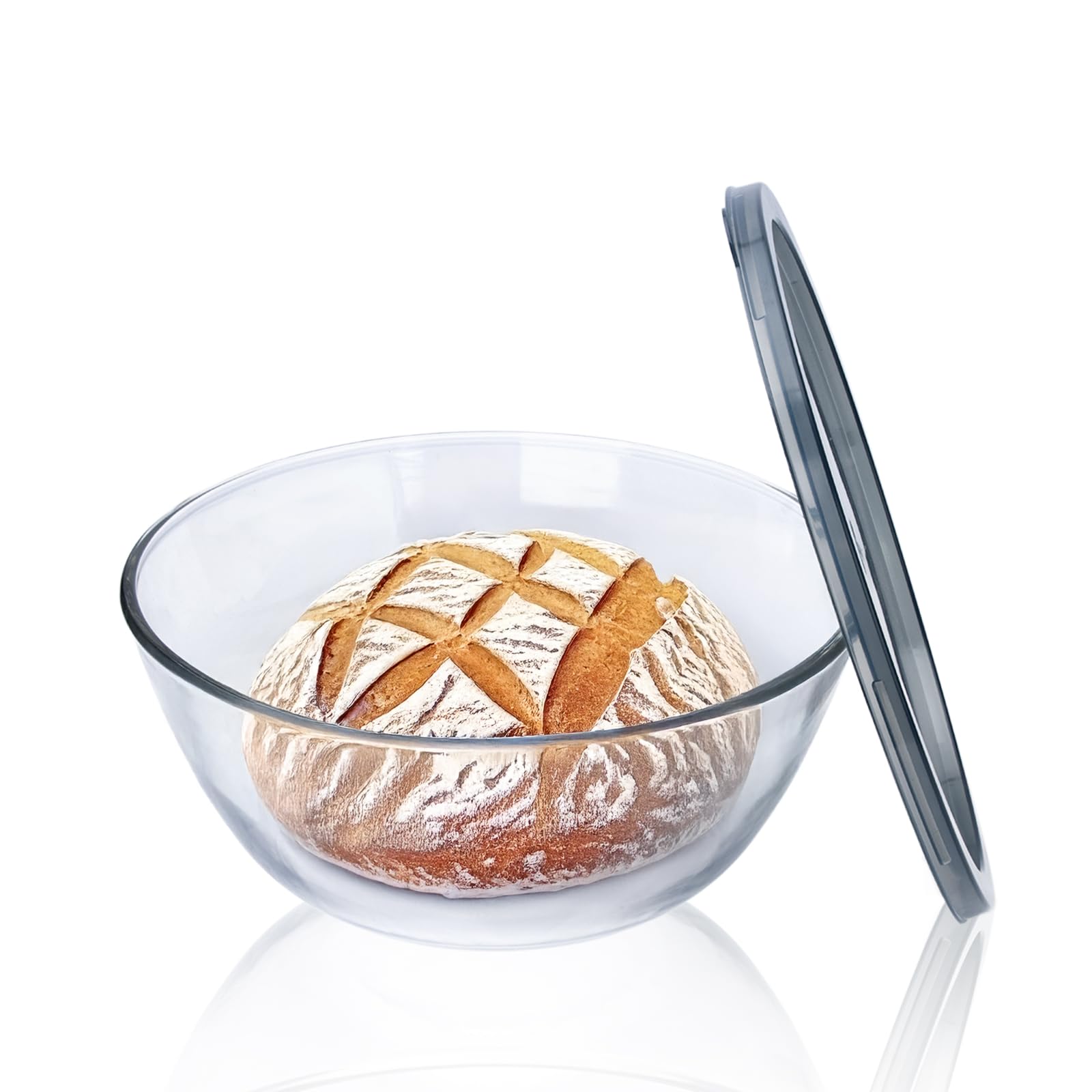
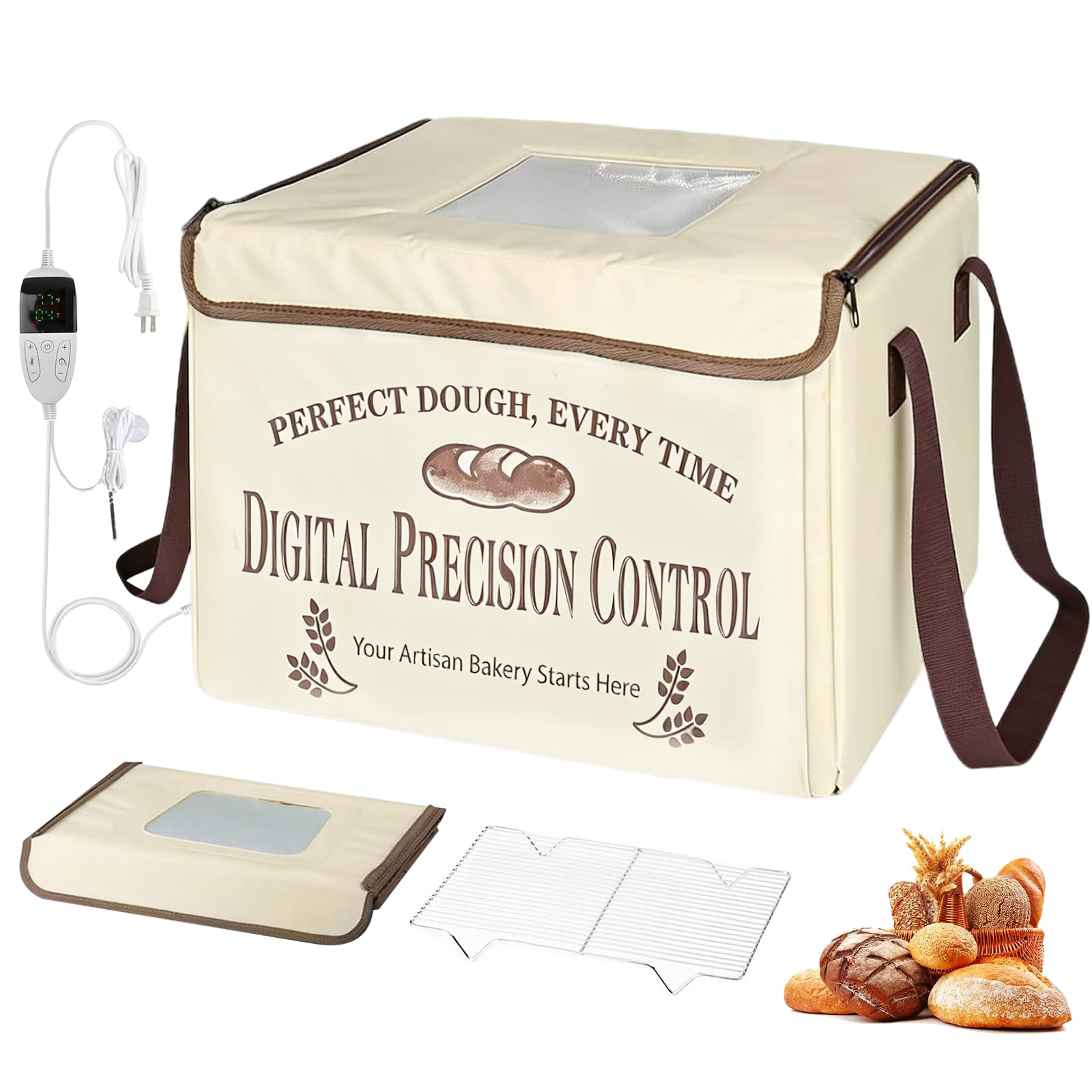
Dough bowls provide the right environment for fermentation and rising, with enough space for dough to double or triple in volume without spilling over the sides. The shape and material matter: wide, rounded bowls allow for easier folding and turning during bulk fermentation, while non-reactive materials like stainless steel, glass, or food-grade plastic won't interfere with yeast activity or absorb odors from previous batches.
Size becomes particularly important for enriched doughs like Homemade Braided Challah Bread, where eggs and oil create a softer, stickier dough that expands significantly during its first rise. A 4-5 quart capacity handles most standard bread recipes comfortably, while 8-10 quart bowls accommodate double batches or high-hydration sourdough that needs extra room to spread. Bowls with lids maintain consistent humidity around the dough, preventing surface drying that creates tough skin and inhibits proper rise.


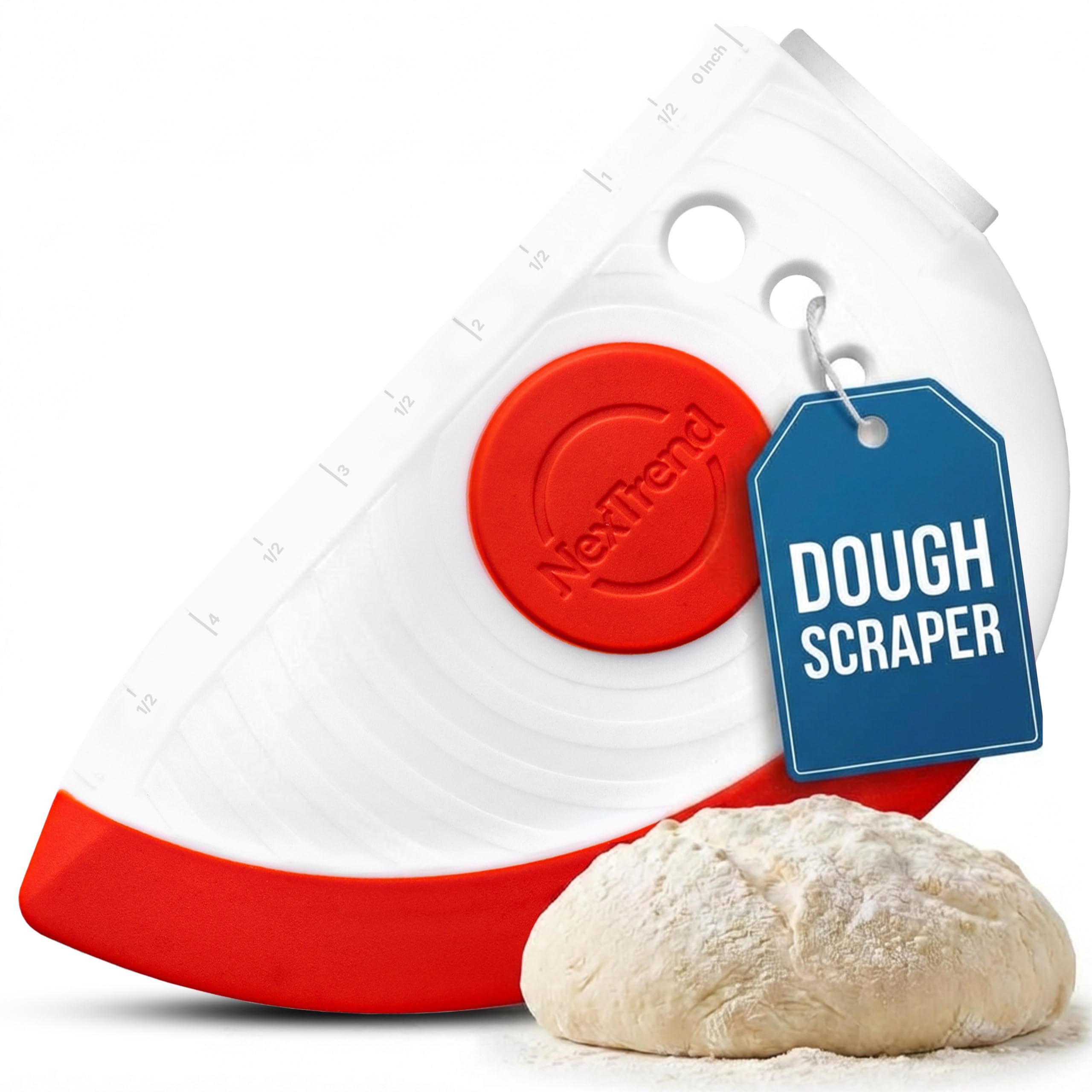
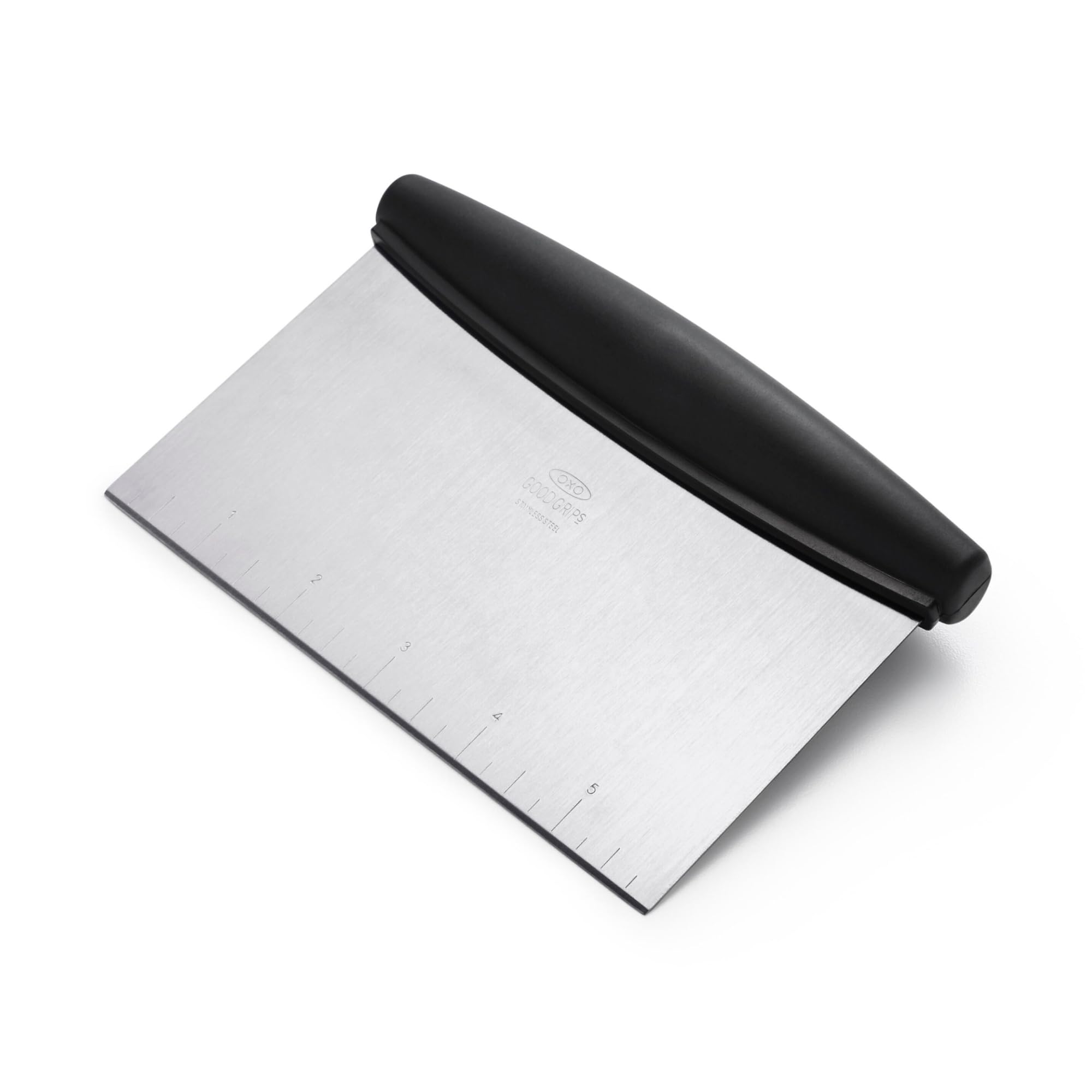
Bench Scrapers
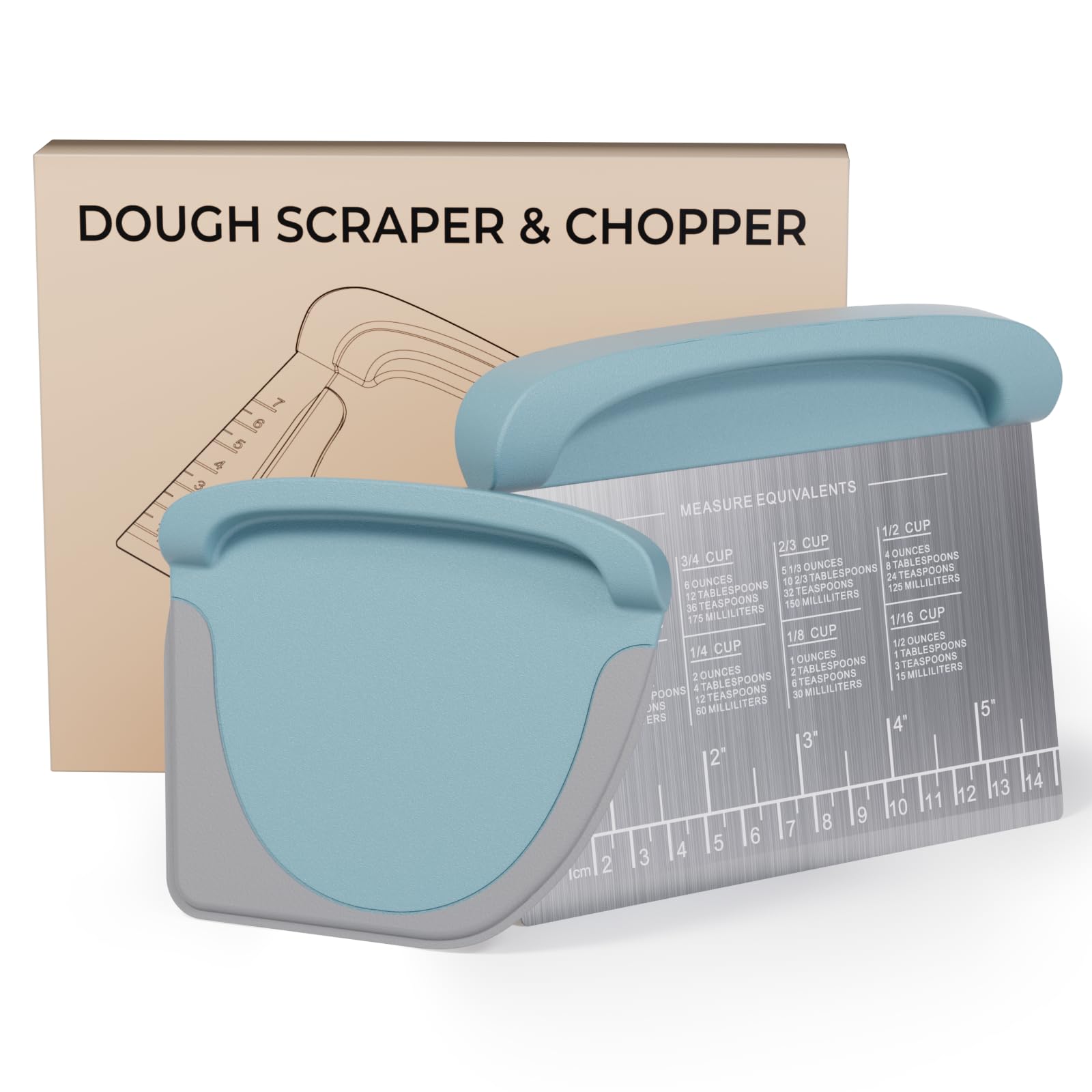
Bench scrapers handle dough manipulation tasks that hands and spatulas can't manage effectively: dividing portions with clean cuts, lifting sticky dough off work surfaces without tearing, and scraping dried flour and dough bits from countertops in one efficient swipe. The straight metal edge cuts through dough precisely, making it essential for portioning recipes like Aunt Irene's 1948 Yeast Dinner Rolls into equal-sized pieces that bake uniformly.
Stainless steel blades with measurement markings stamped directly into the metal help you divide dough accurately without eyeballing, while beveled edges slide under dough smoothly without catching or dragging. Look for models with a comfortable handle that won't slip when you're applying pressure to cut through dense bread dough, and avoid purely decorative scrapers with thin, flexible blades that bend under actual use.


Mixing Bowls
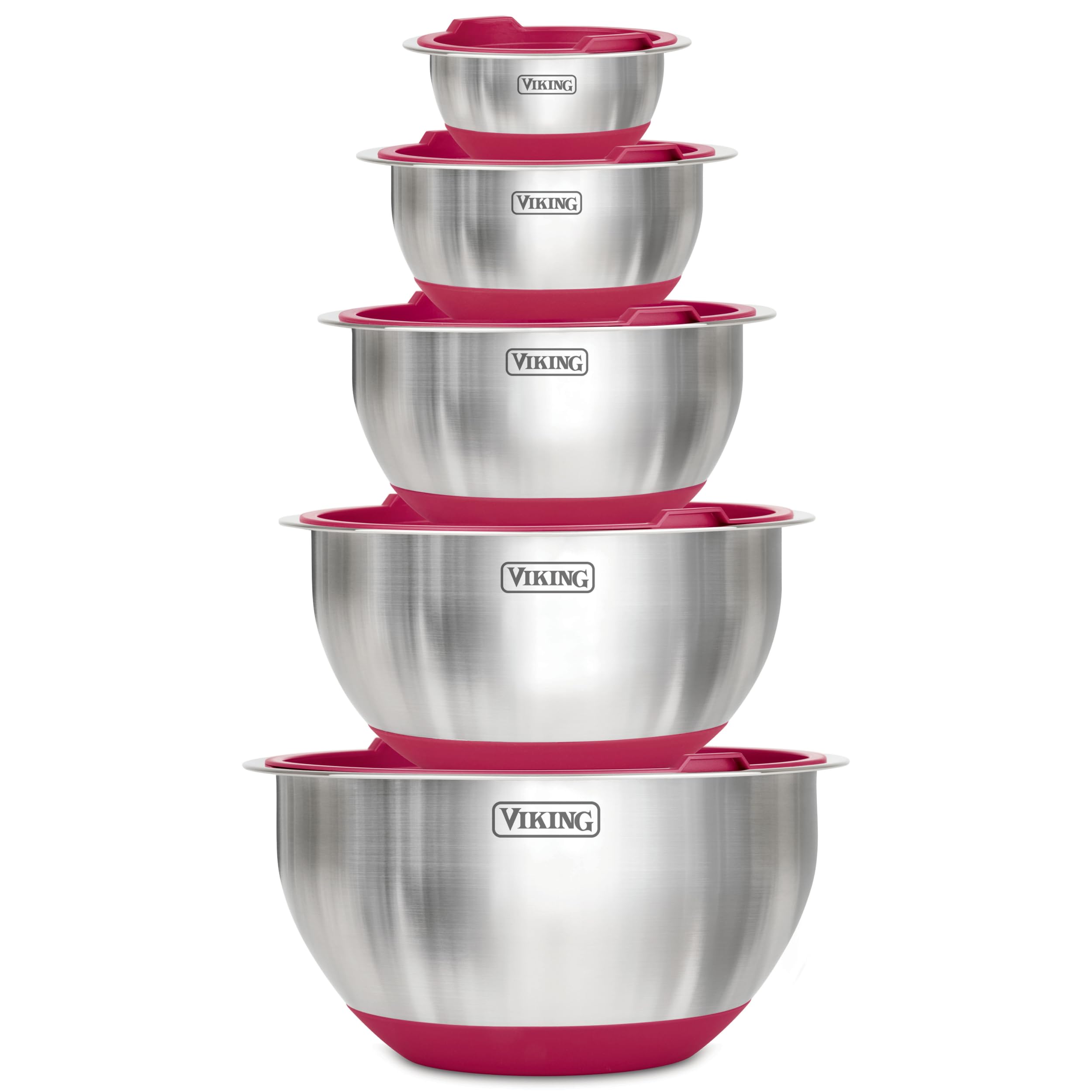
Mixing bowls in graduated sizes handle everything from whisking a single egg to combining an entire batch of cookie dough, with the right capacity preventing splatter and allowing proper incorporation of ingredients. Stainless steel bowls resist staining and odors while doubling as makeshift double boilers when set over simmering water, making them more versatile than glass or ceramic alternatives.
A good nesting set saves cabinet space without sacrificing functionality; you'll reach for the 1.5-quart bowl for whisking vinaigrettes and the 5-quart for creaming butter and sugar or tossing bread dough during stretch-and-fold cycles. Flat, stable bases prevent bowls from spinning during vigorous mixing, while wide rims provide a secure grip when pouring batters or transferring contents.



Other Essential Kitchen Tools

Your Baking Drawer Deserves Good Tools
Building a collection of quality baking tools takes time, and that's perfectly fine. Start with the essentials that match what you actually bake, then add pieces as recipes demand them. These traditional tools have earned their place in kitchens for generations because they work reliably, year after year, batch after batch. The right equipment makes baking more enjoyable and your results more consistent, which means you'll reach for your mixing bowls more often instead of leaving them tucked away in the cabinet.
What traditional baking tool do you reach for most often in your kitchen? Do you have any heirloom pieces passed down from family bakers? Share your favorites in the comments below! I'd love to hear which tools have become indispensable in your baking routine. If you found this guide helpful, please leave a rating and share it with other home bakers who are building their kitchens!


0 comments