
Salad season is here, and if your dressing rotation has been running on autopilot, this vintage green goddess dressing recipe is the ten-minute reset your summer greens have been quietly asking for.
When the green goddess dressing recipe was posted on TikTok in 2021, over 26 million people watched it, and it became the sixth most-searched recipe of 2022. What those 26 million viewers might not have known is that Chef Philip Roemer created the original at San Francisco's Palace Hotel in 1923, the New York Times published a recipe for it in 1948.
The vintage green goddess dressing you are about to make is a California classic, built on a mayonnaise base with white wine vinegar, anchovy paste, fresh chives, and parsley, and it has plenty of flavor that no algorithm-driven trend was going to keep buried forever.
I came across this recipe at the very bottom of a 1970s cookbook page with zero fanfare, no description, and absolutely no introduction. No headnote. No story. Just a short ingredient list and the quiet confidence of a recipe that knew it did not need to sell itself.
Here is the thing about the TikTok version: the recipe leans on fresh basil, garlic, and tahini, blended until smooth and bright green. It is genuinely delicious, and it deserves every one of those views. But it is not the original green goddess dressing recipe, and it is not what you will find in a 1970s cookbook or a 1948 newspaper column.
The vintage recipe is creamier, tangier, and more savory, with a herby flavor that comes from tarragon and chives rather than basil.
If anchovy paste in a homemade salad dressing recipe sounds like a risk, I understand completely. Three tablespoons sounds like a bold move.
Here is what it actually does: it dissolves into the creamy base and makes every other ingredient taste louder and more alive. Nobody at your table is going to say they taste anchovies. They are going to say "what IS that" while already reaching for more, and you do not have to explain what is in it until you are ready. (Personally, I find the second helping is the right moment.)
Making your own salad dressings at home sounds like a whole project until you realize this green goddess dressing recipe takes under ten minutes, stores in the refrigerator for a full week, and makes every salad feel slightly more intentional than it actually was.
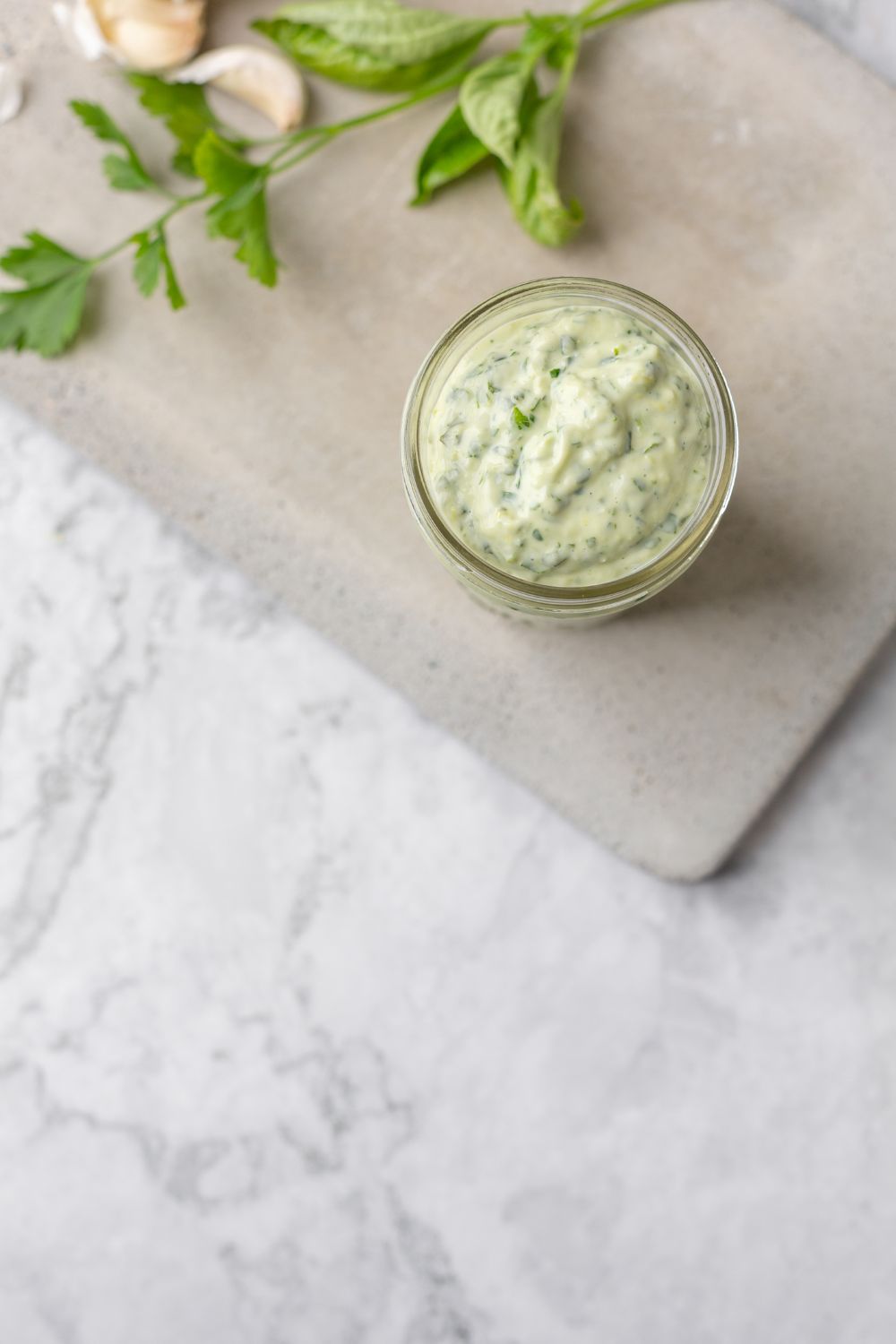
The fresh chives and Italian parsley give it a herby flavor and a deep, vivid green color that makes the jar look impressive sitting on your refrigerator shelf. Make it on Sunday and you will be reaching for it all week long, on salads, as a veggie dip, and spooned over things you did not expect to spoon dressing over.
Back When a Hotel Kitchen Changed Salad History Forever
Chef Philip Roemer was in the kitchen at San Francisco's Palace Hotel in 1923 when actor George Arliss came to town to star in a play called The Green Goddess. Roemer created the dressing in his honor, combining anchovies, fresh herbs, mayonnaise, and vinegar into something so striking it outlasted both the production and the actor's fame by approximately a century. As California classic origin stories go, "I named it after a visiting actor" is a surprisingly charming one. The play closed, but the dressing plays on!
Within a few decades, the recipe had traveled from a Palace Hotel banquet table into newspaper food columns. The New York Times published a version in 1948 that notably included Worcestershire sauce alongside the anchovies.
By the 1950s, papers across the US were printing it. Kraft eventually put a bottled Green Goddess dressing on grocery store shelves in the 1960s, which is how the recipe migrated into 1970s cookbooks with no description and no fanfare, waiting at the bottom of a page.
When TikTok rediscovered it in 2021, it was less a discovery and more a reunion. The California classic had simply been patient, which is, frankly, a quality more of us should aspire to. Does this ring any bells from your own recipe browsing? Even if you only knew green goddess from a bottled dressing in the refrigerator door, you have already been part of this story.

What Makes This Vintage Green Goddess Dressing Recipe So Good
The Mayonnaise Base Has Very Strong Opinions
One cup of mayonnaise and half a cup of sour cream sounds like a lot until you taste the finished dressing and realize the ratio was figured out by someone with deeply held convictions about texture, and those convictions hold up.
Mayonnaise alone goes flat and rich without enough brightness. Sour cream alone runs thin and sharp without enough body. Together, the mayonnaise base creates exactly the creamy, tangy consistency that clings to a lettuce leaf without dragging it down and holds its shape as a veggie dip without pooling sadly on the plate.
Anchovy Paste Is the Secret Nobody at Your Table Will Be Able to Name
Three tablespoons of anchovy paste is either the thing that made you pause at the recipe card or the thing that made you immediately trust it. Either reaction is valid and honestly both are correct.
What anchovy paste actually does is dissolve completely into the mayonnaise base and contribute a savory, umami depth that makes every other ingredient taste more like itself, louder and more defined.
No one eating this is going to taste fish. They are going to identify something layered and compelling and ask you what is in it while already reaching for more. You do not have to tell them until you are ready. (The second helping is, in my experience, the right moment.)
White Wine Vinegar Earns Every One of Those Three Tablespoons
Three tablespoons of white wine vinegar gives this homemade salad dressing its bright, acidic backbone and prevents the rich, creamy base from tipping into heavy territory.
The vinegar and the lemon juice are working different angles here: the vinegar builds structure and clean acidity that runs through the entire dressing, while the lemon juice brings a fresh, citrusy lift right at the finish.
Without both, the dressing is pleasant. With both, it tastes genuinely alive, which is exactly what you want. If you have tarragon vinegar sitting in the pantry, it substitutes beautifully for the white wine vinegar and adds a wonderful addition of herbal depth that threads through every single bite.
Fresh Chives and Italian Parsley: The Color and the Whole Personality
The one-third cup of finely snipped Italian parsley and three tablespoons of fresh chives (or green onions, which substitute at exactly the same quantity with almost no perceptible difference) are what give this green goddess dressing recipe its herby flavor and that deep, genuine green color. Italian flat-leaf parsley has a cleaner, more assertive taste than curly parsley and is the better choice if you have access to it.
Dried Tarragon Has a Lot to Say for Two Teaspoons
Two teaspoons of dried herbs in a recipe this size might seem like a modest contribution, but dried tarragon punches well above its weight class and does not apologize for it. It has a faint, slightly sweet anise note that most people cannot identify even after eating it a dozen times, which is part of its considerable charm as an ingredient.
The dried version is right for this recipe: it blooms during the chill time and integrates more evenly through the creamy base than raw fresh tarragon can.
If you have fresh tarragon growing nearby, one tablespoon of fresh leaves replaces the two teaspoons dried. But the dried version is not a compromise. It is the right call, and it will surprise you.
Products I Use For Homemade Green Goddess Dressing
Recipe Rewind is an Amazon Associate and earns from qualifying purchases made through our affiliate links. We only recommend kitchen tools and products that coordinate with our vintage recipes and traditional cooking methods. Your purchases help us keep culinary traditions alive.


Vintage Green Goddess Dressing Recipe
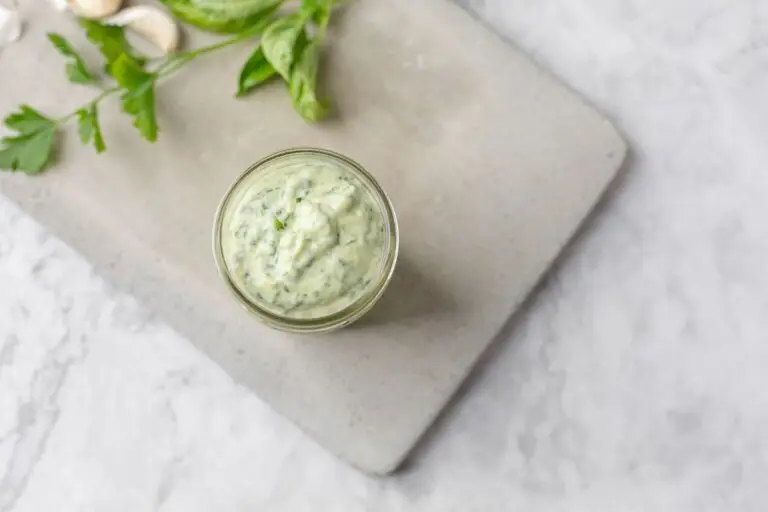
Chef Philip Roemer created green goddess dressing at San Francisco’s Palace Hotel in 1923 as a tribute to actor George Arliss, and the recipe spread from California restaurant menus into newspaper food columns by the 1940s and home cookbooks by the 1970s. This vintage green goddess dressing recipe uses a creamy mayonnaise base with sour cream, white wine vinegar, anchovy paste, fresh chives, Italian parsley, and dried tarragon, all stirred together by hand without a blender or food processor. After one hour of chilling, the fresh herbs and anchovy paste meld into a dressing with plenty of flavor and a vibrant green color that earns compliments every single time it appears on the table. Serve it as a salad dressing, a veggie dip, or a sauce alongside cold poached chicken and shrimp.
- Total Time: 1 Hour 10 Minutes
- Yield: 2 Cups 1x
Ingredients
- 1 cup mayonnaise
- 1/2 cup sour cream
- 1/3 cup finely snipped parsley
- 2 Teaspoons dried tarragon
- 3 Tablespoons finely minced chives or green onions
- 3 Tablespoons anchovy paste
- 3 Tablespoons white wine vinegar
- 1 Tablespoon lemon juice
- 1/4 Teaspoon salt
- 1/8 Teaspoon ground pepper
Instructions
- Mix the base: In a medium bowl, combine the mayonnaise and sour cream. Stir until smooth and fully blended.
- Add herbs and seasonings: Add the finely snipped Italian parsley, dried tarragon, minced fresh chives, anchovy paste, white wine vinegar, lemon juice, salt, and black pepper.
- Combine dressing: Mix thoroughly until the dressing is evenly combined and a consistent deep green color throughout.
- Taste and adjust: Taste and adjust salt, pepper, or lemon juice as needed.
- Chill before serving: Cover the bowl or transfer to a sealed jar and refrigerate for at least 1 hour before serving. Overnight is noticeably better.
- Serve: Stir before each use. Serve over salad greens, as a veggie dip, or alongside cold poached chicken, salmon, or shrimp.
Notes
- Anchovy Paste vs. Anchovy Fillets: Anchovy fillets work equally well if they are more accessible at your grocery store. Mince 3 to 4 fillets very finely and use them in place of the paste. The flavor is essentially identical once they dissolve into the creamy base, and nobody will ever know the difference.
- Fresh vs. Dried Tarragon: If you have fresh tarragon on hand, use 1 tablespoon of fresh leaves in place of the 2 teaspoons dried. Fresh is more potent, so the reduction matters. Tarragon vinegar can substitute for the white wine vinegar if you want an extra herbal note running through the whole dressing.
- Italian Parsley: Italian flat-leaf parsley has a more robust, clean flavor than curly parsley and gives the best green color. Either works, but Italian parsley is the better choice if you have access to it.
- The Overnight Situation: Technically, one hour is the minimum chill time. Practically, overnight produces a genuinely different and better dressing. Plan accordingly if you can.
- Prep Time: 10 Minutes
- Chill Time: 1 Hour Minimum
- Category: Lunch, Salads
- Method: Refrigerated
- Cuisine: American
How to Make Perfect Homemade Vintage Green Goddess Dressing
Use Scissors on the Parsley Like You Mean It
"Finely snipped" is specific language in this recipe because it genuinely matters. Kitchen scissors cut Italian parsley and fresh chives into small, clean pieces without bruising the herbs and releasing the bitter compounds that heavy knife chopping can produce. The pieces should be small enough to distribute evenly through the dressing while still contributing visible green flecks and fresh flavor throughout. If you end up with large uneven parsley chunks, you will get inconsistent bites, some very herby and some distinctly not. Take the extra thirty seconds. Your dressing will taste better and the jar will look significantly more impressive, which matters more than we usually admit.
Stir by Hand and Leave the Blender Out of This Entirely
I am saying this with affection: do not use a blender or a food processor for this recipe. Both will incorporate air, over-process the fresh herbs, and create a texture that is closer to a whipped spread than a proper dressing, which is not what you are going for here. The hand-mixed version has a thick, spoonable, creamy consistency with visible green flecks throughout, and that texture is exactly right. A bowl, a whisk, ten minutes, and some faith will do nicely.
Do Not Taste It Right After Mixing and Call It Done
I have made this mistake before and I am passing the information along so you don't have to repeat it. The dressing right after mixing is good. After one hour in the refrigerator, it is noticeably better. After chilling overnight, it becomes the kind of thing you will find yourself eating directly from the jar at midnight and calling it quality control.
The dried tarragon blooms, the anchovy paste integrates into the creamy base, the white wine vinegar mellows, and the whole thing settles into a dressing with plenty of flavor that tastes balanced and fully formed rather than just assembled. Set a timer. Go do something else. It will be worth the wait, and I genuinely cannot promise the midnight jar situation won't happen, but I can confirm it is worth the risk.
Taste It Right Before It Hits the Table
After chilling, taste the dressing with fresh tastebuds before serving. The anchovy paste contributes its own salt as the dressing develops, which means the salt balance shifts slightly overnight. A small extra squeeze of lemon juice wakes up a flat batch immediately. A pinch more pepper adds warmth. In my experience, it almost always benefits from a little extra lemon juice right before serving, especially if it chilled overnight. Trust the chill time completely, then do one quick adjustment right at the end.
Recipe Variations, Serving Ideas, & Storage
Recipe Variations
Frequently Asked Questions
Vintage green goddess dressing is made from a base of mayonnaise and sour cream, combined with finely snipped Italian parsley, dried tarragon, fresh chives or green onions, anchovy paste, white wine vinegar, lemon juice, salt, and black pepper. The short version: creamy, herby, and held together by three tablespoons of anchovy paste that does more work than any other ingredient and never once takes credit for it. Chef Philip Roemer's original at San Francisco's Palace Hotel in 1923 used the same core lineup of anchovies, fresh herbs, and a mayonnaise base, which says something about how right he got it the first time.
The viral TikTok green goddess dressing uses fresh basil, garlic, tahini, and olive oil blended into a smooth, bright green sauce. The vintage green goddess dressing recipe that Chef Philip Roemer created at San Francisco's Palace Hotel in 1923 uses a mayonnaise base, wine vinegar, anchovy paste, and dried tarragon, stirred together by hand into something creamy, tangy, and deeply savory. Both are genuinely delicious. Both are green. That is approximately where the overlap ends. They are cousins with completely different personalities who both showed up to the same party looking great, and this post is very clearly Team Original (vintage is my niche, ya' know).
Green goddess dressing without anchovy paste will be milder and noticeably less complex, but it is absolutely possible. The most historically grounded substitute is Worcestershire sauce: the New York Times published a 1948 recipe for green goddess dressing that specifically included it alongside the anchovies, so there is genuine precedent. Use one to two teaspoons in place of the paste for savory depth without the anchovy commitment. That said, before you skip the paste entirely, consider this: if you have ever eaten this dressing and could not taste the anchovies, that is because you genuinely cannot. The paste dissolves completely into the creamy base and adds a depth that most people cannot name but everyone responds to. Give it a chance. It is doing so much more than you think.
Homemade green goddess dressing stored in a sealed jar keeps well in the refrigerator for up to one week. Day one is good. Day two is better. Day three is when it becomes the thing you open the refrigerator specifically to visit, because the tarragon, fresh chives, and anchovy paste have had time to settle fully into the creamy base and the whole dressing tastes more balanced and more interesting than it did right after mixing. Stir or shake before each use. Do not freeze this dressing. The mayonnaise and sour cream base will break when thawed and the texture will not recover, which would be a genuinely sad outcome for a great recipe that took ten minutes to make.
Plain full-fat Greek yogurt substitutes for the sour cream in this green goddess dressing recipe at the same quantity and works very well. The texture will be slightly thinner and the tang more pronounced, but the herby flavor and vibrant green color hold up completely. Full-fat is the right call here because low-fat Greek yogurt will make the finished dressing thinner than you want. If Greek yogurt is already in the refrigerator and a grocery store run is not happening, make the swap without worrying. The dressing will be a little lighter, a little tangier, and honestly that is not a bad trade on a warm evening.
Fresh tarragon works beautifully in this green goddess dressing recipe, but the quantity needs to change. Use one tablespoon of fresh tarragon leaves in place of the two teaspoons dried, since fresh herbs are significantly more potent and skipping the reduction would tip the whole dressing into "this is a tarragon situation" rather than "this is a balanced and nuanced dressing." The fresh version will be more aromatic and brighter, with a more immediate anise note that is genuinely lovely. Also worth knowing: if tarragon vinegar is sitting in the back of your pantry looking for a purpose, substituting it for the white wine vinegar doubles the herbal note throughout the dressing in a way that is a wonderful addition to an already great recipe. Neither option is a compromise. Both are worth trying.
his vintage green goddess dressing recipe requires no blender at all. Simply stir all ingredients together in a bowl until fully combined. A whisk or fork works perfectly, and the hand-mixed version has a slightly more textured consistency with visible parsley flecks throughout, which is exactly how the original 1970s cookbook version was made.
Vintage green goddess dressing tastes creamy, herby, and savory with a faint anise note from the tarragon and a bright, acidic finish from the lemon juice. The anchovy paste adds a deep umami undertone that most people cannot pinpoint but always notice. The overall flavor is complex and bold without being heavy.
Green goddess dressing was created in 1923 by Chef Philip Roemer at San Francisco's Palace Hotel as a tribute to actor George Arliss, who was performing in a play called The Green Goddess during his stay. The recipe spread through California restaurant menus, appeared in the New York Times in 1948, and turned up in newspaper food columns across the country through the 1950s before Kraft bottled it and put it on grocery store shelves in the 1960s. That bottled dressing is how the recipe made its way into 1970s home cookbooks, sitting quietly at the bottom of a page with no description, no headnote, and absolute confidence that someone would eventually find it. In 2021 TikTok gave Green Goddess new exposure.
This vintage recipe uses sour cream as part of the base, but full-fat coconut cream or a thick dairy-free sour cream alternative can substitute in the same quantity. The flavor will shift slightly depending on what you use, but the creamy herb character of the dressing will hold. The mayonnaise or Miracle Whip in the recipe should also be checked for dairy-free compatibility depending on the brand.
Vintage green goddess dressing pairs best with crisp lettuces that can hold up to its creamy weight, particularly iceberg, romaine, and butter lettuce. A classic wedge salad with cherry tomatoes and cracked black pepper is the most traditional pairing and still one of the best. The dressing also works well over spinach, as a sauce for grilled or cold poached chicken, and as a grain bowl topping.
Pin This Vintage Green Goddess Dressing Recipe For Later
The Dressing That Deserved the Spotlight All Along
Green Goddess had its moment in the 1920s, settled into California kitchens for decades, got bottled by Kraft in the 1960s, found its way into 1970s cookbooks, and somehow still ended up being rediscovered like it was a secret. It was never a secret! People just forgot to keep making it.
This vintage version is simpler and bolder than most modern interpretations, and it comes together with nothing more complicated than a bowl, a whisk, and a little patience while it chills.
If you make this vintage green goddess dressing recipe, please leave a rating and a review! And I genuinely want to know: was Green Goddess on your table growing up, or is this your first time making it? Either way, tell me how it goes.


0 comments