
There was a whole category of vintage homemade snacks no one makes anymore, and the disappearance happened so gradually that most people never noticed until the dish was already gone. These were the foods that belonged to a specific kind of gathering: church socials, cocktail parties, neighborhood potlucks, holiday open houses. The people who made them did so with an easy confidence that came from having made them dozens of times before.
Most of that knowledge was never written down anywhere important. It lived in someone's hands, in a well-worn index card, in a serving dish that only came out for company. Here are 25 of them, organized by era, because each one tells a specific story about the time and place that made it worth remembering.
Era 1: Depression Era and WWII (1920s–1940s)
The Depression reshaped American home cooking from the inside out. Flour, lard, dried fruit, and pickled vegetables became the raw material for everything, including snacks that were supposed to stretch through the whole church social without breaking the household budget.
Rural Southern and Midwestern kitchens, in particular, developed a quiet genius for making something impressive from almost nothing. These snacks were thrift dressed up as hospitality, and they traveled from table to table the way recipes always traveled then: handwritten on card stock, tucked into someone's apron pocket on the way home.
1. Date Nut Loaf: the Most Underrated Snack of the Depression Era
Dense, dark, and sticky-sweet at the edges where the pan caramelized them, date nut loaves showed up on Depression-era tables because dates were cheap and shelf-stable and sweet enough to feel like a treat.
Grandmothers across the Midwest sliced them thin and served them on small plates at church socials, where a single loaf could feed a surprising number of people for almost nothing. The texture was somewhere between quick bread and candy : chewy, faintly grainy with chopped walnuts or pecans pressing through every slice. Somewhere along the way, we started reaching for sweeter, easier things and let this one go. Do you still have a family recipe card for it, or did it vanish with the person who made it?
2. Why Did Home Cooks Stop Canning Bread and Butter Pickles?
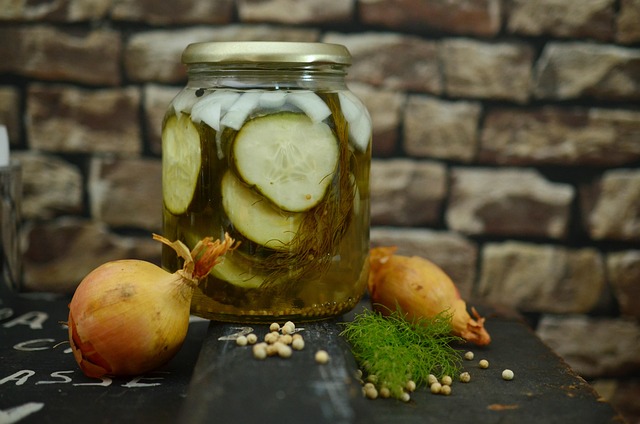
Jars of homemade bread and butter pickles were a staple in Depression-era root cellars and church potluck spreads alike; thin-sliced cucumbers and onions in a sweet-tart brine that turned cloudy amber as they cured.
The sound of lids sealing in a hot water bath was a late-summer ritual in households where "putting up" food for winter was survival, not hobby. These pickles turned up on relish trays alongside pimento cheese and cold meats, their crunch sharp and their sweetness cut with just enough turmeric to stain everything a cheerful yellow. Today, refrigerator pickle recipes are everywhere, but the real from-scratch stovetop batch canned-in-Mason-jars version feels increasingly rare. When did your family stop making their own?
3. Is Stuffed Celery with Pimento Cheese the Most Overlooked Bite on the Relish Tray?
Long before anyone was calling pimento cheese "the pâté of the South," church ladies were pressing it into celery ribs with the back of a spoon and arranging them on rectangular glass trays at every gathering that required a relish spread. The filling was sharply flavored from canned pimentos and good sharp cheddar, and the celery gave it crunch and a faint watery freshness that balanced the richness.
These showed up beside deviled eggs and olive penguins on every mid-century appetizer table from Georgia to Ohio, because celery was cheap and pimento cheese kept well and it required absolutely no oven time. Whole generations of home cooks knew exactly how much cayenne was enough. Does anyone in your family still make this from the original proportions?
4. Is Deviled Ham Spread the Forgotten Staple No One Thinks to Make Anymore?
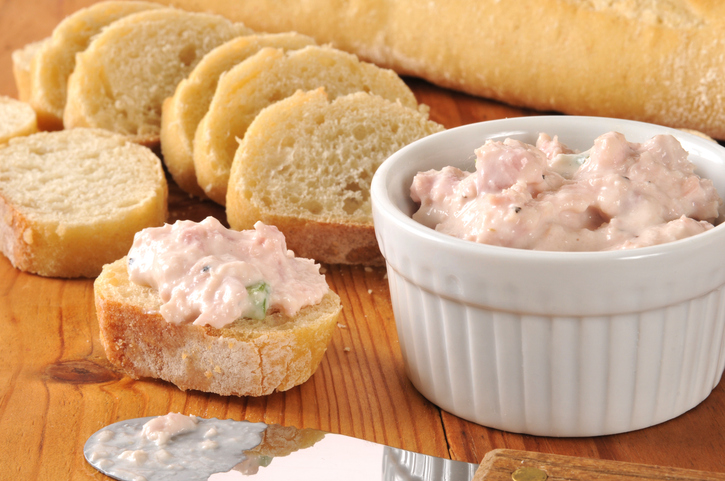
The small flat cans with the red devil on the label were a pantry standard in the 1930s and 1940s, but the homemade version, ground ham blended with mustard and a careful measure of cayenne and Worcestershire, was something else entirely.
Spread thick on saltines or layered into tiny sandwiches for church suppers, homemade deviled ham had a savory depth that the canned version could gesture toward but never quite reach. The smell of it mixing in the kitchen - the bite of mustard, the warm smoke of cured meat - was specific and unmistakable. It was practical, it was fast, and it disappeared from home kitchens so gradually you might not have noticed until the last person who made it from scratch was already gone. Did your grandmother have a ratio she kept in her head?
5. When Did Making Crackers from Scratch Stop Feeling Worth the Effort?
Store-bought crackers were available in the 1930s, but a lot of home cooks made their own: thin, blistered, satisfying in the way that only something you control from raw flour to finished cracker can be. The texture was crispier and more irregular than anything from a box, with small air pockets that browned unevenly and shattered differently against your teeth. They were meant to hold up under pimento cheese or deviled ham without going soft, and they did, because the dough was usually rolled thin enough to let the heat set them fully through.
These crackers required very little - flour, lard or shortening, salt, water - and rewarded patience with something genuinely better than what was in the cellophane sleeve. Have you ever tried making crackers from scratch, or does that feel like the kind of cooking that belongs to a different era entirely?
6. Do You Remember Popcorn Balls During the Holidays?
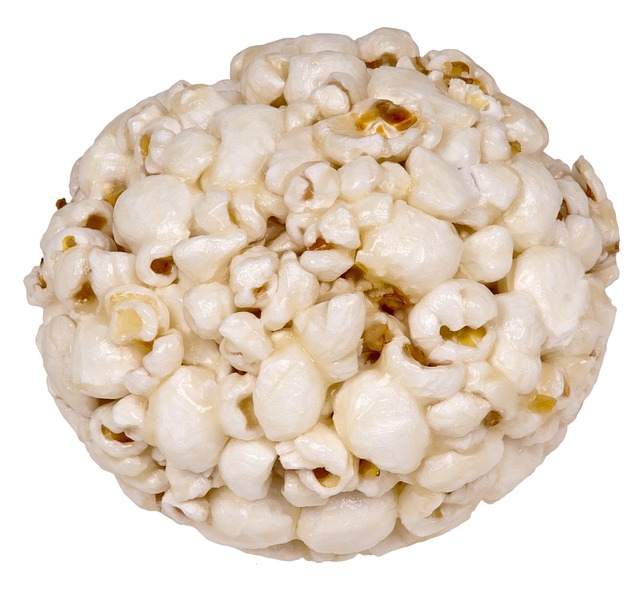
Every fall and early winter, American kitchens got sticky. Popcorn balls were a Depression-era and wartime staple. They were cheap to make, satisfying to eat, and festive enough that grandmothers wrapped them in waxed paper and tied them with twists of string for Halloween and Christmas alike.
The hot sugar syrup had to be worked fast before it hardened, and the popcorn had to be warm, and your hands had to be buttered or you'd be pulling sugar threads off your skin for the next ten minutes. The finished balls were crisp on the outside and dense in the center, sweet in the way that only cooked sugar can be. Is there a flavor memory tied to these for you, or were they already a relic by the time you arrived at the table?
7. Was Divinity Candy the Most Skill-Dependent Thing in the Church Cookie Tin?
Divinity was the candy that required dry weather to work, which is why Southern grandmothers always had an opinion about whether today was the right kind of day to attempt it. The finished pieces were white and pillowy, with a crust on the outside that gave way to something almost cloudlike inside; sweet without being cloying, faintly vanilla, usually studded with a pecan half pressed into the top while everything was still warm.
It showed up at church candy sales and Christmas cookie tins and holiday gatherings across the rural South during the 1930s and 1940s, a purely ceremonial food made from sugar, corn syrup, and egg whites that required skill and attention in equal measure. Modern kitchens with their reliable thermometers and electric stand mixers should make this easier than it was for the woman who made it by eye and feel. What does it tell you that almost no one tries it anymore?
Era 2: The Cocktail Party Era (1950s–Early 1960s)
Postwar prosperity gave American suburbs a new theater of social performance: the cocktail party. Husbands came home from work, wives changed from their afternoon housedress into something with a fitted waist, and guests arrived expecting a tray of something clever.
Jell-O advertising had convinced homemakers that a dish in a mold was sophisticated. Tiki bars were importing their aesthetic into living rooms across the country. The hostess had a specific job to do, and the food was the measure of whether she'd done it well. These snacks were born from that pressure and some of them were genuinely, surprisingly good.
8. The Mid-Century Tiki Craze Gave America Rumaki and America Was Not Ready
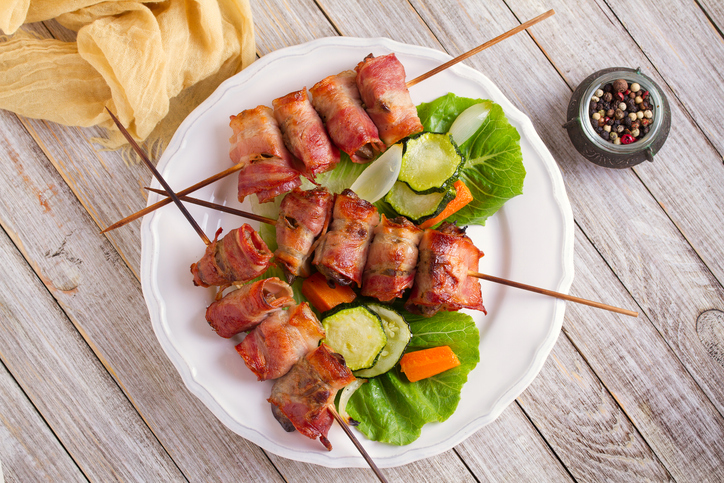
Rumaki was the cocktail party snack that arrived in American homes via Hawaii and the mid-century tiki bar craze, and for about fifteen years it was the most elegant thing on the platter. Chicken livers wrapped around a water chestnut, bundled in bacon, and broiled until the bacon crisped and the liver firmed just enough to stay on a toothpick. The combination sounds like something invented on a dare, but it worked.
The fat of the bacon, the mineral depth of the liver, the unexpected crunch of the water chestnut: every element was doing something specific. It disappeared from American entertaining sometime in the 1970s, a casualty of the liver's fall from fashion and the general retreat from organ meats. Did your parents serve these at cocktail parties, or were you the generation that only heard about them secondhand?
9. Canned Clams and Cream Cheese Became the Ambitious Choice at the Mid-Century Party
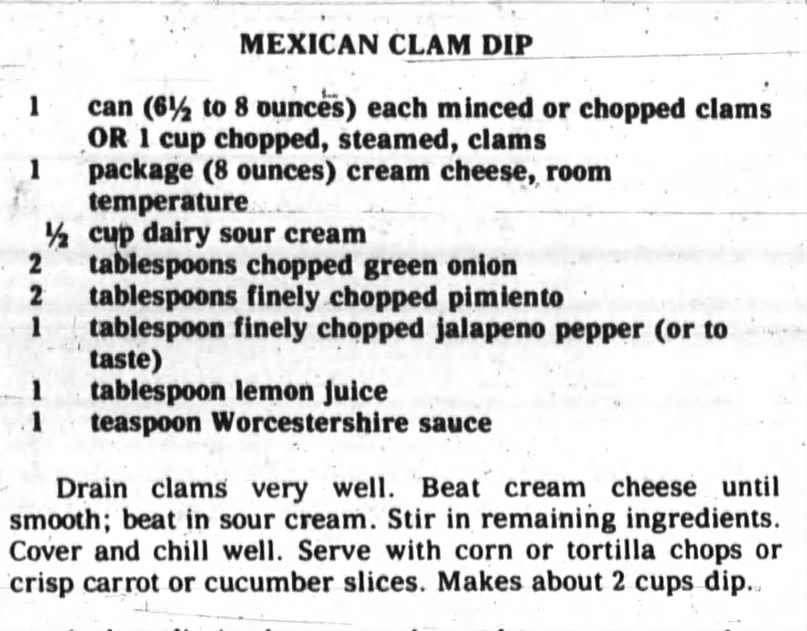
Clam dip arrived in American party kitchens around 1954 when Lipton published an early version, and within a few years, variations were appearing in women's magazines and Junior League cookbooks from coast to coast. The base was cream cheese or sour cream, the clams were canned and drained, and the flavor additions - Worcestershire sauce, a little lemon, fresh chives if you were trying - produced something brinier and more interesting than the plain onion dip sitting next to it on the folding table.
It smelled oceanic in a way that was either appetizing or alarming depending on who you asked. Served cold with ruffled potato chips or crackers, it was the dip that suggested the host had ambition. Is this one that still shows up anywhere in your family's entertaining rotation?
10. Who Has the Patience to Build Olive Penguins for a Cocktail Party, and Can We Please Find Them?
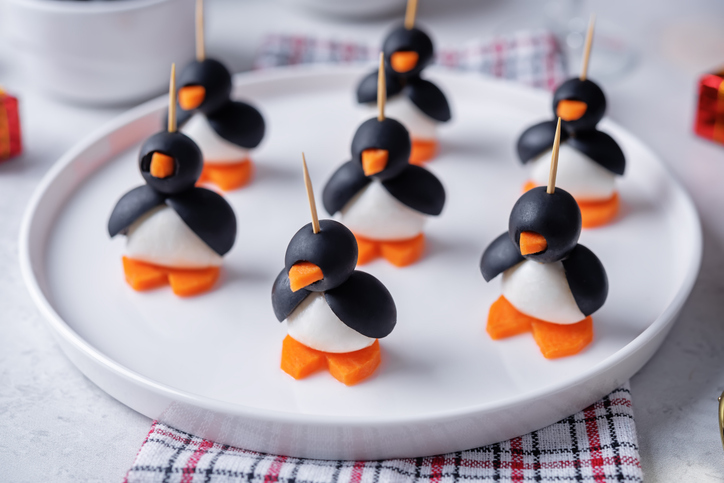
Olive penguins were a 1950s cocktail party appetizer so specific to their moment that it's almost impossible to describe them without sounding like you're describing a hallucination: a black olive body and head, a carrot beak and feet, assembled on a toothpick to resemble a small bird standing at attention on a platter. They required patience and a certain kind of personality; someone who found the craft of it satisfying, who liked the moment when guests registered what they were looking at and broke into reluctant smiles.
The whimsy was the whole point. Do you remember seeing these on a table somewhere, or are they already entirely mythological to you?
11. The Lipton Onion Soup Dip That Defined a Decade of Suburban Entertaining
The recipe appeared on the back of the Lipton Onion Soup Mix envelope in 1954, and within a year it had spread to virtually every cocktail party in suburban America. Two ingredients: sour cream and a packet of dry onion soup mix, stirred together, chilled, and served with potato chips. It required nothing, cost almost nothing, and somehow tasted more intensely like caramelized onion than most things made from actual onions.
Home cooks improvised variations endlessly: cream cheese swapped in, green onions added, a shake of garlic powder introduced. The straight two-ingredient original, stirred in a bowl and left in the refrigerator for an hour, was its own thing entirely. Can you taste the memory of it, or has the grocery store version overwritten what homemade used to taste like?
12. Store-Bought Party Mix Can't Match the 1952 Oven-Baked Chex Mix
The stovetop-buttered Chex Party Mix that appeared in a 1952 Ralston Purina advertisement was a different animal from anything sold in a bag today. It was made in a large roasting pan in the oven, with real butter melted directly over the cereal, seasoned with Worcestershire sauce and a restrained hand of garlic and onion powder, then slow-baked until every piece was genuinely toasted ... not flavored, not sprayed, but cooked through with fat.
The kitchen smelled like savory butter and warm toast, and the finished mix stayed crisp for days in a tin. The oven method, done slowly at low heat, produced a texture that the microwave shortcut genuinely cannot replicate. Is this a snack you grew up watching someone make in a roasting pan, or did your family go straight to the bag?
13. Was Ambrosia Salad a Dessert, a Side Dish, or Just Something the 1950s Invented?
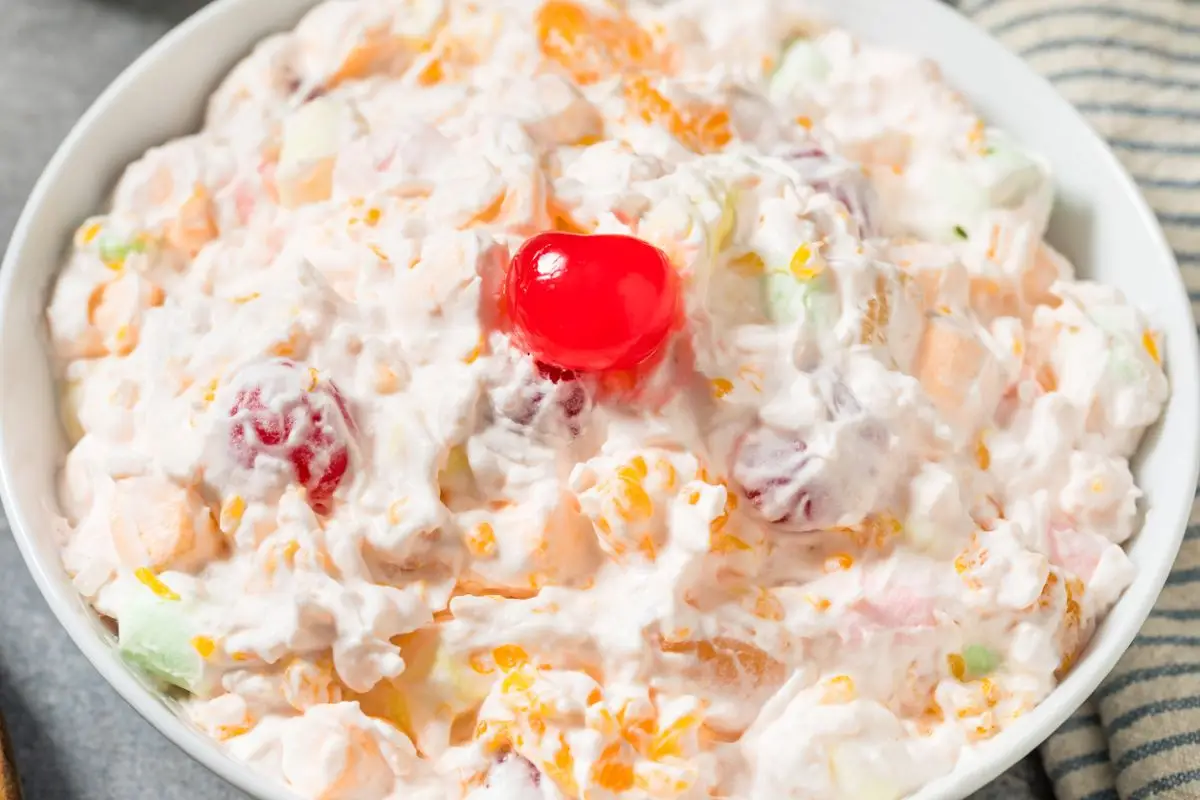
Ambrosia was the cocktail era salad that occupied a strange middle position between dessert and side dish, and it appeared on tables from the 1950s straight through the early 1980s without anyone seeming to question whether it belonged there.
Mandarin oranges, shredded coconut, miniature marshmallows, canned pineapple, and sour cream or Cool Whip folded together and chilled overnight until everything softened slightly and the flavors blurred together into something sweet and faintly tropical. The texture was soft throughout which gave it a richness that was either comforting or cloying depending entirely on your expectations. It showed up in crystal bowls at Christmas and Easter and it looked almost formal. Is there someone in your family who still makes it for holidays, or has it quietly retired?
14. When Did Angels on Horseback Stop Showing Up at Dinner Parties?
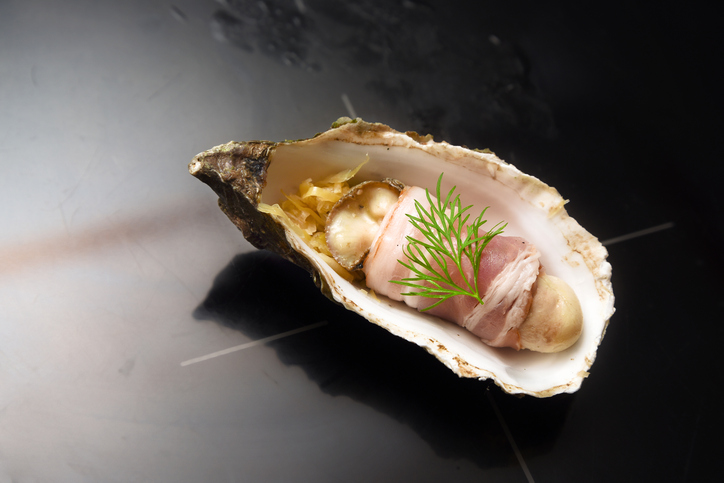
Angels on Horseback were plump oysters wrapped in a strip of thin bacon, broiled until the bacon crisped and the oyster just firmed at the edges while its center stayed briny and trembling. They arrived on small rounds of toast with a squeeze of lemon, and they were the kind of appetizer that separated people who understood oysters from those who were only pretending to.
The combination of fat salt from the bacon and salt brine from the oyster was specific and unapologetic. They appeared on mid-century cocktail party menus alongside rumaki and cheese straws, a demonstration of the host's willingness to spend a little money and apply a little technique. When did the oyster leave the appetizer platter and move entirely to the raw bar?
15. Did Your Family Fold Pinwheel Sandwiches for Every Party?
Pinwheel sandwiches were the hostess achievement of the late 1950s: soft white sandwich bread with the crusts removed, spread with cream cheese or pimento cheese or a thin layer of deviled ham, then rolled tightly around a strip of olive or pickle or green onion, chilled until firm, and sliced into half-inch rounds that showed a clean spiral on every piece. They required real forethought! Rolling, chilling, then slicing at the last moment so the bread didn't dry at the edges, and they appeared on tiered trays at baby showers, bridal teas, and church receptions where the food was expected to look as careful as the centerpieces.
The visual was the whole argument. They vanished when casual entertaining replaced formal party culture, and something genuinely pretty went with them. Have you ever made a batch, or does the rolling feel like too much ceremony for a Tuesday?
16. Tomato Aspic is the Dish That Explains Why the 1950s Had Such a Complicated Relationship with Gelatin
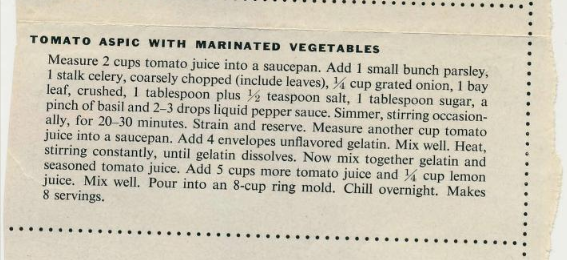
Tomato aspic occupied a precise cultural position in the 1950s and early 1960s: sophisticated and light, appropriate for luncheons and ladies' teas, and cited regularly in church cookbooks and women's magazine features as evidence of a certain kind of domestic ambition. The finished mold was a deep brick red, trembling slightly when unmolded onto a bed of lettuce, often set with bits of celery or green olive suspended through the body like specimens in amber.
Seasoned with Worcestershire and a little hot sauce, it was savory, cool, and genuinely refreshing on a hot day. That last quality puts it ahead of most jellied things. It existed in a category entirely its own, somewhere between salad course and condiment, and the American table has never quite replaced what it was doing there. What do you think changed our appetite for savory gelatin?
17. Do You Remember When Cheese Straws Defined Southern Entertaining?
Cheese straws were the entry fee to every Southern cocktail party, church reception, and garden club gathering from the 1950s onward. Long, twisted ropes of sharp cheddar pastry baked until golden and crackling, they required a cookie press or a very steady hand with a pastry bag. The dough was made from butter, sharp cheddar, flour, and enough cayenne to give the finished straw a slow heat that built at the back of the throat.
Each one shattered when you bit into it. A faint orange dust landed on your fingers every time. Guests reached for these before setting down their coats, because the smell from the oven had been doing work since the front door opened. The good ones are still being made in Southern kitchens. Do you know where to find them once you cross the state line?
18. When Did the Pecan-Crusted Cheese Ball Lose the Appetizer Table to the Charcuterie Board?
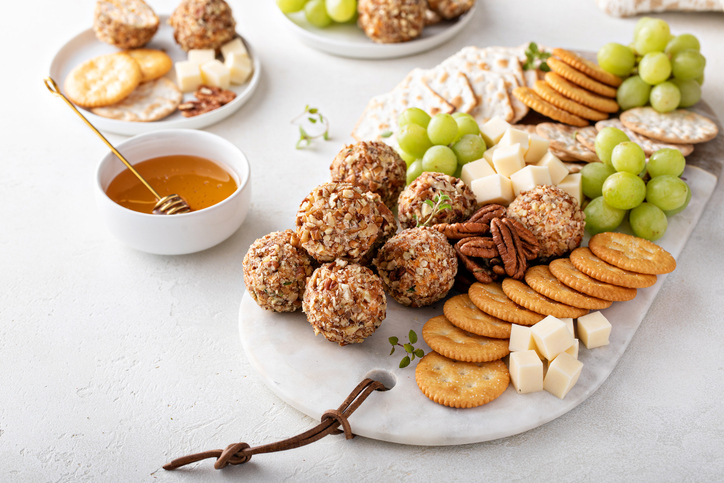
A cheese ball was a specific object: cream cheese and sharp cheddar blended together with a little Worcestershire and garlic powder, rolled into a ball or log, then pressed into a coating of finely chopped pecans until every surface was covered. It sat in the center of the appetizer spread with a spreading knife beside it and a ring of crackers fanning out around it. It was reliably the first thing to disappear.
The outside was nutty and slightly crunchy. The inside was rich and cool, with the tang of sharp cheddar keeping the cream cheese from feeling heavy. It also rewarded patience: the flavor improved a lot after a night in the refrigerator, which made it the hostess's most practical make-ahead weapon. Is the cheese ball still making appearances in your holiday entertaining, or has it given way to a charcuterie board?
19. When Chafing Dishes Filled With Swedish Meatballs Was Absolute Peak
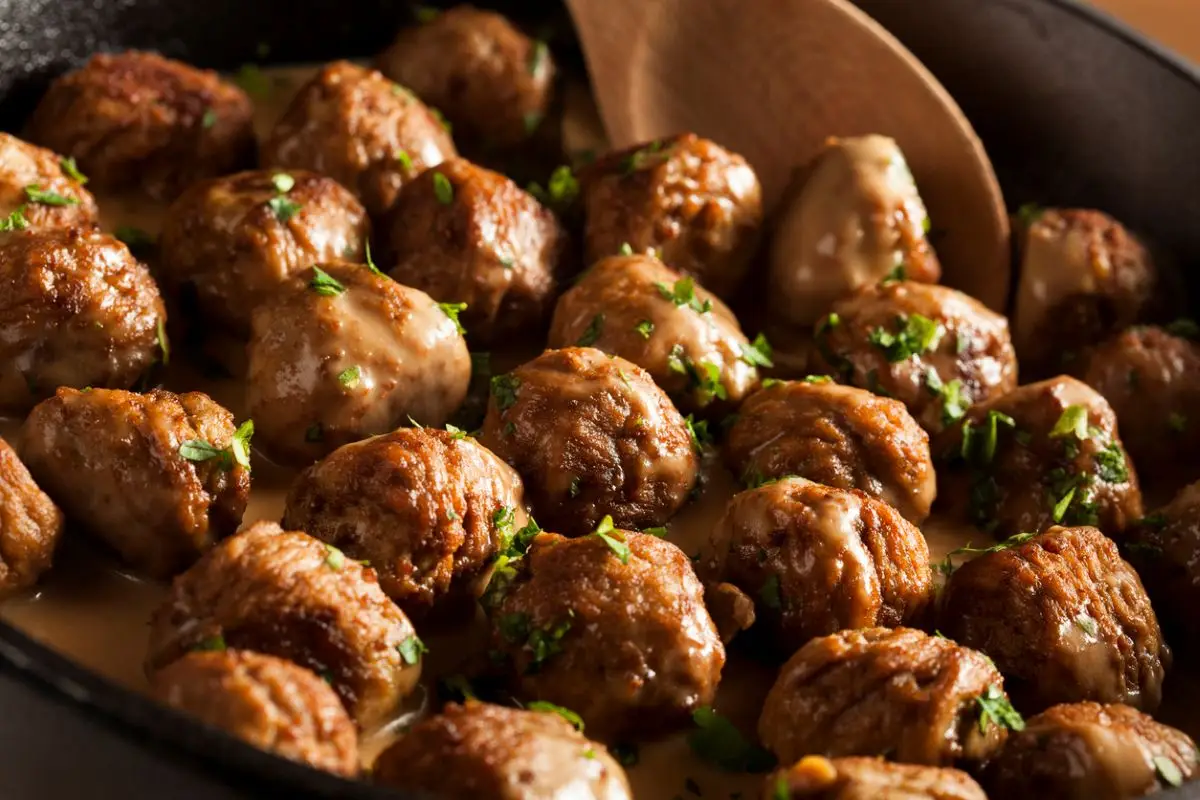
Long before IKEA made Swedish meatballs a weekday lunch option, American hostesses were keeping them warm in chafing dishes at cocktail parties from the late 1950s onward. The homemade version was a different animal entirely: small, tender meatballs in a pale, silky cream gravy seasoned with allspice and a little nutmeg, warm and faintly sweet in a way that nothing from a cafeteria setting ever managed.
They occupied the serious section of the appetizer spread, served with cocktail picks and a stack of small plates. Substantial enough to require a plate, casual enough to eat standing up. That middle register took real effort to get right, and the best versions tasted exactly like that effort. When did the chafing dish stop being a fixture at home entertaining?
Era 3: The Potluck and Fondue Era (Late 1960s–1980s)
By the late 1960s, the cocktail party had relaxed into something more casual and more neighborhood-scaled. Block parties, church potlucks, and backyard cookouts replaced the formal living-room entertainment of the previous decade, and the Crock-Pot, introduced in 1971, gave the era's snacks a warm, waiting-on-the-counter quality that matched the spirit of the times.
Fondue arrived from Switzerland via the 1964 New York World's Fair and spread through American kitchens like a social experiment. Junior League cookbooks were publishing recipes that assumed a reader with a fondue pot, a Crock-Pot, and a willingness to make something warm in large quantity for a crowd of people who were going to eat it standing up.
20. Little Smokies in Brown Sugar BBQ Sauce - Not Just a Retro Punchline
Little Smokies in brown sugar barbecue sauce were the Crock-Pot era's most honest party food: twenty minutes of work, then plug it in and walk away. The sauce reduced as everything warmed, thickening into a sticky, sweet-smoky glaze that clung to every toothpick. An entire generation can reconstruct a 1970s church basement potluck from that smell alone. Somewhere along the way, this became a dish people apologized for bringing. That apology was never necessary. Are these still in your holiday rotation, or did someone convince you to retire them?
21. Stuffed Mushroom Caps - the Elegant Party Bite the 1970s Got Right
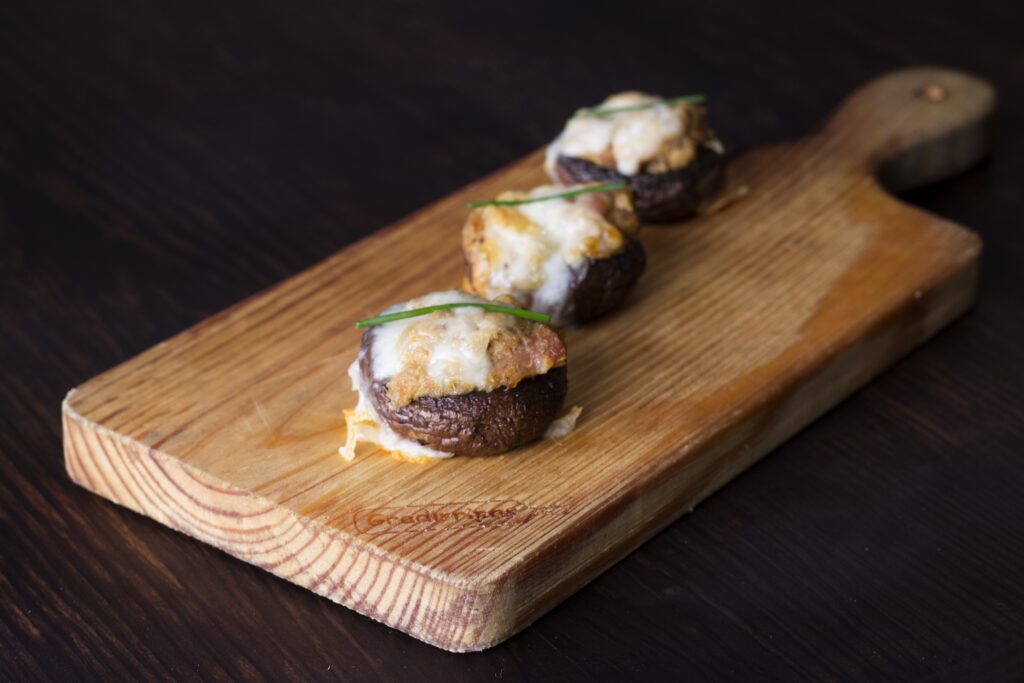
Stuffed mushroom caps were the 1970s hostess's answer to elegant on a budget. Large white button mushrooms, stems removed and chopped, got mixed with cream cheese, garlic, breadcrumbs, and whatever herbs were in the cabinet, then packed back into the cap and baked until the filling browned and the mushroom softened beneath it.
The first bite was always a little hot. Guests never remembered that until they'd already bitten through. Savory, dense, and filling enough to anchor a real first course, these were also a reliable vehicle for clearing out the refrigerator before a party. Has this one disappeared from your entertaining rotation entirely, or does it quietly resurface every November?
22. Whatever Happened to Cold Crab Dip?
Cold crab dip was the one that showed up when the host was actually trying. Cream cheese, canned or fresh crab, horseradish, lemon juice, and Worcestershire stirred together and chilled until cold and set. More expensive than onion dip, more interesting than clam dip, and worth every penny of the difference. The faint oceanic lift when someone pulled back the plastic wrap was its own announcement.
Served with crackers or cucumber rounds, it was cool, rich, and briny, with just enough of the crab's natural sweetness to justify the splurge. Junior League cookbooks of the era were full of variations: cream cheese whipped smooth, a little sour cream folded in, a thin layer of cocktail sauce spread across the top for color. Is this one still in your repertoire, or has it been quietly aging in someone's recipe box since 1979?
23. Did Your Family Own a Fondue Pot That Got Used More Than Once?
Chocolate fondue arrived in American home kitchens with serious cultural momentum. The 1964 World's Fair in New York introduced Swiss fondue to a broad audience, and by the early 1970s, the fondue set had become a wedding registry staple and a shorthand for a certain kind of casual, interactive entertaining.
Melted dark chocolate in a ceramic pot, kept warm over a small flame, served alongside strawberries, banana slices, pound cake cubes, and marshmallows arranged on a platter for dipping. It was a dessert built around participation, around everyone leaning across the same table at the same moment. The smell of warm chocolate in a low-lit room was specific to that era in a way that is genuinely hard to recreate today. Most of those fondue pots ended up in garage sales by 1985. Is yours still in the cabinet?
24. A Pistachio Salad Named After a Political Scandal Become the Most Reliable Potluck Dish of the Decade
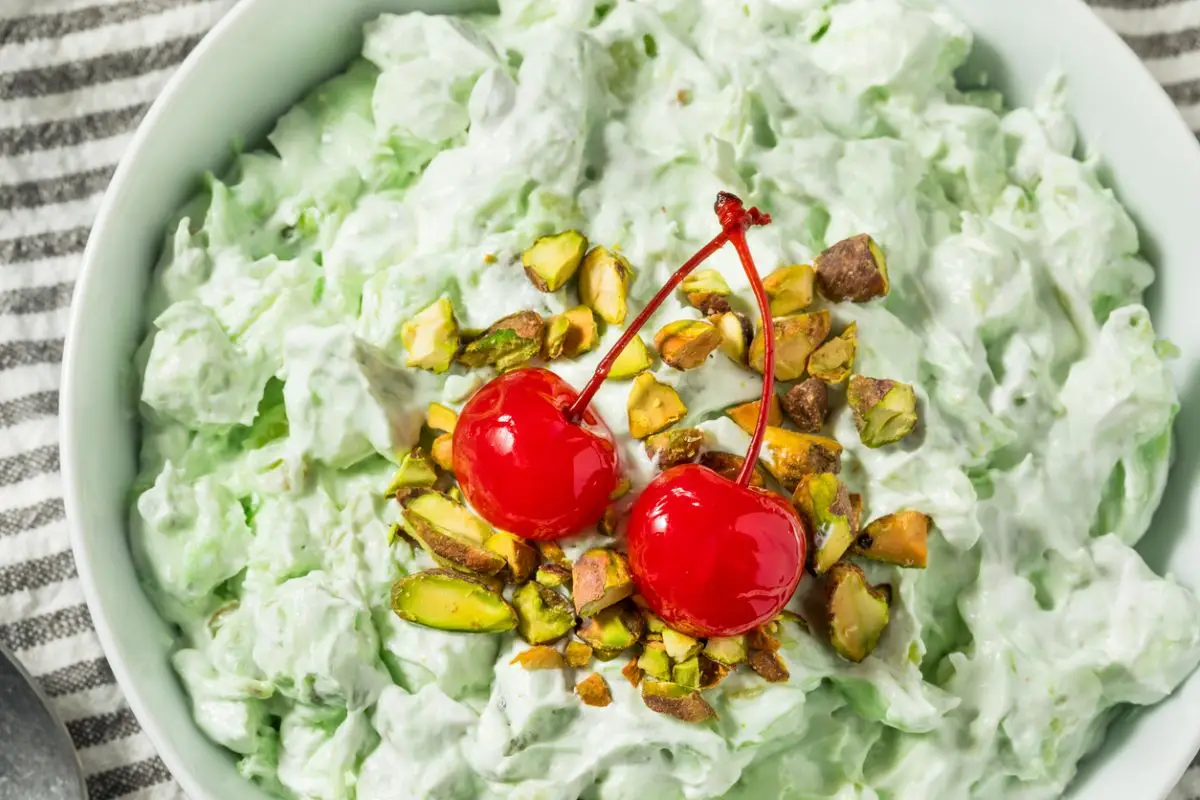
Watergate Salad appeared in the mid-1970s, named with some irony for the scandal that had just consumed the nation. The ingredients were straightforward: pistachio instant pudding, canned crushed pineapple, Cool Whip, miniature marshmallows, and chopped walnuts, stirred together and chilled until it set into something pale green and impossibly light.
It tasted sweet, faintly nutty, and cold. It showed up at potlucks across the country with the same quiet dedication that ambrosia had shown the decade before. The color alone was unusual enough to prompt questions at the table, which was part of the appeal. No baking, no real technique, feeds a crowd without negotiation. Is there anyone in your family who still brings this to Easter dinner?
25. Is the Sausage Ball the Only Vintage Party Snack That Never Truly Went Away?
Sausage balls were the Southern potluck snack that always disappeared first and always ran out before enough had been made. Raw bulk sausage, sharp cheddar, and biscuit mix worked together with your hands, rolled into walnut-sized spheres, and baked until the outside crisped and the cheese melted through. The inside was dense with sausage fat, almost unbearably rich in the way that simple ingredients cooked correctly tend to be.
No sauce, no garnish, no presentation required beyond dumping them into a bowl while still warm from the oven. Humble and completely sufficient. These are still being made in kitchens across the South, which puts them in rare company on this list. When is the last time you made a full batch from scratch rather than reaching for a shortcut?
Tools Worth Having If You Want to Revisit These Snacks
A quick note: some of the links below are affiliate links, which means I earn a small commission if you buy through them — at no extra cost to you. I only link tools I'd reach for myself. These aren't paid placements; they're just the things that actually make these recipes easier to pull off.
Your kitchen is stocked for how you cook now. Bringing these snacks back sometimes means filling a few specific gaps.
What These Snacks Were Really About
There is a thread running through all 25 of these vintage homemade snacks, and it has nothing to do with taste. It is about the belief that feeding people from scratch was worth the time; that spending an afternoon making popcorn balls or rolling pinwheel sandwiches or tempering sugar syrup for divinity was an act of care that the recipient would feel, even if they couldn't name it.
These snacks were made for specific people in specific rooms, and that specificity is exactly what made them matter. What the freezer aisle replaced was not just convenience, but the ritual of making something by hand for someone you expected to see face-to-face.
Getting these snacks back into your kitchen doesn't require a special occasion or a period kitchen or a grandmother standing over your shoulder. It requires a recipe card, a little patience, and the willingness to make something your phone can't deliver. Every one of these dishes is recoverable. Most of them take less effort than you remember.
Is there a snack on this list that your mother or grandmother made that no one else in your family ever learned how to make?


0 comments