

This 1940s red beets recipe comes from Jane Watson Hopping's The Many Blessings Cookbook, a farmhouse-style collection of family recipes passed down through generations. It follows the classic Harvard beets method: canned beets simmered in a glossy vinegar-sugar-cornstarch sauce until every cube is coated. Unlike a plain roasted beets recipe, this version leans into that sweet-tangy glaze, and it comes together as an easy, versatile side dish that works for weeknight dinners or special occasions alike.
I found this red beets recipe tucked in a used copy of The Many Blessings Cookbook 🛒, sandwiched between recipes for old-fashioned steamed apples and pumpkin pie, its pages soft and spotted from decades in someone else's kitchen.
Jane Watson Hopping first printed these family recipes in 1993, rooted in farmhouse cooking generations older than that. I've made this version enough times to know the glossy cornstarch glaze is worth the constant stirring.
Back in the 1940s, When Beets Came From the Root Cellar
Beets earned their spot in the root cellar because they simply refused to quit. Farm families layered them in damp sand or sawdust alongside carrots, turnips, and potatoes, where the cold, humid dark kept them edible clear through winter without a single watt of electricity.
That mattered because a chest freezer humming in the garage wasn't yet a household fixture, and a root cellar was the difference between fresh vegetables in February or none at all. Most American households relied on root cellaring as standard practice before widespread home refrigeration.
Sugar Rationing Made A Sweet Sauce Feel Like An Occasion

Photo by Alfred T. Palmer, 1942. Courtesy of the Library of Congress, Farm Security Administration/Office of War Information Collection.
Sugar was the very first food rationed on the WWII home front, starting in May 1942, and it stayed rationed longer than almost anything else, hanging on until June 1947. Every man, woman, and child received a ration book, and sugar for canning came as a separate, closely tracked allotment on top of the household ration.
That's exactly why a dish like Harvard beets carried weight at the table. Spending precious rationed sugar on a vegetable sauce, rather than saving it for a cake or coffee, was a small act of hospitality, a way of saying company deserved something a little special even when the pantry was thin.
Vinegar wasn't on the official ration list the way sugar, meat, and coffee were, but with imports and manufacturing capacity strained across the board, home cooks still treated every pantry staple as something to stretch rather than waste.
Resourceful Cooking, Not Magazine Cooking
This is the kind of practical, sweet-and-tangy cooking that shows up again and again in vintage American kitchens: humble ingredients, a little acid, a little sugar, and a technique built for feeding a family well rather than photographing beautifully. It's cooking rooted in real kitchens and real constraints, not recipes designed to look good on a glossy magazine page.
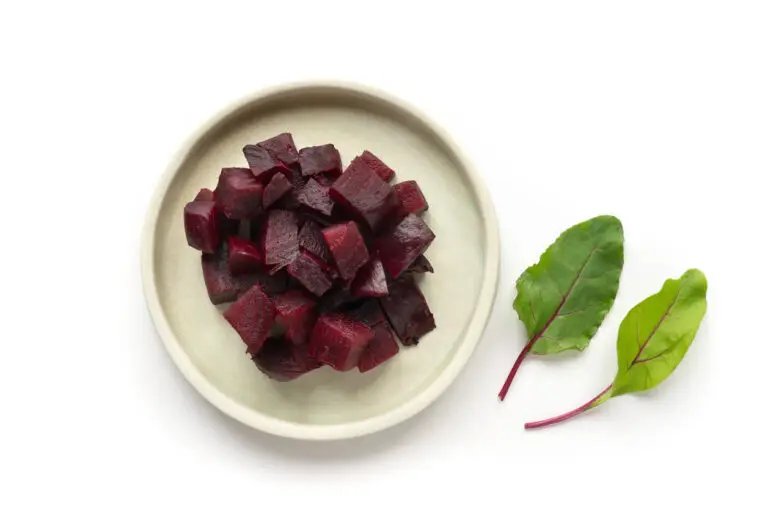
Sweet-Tangy Harvard Red Beets Recipe
This easy, sweet and tangy Harvard red beets recipe features tender cooked beets in a glossy sweet-and-sour sauce made with vinegar, sugar, and butter. This vintage New England side dish transforms humble beets into an elegant accompaniment for roasted meats and holiday dinners.
- Total Time: 25 minutes
- Yield: 6 servings 1x
Ingredients
- 1-1/2 cups cooked beets, drained, skinned, and diced (reserve 3/4 cup liquid from canned beets; add water if needed to make 3/4 cup)
- 2 tablespoons sugar
- 1 tablespoon cornstarch
- 1/2 teaspoon salt
- Black pepper to taste
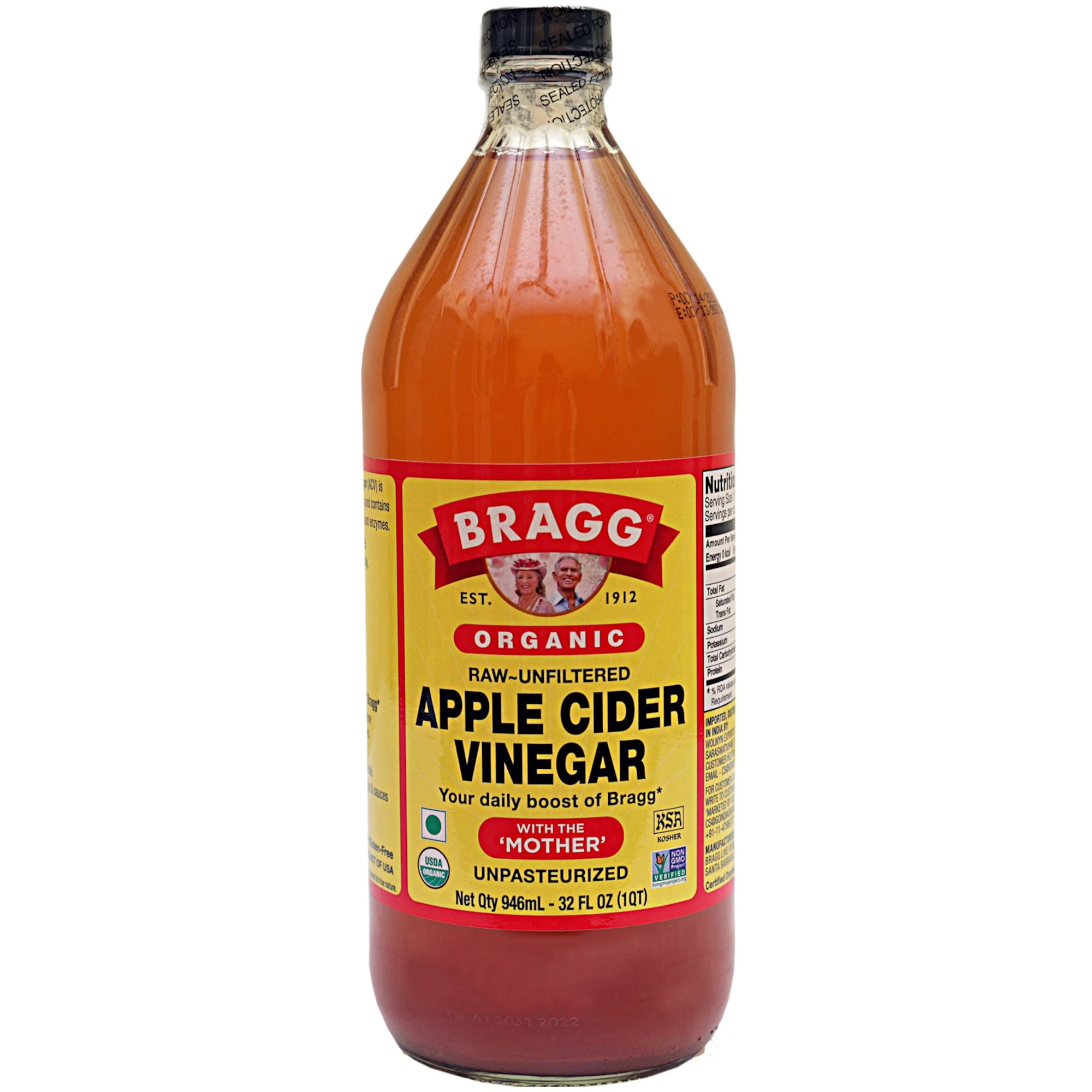
- 3 tablespoons apple cider vinegar
- 2 tablespoons butter
Instructions
- Drain and dice the beets: Drain the canned beets in a fine mesh strainer set over a bowl, pressing gently so you collect every last drop of that liquid gold underneath. You need ¾ cup of it for the sauce, so if the can comes up short, top it off with plain water. Dice the beets into ½ inch cubes now if they aren’t pre cut, so they’re ready the second the sauce is thick and waiting for them.
- Whisk the dry ingredients first: In a medium saucepan, off the heat, whisk together the sugar, cornstarch, salt, and a few good cracks of black pepper until you honestly cannot feel a single clump against the bottom of the pan. Skip this step or rush it and you’ll be fishing gluey little cornstarch pockets out of your sauce later, and nobody wants that on a holiday table.
- Stir in the liquid: Pour in your reserved beet liquid and the apple cider vinegar, then whisk until the mixture is completely smooth with no dry streaks hiding in the corners of the pan. This is the moment that sets up whether your sauce turns out silky or sad, so give it the full attention it deserves.
- Bring it to a real boil: Set the pan over medium heat and stir constantly as it heats. Cornstarch needs steady movement or it forms thick, gluey pockets instead of a smooth glaze, so keep that spoon moving until you feel the sauce suddenly thicken and grab it.
- Add the beets and butter: Stir the diced beets and butter directly into the thickened sauce. The butter should melt in within a few seconds and leave the whole pan looking rich, glossy, and frankly a little irresistible.
- Keep the final simmer gentle: Once the beets and butter go in, you only need 8 to 10 minutes on a low simmer with small bubbles around the edges. Not a hard boil, or the beets will start to break down and lose that clean, tender bite.
- Check the consistency: The sauce is ready when it looks glossy and coats the beets in a thick, even layer clinging to the back of your spoon. If it’s still thin, give it another 2 to 3 minutes rather than reaching for more cornstarch, since patience fixes this faster than extra starch ever will.
- Serve warm: Spoon everything into a serving dish while it’s still hot and glossy. Harvard beets lose a little shine as they cool, so this is their best moment on the table.
Notes
A Note on Fresh Beets Instead of Canned
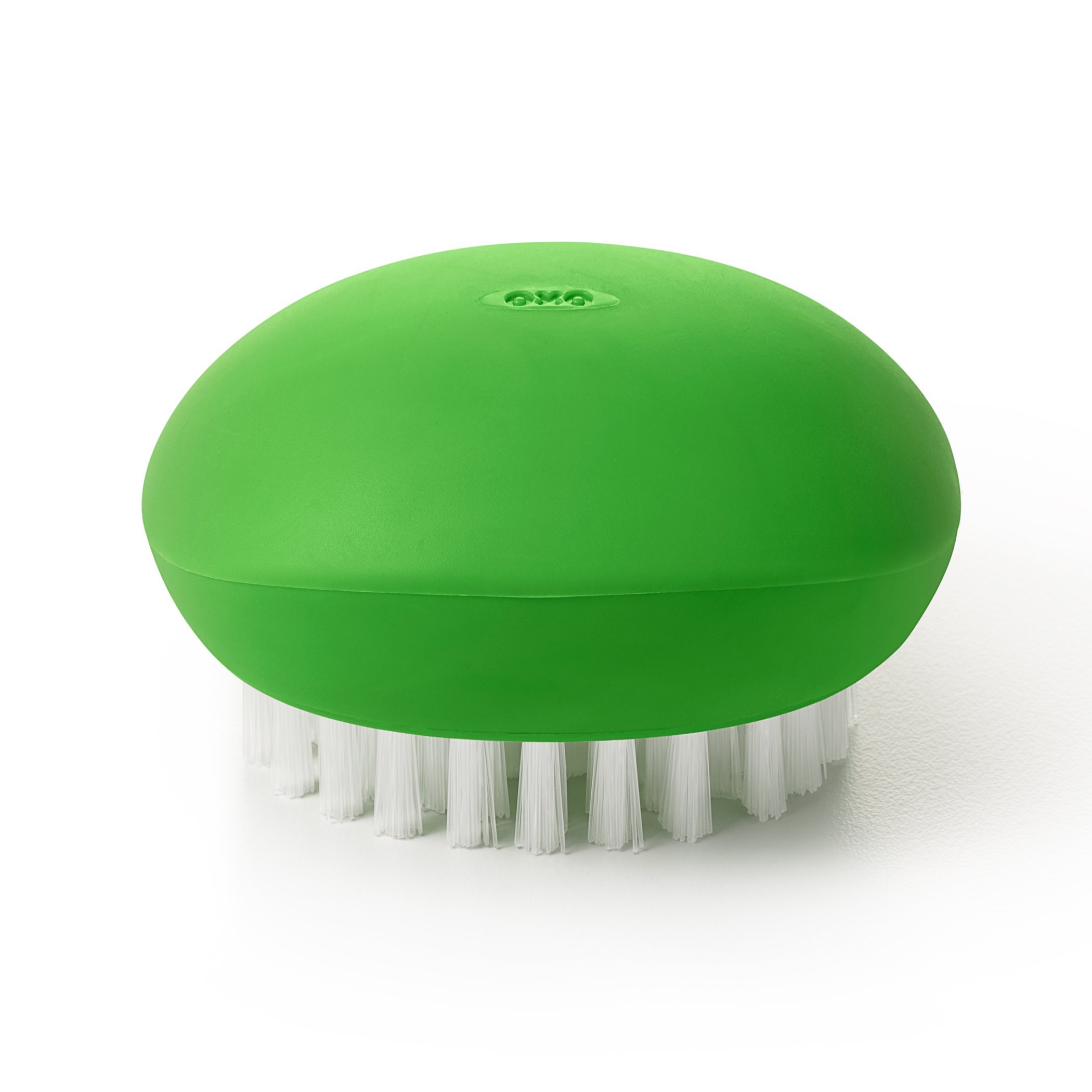
- Scrub 3 medium beets clean with a vegetable brush, wrap each one whole in foil, and roast on a baking sheet at 400°F for 45 to 60 minutes, until a knife slides in with little resistance.
- Let them cool enough to handle, then peel and dice into ½ inch cubes and pick up the recipe at “Whisk the dry ingredients first,” using water in place of the reserved can liquid. It’s a genuinely deeper, earthier beet, tested side by side against canned, but budget an extra hour since this isn’t the quick weeknight version anymore.
- Prep Time: 10 minutes
- Cook Time: 15 minutes
- Category: Vegetables
- Method: Simmering
- Cuisine: American
Pin This Easy Sweet and Tangy Red Beets Recipe For Later

Why This Red Beets Recipe Still Works Today
This red beets recipe survives because the technique solves a real problem: turning an earthy vegetable into something with vibrant color and balanced flavor without hiding what a beet actually tastes like.
Cornstarch Creates a Glossy, Clinging Sauce
Cornstarch thickens the vinegar and sugar mixture into a glaze that clings to every beet cube instead of pooling in the bottom of the pan.
This gives the dish its signature vibrant color and glossy finish, and it's the same trick that turns a thin syrup into something that actually coats the vegetable.
Apple Cider Vinegar Balances The Sweetness
Cider vinegar 🛒cuts through the sugar's sweetness so the final dish tastes tangy and bright instead of like beet-flavored candy. This is the same sweet-sour balance New England cooks relied on long before refrigeration made produce easy to keep fresh.
Butter Rounds Out The Sharp Edges
A couple tablespoons of butter stirred in at the end smooth out the vinegar's sharpness and give the sauce a slight richness that makes this feel like a special-occasion side dish rather than a plain vegetable.
Fresh Beets Bring an Earthy Flavor Canned Beets Can't Match
Fresh beets roasted whole in a baking pan develop a deeper, more concentrated earthy flavor than canned beets ever will. Wrapping them in aluminum foil before roasting on a baking sheet locks in moisture so they come out tender with little resistance from a knife. See recipe notes.
How To Make The Perfect Red Beets Every Time
Whisk Dry Ingredients Before Adding Liquid
Combine the sugar, cornstarch, salt, and pepper together first, so the cornstarch doesn't clump the second it hits the beet liquid and vinegar.
Stir Constantly As The Sauce Comes To A Boil
Cornstarch needs constant movement while it heats, or it forms thick, gluey pockets instead of a smooth glaze; you'll feel the sauce suddenly thicken and grab your spoon.
Drain The Beets Well Before They Hit The Pan
Canned beets carry more liquid than you'd think, and any extra dripping in loosens your carefully thickened sauce right when it's supposed to cling; a few extra seconds in the strainer saves you a thin, watery finish.
Add Beets And Butter Together, Off The Spoon Not The Heat
Stir the diced beets and butter in at the same time once the sauce has thickened, letting the butter melt into the hot glaze within seconds rather than treating it as a separate step; this is what gives the finished dish its glossy, rich look instead of a dull or separated sauce.
Keep The Final Simmer Gentle
Once the beets and butter go in, you only need 8 to 10 minutes on a low simmer with small bubbles around the edges, not a hard boil, or the beets will start to break down.
Trust The Spoon Test, Not The Clock
Sauce is done when it coats the back of a spoon in an even, glossy layer rather than running off in a thin sheet; if it's still sliding, give it another minute or two instead of walking away early.
Recipe Variations, Serving Ideas, & Storage
Recipe Variations
Tools & Ingredients Worth Having For This Recipe
We use Amazon links for tools that we use in our own kitchen and make sense for the recipes we share. If you choose to shop through those links, you help keep these vintage recipes alive and off the endangered list, at no extra cost to you.


Last update on 2026-11-13 at 13:19 / Affiliate links / Images from Amazon Creators API
Frequently Asked Questions
This red beets recipe works with fresh beets as long as they're fully cooked before they go into the sauce; roast them whole at 400°F wrapped in foil for 45 to 60 minutes until a knife slides in with little resistance, then peel and dice.
Lumpy sauce usually means the cornstarch hit hot liquid before it was fully whisked into the sugar, salt, and pepper; mixing the dry ingredients thoroughly first and stirring constantly as the liquid heats prevents this every time.
Harvard beets keep well in an airtight container in the refrigerator for up to 4 days, and the flavor actually deepens a bit after the first day as the sauce continues to soak into the beets.
This red beets recipe is one of the easier make-ahead sides for a holiday table, since you can cook and dice the beets up to two days in advance and finish the sauce in about 10 minutes right before serving.
A thin sauce usually needs another 2 to 3 minutes of gentle simmering to let the cornstarch fully thicken; add a little more time before reaching for extra cornstarch.
This red beets recipe doubles easily for a crowd; just use a larger saucepan so the sauce has enough room to reduce properly without boiling over.
Regular roasted beets are simply seasoned with olive oil and salt, while Harvard beets are simmered in a sweet-tangy cornstarch sauce that gives them a glossy coating and a more complex, balanced flavor.
The Red Beets Dish That Earned Its Place
Sweet-tangy beets earned a permanent spot on this table the same way they earned one on Jane Watson Hopping's decades ago: by giving a humble root vegetable a reason to get eaten first.
Once you've made the glossy cornstarch glaze once, it's an easy repeat for weeknight dinners and holiday spreads alike.
If your dinner table converts a beet skeptic or two, come back and leave a rating and review below.
