
Somewhere between a pot of melted butter and a length of waxed paper on the counter, four generations of our family fell in love with the same no bake chocolate peanut butter cookies. The handwritten recipe card that started it all came from the 1970s, the ink has faded, and there may or may not be a chocolate thumbprint on the corner.
The recipe still works exactly the same way it always did, with eight simple pantry ingredients and one stovetop technique that most recipes either rush past or get completely wrong. eek!
Growing up in the 1970s, these were the cookies that appeared without warning and disappeared the same way. The smell of cocoa and butter hitting a hot saucepan is one of those sensory memories that doesn't fade, and neither does the particular anxiety of watching the waxed paper and willing them to set before someone got impatient.
A generation later, those same cookies were made for a new set of kids who now make them for their own. That is the kind of staying power no food trend manufactures on purpose.
If the chocolate peanut butter combination has you thinking about other vintage chocolate cookies worth reviving, the Homemade Hydrox Cookies on Recipe Rewind are worth your next afternoon.
Back in the 1970s Kitchen
No bake chocolate peanut butter cookies have roots that go back further than the 1970s family recipe boxes that made them a household staple. The core technique (boiling sugar, butter, and cocoa together before combining with oats) appears in American home cooking literature as far back as the 1930s, when stovetop confections were a practical solution for households that needed dessert without turning on the oven in summer heat or stretching a limited grocery budget.
By the post-war years, creamy peanut butter had become a standard American pantry item, and the two came together into the classic cookie most families recognize today.
The 1970s were the decade that truly locked this recipe into the cultural memory. While All in the Family played on the television and Eight-Track tapes competed with FM radio, American home cooks were trading recipes at church potlucks, neighborhood coffee klatches, and PTA meetings.
The recipe traveled by hand, copied onto index cards in whatever handwriting the house used, and passed from neighbor to neighbor the way genuinely good recipes always move: person to person, without anyone asking for credit.
In some parts of the South, these were called preacher cookies, named for the speed at which you could produce them when unexpected company arrived. In other regions, minute cookies or boiled cookies were the names that stuck.
What made these no bake chocolate peanut butter cookies genuinely useful to the 1970s home cook was the complete absence of special equipment or advanced technique. No stand mixer, no oven preheat, no candy molds. A pot, a spoon, some waxed paper, and about 15 minutes covered the entire operation. For a generation juggling school schedules, full-time work, and a garden that needed attention, that was the whole point.
What Makes These No Bake Chocolate Peanut Butter Cookies Work
The Rolling Boil Is Candy Science, Not a Suggestion
Most failed batches of no bake chocolate peanut butter cookies fail at exactly one moment: the boil. This recipe is, at its core, a stovetop candy, and the full rolling boil is what drives the sugar mixture to the soft-ball stage, approximately 235 to 240 degrees Fahrenheit. At that temperature, enough water has evaporated from the sugar mixture that, as it cools, it firms into a stable structure rather than staying soft and sticky.
A gentle simmer or a partial boil leaves too much water in the mixture, and no amount of oats or peanut butter will compensate for that. The boil must be strong enough that stirring it doesn't calm it down. That is the only reliable test without a thermometer.
Creamy Peanut Butter Does Two Jobs at Once
Half a cup of creamy peanut butter is both a flavor agent and a structural one. Stirred in off the heat, it emulsifies into the hot chocolate mixture and contributes fat that helps the cookies set into a fudgy, cohesive drop rather than a loose, crumbly one.
Conventional creamy peanut butter works better here than natural peanut butter because its stabilized consistency blends more evenly into the hot mixture. Natural peanut butter carries a higher oil content that can separate slightly and produce softer cookies with less reliable set. Save the natural peanut butter for toast and reach for the classic jar for this recipe. Your sweet tooth will not notice the difference, and your cookies will.
Quick Oats Are the Right Call
Quick-cooking oats are pre-cut into smaller pieces than old-fashioned rolled oats, which means they absorb the hot chocolate mixture more evenly and bind into a tighter, chewier cookie. A full three cups is the correct amount: too few and the cookies won't hold their shape when dropped; too many and they dry out before the mixture can coat them properly.
Old-fashioned oats are thicker and coarser, producing a drier texture that makes clean drops harder to achieve. If quick oats are unavailable, pulse old-fashioned oats briefly in a food processor to break them down before using.
Cocoa Powder Builds the Right Flavor Base
Unsweetened cocoa powder is the correct choice for the boiling mixture because it dissolves cleanly into the hot liquid and distributes evenly throughout the sugar mixture before the oats go in. Three tablespoons delivers the classic chocolate peanut butter flavor this recipe is known for; four tablespoons deepens it toward something richer, which is worth trying on your second batch.
Avoid substituting dark chocolate or semi-sweet chocolate chips into the boiling stage, as melted chocolate changes the fat content of the sugar mixture and interferes directly with how the cookies set.
Products I Use to Make No Bake Chocolate Peanut Butter Cookies
Recipe Rewind is an Amazon Associate and earns from qualifying purchases made through our affiliate links. We only recommend kitchen tools and products that coordinate with our vintage recipes and traditional cooking methods. Your purchases help us keep culinary traditions alive.


No Bake Chocolate Peanut Butter Cookies Recipe
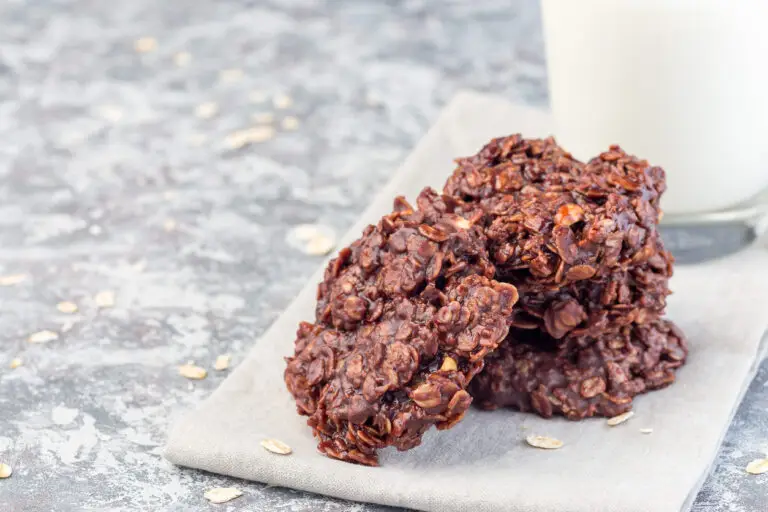
Preserved on a handwritten recipe card since the 1970s and made across four generations, these vintage no bake chocolate peanut butter cookies rely on a full rolling boil to bring the sugar and cocoa mixture to the soft-ball candy stage, which is the technique that makes them set into firm, glossy drops instead of a sticky mess. Eight pantry staples, one heavy-bottomed saucepan, and a length of waxed paper are the only requirements. The finished cookie is dense, chewy, and deeply flavored with cocoa and creamy peanut butter, with no oven and no mixer required.
- Total Time: 45 Minutes
- Yield: 36 Cookies 1x
Ingredients
- 1 stick (1/2 cup) unsalted butter
- 2 cups granulated sugar
- 1/2 cup whole milk
- 3 tablespoons unsweetened cocoa powder
- Pinch of salt
- 1/2 cup smooth peanut butter
- 1 teaspoon pure vanilla extract
- 3 cups quick-cooking oats
Instructions
- Step 1: Prep your station first
Line two baking sheets or a large section of counter with waxed paper before you even turn on the burner. Once this mixture is ready, you’ll want to move fast. Don’t skip this step, or you’ll be scrambling. - Step 2: Boil the base
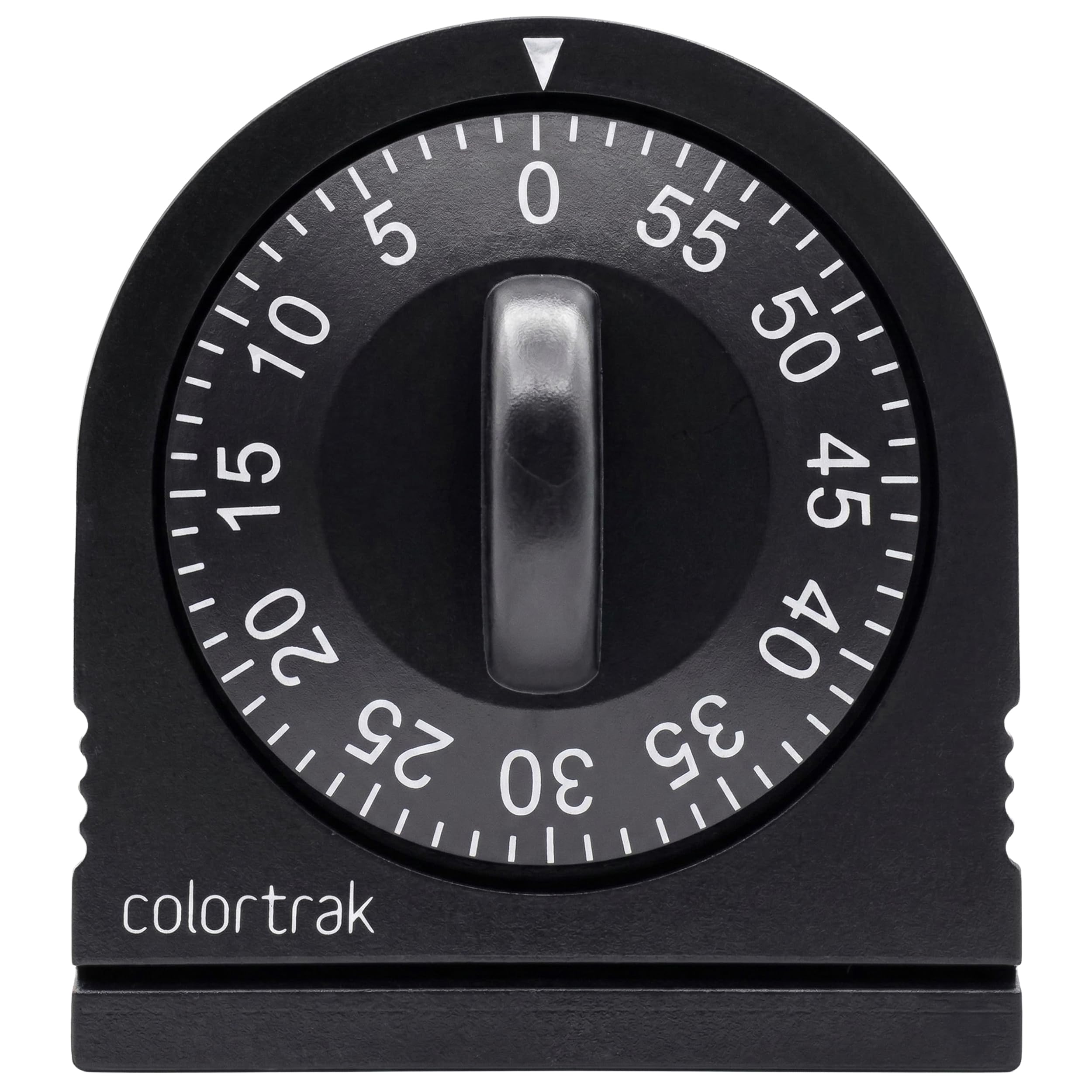
Combine the butter, sugar, milk, cocoa, and salt in a medium to large heavy-bottomed saucepan over medium heat. Stir everything together as the butter melts. Once it starts bubbling, bring it up to a full, rolling boil: not a lazy simmer, not a gentle bubble, but the kind of boil that can’t be stirred down. Set a timer the moment it hits a rolling boil and let it go for 90 seconds to 2 minutes. This is the step that determines whether your cookies set firm or stay sticky, so resist the urge to walk away and check your phone. - Step 3: Off the heat, immediately
The second your timer goes off, pull the pan off the burner. Do not wait. Do not let it cool a minute. Working quickly, stir in the peanut butter first until it melts completely into the chocolate mixture, then add the vanilla extract, then the oats. Stir until everything is coated and combined. You’ll have about 3 to 4 minutes before it starts to set, so move with purpose. - Step 4: Drop and leave them alone
Using a tablespoon or cookie scoop, drop rounded spoonfuls onto your waxed paper. They don’t spread, so you can place them fairly close together. Once they’re down, leave them completely undisturbed for at least 30 minutes at room temperature. Touching them, poking them, or just checking will ruin that classic glossy top. If anyone says they only want one, they are lying to both of you.
Notes
- Boil timing: 90 seconds at a true rolling boil is the minimum. For certainty, use a candy thermometer and look for 235 to 240°F, which is the soft-ball candy stage.
- Quick oats vs. old-fashioned oats: Quick-cooking oats are strongly recommended. Old-fashioned oats produce a drier, coarser texture and are harder to drop cleanly.
- Humidity: On hot, humid days, cookies may take longer to set. Refrigerate for 15 minutes if they haven’t firmed up after 30 minutes at room temperature.
- Prep Time: 10 Minutes
- Set Time: 30 Minutes
- Cook Time: 5 Minutes
- Category: Cookies, Dessert
- Method: Stovetop
- Cuisine: American
How to Make No Bake Chocolate Peanut Butter Cookies That Set Every Time
Prep Your Waxed/Parchment Paper Before You Turn On the Burner
Once the chocolate mixture hits temperature, you have roughly three to four minutes to drop all your cookies before it becomes too stiff to work with. That is not enough time to go looking for waxed paper.
Line two large baking sheets before you touch the stove, and set your cookie scoop or tablespoon right next to them. Waxed paper releases the finished cookies more cleanly than parchment paper, though parchment works as a substitute if that's what you have.
Know Exactly What a Full Rolling Boil Looks Like
A full rolling boil keeps bubbling hard even when you stir it. That is the test. If stirring the mixture calms the bubbling, you are not there yet. Medium heat should bring you to a full rolling boil within four to five minutes of the mixture going on the stove.
The moment the boil holds through stirring, start your timer 🛒. A candy thermometer removes all guesswork: 235 to 240 degrees Fahrenheit is the soft-ball stage and your precise target. I have made these cookies without a thermometer for decades, but if you have one, use it the first time.
Move the Second the Timer Sounds
Pull the pan off the heat immediately when the timer goes off. Add the peanut butter first and stir until it melts completely into the hot chocolate mixture. Then add the vanilla extract, then the full three cups of quick oats. Stir until every oat is coated and the mixture looks uniform.
You have three to four minutes before it starts to set, so this is genuinely not the moment to answer a text, check on the kids, or do anything other than stir and scoop.
Drop Them and Walk Away
Using a tablespoon or cookie scoop 🛒, drop rounded spoonfuls onto your prepared waxed paper. These cookies don't spread, so spacing them an inch apart is plenty. Once they're down, leave them completely undisturbed at room temperature for at least 30 minutes.
The glossy top that makes these cookies so satisfying forms during those first minutes of cooling, and touching them before they set will ruin it. If anyone in the house claims they only want one, they are lying to both of you.
Recipe Variations, Serving Ideas, & Storage
Recipe Variations
The Baking Aisle Accident That Made These Even Better
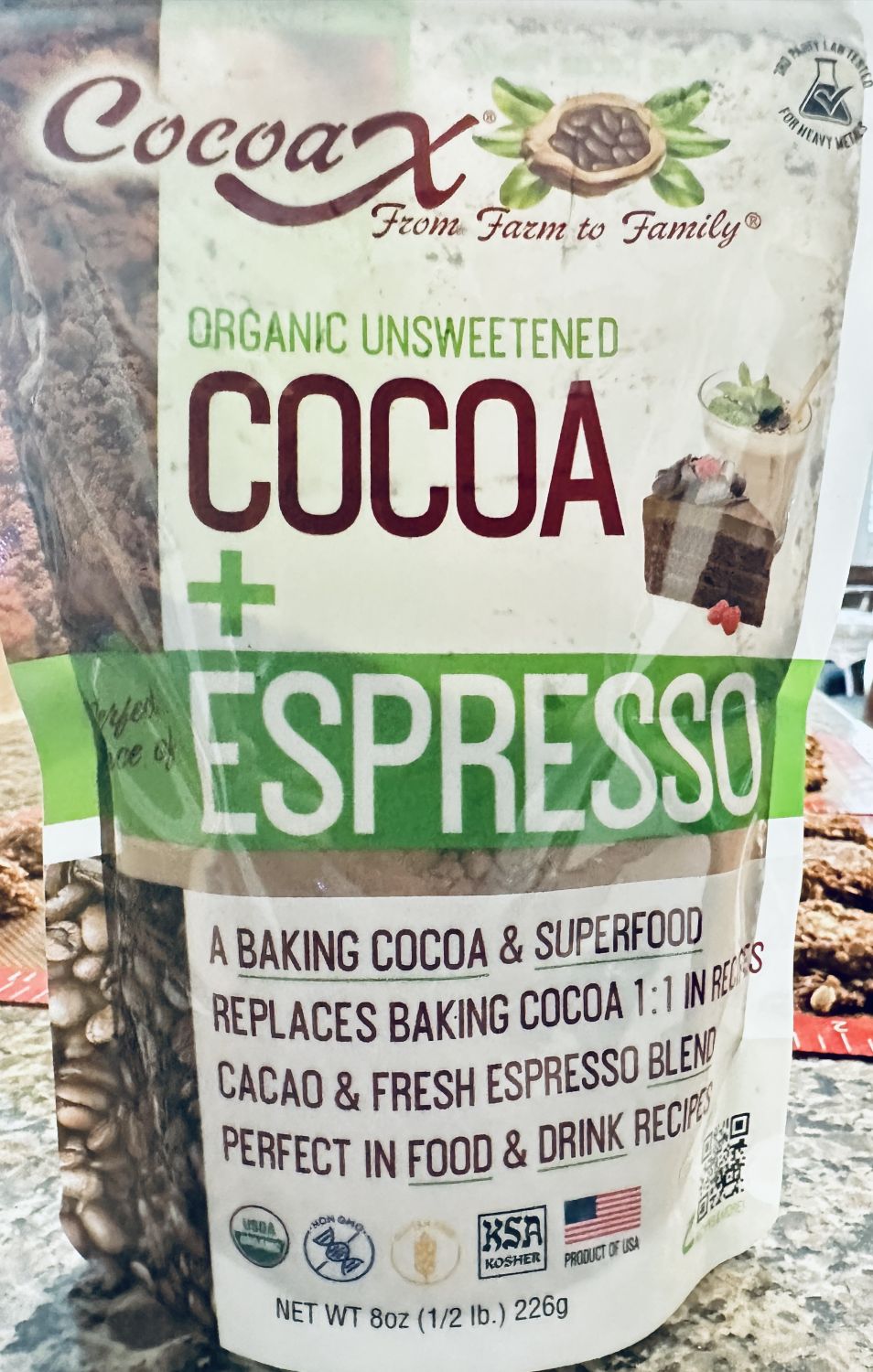
Sully originally picked up a cocoa + espresso powder 🛒 blend for baking dark breads, but it might have found its true calling in this recipe. The blend swaps in for regular baking cocoa at a 1:1 ratio, which means zero math and zero recipe adjustments. What you get is a deeper, slightly roasted flavor that makes the chocolate more complex without tasting like a coffee cookie.
Frequently Asked Questions
No bake chocolate peanut butter cookies fail to set when the sugar mixture does not reach a full rolling boil, which is the point at which enough water evaporates to allow the mixture to firm up as it cools. A slow simmer or partial boil leaves too much moisture in the sugar mixture, and no amount of oats or peanut butter will compensate.
The fix is straightforward: bring the mixture to a hard boil that cannot be stirred down, then hold it there for 90 seconds to two full minutes before pulling the pan off the heat. A candy thermometer reading of 235 to 240 degrees Fahrenheit confirms you've hit the soft-ball stage and the cookies will set correctly.
No bake chocolate peanut butter cookies go by several names across the United States. In the South, the most common name is preacher cookies, a reference to how quickly they can be made when unexpected company arrives.
Elsewhere the same recipe is called minute cookies, boiled cookies, stovetop cookies, or chocolate drop cookies. The name varies by region and family, but the core recipe of butter, sugar, cocoa, creamy peanut butter, and quick cooking oats has remained essentially consistent since at least the 1940s.
Quick cooking oats are strongly recommended for no bake chocolate peanut butter cookies because they absorb the chocolate mixture faster and bind into a tighter, chewier drop.
Old-fashioned rolled oats are thicker and coarser, which produces a drier, more crumbly result that is harder to drop cleanly onto waxed paper.
If old-fashioned oats are all you have on hand, pulse them a few times in a food processor before measuring to break them down closer to the size of quick cooking oats. The result won't be identical to the original, but it will be significantly closer than using them whole.
Natural peanut butter can be used in no bake chocolate peanut butter cookies, but conventional creamy peanut butter produces more consistent results. Natural peanut butter has a higher oil content and a looser, runnier consistency, both of which can affect how the cookies bind and how firmly they set.
If you use natural peanut butter, make sure it is thoroughly stirred before measuring, and be prepared for cookies that may be slightly softer once fully set. Conventional creamy peanut butter melts more evenly into the hot mixture and gives a more reliable cookie every time.
The reliable test for no bake chocolate peanut butter cookies without a thermometer is whether the boil holds through stirring. Stir the mixture briskly; if the bubbling slows or stops, the boil isn't strong enough yet. Once the mixture keeps bubbling hard regardless of the spoon moving through it, that is a full rolling boil.
Start a timer at that moment and let it run for 90 seconds to two full minutes before removing from the heat. If you have a candy thermometer, the target is 235 to 240 degrees Fahrenheit, which is the classic soft-ball candy stage.
Making two separate batches back to back is far more reliable than doubling the recipe into one large pot. A doubled volume of sugar mixture changes the timing required to reach the soft-ball stage and makes it much harder to judge visually when the boil is sufficient.
Two individual batches take only a few extra minutes and produce consistently better results than attempting one oversized pot of hot caramelized sugar.
Dry or crumbly no bake chocolate peanut butter cookies are almost always caused by boiling the mixture too long or at too high a temperature, which drives off too much liquid and over-caramelizes the sugar.
Boiling past two minutes at a hard rolling boil takes the mixture beyond the soft-ball stage toward a firmer candy consistency, leaving the finished cookies too dry to hold together. Adding more than three cups of quick cooking oats produces the same problem by tipping the dry-to-wet ratio in the wrong direction. If a batch doesn't turn out, crumble them over vanilla ice cream. Genuinely not a total loss.
No bake chocolate peanut butter cookies are an excellent make-ahead treat. They set completely within 30 minutes at room temperature and stay fresh in an airtight container for up to five days, making them ideal for preparing the day before a gathering.
For longer storage, they freeze well for up to three months in a freezer-safe airtight container with waxed paper between layers. Thaw at room temperature for 20 to 30 minutes before serving. There is no noticeable change in texture after freezing, which makes a full batch worth making whenever you have a free 15 minutes.
Quick oats and instant oats are related but not the same product, and the distinction matters for no bake chocolate peanut butter cookies. Quick oats are pre-cut rolled oats that absorb liquid rapidly while retaining some texture and structure in the finished cookie.
Instant oats are processed even further, often pre-cooked and dried, and they absorb liquid so quickly that they can turn the mixture mushy before it sets. Quick cooking oats are the correct choice. Instant oats are for packets of morning oatmeal, and they will not give you the chewy, cohesive cookie this recipe intends.
Semi-sweet chocolate chips, mini chocolate chips, or chopped dark chocolate can be added to no bake chocolate peanut butter cookies by stirring them in along with the oats immediately after the pan comes off the heat.
Mini chocolate chips distribute more evenly and melt slightly into the warm mixture for a more integrated result. Keep any mix-ins to roughly half a cup total so the balance of wet to dry ingredients stays consistent and the cookies drop and set cleanly.
Pin This No Bake Chocolate Peanut Butter Cookies Recipe For Later
Taste Test Results From Our Multi-generational Kitchen
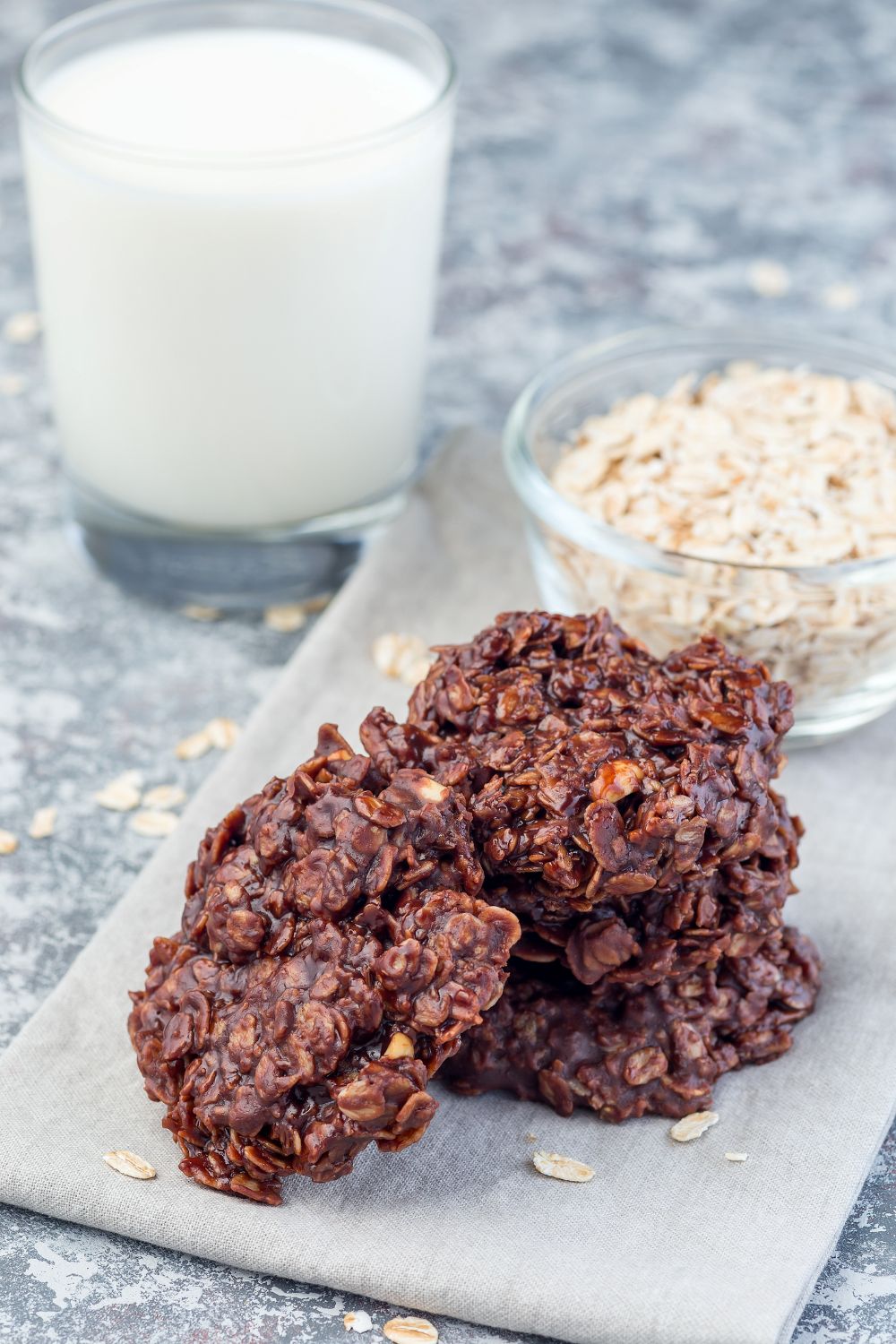
The no bake chocolate peanut butter cookies went through a multi-generational taste test in this house, and the results were about as definitive as it gets.
Silent Gen paired them with a cup of coffee and called them really good but very rich, which is the highest compliment that generation gives anything without making a fuss about it.
Boomer took one bite and said they taste exactly like she remembers making them, which is the entire point of this website in one sentence.
Gen X was the most enthusiastic vote of all, and the most telling. Sully does not typically eat sweets. That is just a fact about him. He ate these cookies with the kind of commitment usually reserved for a real meal, and when I suggested he take some down the street to his mom, he said no. Just no. He wanted them all.
So now I have to make another batch for my mother-in-law, and honestly, I cannot even be mad about it. That is probably the most useful thing I can tell you about this recipe: it will make people territorial. Plan accordingly.
The Recipe That Keeps Finding Its Way Back
A handwritten recipe card with a chocolate thumbprint in the corner is not the most sophisticated piece of culinary documentation, but it has outlasted cookbooks, trends, diet fads, and at least three kitchen renovations. These vintage no bake chocolate peanut butter cookies have been made by our family in every decade from the 1970s, which puts them in a category most recipes never reach.
Does this recipe live in your family too? Tell me what your family called them, whether there was a small variation passed down alongside the card, and how many made it to the 30-minute mark before someone lifted one off the waxed paper. Leave a comment below, and if you make this recipe, please leave a rating and review. It genuinely helps other readers find it.


0 comments