
When the thermometer hits 95 degrees and the kitchen feels like a punishment, an easy tuna salad sandwich is one of the smartest quick lunches you can make because it requires zero heat, zero cooking, and about ten minutes of actual effort.
Woolworth's and Walgreens lunch counters were serving this exact sandwich to hungry customers all through the hot summers of the 1950s, and the ratio they relied on, canned tuna, celery, onion, lemon, and mayo, hasn't needed improving since.
The villain here has never been the recipe; it's been the idea that lunch has to involve cooking, and on a scorching afternoon, that idea can take the day off.
If you want to take your canned tuna somewhere warm and melty on a cooler day, this easy vintage tuna rarebit is worth bookmarking.
The 1950s Lunch Counter and the Tuna Salad Sandwich That Was Always on the Menu
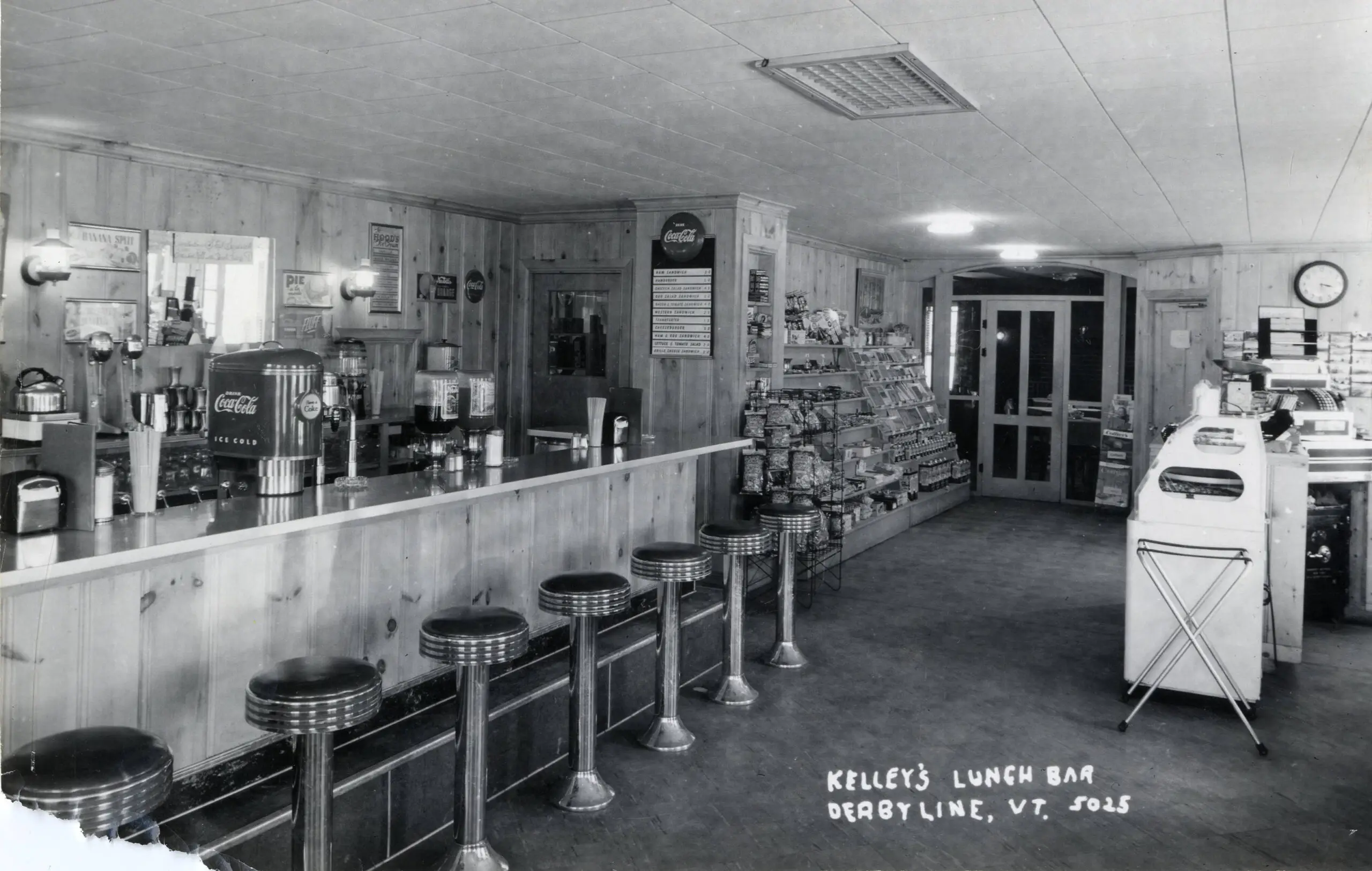
By the early 1950s, the American lunch counter was a institution. Woolworth's five-and-dime stores, Walgreens drugstore counters, and neighborhood diners from Texas to New England kept a short, dependable menu running from late morning straight through the afternoon rush, and the tuna salad sandwich was almost always on it. It was affordable, fast, and required nothing from the kitchen except a can opener, a bowl, and a practiced hand with the mayo scoop.
The workers assembling those sandwiches behind the counter had the ratio committed to memory: canned tuna, finely chopped celery, a little onion, a squeeze of lemon, and enough mayonnaise to hold it all together cleanly.
Home cooks across the country were making the same sandwich at their own kitchen tables, often from recipes printed in community cookbooks and church bulletins throughout the late 1940s and 1950s, because the logic was identical. Simple ingredients, no heat, ready in minutes.
What made the lunch counter version feel like a small luxury was the setting: a cold sandwich on fresh white bread, a bag of potato chips rattling on the side, and a glass of iced tea sweating onto the counter. You can recreate every bit of that at home today, and on a 95-degree afternoon, it might actually be better than the original.
Easy Tuna Salad Sandwich (or Chicken, or Crab)
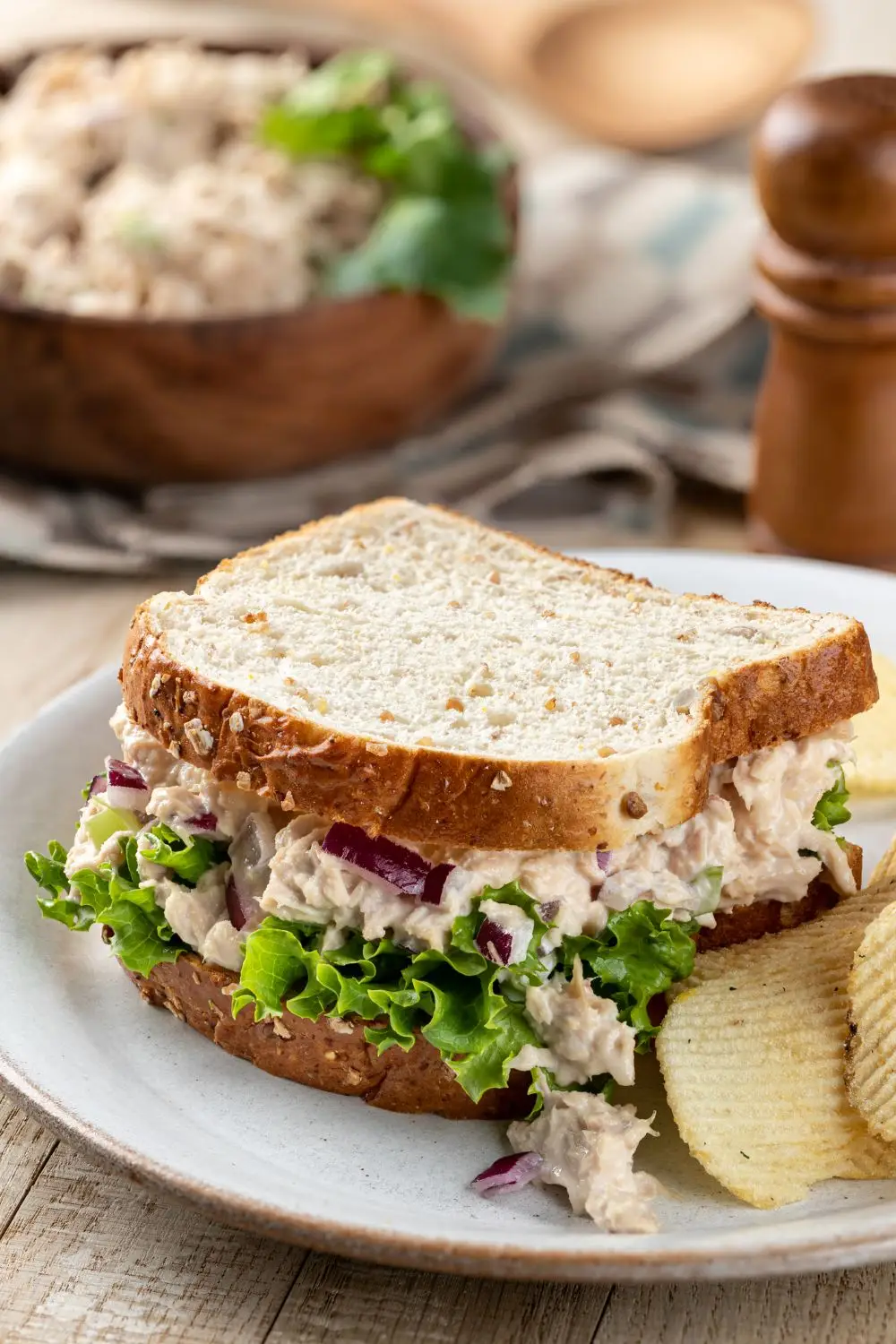
Rooted in the practical, pantry-friendly cooking of mid-century American home kitchens, this easy tuna salad sandwich spread uses simple ingredients, a quick stir, and no cooking at all. The base of flaked canned tuna, finely chopped celery, minced onion, a squeeze of fresh lemon juice, and creamy mayonnaise produces a classic tuna salad that works equally well with diced cooked chicken or chopped imitation crab, making it one of the most adaptable quick lunch recipes in the vintage home cook’s repertoire. Spread it on sandwich bread, pile it onto toast, or serve it over crisp lettuce leaves for a low-carb option that satisfies every time.
- Total Time: 10 Minutes
- Yield: 4 Servings 1x
Ingredients
- 2 - 5 ounce cans of tuna, or 2 cups cooked, diced chicken, or 16 ounces of imitation crab
- 1/2 cup finely chopped celery
- 1/4 cup finely chopped red onion
- 1 1/2 teaspoons lemon juice
- 1/4 cup mayonnaise, more or less
- Salt and black pepper to taste
Instructions
- Step 1: Gather and prep your ingredients
Before you open a can, finely chop the celery and onion. If you’re using cooked chicken, dice it into small, even cubes so it holds onto the mayo the same way tuna would. - Step 2: Drain and prep your protein
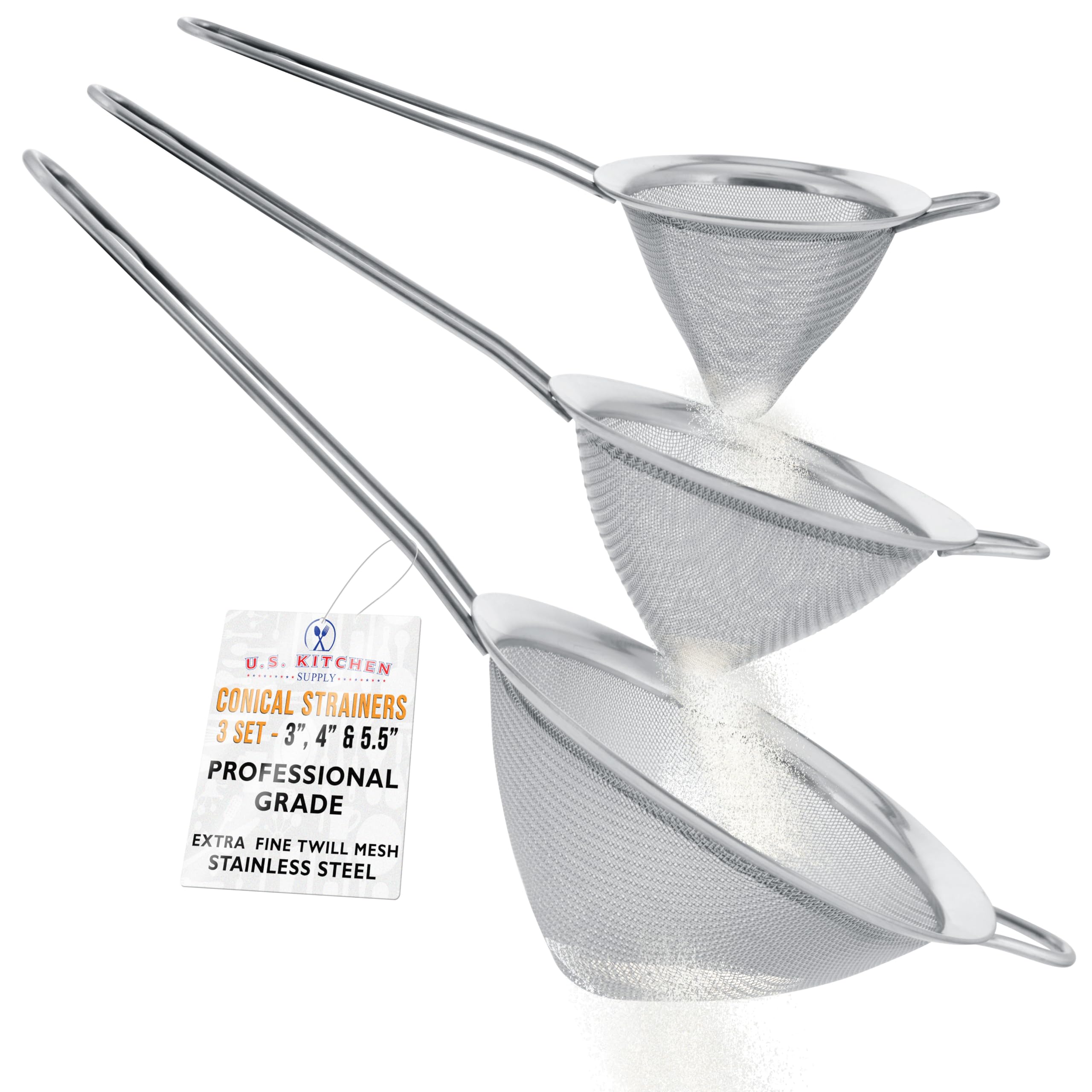
If you’re working with canned tuna, drain it thoroughly in a fine mesh strainer and flake it with a fork until no large chunks remain. For imitation crab, give it a rough chop into smaller pieces so the texture is consistent throughout the filling. If you’re using chicken, it should be cooled completely before you mix it in; warm protein will make your mayo go greasy and thin, and that’s the one thing standing between you and a great sandwich. - Step 3: Combine everything in a medium bowl
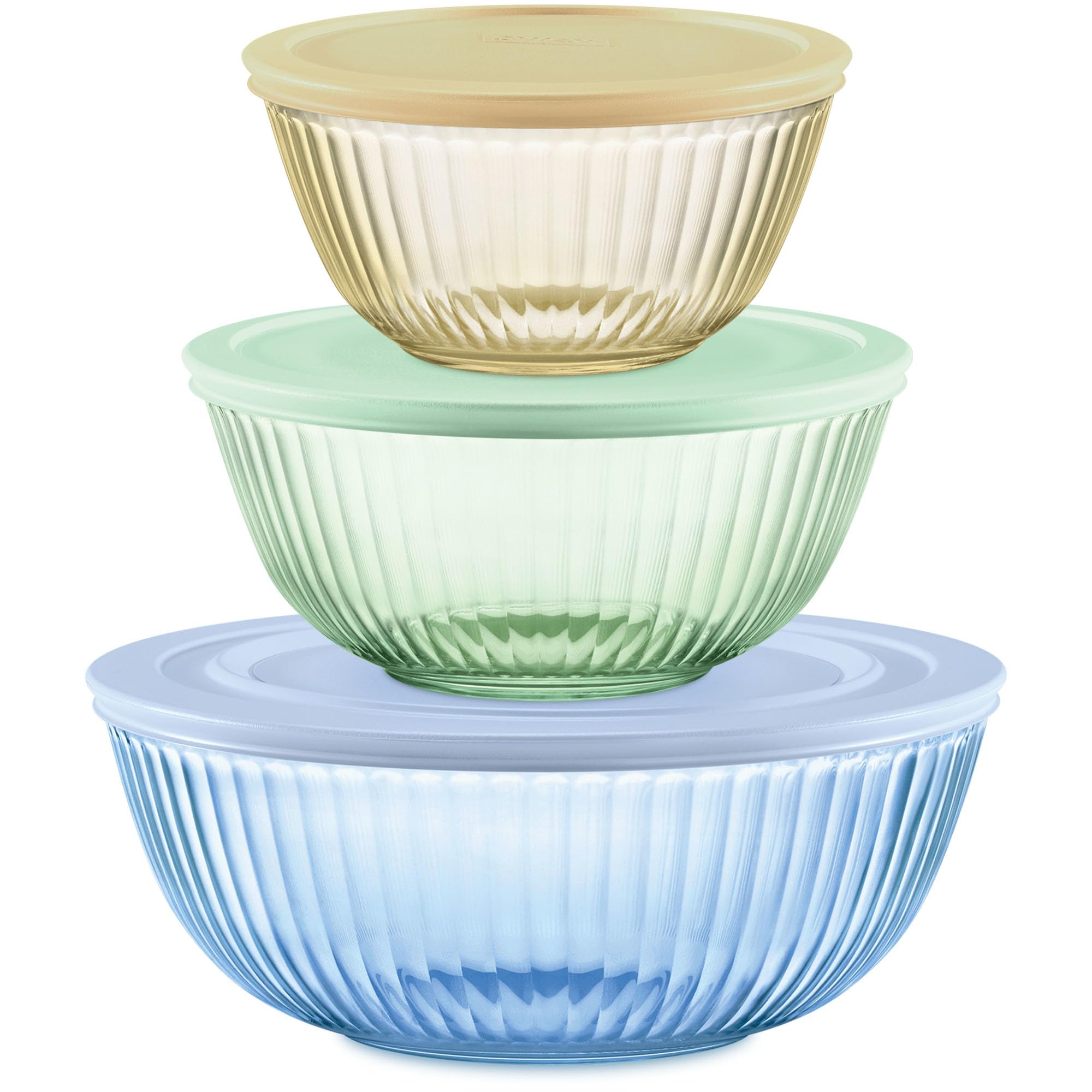
Add your chosen protein, finely chopped celery, finely chopped onion, and lemon juice to a medium bowl. Add the mayonnaise and season with salt and black pepper to taste. Give it a quick stir, folding gently rather than mashing, until everything is just combined. You’re looking for a creamy tuna mixture where the celery still has a little crunch and the filling holds its shape on a spoon without being stiff. - Step 4: Taste, adjust, and spread
Take a small taste before you spread it on bread. If it needs a brighter, sharper flavor, add another small squeeze of fresh lemon juice. If it feels a little flat, a pinch of salt usually fixes it. Spread onto your sandwich bread or toast, or pile onto crisp lettuce leaves for a low-carb option. It’s ready the moment it’s mixed; no chilling required, though it can go straight into an airtight container if you’re making a big batch.
- Prep Time: 10 Minutes
- Category: Lunch
- Method: Refrigerated
- Cuisine: American
Pin This Easy Tuna Salad Sandwich Recipe For Later
Why This Is the Best Easy Tuna Salad Sandwich Recipe
On a day when the air outside feels like a hair dryer, the best tuna salad sandwich recipe is the one that gets you in and out of the kitchen in under ten minutes with no burners touched and no oven preheated. Every ingredient in this filling earns its place for exactly that reason.
Finely Chopped Celery Gives You the Crunch Without the Drama
Celery is the textural backbone of a classic tuna salad, and cutting it finely rather than roughly is the difference between a creamy, cohesive filling and one that feels like it's fighting itself.
The celery adds savory flavor, a satisfying bit of crunch, and just enough freshness without making the filling watery. It also does the quiet work of making the filling taste like something, not just mayo with fish in it.
Onion Adds Depth Without Taking Over
Finely chopped red onion gives this filling the sharp, savory bite that makes a tuna fish salad taste complete rather than flat.
Yellow onion works perfectly well here, but if you prefer a milder result, swap in green onions for a gentler flavor but my favorite is red onion for a slightly bolder bite and a hint of color.
The key is chopping it fine enough that it seasons the whole filling rather than ambushing any single bite.
A Squeeze of Fresh Lemon Juice Is the Secret Ingredient
The lemon juice does more than add brightness; it lifts the mayo's richness and keeps the whole filling tasting fresh rather than heavy.
Bottled lemon juice will work in a pinch, but a real squeeze of fresh lemon juice makes a noticeable difference, especially on a hot day when you want the filling to taste clean and light. It's a small step that earns its place every single time.
Mayonnaise Holds Everything Together
The mayo here acts as both binder and flavor. Miracle Whip can be substituted if you enjoy a slight sweetness in your filling, though classic mayo keeps the flavor clean and traditional. Personal preference is the only rule that matters here.
The Protein Is Interchangeable, and That's the Point
Solid white albacore tuna brings the mildest, cleanest flavor of all the canned tuna options and is the best choice for a classic tuna sandwich. Water-packed tuna keeps the filling lighter, while oil-packed tuna adds a richer, more savory depth.
Diced cooked chicken turns this into an easy chicken salad, and chopped imitation crab adds a subtle sweetness that works beautifully on rye bread or in butter lettuce cups. All three versions use the same recipe; the protein is simply a matter of what's in the pantry and what sounds good at noon on a sweltering Friday.
Protein Choice | Flavor Profile | Prep Note |
|---|---|---|
Solid white albacore tuna | Mild, clean, slightly sweet | Drain thoroughly; flake with fork |
Chunk light tuna | Stronger, more savory | Best in oil-packed form |
Cooked chicken breast | Neutral, versatile | Must be fully cooled before mixing |
Imitation crab |
Subtly sweet, delicate |
Use less mayo; already moist |
How to Make a Perfect Easy Tuna Salad Sandwich Every Time
Drain Your Canned Tuna Completely
Wet tuna is the single most common reason a tuna salad sandwich turns watery and falls apart on the bread. Drain the can thoroughly and press the tuna firmly against a mesh strainer before adding it to your mixing bowl. It adds thirty seconds to the process and makes a real, visible difference in the texture of the finished tuna mixture.
Chop Everything Consistently
Uniform, fine chopping means every bite of your sandwich has the same balance of celery crunch, onion flavor, and creamy filling. Unevenly chopped vegetables create a filling that eats inconsistently, with some bites overpowering and others bland. It takes two extra minutes and it genuinely matters.
Don't Skip the Lemon Juice!
Skipping the lemon juice in favor of just salt and pepper leaves the filling tasting flat, especially with the richer flavor of oil-packed tuna or imitation crab. The acid balances the fat in the mayo and wakes up the whole bowl. Use it every time, and if it still tastes a little dull after mixing, a small extra squeeze is usually the fix.
Season After You Combine, Not Before
Add your salt and black pepper after you've combined everything, taste it, then adjust. Salting too early pulls moisture from the celery and onion and can thin out the filling before it even comes together.
Season last, taste carefully, and trust your palate. That final pinch of salt is often the difference between good and great.
Let It Rest If You Have the Time
While this filling is ready to eat immediately, giving it 15 to 20 minutes in an airtight container in the refrigerator deepens the flavor noticeably as the lemon juice and seasoning work into the other ingredients.
If you're making a big batch for easy lunches throughout the week, this short resting time is worth every minute. If you need it now because it's 95 degrees and patience is not available, it's still very good straight from the bowl!
Recipe Variations, Serving Ideas, & Storage
Recipe Variations: Same Recipe, 3 Directions
One of the best things about a simple tuna salad recipe is how easily it adapts without losing the character of the original.
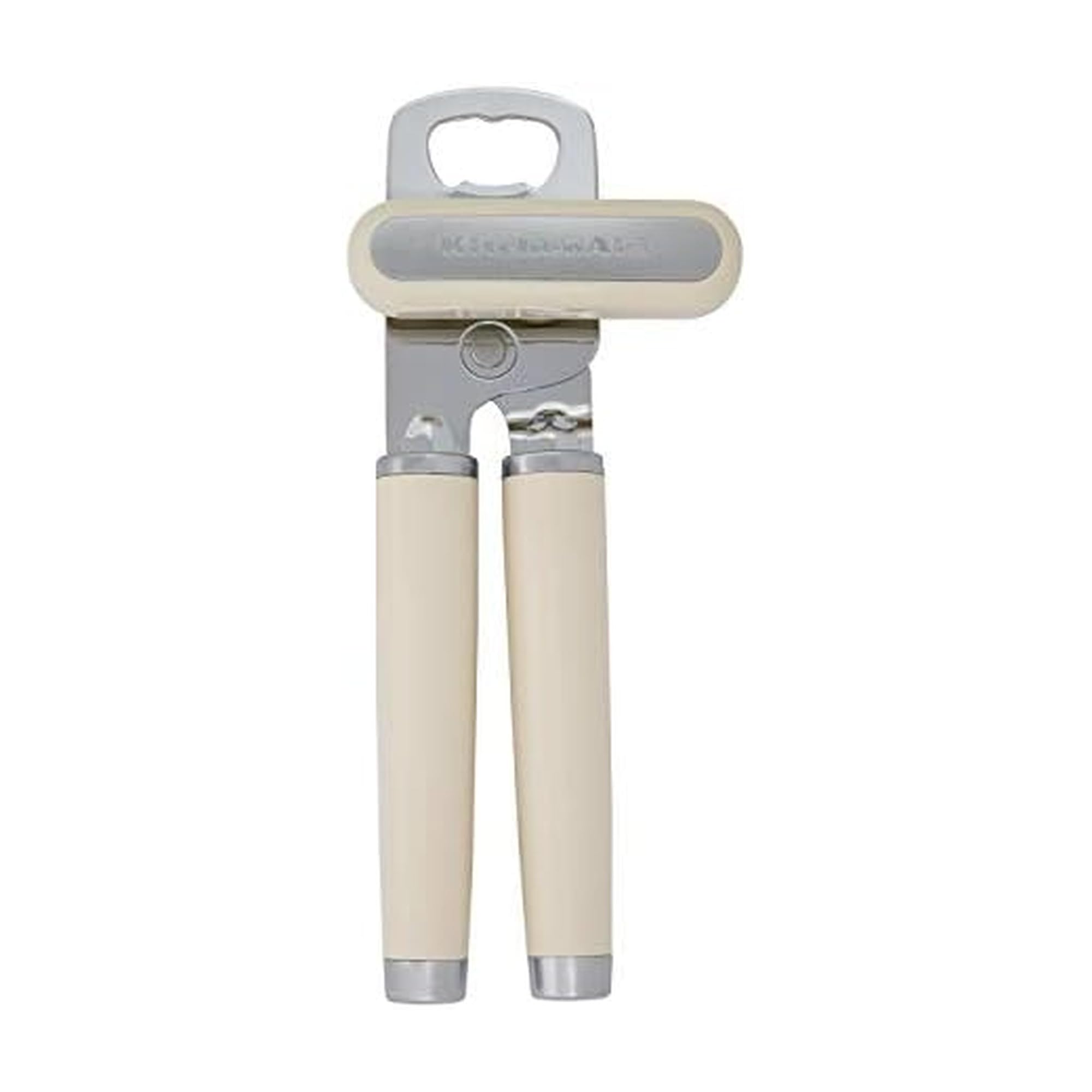
Tools & Ingredients Worth Having For This Recipe
Recipe Rewind is an Amazon Associate and earns from qualifying purchases made through our affiliate links. We only recommend kitchen tools and products that coordinate with our vintage recipes and traditional cooking methods. Your purchases help us keep culinary traditions alive.

Frequently Asked Questions
Solid white albacore tuna packed in water is the most popular choice for a classic tuna salad sandwich because it has a mild, clean flavor and a firm texture that flakes into satisfying chunks.
Oil-packed tuna produces a richer, more savory result if you prefer deeper flavor, while chunk light tuna is a budget-friendly alternative with a slightly stronger taste.
The kind of tuna you choose comes down to personal preference, and all three work well with the basic recipe.
Tuna salad can be made up to 24 hours ahead and stored in an airtight container in the refrigerator. The flavor actually improves slightly after a few hours as the lemon juice and seasoning work into the other ingredients. Give it a quick stir before serving and taste to see if a small pinch of salt or an extra squeeze of fresh lemon juice is needed to brighten it back up.
Miracle Whip can be swapped in for mayonnaise if you enjoy a slightly sweeter, tangier filling. The result will taste noticeably different from a version made with traditional mayo, but many home cooks grew up with Miracle Whip and genuinely prefer the slight sweetness it adds to a classic tuna salad. Use the same quantity and taste after mixing.
Tuna salad stored in an airtight container in the refrigerator stays fresh and safe to eat for up to three days. After that, the texture softens and the flavor fades noticeably. Don't leave it at room temperature for more than two hours, and on a hot summer day, err on the side of an hour.
Tuna salad doesn't freeze well. Mayonnaise separates when frozen and thawed, leaving a watery, broken filling that won't come back together. Make this in a batch sized for three days of refrigerator storage and skip the freezer entirely.
Crisp lettuce leaves, butter lettuce cups, or a bed of greens all work beautifully as low-carb alternatives to sandwich bread. The filling holds together well enough to scoop into lettuce wraps without falling apart, and the cool crunch of the lettuce complements the creamy filling naturally. It's a satisfying meal that skips the bread without skipping any of the flavor.
Hard-boiled eggs can be added and are a natural fit for this filling. Chop one or two hard-boiled eggs into small pieces and fold them in with the other ingredients. They add protein, a slightly creamier texture, and a more substantial filling that works especially well when you're making a big batch for easy lunches throughout the week.
Classic white sandwich bread is the traditional choice and keeps the focus entirely on the filling. Toasted bread of any kind adds crunch and holds up better against the moisture in the filling, which matters if you're packing it for later.
Rye bread pairs particularly well with the crab version, while a sturdy sourdough or whole wheat slice complements the chicken variation nicely.
Of course you can! A small amount of dijon mustard stirred into the filling adds a slightly sharper, more complex flavor that pairs especially well with the tuna and chicken versions.
A little garlic powder is another easy addition for a bolder taste without changing the basic character of the recipe.
Add either in small amounts, taste as you go, and stop when it tastes right to you; personal taste is the final ingredient in every batch.
The most common reason tuna salad turns watery is incomplete draining of the canned tuna. Drain the tuna thoroughly and press it firmly against the strainer before adding it to the bowl.
Salting too early can also pull moisture from the celery and onion, so season after combining all the ingredients rather than during the chopping stage.
Let's Talk Lunch
When it's too hot to think about turning on a burner, a cold, creamy tuna salad sandwich is the kind of satisfying meal that doesn't ask anything of you except ten minutes and a can opener. That's a trade worth making on any summer afternoon, and it's been a trade home cooks have been making since the 1950s for exactly that reason.
If you make it, leave a star rating below and tell me which version you went with: tuna, chicken, or crab. And if you added dill pickles or fresh dill, I want to hear about that too.


0 comments