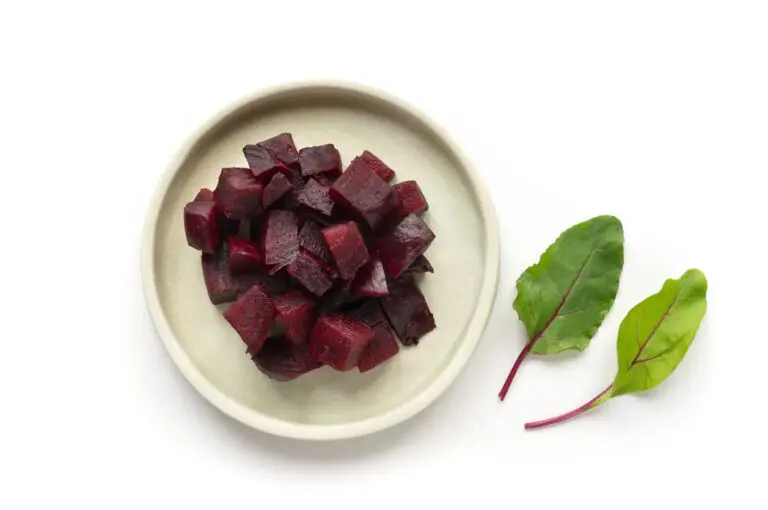
I know beets are nobody's favorite vegetable. Most people side-eye them at the salad bar and pretend they don't exist, but I'm the odd one who genuinely loves them, and this old-fashioned Harvard beets recipe is exactly why. The glossy sweet-and-sour sauce transforms those deep crimson roots into something people actually ask for seconds of, which is a minor miracle for a vegetable that tastes like dirt to most of the population. The technique is pure New England simplicity: a cornstarch-thickened sauce that clings to tender beets without any fussy reductions or complicated timing.
The beauty of this recipe is how it handles the biggest beet challenge: that intense earthiness that makes people wrinkle their noses. The vinegar cuts through it while sugar adds just enough sweetness to balance without turning it into dessert. Butter brings it all together with a richness that feels indulgent but takes zero skill to achieve.
Table of Contents
No headings found
Back in the New England Kitchen
Harvard beets emerged somewhere between the 1890s and 1910s in New England, right around the time Harvard University officially adopted its crimson color. Nobody knows for sure if the dish was named for the football jerseys or if it came from an English tavern called Harwood that got mispronounced by American diners. Either way, this was peak New England home cooking - practical, made from root cellar staples, and fancy enough for Sunday dinner without requiring skills beyond boiling and stirring.
This was the era before refrigeration was common, when root vegetables stored through winter and sweet-sour preparations helped preserve food while adding flavor. Beets were everywhere in New England gardens because they grew reliably and kept well. Making them taste good enough to serve guests? That required a recipe like this one. The technique appeared in Fannie Farmer's groundbreaking Boston Cooking School Cookbook around 1896, which standardized measurements for the first time and made cooking less of a guessing game.
This dish became a staple at church suppers, holiday tables, and the kind of dinner where you used the good china even though it was just family. It stuck around because it actually works—the sauce doesn't separate, the timing is forgiving, and beets have never looked or tasted better.
What Makes This Easy Harvard Beets Recipe Work
The Sweet-Sour Balance The ratio of sugar to vinegar in this recipe creates what food scientists call "flavor layering"; the sweetness hits first, followed by a vinegar tang that keeps it from feeling cloying. You're using just enough sugar (2 tablespoons for 1½ cups of beets) to soften the earthiness without masking it. The cider vinegar is gentler than white vinegar, with subtle apple notes that complement the beets' natural sweetness.
The Cornstarch Technique Cornstarch does something butter or flour can't: it creates a translucent, glossy sauce that coats every piece of beet without making it look muddy or pasty. The key is mixing the cornstarch with the sugar before adding liquid, which prevents those awful lumps that never dissolve. When you bring it to a boil while stirring constantly, the starch granules swell and thicken the sauce just enough to cling without feeling gloppy.
Room Temperature Beet Liquid Using the liquid from cooking your beets adds a concentrated beet flavor that water can't match. The liquid carries compounds from the beets themselves, which creates a more cohesive flavor throughout the dish. If your beets didn't release much liquid, add water to reach ¾ cup - don't skip the liquid entirely or your sauce will be too intense. The liquid also helps the cornstarch distribute evenly before it hits the heat.
Butter at the End Adding butter after the sauce thickens creates a velvety richness that rounds out the sharp edges of the vinegar. Butter contains milk solids and fat that add complexity beyond just richness. There's a subtle creaminess that makes the sauce feel more substantial. Margarine works too (this was a mid-century recipe, after all), but butter adds a depth that makes the dish feel special rather than just serviceable.
This easy, sweet and tangy Harvard beets recipe features tender cooked beets in a glossy sweet-and-sour sauce made with vinegar, sugar, and butter. This vintage New England side dish transforms humble beets into an elegant accompaniment for roasted meats and holiday dinners.
Total Time:25-30 Minutes
Yield:4-6 Servings 1x
Ingredients
UnitsScale
1 1/2cups cooked beets, drained, skinned, and diced (reserve 3/4 cup liquid from the beets; add water if needed to make 3/4 cup)
2 tablespoons sugar
1 tablespoon cornstarch
1/2 teaspoon salt
A few grains black pepper
3 tablespoons cider vinegar
2 tablespoons butter or margarine
Instructions
Set beets aside in a bowl
In a medium saucepan, mix together sugar, cornstarch, salt, and pepper until well combined
Stir in the reserved beet liquid and vinegar
Bring mixture to a boil over medium heat, stirring constantly to prevent lumps
Add diced beets and butter or margarine to the saucepan
Return to a boil, then reduce heat and simmer gently for 8-10 minutes, stirring occasionally
The sauce should be glossy and thick enough to coat the beets
Start With Cooked Beets You'll save yourself significant time by using pre-cooked beets, whether canned, store-bought roasted, or beets you've cooked yourself. If you're cooking fresh beets, roast them whole at 400°F wrapped in foil for 45-60 minutes until tender, then let them cool enough to slip the skins off. Boiling works too, but roasting concentrates the flavor better. Don't try to make this recipe with raw beets - they won't cook through in the 10 minutes of simmering time and you'll end up with crunchy, unpleasant vegetables in beautiful sauce.
Mix Your Dry Ingredients First Combine the sugar, cornstarch, salt, and pepper in your saucepan before adding any liquid. This prevents the cornstarch from clumping when it hits the beet juice and vinegar. Use a whisk or fork to break up any lumps in the cornstarch before proceeding. Think of this as insurance against grainy sauce - the extra 30 seconds of stirring dry ingredients save you from trying to smash lumps against the side of the pan later while everything's boiling.
Stir Constantly While Bringing to a Boil Once you add the liquid and vinegar, keep the spoon moving. Cornstarch needs constant agitation as it heats up or it will form pockets of thick paste that never incorporate smoothly. The mixture will look thin and unpromising at first, then suddenly thicken as it reaches a boil. You'll feel the resistance in your spoon when the starches activate; that's your signal to add the beets and butter. This usually takes 3-5 minutes over medium heat, but watch the pot instead of the clock.
Don't Overcook the Final Simmer After adding the beets and butter, you only need 8-10 minutes of gentle simmering to let the flavors meld. The beets are already cooked, so you're just warming them through and letting them absorb some of that glossy sauce. Overcooking will make the sauce too thick and syrupy, plus the beets can start to break down and turn mushy. You want tender diced beets in a sauce, not beet jam. Keep the heat low enough that you see gentle bubbles around the edges, not a rolling boil.
Let the Sauce Cling The sauce is ready when it coats the back of a spoon and the beets look glossy instead of wet. If your sauce seems too thin, simmer another 2-3 minutes. If it's too thick (this happens if you cooked it too long or too hard), add a tablespoon of water or reserved beet liquid and stir to loosen it. The sauce will continue to thicken slightly as it cools, so err on the side of slightly loose rather than paste-thick.
Serve Warm or Chilled Harvard beets are one of those rare side dishes that work at any temperature. Serve them warm straight from the stove for maximum butter richness, or chill them for a make-ahead side that holds up beautifully in the fridge for 3-4 days. The cold version has a different appeal: less buttery, more tangy, with a firmer texture that some people prefer. Try both and see which camp you're in.
Recipe Variations, Serving Ideas, & Storage
Recipe Variations
Serving Ideas
Make Ahead & Storage
Recipe Variations
Spiced Harvard Beets: Add ¼ teaspoon ground cloves, a pinch of cinnamon, or a few gratings of fresh nutmeg to the dry ingredients for a warm spice note. This works especially well for holiday tables.
Extra Tangy: Swap half the cider vinegar for white vinegar if you want a sharper, more assertive tang. Some vintage recipes used all white vinegar, which creates a cleaner, brighter flavor.
Honey Harvard Beets: Replace the granulated sugar with honey for a more complex sweetness with floral notes. You might want to reduce it to 1½ tablespoons since honey is sweeter than sugar.
Golden Beets Version: Use golden beets instead of red for a milder, less earthy flavor and a gorgeous amber color. The sauce won't be crimson, but it's still striking.
Onion Addition: Sauté ¼ cup finely diced onion in the butter before starting the recipe, then proceed as written. The onion adds savory depth that balances the sweet-sour profile.
Serving Ideas
Harvard beets were traditionally served alongside roasted meats - think pot roast, pork loin, roast chicken, or holiday turkey. The sweet-sour profile cuts through rich, fatty proteins beautifully. They're also excellent with simpler preparations like grilled pork chops or a basic beef tenderloin where you want the sides to add complexity.
Serve these at Thanksgiving or Christmas as a colorful alternative to cranberry sauce; they perform the same flavor function (tart, sweet, bright) but feel more substantial. They work at summer potlucks too, especially when chilled, as part of a spread with cold fried chicken and potato salad.
For a full vintage dinner, pair Harvard beets with mashed potatoes, green beans almondine, and Parker House rolls. Or go full New England and serve them with boiled dinner leftovers: corned beef, cabbage, and potatoes.
Make Ahead & Storage Instructions
Make-Ahead: You can make Harvard beets up to 3 days ahead and reheat before serving. They actually taste better the next day after the flavors have time to blend. Reheat gently on the stovetop over medium-low heat, stirring occasionally.
Refrigerator: Store cooled Harvard beets in an airtight container in the refrigerator for up to 5 days. The sauce may thicken when cold—this is normal. You can eat them cold or reheat gently in a saucepan over low heat, adding a splash of water if needed to loosen the sauce.
Freezing: These freeze reasonably well for up to 3 months, though the texture of the beets will soften slightly after thawing. Freeze in a freezer-safe container with a tight lid. Thaw overnight in the refrigerator before reheating.
Reheating: Add a tablespoon or two of water when reheating to prevent the sauce from becoming too thick. Warm over medium-low heat until heated through, about 5 minutes.
Frequently Asked Questions
Can I use canned beets for Harvard beets?
Yes! Canned beets are actually the quickest option and work perfectly in this recipe. Drain them, reserve the liquid, and proceed with the recipe. The flavor will be slightly different from fresh roasted beets, but still delicious.
Why are they called Harvard beets?
The name likely comes from either the deep crimson color matching Harvard University's official color (adopted around 1910), or from an English tavern called "Harwood" that got mispronounced in America. The true origin is lost to history, but both stories are possible.
Can I substitute white vinegar for cider vinegar?
Yes, white vinegar creates a sharper Harvard beet flavor. Cider vinegar is slightly mellower with subtle apple notes. Use whichever you prefer or have on hand.
What's the difference between Harvard beets and pickled beets?
Pickled beets sit in vinegar brine for days or weeks, while Harvard beets are cooked fresh in a sweet-sour sauce and served immediately. Harvard beets have a sauce that coats them; pickled beets have liquid you typically drain off. The flavor is brighter and less vinegar-forward in Harvard beets.
Do Harvard beets need to be served hot?
No, they're delicious warm, room temperature, or chilled. The warm version emphasizes the butter richness, while the cold version tastes tangier and more refreshing. Both are traditional.
Can I make Harvard beets ahead for Thanksgiving?
Yes, Harvard beets are an excellent make-ahead dish. Prepare them up to 3 days early, store in the refrigerator, and reheat gently before serving. They're one less thing to worry about on the big day.
Why is my Harvard beet sauce lumpy?
The cornstarch wasn't mixed thoroughly with the dry ingredients before adding liquid, or the mixture wasn't stirred constantly while heating. To fix lumpy sauce, strain it through a fine-mesh sieve, return to the pan, and bring back to a simmer.
How do I keep beets from staining everything?
Wear gloves when handling cooked beets, and rinse your cutting board immediately after dicing them. Stains on hands fade within a day. For cutting boards, scrub with a paste of baking soda and water. Beet stains on clothes should be treated with cold water and stain remover as soon as possible.
What should I serve with Harvard beets?
Harvard beets pair beautifully with roasted meats like pot roast, pork loin, roast chicken, or turkey. They work well at holiday dinners alongside mashed potatoes and green beans, or at summer potlucks served cold with grilled meats.
Pin This Easy Sweet and Tangy Harvard Beets Recipe For Later
If you grew up thinking beets were something only grown-ups ate to prove a point, this recipe might change your mind. Or at minimum, it'll help you understand why your grandmother kept making them year after year. They're striking on the plate, easy enough to make while juggling six other dishes, and they taste like someone put actual thought into the vegetable side of dinner. That's rarer than it should be.
Did Harvard beets show up at your family table? Were you team "love them" or team "avoid at all costs"? If you make this old-fashioned Harvard beets recipe, please leave a rating and review!
Melissa is the creator of Recipe Rewind, where she preserves culinary history one vintage recipe at a time. With Wisconsin roots and a passion for desserts, she specializes in reviving original recipes like the 1908 Hydrox cookie - honoring the authentic versions before they're overshadowed by modern imitations. Self-taught from age seven with a Bisquick box and her Mamaw's handwritten recipe cards, her culinary passion has grown through international travel and raising four children. Today, she cooks in a truly multi-generational kitchen spanning five generations - from the Silent Generation to Gen Z - where timeless recipes bridge the decades. Melissa adapts vintage recipes for modern home cooks and bakers, believing food connects us all across generations, cultures, and time.



0 comments