
Agua fresca recipes were already a staple on food truck menus and street vendor carts across Texas long before anyone thought to put them on a restaurant beverage menu, and the concept has always been the same: whole fruits, cold water, a little sugar, and a fine-mesh sieve. Three flavors, one technique, and a pitcher that will disappear faster than anything else on your Cinco de Mayo table.
Mango, watermelon, and lime cucumber. Three different fruits, three completely different flavor personalities, and one method that works for all of them.
Aguas frescas have been a common sight at food trucks and open-air markets across Mexico, Central America, and Latin America for generations. In the early 2000s, as the Tex-Mex food scene was expanding, baja fish tacos and street-style drinks like aguas frescas were having a mainstream moment. Now, a home cook with a blender and good instincts could produce something genuinely beautiful and delicious.
You still can! The natural ingredients are simple, the total time is under 20 minutes, and the result looks like a restaurant put serious thought into its beverage menu.
Back in the Early 2000s Kitchen
By the early 2000s, Austin's food truck scene was beginning the slow, steady expansion that would eventually make it one of the most talked-about culinary cities in the country. Beyoncé's "Crazy in Love" was on every radio station, Finding Nemo was packing theaters, and the city's open-air markets and taco stands were quietly introducing a lot of people to flavors they had never encountered outside of a restaurant.
Aguas frescas had been part of that landscape long before the broader food world paid attention. Mexican and Central American communities had been pouring these drinks from large jugs at markets and street vendor stalls across Texas for years, and the early 2000s were the moment fresh mango started showing up reliably at mainstream grocery stores across the United States. Ataulfo mangoes, previously a regional specialty in Latin America, became a grocery store staple around this time, and home cooks suddenly had access to the ripe fruit that made agua fresca worth making.
The lime cucumber version was the quiet underdog of the group. Cucumber as a beverage ingredient felt slightly unusual to anyone who had not grown up with it, but one cold glass on a warm Texas afternoon has a way of converting skeptics immediately. Have you ever had agua de pepino at a taco stand and then spent the rest of the meal trying to figure out how to recreate it at home? You now have everything you need.
What Makes These Agua Fresca Recipes Work
Ripe Fruit First, Everything Else Second
Aguas frescas put fresh fruit at the center of every sip, which means the ripeness of your ingredients determines whether the drink is merely good or genuinely great.
A mango that yields slightly when pressed near the stem and smells tropical and sweet will give you a natural flavor profile so vivid it needs almost no added sugar.
A watermelon that sounds hollow when tapped and has a creamy yellow spot on the underside is ready to go. Ripe fruit does the work so you do not have to.
Sugar as Support, Not the Star
The recipes call for sugar to taste, so this is all up to you. The goal is a small amount of added sugar that lifts the flavor of the fruit without pushing the drink into heavy fruit juice territory.
Cane sugar dissolves well in the blender before straining, which is the right moment to add it. Agave syrup is an equally effective swap and integrates into cold liquid even more seamlessly than granulated sugar if you prefer a less refined option.
The Fine-Mesh Sieve Does More Than You Think
Straining is what makes agua fresca agua fresca. The fine-mesh sieve removes fibrous pulp and seeds, leaving behind a smooth, lightly translucent drink that is lighter in body than a fruit smoothie and more flavorful than plain water.
In terms of texture, it sits in a category entirely its own. Pressing the strained pulp gently with the back of a spoon before discarding it extracts every last drop of flavor from the fruit.
Mexican Limes Make a Difference
The lime cucumber version calls specifically for Mexican limes, which are smaller, thinner-skinned, and more intensely aromatic than the Persian limes most grocery stores carry as standard.
The juice is more fragrant, slightly more tart, and the natural flavor profile of the finished drink is noticeably brighter. If Mexican limes are not available at your grocery store, Persian limes work fine; just add a small squeeze extra to compensate for the milder flavor.
Cold Water from the Start
Starting with cold water straight from the refrigerator keeps the drink at serving temperature longer and preserves the bright, fresh flavor of each fruit. Room-temperature water that is then chilled after the fact produces a noticeably flatter result. It is a small detail that makes a real difference, especially in the lime cucumber version where cool, clean flavor is the entire point.
Equipment You Will Need
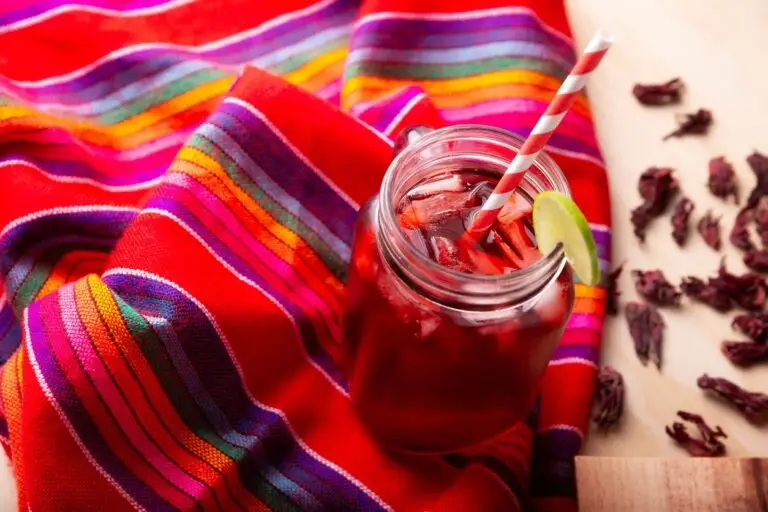
Easy Agua Fresca Recipes
These three agua fresca recipes use the traditional Mexican method of blending whole fruits with cold water and a small amount of cane sugar, then straining the mixture through a fine-mesh sieve for a light, translucent finish. The collection includes fresh mango agua fresca, watermelon agua fresca with lime juice, and a lime cucumber agua fresca made with Mexican limes and peeled cucumber. Each recipe follows the same straightforward technique used by street vendors across Mexico and Latin America for generations: combine fruit with water, blend, strain, sweeten to taste, and serve over crushed ice for one of the most refreshing drinks you can make at home.
- Total Time: 15 Minutes
- Yield: 1 Gallon 1x
Ingredients
- 4 large ripe mangoes, peeled and chopped
- 1 gallon cold water, divided
- 1/2 cup sugar, or to taste
- 2 cups cubed, seeded watermelon
- 1 quart cold water
- 1/4 cup sugar, or to taste
- Juice of one lime
- 3 cucumbers, peeled
- 10 Mexican limes, juiced
- 1 gallon cold water, divided
- Sugar to taste
Instructions
- Blend base mixture: Add your fruit (or cucumber and lime juice) to a blender along with 1 to 2 cups of cold water and your sugar.
For the mango: use the chopped flesh of ripe mangoes.
For watermelon: add all the water at once since it blends so easily.
For lime cucumber: combine the peeled cucumbers, lime juice, and 1 cup of water. - Blend until smooth: Blend on high until completely smooth, about 30 to 45 seconds.
- Strain mixture: Pour the blended mixture through a fine-mesh sieve set over a large pitcher, pressing gently with the back of a spoon to extract all the liquid. Discard the solids.
- Add remaining water: Add the remaining cold water to the pitcher and stir well.
- Adjust sweetness: Taste and adjust sugar as needed. Ripe fruit in season needs very little; fruit that is slightly underripe may need a bit more.
- Chill and serve: Chill for at least 30 minutes, or serve immediately over crushed ice in tall glasses.
Notes
Yields:
- Mango Agua Fresca: 1 gallon (approximately 16 cups / 16 servings)
- Watermelon Agua Fresca: approximately 4 servings
- Lime Cucumber Agua Fresca: 1 gallon (approximately 16 cups / 16 servings)
- Straining tip: The fine-mesh sieve step is what separates agua fresca from a blended fruit smoothie in terms of texture. Skip it if you enjoy the presence of fruit pulp, but for the classic clean, translucent result, straining makes the difference.
- Scaling: All three recipes scale easily. The mango and lime cucumber versions already make a full gallon, ideal for large gatherings. Double or triple the watermelon version for a crowd.
- Prep Time: 15 Minutes
- Category: Beverage
- Method: Refrigerated
- Cuisine: Mexican
Tips for Making Perfect Aguas Frescas at Home
Buy Fruit at Peak Season
Mango season in the United States runs roughly from April through August, which makes Cinco de Mayo an ideal moment to make mango agua fresca with fruit that is actually at its best. Watermelon peaks from June through August but is decent and available by May. Cucumbers are reliably good year-round at most grocery stores. In-season ripe fruit is the single biggest upgrade you can make to any agua fresca recipe, and it costs you nothing extra.
Blend in Batches If Needed
The mango and lime cucumber versions make a full gallon, which means you will likely need to blend in two or three rounds depending on your blender's capacity. Blend each batch, strain it into the pitcher, and combine everything before tasting for sweetness. Taste the full combined pitcher at the end rather than adjusting one round and assuming the whole batch is correct.
Taste Before You Strain, Not After
Add your sugar before blending, taste the mixture in the blender, and make final adjustments before straining. Adding granulated sugar to a cold, already-strained pitcher means stirring it into cold liquid, which does not dissolve cleanly. Uneven pockets of sweetness in an otherwise well-balanced drink are entirely avoidable if you correct the flavor at the blender stage.
Scale the Watermelon Version for a Crowd
The watermelon agua fresca makes four servings as written, the smallest batch of the three. For a Cinco de Mayo gathering, triple or quadruple it. Watermelon blends faster than mango, strains more easily, and produces a lightly pink, beautifully clear drink that looks stunning in a large pitcher alongside the deeper gold of the mango version.
Give It Time to Chill
Even 30 minutes in the refrigerator makes a noticeable improvement. The sugar fully dissolves, the flavors integrate, and the drink gets cold enough to stay frosty over crushed ice without diluting too quickly. Make all three batches the morning of your party, refrigerate them in separate pitchers, and you will have zero last-minute scramble when guests arrive.
Recipe Variations, Serving Ideas, & Storage
Recipe Variations
Frequently Asked Questions
Agua fresca is a traditional Mexican beverage made by blending whole fruits or flowers with fresh water and a small amount of sweetener, then straining the mixture for a light, refreshing result.
Unlike commercial fruit juice, which is concentrated and extracted under pressure, agua fresca is a blend of water and ripe fruit in roughly equal proportion, making it lighter in body, lower in added sugar, and closer in feel to fruit water than a thick juice. The result is one of the most refreshing drinks you can make at home, especially when the fruit is at peak ripeness.
Making agua fresca without a blender is harder, but possible with very soft, ripe fruit.
Ripe mango can be mashed and pressed through a fine-mesh sieve with cold water for a rougher but still flavorful result. Watermelon requires almost no effort since the flesh is so yielding.
The lime cucumber version genuinely needs a blender because cucumber does not break down enough through mashing to yield a properly flavored liquid.
For the cleanest, most consistent result across all three recipes, a blender is the right tool.
The amount of added sugar in mango agua fresca depends almost entirely on how ripe your fruit is. Ripe mangoes in peak season often need as little as a few tablespoons per gallon because the natural fruit sugar carries the drink.
Summer watermelon is sweet enough that you may want less than the recipe suggests. The lime cucumber version typically needs a bit more sugar to balance the tartness of the lime juice.
Taste the blended mixture before straining and adjust there; that is the right moment to correct the sweetness before it is locked in.
Mexican limes, also called Key limes, are smaller, rounder, and more intensely aromatic than the Persian limes found in most grocery store produce sections. Their juice is slightly more tart and more fragrant, which makes a real difference in the lime cucumber agua fresca where lime is a primary flavor.
Persian limes are a workable substitute; add a little extra juice to compensate for the milder flavor. If your grocery store carries Mexican limes, use them for the brightest, most authentic natural flavor profile in the finished drink.
Homemade agua fresca made with fresh fruit, cold water, and a modest amount of sugar is a healthier option than most commercial sodas because it contains no artificial colors, no preservatives, and significantly less added sugar than a standard soft drink.
The sugar content is entirely in your control and can be reduced considerably when the fruit is ripe and in season.
Compared to bottled fruit juice, agua fresca typically contains less sugar because of the higher ratio of water to fruit. It is a genuinely flavorful non-alcoholic drink that does not compromise on taste to be the lighter choice on a beverage menu.
Straining agua fresca through a fine-mesh sieve removes the fibrous pulp and seeds, producing the smooth, lightly translucent drink that is characteristic of the traditional preparation.
In terms of texture, agua fresca sits between plain water and a thick smoothie: light enough to be truly thirst-quenching on a warm day but flavorful enough to feel like an intentional refreshing summer beverage.
Leaving the pulp in produces something closer to a fruit smoothie, which is thicker, more filling, and a different drink entirely.
Frozen fruit works well as a substitute for fresh fruit in agua fresca recipes, particularly when ripe, in-season produce is unavailable. Thaw the fruit completely before blending and drain any excess liquid to avoid diluting the flavor beyond the cold water you are already adding.
Frozen mango is a reliable option because it is typically frozen at peak ripeness and produces a bright, flavorful result year-round. Frozen watermelon works but tends to release more water after thawing, so taste carefully before adding the full measured amount of water and adjust as needed.
The three agua fresca recipes each have a distinct flavor personality worth knowing before you decide which to make first.
The mango version is the richest and most tropical, with a deep golden color and a natural sweetness that needs minimal added sugar when the mangoes are fully ripe.
The watermelon version is the lightest and most delicate, pale pink with a clean sweetness lifted by lime juice that keeps it from tasting flat.
The lime cucumber version is the most savory-leaning of the three, cooling and herbaceous with a tartness from the Mexican limes that makes it unexpectedly addictive.
Making all three at once gives your Cinco de Mayo table a full range of flavors and a visual spread that needs no extra decoration.
For serving agua fresca at a large gathering, the mango and lime cucumber recipes each make a full gallon, covering approximately 16 servings.
The watermelon version makes four servings as written, so triple or quadruple it to match.
Serve all three in separate large pitchers or a drink dispenser over crushed ice, with tall glasses, lime wedges, fresh mint, and optional chili-lime salt for rimming nearby. Setting all three out together lets guests choose their favorite fruit and creates an impressive beverage spread with almost no additional effort on your part.
Pin These Easy Agua Fresca Recipes For Later
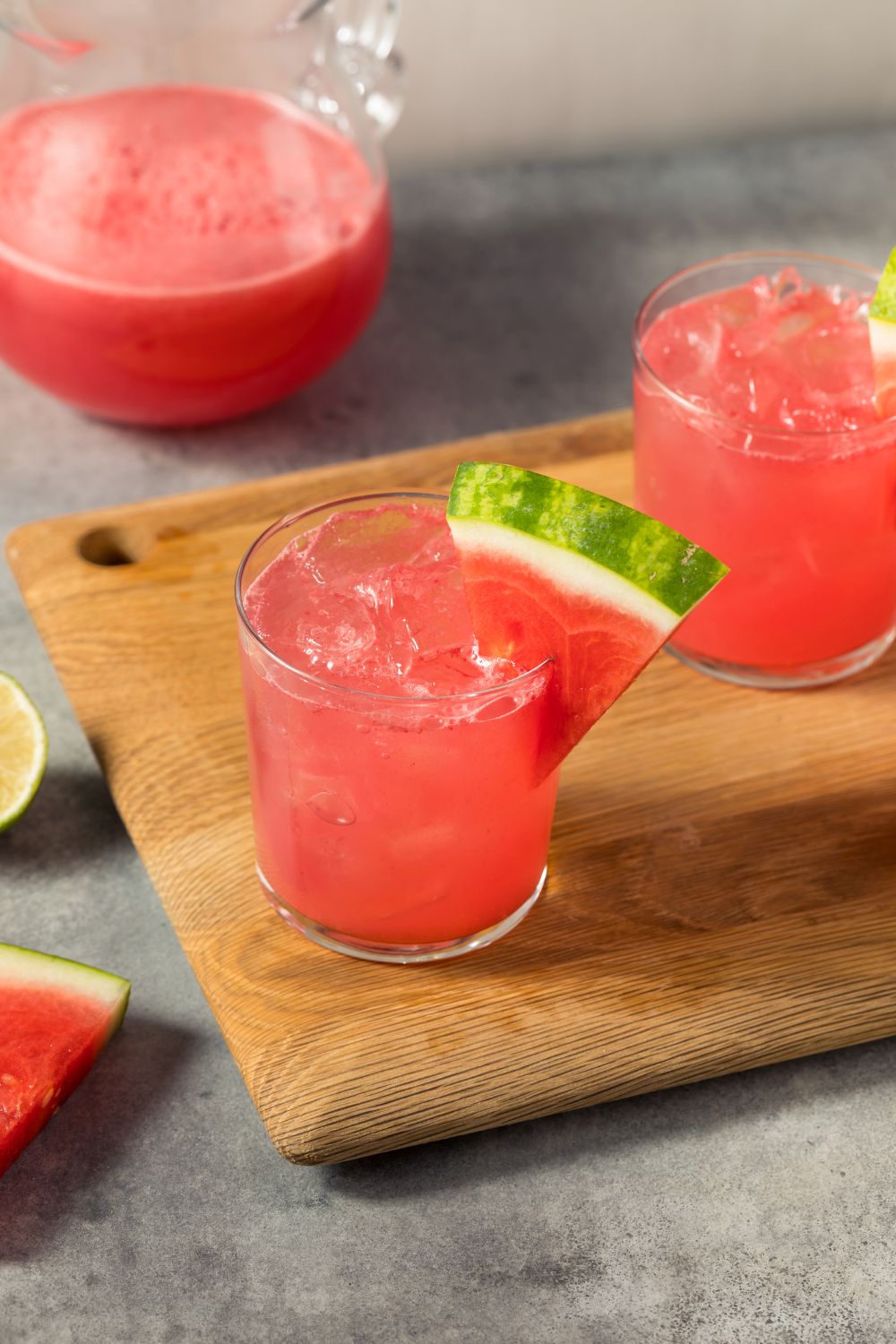
Pour One for Everyone at the Table
Three fresh ingredients per recipe, one simple method, and a result that genuinely earns its place as one of the most refreshing drinks you can bring to a Cinco de Mayo gathering. Agua fresca recipes have held their ground on beverage menus and party tables across the United States because they do something no bottled drink can replicate: they taste exactly like the fresh fruit you made them from, cold and bright and completely satisfying.
Set all three pitchers out and see which flavor disappears first. My guess is the mango, but the lime cucumber has a way of surprising people.
If you make these agua fresca recipes, please leave a rating and a review below. And tell me: which flavor are you making first, and are you brave enough to try all three at once?


0 comments