

This easy lasagna casserole recipe takes all the comfort of traditional lasagna and transforms it into a weeknight-friendly dish you can have on the table in about an hour. The 1958 technique skips the precise layering and fussy assembly that can intimidate home cooks, using a simpler casserole approach that still delivers rich, cheesy, satisfying flavor in every bite.
Are you looking for a layered lasagna? I have a wonderful vintage 1967 baked lasagna recipe, too! Just click on the link.
I've made this vintage recipe dozens of times over the years, and it consistently saves dinner on those nights when everyone needs real food but nobody (including me) has the energy for complicated cooking. The genius lies in how forgiving it is. Cottage cheese or ricotta, regular noodles or Mafalda, jarred sauce or homemade. It all works.
Back in the Late 1950s Kitchen
In 1958, Elvis was dominating the radio, families gathered around new color television sets to watch I Love Lucy reruns, and the kitchen had become the undisputed heart of the American home. Casseroles reigned supreme because they solved the practical challenge of feeding growing families on modest budgets without requiring elaborate techniques or expensive ingredients.
Packaged spaghetti sauce mixes had just hit grocery store shelves alongside frozen vegetables and canned goods, giving home cooks convenient shortcuts that previous generations never had. This lasagna casserole embodies that era's genius for combining Italian-American flavors with practical American efficiency, creating something that tasted special without demanding culinary school training.
Why This Is the Best Easy Lasagna Casserole
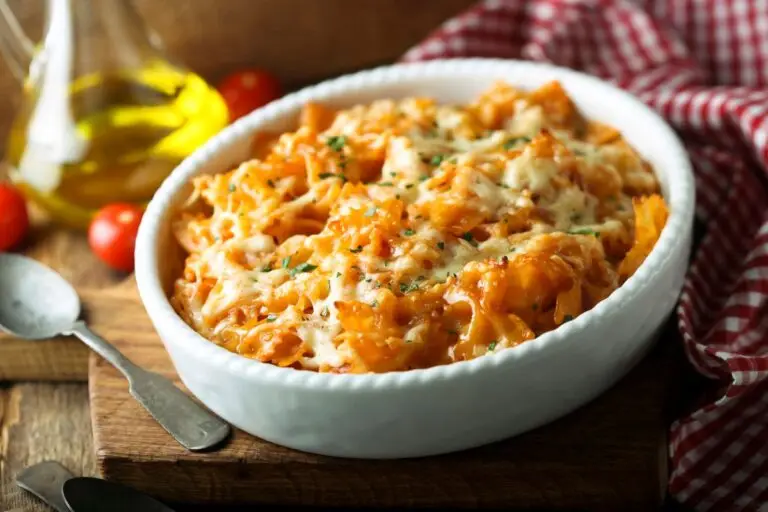
Vintage 1958 Lasagna Casserole
A delightful twist on a timeless classic, this 1958 Lasagna Casserole brings all the cheesy, savory flavors of traditional lasagna to your dinner table without the fuss. Imagine a hearty, delicious meat sauce, rich with savory ground beef and Italian seasonings, bubbling away with tender mini lasagna noodles. This easy recipe features a creamy blend of ricotta and mozzarella cheeses, creating the perfect comfort food for busy weeknights. Get ready to serve up a taste of nostalgia that will have everyone asking for seconds.
- Total Time: 0 hours
- Yield: 6-8 1x
Ingredients
- 2 teaspoons seasoned salt
- 1 lb. ground chuck, ground Italian sausage, or ground turkey
- 2 cloves garlic, crushed
- 1/2 teaspoon pepper
- 28 ounce can of diced stewed tomatoes
- 1 8-ounce can of tomato sauce
- 1 package spaghetti sauce mix or 32 ounces of marinara sauce will replace the tomato sauce and spaghetti sauce packet
- 12 ounces Mafalda or Lasagnette pasta
- 3 cups shredded mozzarella cheese
- 1 cup ricotta cheese
- 1/2 cup grated parmesan cheese
- Dried parsley for garnish
Instructions
- Preheat oven to 350°.
- Brown ground meat in a heavy-bottom pot over medium heat. Add 2 teaspoons of seasoned salt, 2 cloves of garlic, and ½ teaspoon of pepper. Simmer uncovered for about 10 minutes.
- Add one 28-ounce can of diced tomatoes, an 8-ounce can of tomato sauce, and one package of spaghetti sauce mix. Alternate: Add one 32-ounce jar of marinara sauce.
- Bring the meat sauce to a bubble, then turn the heat to low and simmer for 30 minutes; remove from heat.
- Stir 1 cup of ricotta cheese into the meat sauce; mix well.
- In a 9×13″ baking pan, add a layer of meat sauce, then a layer of pasta, then a layer of Mozzarella cheese. Repeat layers, ending with the meat sauce. Top with Parmesan cheese.
- Cover with foil and bake for about 20 minutes.
- Let it sit for about 10 minutes before serving. Garnish with a sprinkle of dried parsley.
Notes
Full-fat large curd cottage cheese can be substituted for ricotta.
- Prep Time: 40 minutes
- Cook Time: 20 mintues
- Category: Casseroles
- Method: Baked
- Cuisine: American
Recipe Variations, Serving Ideas, & Storage
Recipe Variations
Frequently Asked Questions
Cottage cheese is the most authentic vintage substitute. Drain it well in a fine-mesh strainer for about 30 minutes before using to remove excess liquid, then proceed with the recipe exactly as written. Some people prefer the slightly tangier flavor of cottage cheese over ricotta's milder taste.
Absolutely. Assemble the entire casserole up to 24 hours before you plan to bake it, cover tightly with plastic wrap and foil, and refrigerate. When you're ready to serve, let it sit at room temperature for about 30 minutes, then bake as directed. You may need to add 5 to 10 extra minutes to the baking time since you're starting with a cold casserole.
The key is simmering your meat sauce for the full 30 minutes to reduce excess liquid and thicken it properly. Also, make sure you drain your cooked pasta thoroughly before layering, and if you're using cottage cheese instead of ricotta, drain it well first. Let the finished casserole rest for 10 minutes after baking so the sauce can set before slicing.
Yes. Assemble the casserole completely in a freezer-safe dish, cover tightly with plastic wrap and then heavy-duty foil, and freeze for up to 3 months. Thaw overnight in the refrigerator before baking. This is perfect for meal prep or for taking to someone who needs a ready-made meal.
Ground chuck (80/20) provides the best flavor and keeps the casserole moist without being greasy. Lean ground beef (90/10) works if you prefer less fat, though you may want to add a tablespoon of olive oil to keep things from drying out. Ground Italian sausage creates the most flavorful version, especially if you use a mix of half sausage and half ground beef.
Definitely. Sautéed mushrooms, diced zucchini, chopped spinach, or diced bell peppers all work beautifully mixed into the meat sauce. Just make sure you cook vegetables until tender and drain any excess liquid before adding them to prevent a watery casserole.
Pasta continues cooking as it bakes in the oven, absorbing liquid from the sauce and softening further. If you cook it fully before baking, it will become mushy and fall apart. Cooking it 2 minutes less than package directions gives you perfectly tender pasta in the finished casserole.
The sauce should be bubbling vigorously around the edges, the cheese on top should be melted and starting to turn golden in spots, and if you insert a knife into the center, it should come out hot to the touch. The internal temperature should reach 165°F if you want to use a thermometer.
Fresh mozzarella contains much more moisture than low-moisture shredded mozzarella and will make your casserole watery. If you really want to use fresh mozzarella, slice it thin, press it between paper towels to remove excess moisture, and use it sparingly as a top layer only rather than throughout the casserole.
Timeless Comfort in Every Bite
This vintage 1958 lasagna casserole proves that the best recipes don't need to be complicated to be deeply satisfying. The simple technique and flexible ingredients make it accessible for even nervous cooks, while the rich flavors and comforting textures deliver exactly what you want when you crave real Italian-American food.
What's your favorite memory involving lasagna or casseroles? Was it a dish that showed up at every family gathering, or something you discovered later that became part of your own traditions?
If you make this easy lasagna casserole recipe, please leave a rating and review!
0 comments