Vintage Halloween Recipes: Caramel Apples and Other Halloween Originals
Vintage Halloween recipes come from a holiday that started as a Celtic harvest festival, traveled to America in the pockets of Irish and Scottish immigrants, and didn't get its first mass-produced candy until an 1880s Philadelphia candymaker started selling something called "Chicken Feed."
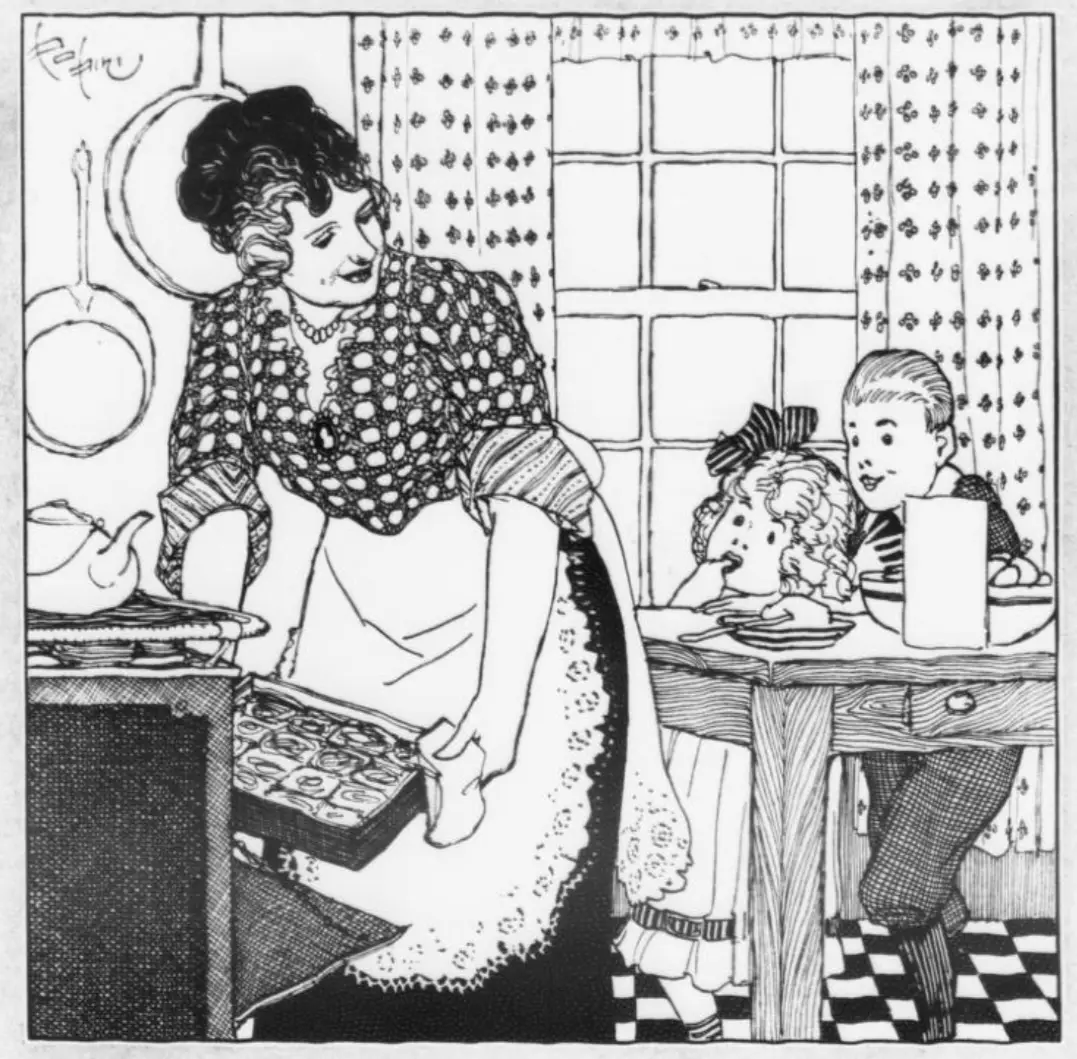
Long before plastic pumpkins and pre-packaged fun-size bars, Halloween ran on carved turnips, roasted nuts, and homemade caramel apples pulled straight from the stove. These are the treats that came before the candy aisle existed.
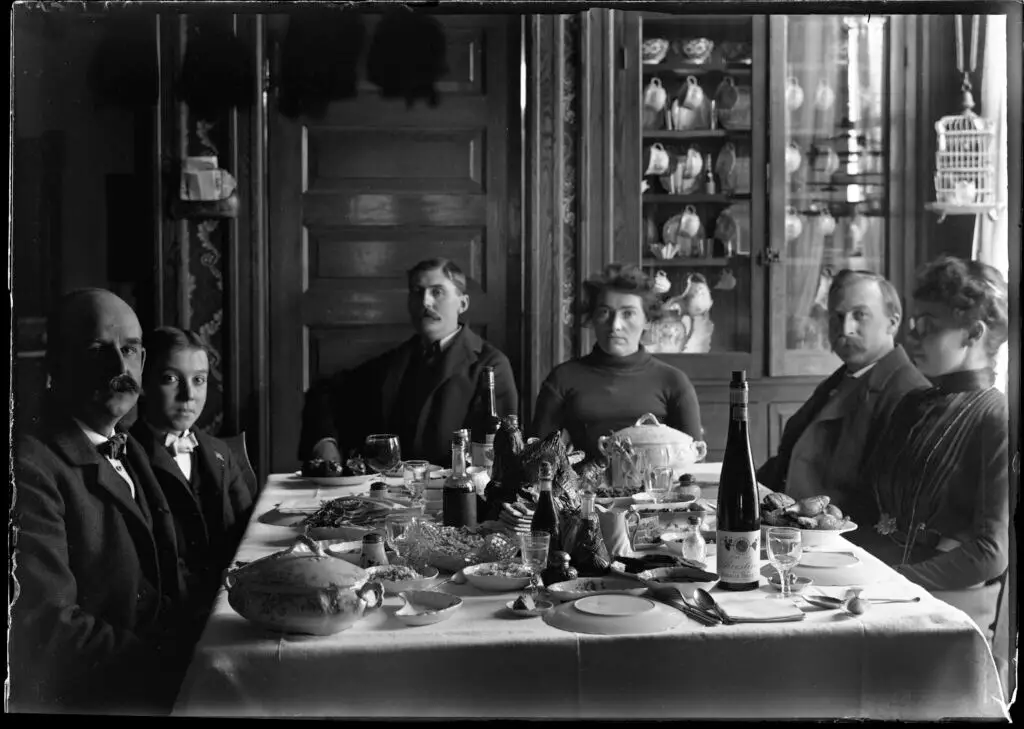
Long before refrigerators hummed in every kitchen and canned soup became a staple, American home cooks were masters of necessity; preserving, pickling, braising, and baking their way through every season.
The turn of the century brought seismic shifts to the American table. Industrialization drew families from farms to cities, yet the rhythms of scratch cooking persisted. Most households still lacked refrigeration - iceboxes required daily ice deliveries - which meant the skills of canning, salt-curing, and root-cellar storage were survival knowledge passed mother to daughter.
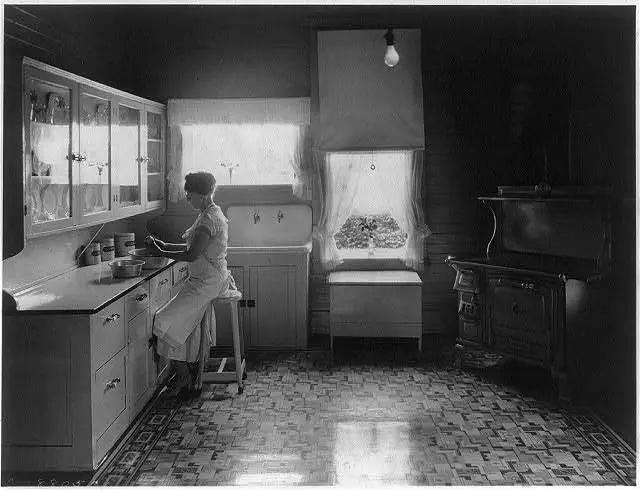
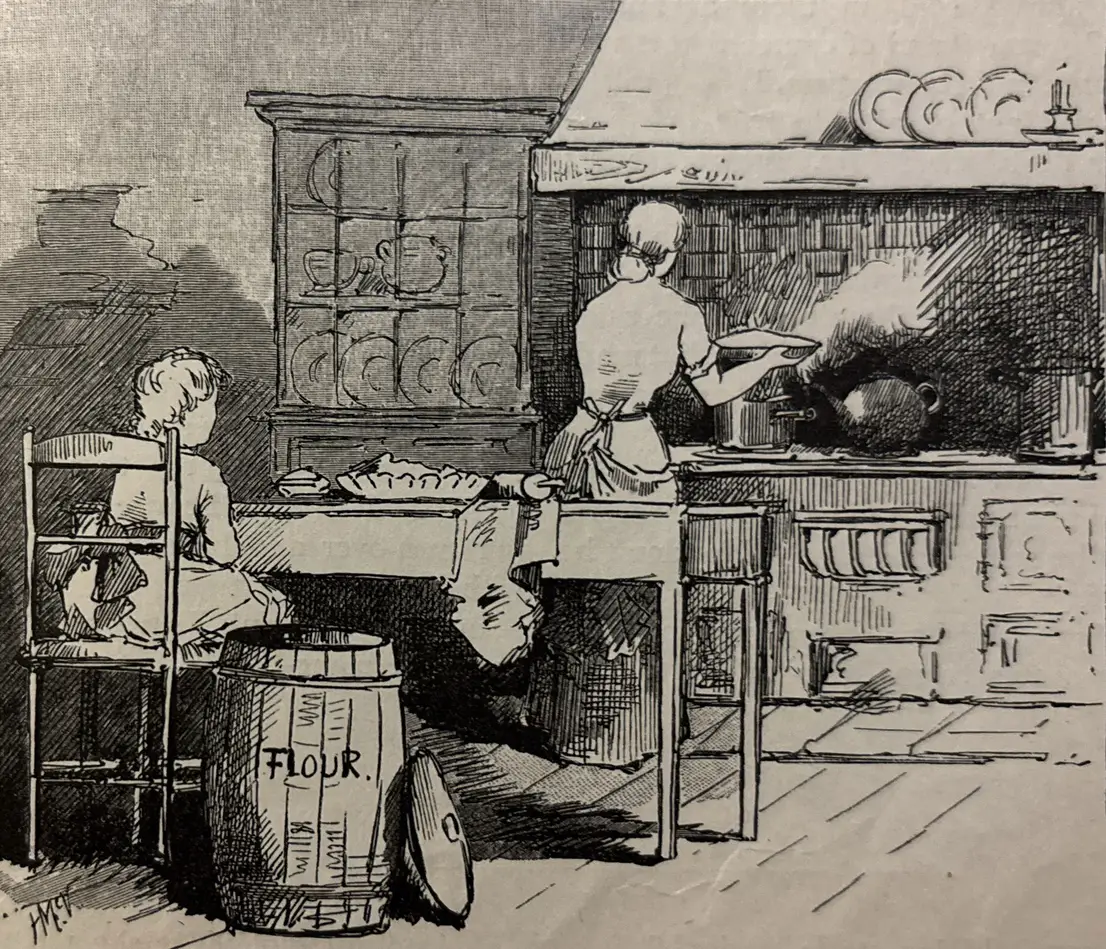
Cast-iron ranges dominated home kitchens, fueled by coal or wood. A practiced cook knew her stove's personality the way a musician knows their instrument; which burner ran hot, which corner of the oven baked bread perfectly golden, and how long a bed of coals would hold heat through a Sunday pot roast. Cooking was a full-day commitment.
"Give us this day our daily bread" was not a metaphor.
Home bakers rose before dawn to have fresh loaves on the table by morning.
The 1910s brought new pressures and new pantries. World War I rationing transformed American kitchens almost overnight. Meatless Mondays and Wheatless Wednesdays became patriotic duties. Women baked with cornmeal, stretched beef with lentils, and discovered that necessity really was the mother of delicious invention. Many of those wartime adaptations became beloved family recipes that outlasted the war by decades.
A Kitchen & Culture Timeline
1904
Jell-O's "America's most famous dessert" campaign launches in Ladies' Home Journal.
1908
Electric stoves appear in wealthier homes. Most families still cook on coal or wood.
1913
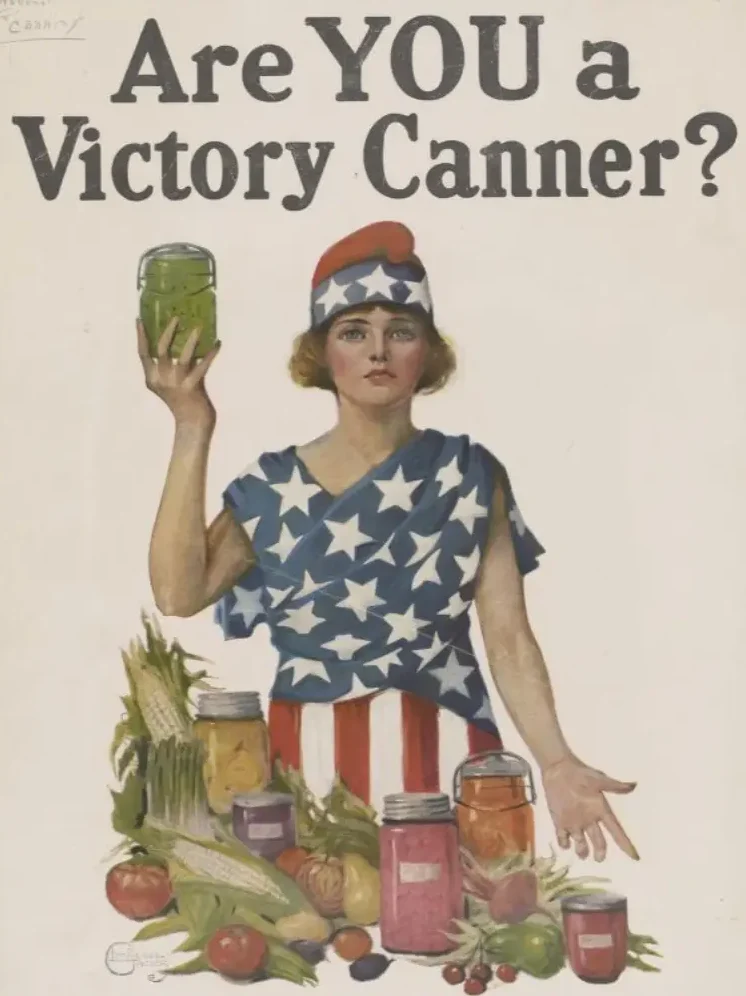
Mason jar canning explodes. Home economics taught in schools nationwide.
1917
WWI rationing: Meatless Mondays, Wheatless Wednesdays become patriotic kitchen duties.
1919
Post-war abundance returns. Layer cakes and icebox desserts celebrate the peace.
What Life in the 1900s Kitchen Looked Like
6-8 Hours of Daily Cooking Time
A typical farm or city housewife in 1910 spent the majority of her day in the kitchen, and that's not a figure of speech. Bread dough was often started before dawn so it could rise and bake before the rest of the household needed the stove for breakfast. By midmorning she was preserving, pickling, or rendering something. By afternoon she was planning the evening meal around whatever hadn't spoiled and whatever the garden or the iceman had provided that morning. Every recipe she relied on was built for a woman who spent most of her waking hours in that kitchen, with no electric appliances, no margin for waste, and no option to order takeout when things went sideways.
400+ Jars of Food Canned Per Year
The canning season ran from July through September, and skipping it wasn't really an option if you wanted to eat well past November.
Tomatoes went in first, then peaches when they came ripe and soft, then green beans packed tight in salt brine, then pickles that would still have their snap in January, then jams that made February feel slightly less punishing.
The summer kitchen ran at full intensity from July through September, hot enough to test anyone's patience, and the woman managing it was doing skilled, physically demanding work that kept her household fed for the next six months. You couldn't skip a canning day because you were tired or it would be felt in February when the shelves came up short.
The Ball Blue Book of Canning and Preserving Recipes, first published in 1909, gave many households their first set of written processing times and jar-sealing instructions, but most women in this era were still working from handwritten notes passed down from their mothers or scrawled on the inside cover of a recipe box. They knew which tomatoes held up best in the jar, which peaches turned to mush if you processed them a minute too long, and exactly how many quarts of green beans a family of five would burn through between December and March.
Bread Was Baked At Least 3X Per Week
A loaf of homemade bread in 1910 had about a two-day lifespan, and with no packaged alternative waiting at the store, the only solution was to keep baking. Bread showed up at nearly every meal, breakfast included, and a household that ran out of it before the next baking day felt that gap in a way that skipping a side dish never would have.
The baking ran on a rhythm most women kept without writing it down because it had been the same rhythm their whole lives. Dough went down the night before or early in the morning, the loaves were in by mid-morning, and the bread was ready by lunch. If the timing in a vintage recipe from this era feels like it assumes you've done this before, that's because the woman who wrote it had ... roughly two hundred times.
Ice Delivery Cost $3-$5 per Month
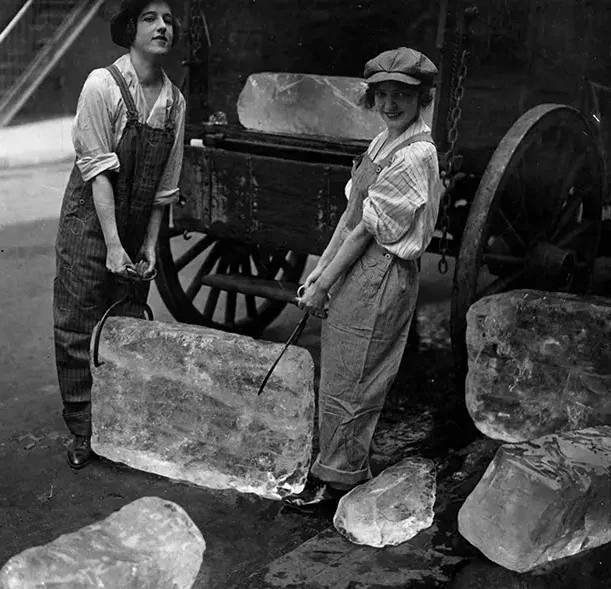
Ice delivery cost a typical household somewhere between three and five dollars a month in the early 1900s, which sounds modest until you remember that the average industrial worker was earning about ten dollars a week. The iceman came through the neighborhood on a regular schedule, usually two to three times a week, hauling blocks that weighed anywhere from 25 to 100 pounds using metal tongs and a leather shoulder pad, and families put a card in the front window to signal how much they needed that day. The whole system ran on timing and trust, and if you missed the iceman's pass down your street, you felt it in every perishable sitting in that box until he came back around.
What the icebox actually kept cold was a narrow category of things compared to a modern refrigerator: milk, butter, leftover meat, and anything that would turn in a day without cold air were the priorities. The icebox didn't eliminate meal planning around perishables so much as give it a slightly longer window, and the home cook still built her daily menus around what was freshest, what the iceman had delivered, and what absolutely couldn't wait another day. Recipes from this era reflect that reality directly: heavy on preserved, dried, and root-cellared ingredients, with fresh dairy and meat treated as the things you used first.