

This old fashioned gingerbread loaf is deeply spiced and stays remarkably moist, thanks to unsulphured molasses and the one-bowl method that keeps the crumb tender without fussing over multiple mixing stages. I've tested this with both butter and oil, and the oil version holds onto that pudding-soft texture for up to five days at room temperature—perfect for baking ahead.
The scent hits you first: warm cinnamon and earthy ginger mingling with the deep, almost smoky sweetness of molasses. It's the kind of smell that makes people wander into the kitchen asking what's baking, the kind that clings to your sweater hours later and reminds you why certain recipes stick around for generations.
Gingerbread in Colonial America
When European settlers arrived in America, they brought their beloved gingerbread recipes across the Atlantic. The soft, cake-like gingerbread we know today became distinctly American when colonists discovered molasses was far less expensive than imported white sugar. Home bakers from New England to Pennsylvania adapted their English and German recipes, using this dark, robust sweetener that created a softer, moister texture than the firmer European versions.
The real transformation came when resourceful colonists in the Hudson River Valley began producing potash by burning cleared trees. This wood ash leavening, combined with the acidic molasses, created those telltale air bubbles that made American gingerbread rise into the tender loaf we treasure. Amelia Simmons recognized this innovation when she included seven different gingerbread recipes in her 1796 cookbook, American Cookery, the first cookbook printed in the United States.
What Makes This Gingerbread Loaf Recipe Special
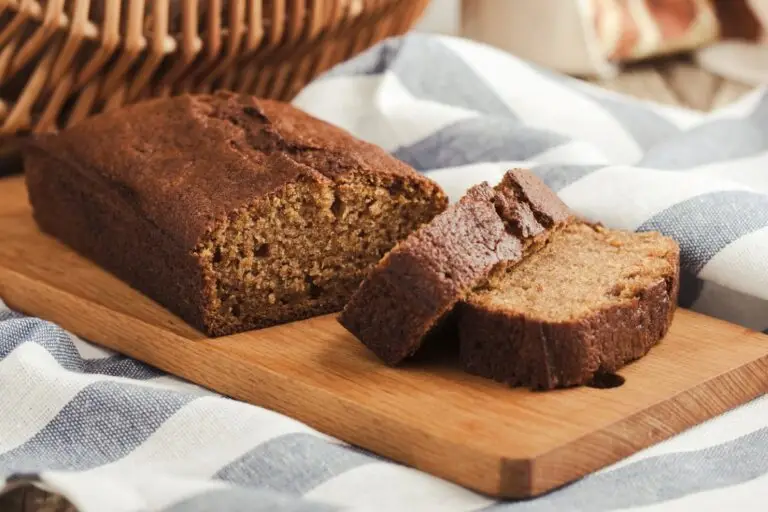
Old-Fashioned Spiced Gingerbread Loaf
Whether you’re serving thick slices with morning coffee or sharing it with loved ones during the holidays, this old-fashioned gingerbread loaf delivers comfort in every bite. It’s the perfect recipe for creating new memories while honoring the timeless tradition of home baking.
- Total Time: 65-75 minutes
- Yield: 12 servings 1x
Ingredients
- 1/2 cup granulated sugar
- 1 cup molasses
- 1/2 cup shortening
- 1/2 teaspoon cinnamon
- 1/2 teaspoon cloves
- 1/2 ginger
- 1 teaspoon baking soda, dissolved in 1 cup boiling water
- 2 1/2 cups all-purpose flour
- 2 well-beaten eggs
Instructions
- Preheat oven to 350 F.
- Lightly grease a loaf pan with butter, shortening, or non-stick baking spray. Set aside.
- Sift together the flour, cinnamon, cloves, and ginger. Set aside.
- In a large mixing bowl, cream together the shortening and granulated sugar until light and fluffy.
- Add the well-beaten eggs and incorporate into the mixture.
- Add the molasses and incorporate into the mixture. Set aside the batter.
- Combine the baking soda with the boiling water and stir well to dissolve.
- Beat 1/3 of the sifted flour mixture into the batter until just combined.
- Next, beat in 1/2 cup of the boiling water and baking soda mixture.
- Repeat with another 1/3 of the sifted flour, followed by the remaining boiling water, and finally, the last of the sifted flour.
- Transfer the batter to the loaf pan. Tap the pan firmly on your countertop to release any air bubbles.
- Bake for 45-55 minutes or until a toothpick inserted into the center comes out clean.
- Cool for 30 minutes before turning out onto a cooling rack.
Equipment

Lodge Cast Iron Loaf Pan 8.5×4.5 Inch
Buy Now → Buy Now →
Bread Pan Unbleached Parchment Liners
Buy Now →Nutrition
- Serving Size: 1 slice
- Calories: 245
- Sugar: 20g
- Sodium: 285mg
- Fat: 10g
- Saturated Fat: 1.5g
- Carbohydrates: 37g
- Fiber: 1g
- Protein: 3g
- Cholesterol: 35mg
How to Make Perfect Gingerbread Loaf
Recipe Variations, Serving Ideas, and Storage
Recipe Variations
Frequently Asked Questions
Blackstrap molasses is too bitter and strong for this recipe. Use unsulphured molasses (sometimes called regular or mild molasses) for the best balanced flavor. Grandma's and Brer Rabbit are reliable brands.
Overbaking is the most common culprit. Check your loaf at 45 minutes and remove it when a toothpick comes out with a few moist crumbs. Also make sure you're measuring flour correctly by spooning it into the measuring cup rather than scooping.
Yes, bake it up to 3 days ahead and store wrapped at room temperature. You can also bake and freeze it up to a month before Thanksgiving, then thaw it the day before you need it.
This recipe uses traditional American ingredients like molasses, warm spices, and oil (or melted butter) that date back to colonial times. The simple mixing method and moist, tender texture mirror recipes from early American cookbooks.
Insert a toothpick into the center of the loaf. It should come out with a few moist crumbs attached, but no wet batter. The top should spring back lightly when touched, and the edges should pull away slightly from the pan.
Absolutely. Double all ingredients and divide the batter between two loaf pans. Baking time remains the same. This is perfect for gift-giving or feeding a crowd during the holidays.
Gingerbread loaf or cake has a soft, moist texture from liquid ingredients like molasses, eggs, and milk. Gingerbread cookies use much less liquid and more flour, creating a firm dough that can be rolled and cut into shapes.
Yes, fold in ½ cup chopped walnuts or pecans just before pouring the batter into the pan. Toast the nuts first for deeper flavor.
A crack down the center is completely normal and actually desirable in loaf cakes. It happens when the exterior sets before the interior finishes rising. This is a sign of proper baking, not a mistake.
Let the loaf cool completely, then wrap it tightly in parchment paper. Tie with kitchen twine or ribbon, and attach a gift tag with storage instructions. Place in a clear cellophane bag for a professional bakery look.

Other Quick Breads Worth Making Room For
Quick breads like this gingerbread loaf earned their place in American kitchens because they offered homemade warmth without the fuss of yeast and kneading. Mix the batter, pour it into a pan, and an hour later your kitchen smells like someone's been baking all day.
Batch Baking Pumpkin Bread takes that same philosophy and multiplies it by three, using a 1970s recipe designed for the kind of efficiency that made sense when you were feeding a crowd or stocking the freezer for drop-in guests. The batter comes together in one bowl, divides between three loaf pans, and bakes up into the moist, spiced bread that showed up at every church potluck and bake sale between October and January. Make all three at once—one to serve now, one to freeze, one to wrap in cellophane and give to the neighbor who always returns your Tupperware.
1939 Apple Cider Sweet Potato Bread Recipe bridges the gap between Depression-era resourcefulness and genuinely sophisticated flavor. Sweet potatoes were affordable and available when other ingredients weren't, but this bread doesn't taste like a compromise. The apple cider adds subtle tang, dark raisins provide bursts of sweetness, and walnuts deliver the kind of texture contrast that makes each slice interesting instead of monotonous. This is the bread that made skeptics realize sweet potatoes belonged in dessert, not just mashed on the side of the plate.
1974 Spiced Carrot Cupcakes with Cream Cheese Frosting might technically be cupcakes, but they follow the same quick bread formula—grated vegetables, warm spices, and oil-based batter that stays moist for days. The cream cheese frosting became non-negotiable by the mid-1970s, right around the time carrot cake graduated from health food stores to mainstream bakeries. These are easier than layer cakes but feel more celebratory than plain muffins, which made them perfect for casual holiday gatherings where you wanted dessert without the production.
More Than Just a Holiday Treat
This old-fashioned spiced gingerbread loaf represents something deeper than just a dessert for the Christmas season. It's a connection to our culinary roots, a testament to the ingenuity of home cooks who created magic with simple ingredients. Every slice carries the warmth of colonial hearths, the industriousness of 19th-century bakers, and the comfort-seeking spirit of early 20th-century families.
So preheat that oven, gather your spices, and let the magic begin. Your kitchen (and everyone lucky enough to share a slice) will thank you for it.
What memories does the scent of gingerbread bring up for you? Was it a grandmother's kitchen, a school bake sale, or maybe the holidays at your childhood home? If you make this old fashioned gingerbread loaf, please leave a rating and review!
0 comments