What You'll Learn in This Guide
This cast iron guide covers everything you actually need to know (not the myths your neighbor's cousin swears by). You'll learn how to identify quality pans without getting ripped off, understand the metallurgy that makes cast iron work differently than every other pan in your kitchen, and master seasoning techniques that actually hold up to daily use. Whether you're inheriting a rusted-out vintage skillet or buying your first Lodge at the hardware store, this guide provides tested knowledge earned through decades of actual cooking.
TLDR - Just the Essentials
- Cast iron cookware excels at heat retention and maintains consistent temperature when cold ingredients contact the surface, which enables proper Maillard reaction for achieving quality sears.
- Vintage cast iron pieces manufactured before the mid-20th century were sand-cast and stone-ground to glass-smooth finishes, a labor-intensive process abandoned by modern mass-market manufacturers.
- Enameled and traditional bare cast iron serve different cooking functions, with many home cooks finding that owning one enameled Dutch oven and one bare iron skillet provides complete versatility.
- High-quality Chinese cast iron uses virgin ore rather than scrap metal to ensure freedom from lead and heavy metal contaminants, though it typically features rougher surface texture requiring more frequent seasoning.
- Cast iron represents a multi-generational investment that improves with age through accumulated seasoning layers, transitioning seamlessly from stovetop to oven, broiler, or campfire.
Why Cast Iron Belongs in Your Kitchen
Cast iron cookware represents a multi-generational investment that improves with age instead of degrading into a landfill nightmare like those non-stick pans that flake after two years. The material excels at one critical thing: heat retention. It maintains consistent temperature even when cold ingredients hit the surface; which is exactly what you need for achieving proper sears through the Maillard reaction. A single cast iron pan transitions seamlessly from stovetop to oven, broiler, or campfire, providing versatility that your modern cookware can't match.
In my kitchen, there's a Vollrath 12-inch skillet that doesn't sit in a cabinet gathering dust. It belonged to my mother, and before that, her father, and probably his mother before him. When I grip the handle, I'm touching the exact spot where they flipped Saturday morning pancakes or burnished fantastically melty grilled cheese sandwiches on cold winter afternoons. The deep black patina on the surface is a physical record of every meal they cooked - a biological archive built one layer of oil and heat at a time.
Taking care of it - the washing, the drying, the careful oiling - isn't a chore. Think of it more like a conversation with the past.
Some of our best cast iron memories don't involve skillets at all - they're from cast iron pudgy pie makers clamped over the campfire up north at the cabin in Wisconsin. We'd stuff white bread with ham and cheese, pepperoni and mozzarella, or cherry pie filling, then hold those long-handled irons over the flames until the bread toasted golden and the insides turned molten. Those pudgy pie makers are living with the neighbor kids now; our kids are grown and moved on, but I see those irons come out whenever there's a backyard fire pit going. Same cast iron, different generation, still making the same mess and memories.
Cast Iron vs Other Cookware Materials
- The Chemistry That Makes Cast Iron Different
Here's what you need to know about cast iron composition: it's 92% to 98% iron combined with 2% to 4% carbon. That carbon percentage is what creates exceptional hardness and heat retention, though it also makes the metal brittle enough to crack if you drop it on tile. - Silicon (1% to 3%) increases fluidity during casting and contributes to graphite formation within the metal—which sounds like chemistry class because it is. Turns out material science matters when you're trying to sear a steak.
- Manganese (0.2% to 1%) neutralizes sulfur and increases overall strength. Trace amounts of phosphorus, sulfur, nickel, chromium, or copper show up depending on what raw materials the manufacturer used. Quality manufacturers control these carefully; budget foundries less so.
- How Stainless Steel Works Differently
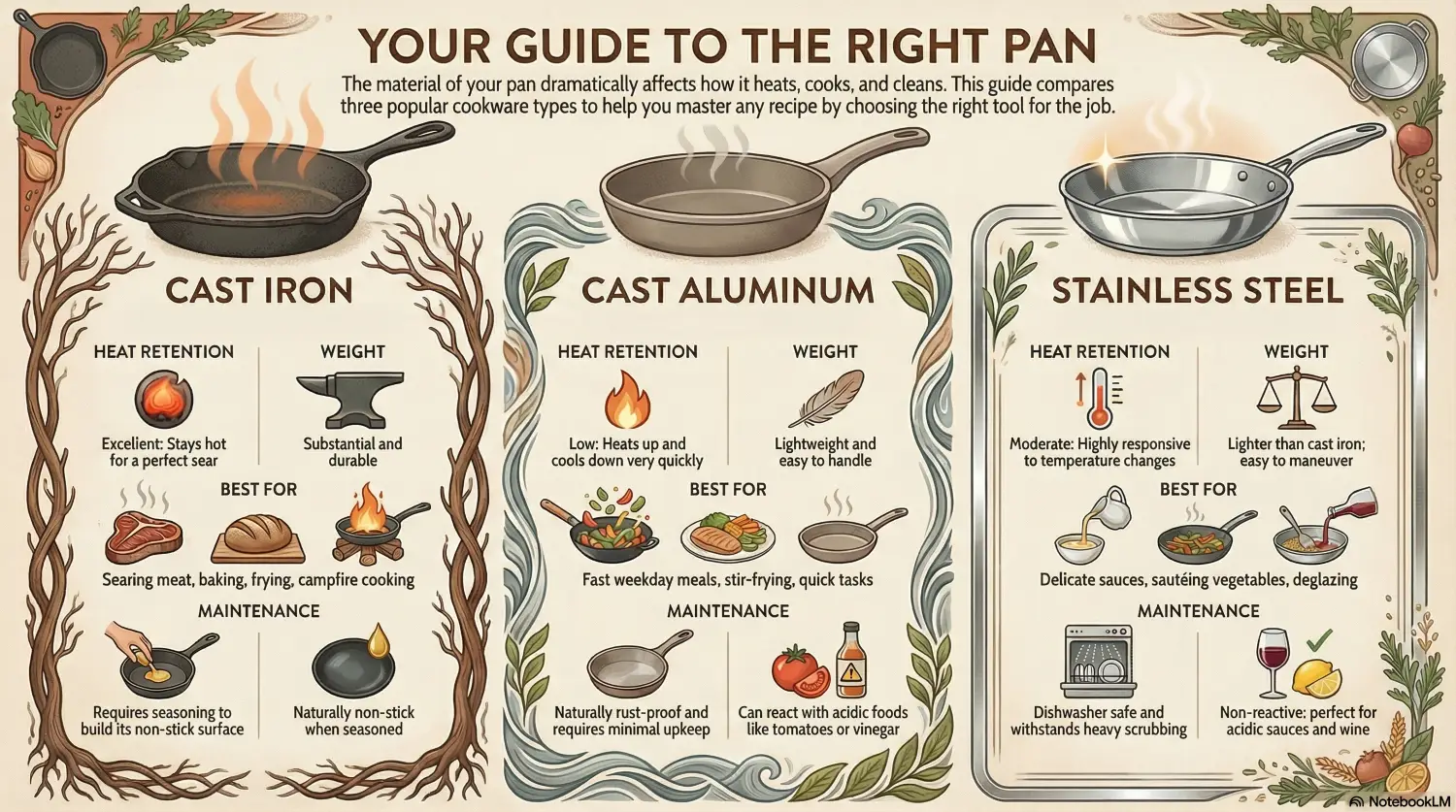
Stainless steel cookware contains at least 10.5% chromium, which reacts with oxygen to form an invisible protective layer preventing rust. Most quality cookware includes nickel for durability and resistance to acidic foods. The grades 18/10 or 18/8 indicate chromium and nickel percentages—18/10 offers the highest corrosion resistance and that mirror-like finish. - Here's the catch: stainless steel conducts heat poorly on its own. That's why manufacturers use clad construction with an aluminum or copper core sandwiched between stainless layers. The inner core does the actual heat distribution work; the stainless steel just provides a non-reactive, food-safe finish that can withstand heavy use.
- Performance Differences That Actually Matter
Cast iron takes its sweet time getting hot—plan on 5-10 minutes of preheating. But once it's there, it stays there. Drop a cold steak on it, and the pan doesn't flinch. That's the whole point. Stainless steel loses its nerve the second cold protein hits the surface. It heats and cools almost immediately with burner adjustments, which gives you precise control for delicate sauces but terrible performance for searing. - When properly seasoned, cast iron develops a naturally non-stick patina. But it's a reactive metal—long-simmered acidic ingredients can pick up metallic taste and strip your seasoning. Stainless steel remains completely non-reactive, making it the better choice for deglazing and pan sauces.
- Cast iron requires specific care: hand-washing, thorough drying to prevent rust, and occasional oiling. Miss the drying step, and you'll have rust spots by morning. Stainless steel withstands dishwashers and vigorous scrubbing, plus it's significantly lighter for techniques requiring frequent tossing. Choose your tool based on what you're actually cooking.
- Cast Aluminum: The Lightweight Alternative
Cast aluminum heats up and cools down faster than iron due to higher thermal conductivity. It weighs roughly one-third what iron does, making it easier to handle if you have wrist issues or just don't want to deadlift your cookware. Aluminum resists rust naturally and doesn't require seasoning maintenance. - The tradeoffs: cast aluminum can't be used on induction cooktops, warps more easily under extreme temperatures, and uncoated aluminum reacts with acidic foods causing metallic taste or pitting. Cast iron remains the standard for high-heat performance and multi-generational longevity. Aluminum is fine for everyday cooking if you prioritize convenience over heirloom status.
Cast Iron Manufacturers - Industry Leaders
-
Lodge
-
Le Creuset
-
Victoria Cookware
-
STAUB
-
Smithey Ironware
-
Field Company
-
Stargazer Cast Iron
-
YETI
Lodge Cast Iron operates two foundries in South Pittsburg, Tennessee, making them the oldest continuously running cast iron manufacturer in the United States since 1896 (originally called Blacklock).
They dominate the affordable pre-seasoned cast iron cookware market because in 2002, they became the first manufacturer to season cast iron in the foundry; an innovation that's since become the industry standard. Before that, every cast iron pan sold in America required seasoning at home. Within five years of introducing factory seasoning, it became so popular that Lodge discontinued unseasoned production entirely.
Le Creuset, established in 1925 in northern France, leads the luxury enameled cast iron sector worldwide. Their cast iron signature Dutch ovens cost $300-450 depending on size - more than some people's monthly car payments - but they're virtually indestructible and come in colors your grandmother would approve of. The light-colored interior enamel (typically cream or white) allows you to clearly see and monitor browning, fond development, and doneness of your food, which matters when you're building complex flavors.
Victoria Cookware, a third-generation family business from Medellín, Colombia (originally Mecánicos Unidos since 1939), produces high-quality budget-friendly cast iron that competes directly with Lodge at similar price points. Every piece is crafted in-house in their Colombian factory using proprietary Spherrous iron that won't crack or break, with 100% in-house craftsmanship including brass details. They season their pans with kosher-certified single-source Colombian palm oil rather than soy-based oil.
The Victoria difference shows up in design details: gently curved handles, pour spouts that don't dribble oil down the pan's side, and a slightly heavier build that some cooks prefer for heat retention.
STAUB, now part of the Zwilling Group, manufactures professional-grade enameled cast iron that's a staple in restaurant kitchens across Europe. The distinctive matte black interior coating is ultra-durable, hides stains completely, and allows high browning temperatures without showing wear. Unlike glossy enamel finishes, Staub's textured interior actually improves with use as it develops a natural patina similar to seasoned bare cast iron.
The construction is heavier and thicker than most enameled cookware, providing exceptional heat and moisture retention for long braises and stews. Their self-basting lids feature small spikes (called "picots") on the underside that continuously redistribute condensation back onto the food during cooking, keeping everything moist without lifting the lid. This design produces consistently tender, juicy results in slow-cooked dishes.
Smithey Ironware Company, based in Charleston, South Carolina, produces artisanal cast iron cookware with hand-polished, glass-smooth interiors that replicate the finish found in vintage 19th-century pans. Founder Isaac Morton started the company in 2015 as a one-man operation after spending years restoring rusty vintage cast iron in his woodshed as a hobby. He became fascinated by the smooth surfaces and timeless logos of vintage ironware design, wondering why no modern manufacturer was creating cast iron in that classic style.
The construction is heavier than most modern cast iron, providing superior heat retention and steadier temperatures during cooking. A 12-inch Smithey skillet weighs about 8.7 pounds—noticeably heftier than budget brands.
Field Company focuses on lighter cast iron cookware with smooth surfaces that replicate vintage brands like Griswold and Wagner. They manufacture in the USA using recycled iron and traditional green sand casting methods - the same techniques celebrated vintage manufacturers used in the early 1900s.
After casting, Field uses a machining process to remove excess iron from the sidewalls and cooking surface, creating thinner construction that's lighter than most modern cast iron while maintaining a thick base for proper heat retention. A Number 10 skillet weighs about 5.5 pounds—noticeably lighter than budget brands that typically hit 8+ pounds. The cooking surface gets machine-polished to a smooth finish with just enough texture left to hold seasoning, then receives three coats of organic grapeseed oil before shipping.
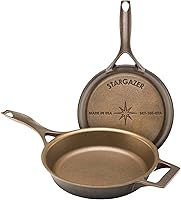
Stargazer Cast Iron, a Pennsylvania-based manufacturer, emphasizes ergonomic designs with stay-cool handles that actually work. The handle features a distinctive Y-shaped design that disperses heat, keeping it noticeably cooler during stovetop cooking; you can grip it barehanded after 20 minutes of cooking where other brands would require a towel.
The handles are significantly longer than most cast iron skillets (7.6 inches on the 12-inch model versus 4.75 inches on comparable brands), making it easier to maneuver while keeping your hand away from the heat. The helper handle opposite the main handle is larger and easier to grip than standard cast iron, which matters when you're moving a heavy pan full of food.
YETI entered the cast iron market by acquiring Butter Pat Industries in 2023, bringing the small Mid-Atlantic company's decade of expertise into YETI's manufacturing ecosystem.
Butter Pat founder Dennis Powell started the company in 2013 with an uncompromising mission to create exceptional cast iron using a novel casting process previously never used for iron. Instead of traditional sand molds, YETI uses ceramic-like molds that yield a hyper-smooth, glass-like finish on all surfaces - including the bottom and exterior. This smooth finish out of the mold eliminates the need for extensive machining, and each pan is hand pre-seasoned before shipping. The result behaves like a non-stick Teflon pan straight out of the box, not just on the cooking surface but across the entire pan.
Specialty Cast Iron Producers
- Borough Furnace in New York
Uses recycled iron and hand-casts products in small batches using sustainable methods. - Lancaster Cast Iron
Produces lightweight, smooth-finished pans emphasizing traditional Amish craftsmanship in Pennsylvania. - Skeppshult
This major European producer based in Sweden has used traditional sand-molding techniques since 1906.
- Petromax
A leading German manufacturer specializing in cast iron gear for outdoor cooking and camping.
Vintage Cast Iron Cookware Brands Worth Hunting For
Vintage cast iron refers primarily to pieces manufactured before the mid-20th century. Collectors and chefs prize these because they were sand-cast and then stone-ground to a glass-smooth finish; a labor-intensive process that modern mass-market manufacturers abandoned in favor of profit margins. So what are some of the best vintage cast iron pieces and antique skillets? Here are some to look for:
Griswold Manufacturing Co. from Erie, Pennsylvania, remains the most famous vintage brand. Their pans feature "Large Block" and "Small Block" logos that collectors can identify from across a flea market. Pieces marked "ERIE" (pre-1900s) are especially coveted for their incredibly light weight and glass-smooth interiors. If you find one at a yard sale, buy it immediately.
Wagner Manufacturing Co. from Sidney, Ohio, was Griswold's primary competitor, renowned for high-quality casting and their "stylized" logo. Birmingham Stove & Range (BSR) from Alabama produced heavy, durable "working man's" pans with deep heat rings. These weren't fancy, but they were virtually indestructible, which is why you still see them in daily use today.
Favorite Stove & Range in Piqua, Ohio, produced "Favorite Piqua Ware" of equal quality to Griswold with refined finishes. Vintage Lodge produced smoother, lighter "single notch" and "three notch" skillets before moving to modern automated molding. Current Lodge pans are workhorses, but vintage Lodge is a different animal entirely.
Wapak Hollow Ware, famous for their "Indian Head" logo, made thin-walled, lightweight pans sometimes featuring "ghost marks" of Griswold or Wagner logos underneath their branding.
Vollrath from Wisconsin produced cast iron with unique long "sideways" handles and minimal exterior branding - just a size number.
Martin Stove & Range from Alabama is famous for its "Hamburger" logo featuring a skillet inside a circle.
Identifying Quality Cast Iron
- Surface Texture Tells You Everything
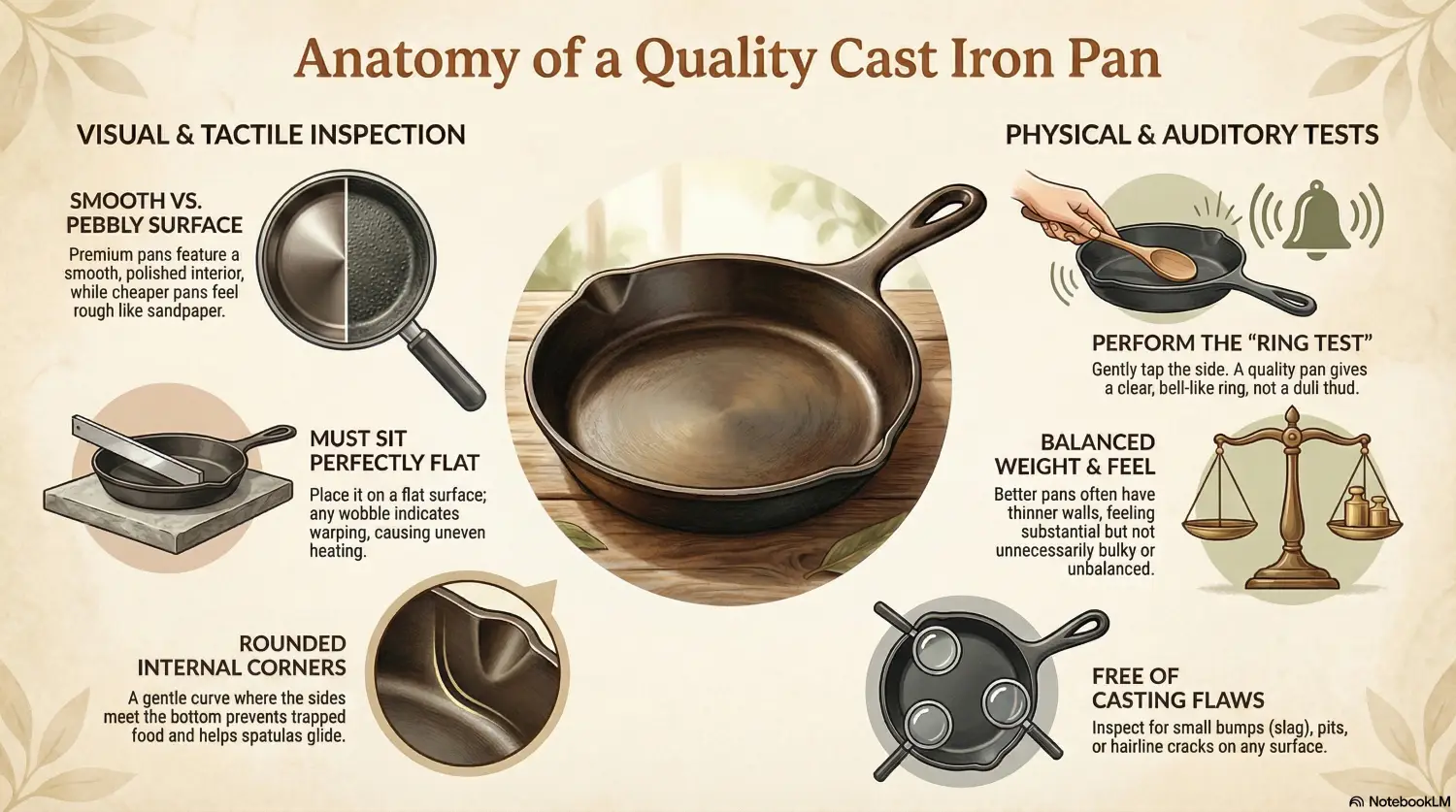
Premium or vintage cast iron features a smooth, polished interior surface that's either machined or hand-finished. This allows more effective non-stick seasoning over time because oil polymerizes evenly across the surface. Cheaper pans have a rough, pebbly texture similar to fine sandpaper because they're sold directly from the sand mold without additional smoothing. That texture isn't a deal-breaker—Lodge pans work fine—but it takes longer to build up seasoning in all those little valleys. - Inspect for "slag" (small metal bumps), pits, or hairline cracks. Quality iron should be uniform and free of structural imperfections. If you see bubbles or rough patches, the foundry had temperature control issues during casting.
- Weight and Balance
Luxury and vintage brands create thinner, lighter walls that maintain excellent heat retention without unnecessary bulk. Modern budget brands often overcompensate with thickness, making pans heavier than they need to be. A 12-inch skillet shouldn't require two hands to lift. - Place the pan on a counter to check if it sits perfectly on a flat surface. If it wobbles or spins, the pan is warped, which leads to uneven heating on glass or induction stovetops. This is non-negotiable for modern kitchens.
- The Ring Test
Here's an old foundry trick: gently tap the sidewall of the pan with a wooden spoon or your knuckle. High-quality cast iron produces a clear, sustained bell-like ring. A dull, muffled "thud" signals a hidden crack or poor-quality casting with internal air pockets. This test works on vintage pans and new ones alike.
- Corner Design Matters More Than You Think
Rounded internal corners where the cooking surface meets the sidewall allow spatulas to glide across the entire surface and prevent food or carbonized grease from getting trapped. Sharp internal corners create dead zones where seasoning flakes off because you can't reach it to maintain it. This rounded interior facilitates even seasoning buildup over time.
- External rim design varies by manufacturer. Traditional American brands like Lodge feature rounded rims and pouring spouts for durability. Modern high-end manufacturers use machining to create precise, thin edges that are polished smooth; better for pouring and steam release. Either works fine as long as there are no sharp burrs that could cut you or snag a towel.
Chinese Cast Iron Quality
Cast iron quality from China varies significantly depending on brand and price point. Here's what you need to know: many premium Western companies like Lodge (for enameled lines) and Tramontina utilize Chinese factories adhering to strict international food safety standards including FDA and LFGB certifications. The factories producing for major brands maintain quality control.
High-quality Chinese cast iron uses "virgin" ore rather than scrap metal to ensure it's free from lead and other heavy metal contaminants. Budget-friendly Chinese pans often feature a rougher "pebbly" surface finish compared to premium or vintage American-made iron. This rougher texture doesn't affect durability but requires more frequent seasoning and a longer break-in period to achieve a non-stick surface.
Popular well-regarded options include manufacturers like Hebei Sanxia (known for enameled cast iron), lighter smoother options like Cook Life for budget-friendly quality, and traditional styles like Wangyuanji for woks. The key takeaway: judge Chinese cast iron by the specific brand and construction, not blanket assumptions about country of origin.
Enameled vs Traditional Cast Iron
Enameled Cast Iron: Convenience Over Tradition
Enameled Cast Iron Works with Acidic Ingredients
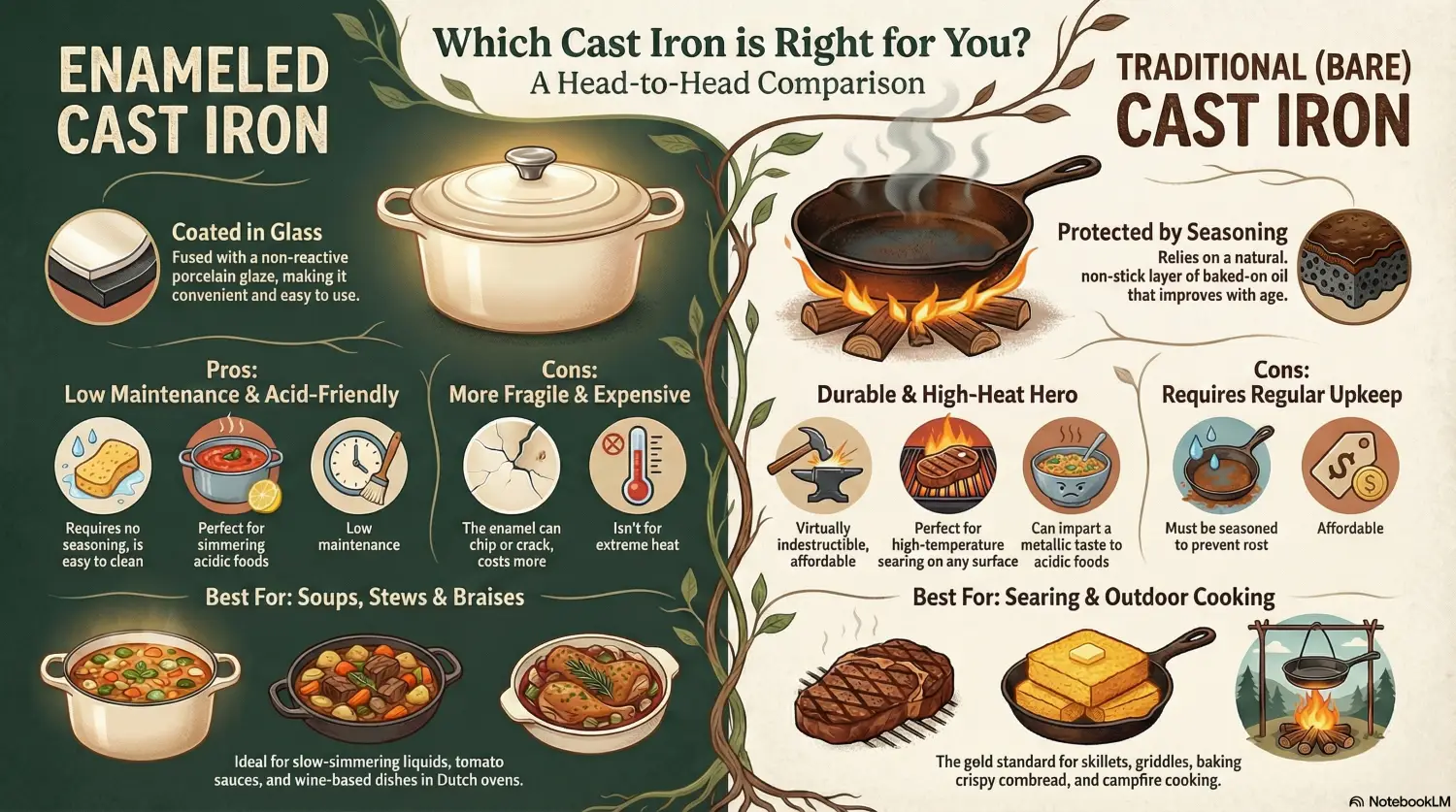
Enameled cast iron features a porcelain glaze fused to the metal. This provides heat retention without the intensive maintenance routine bare iron demands. The glass-like coating is non-reactive, making it ideal for slow-simmering acidic ingredients like tomato sauces, wine-based braises, or citrus that would strip seasoning off bare metal in a matter of hours.
Enamel's Easy Maintenance and Table-Ready Appeal
It requires no seasoning, cleans easily with soap and water, and comes in various colors for attractive table service. My mother-in-law has a Le Creuset Dutch oven she brings directly from oven to table, and guests compliment it every time. That's the point of enameled cast iron: it's as much serving piece as cooking tool.
The Tradeoffs With Enamel
The tradeoffs: enamel can chip or crack if dropped, costs significantly more than bare iron, and most manufacturers advise against extreme heat or open flames. You're also locked into that finish forever - you can't restore it or build up seasoning. Enameled cast iron works best for Dutch ovens, braisers, and colorful casserole dishes.
Traditional Cast Iron: The Workhorse
Cast Iron's Durability and Value
Regular bare cast iron develops a natural non-stick surface over time and withstands much higher temperatures than enameled versions. It's virtually indestructible, improves with age, and costs a fraction of what enameled options run. A Lodge 12-inch skillet costs about what you'd spend on mediocre takeout.
Cast Iron Maintenance Requirements and Best Uses
The maintenance requirement is real, but do-able: regular seasoning to prevent rust, never leaving it to soak in water, and potential metallic taste in acidic foods cooked for long periods. But if you follow the care routine, which takes about 90 seconds after each use, bare iron will outlive you. Traditional cast iron excels for skillets, griddles, and outdoor cooking over campfires or grills.
Many home cooks find that owning one of each - an enameled Dutch oven and a bare iron skillet - provides perfect balance for any recipe. That's my setup, and I've yet to encounter a cooking situation where I wished I had something else.
How to Season Cast Iron Properly
Preparation and Cleaning
The pan must be completely clean and dry before applying oil. Any residue left behind will be fossilized between layers, leading to an uneven surface that flakes off. This is not optional. Wash thoroughly with warm soapy water and a stiff brush to remove factory residue, dust, or old food bits. Towel-dry immediately, then heat the pan on a stovetop over medium-low heat for 2-5 minutes to ensure all moisture is gone. Water is the enemy here.
Oil Application: Less Is More
The secret to durable seasoning is using an extremely thin layer of oil with a high smoke point. Apply a small amount of neutral cooking oil like canola, vegetable, avocado, or grapeseed to the entire surface including the handle and exterior. Use a clean paper towel to rub the oil all over.
Here's where most people mess up: use another clean towel to buff it until it no longer looks greasy. You want a thin film, not a sticky coating. If the pan looks shiny or wet, you've used too much oil. Excess oil doesn't polymerize properly—it just sits there getting gummy.
Oven Method
Preheat your oven to 450-500°F. Place the oiled pan upside down on the middle rack with aluminum foil or a baking sheet on the rack below to catch any drips. Bake for one hour. The high heat causes the oil to polymerize, bonding it chemically to the metal to create a hard, protective layer. This is actual chemistry, not kitchen magic.
Turn off the oven and let the pan cool completely inside. For best results, repeat this process 2-3 times to build up a durable initial seasoning. Each subsequent use and proper maintenance will continue strengthening the non-stick surface. The first few seasoning layers protect the metal; layers 10-50 create the slick surface everyone talks about.
Daily Cleaning and Maintenance
- The Washing Process
Never soak your pan in water or put it in a dishwasher. This causes immediate rusting; not gradual oxidation, but visible rust spots within hours. While the pan is still warm (not scorching hot, just warm), wash by hand using warm water and a small amount of mild dish soap. - Contrary to what your grandfather insists, modern mild soap won't damage your seasoning. The lye-based soaps of the 1950s would strip seasoning; Dawn dish soap in 2026 will not. The "never use soap" myth needs to die.
- Use a nylon scrubbing brush, plastic pan scraper, or chainmail scrubber for stuck-on food. For very burnt-on bits, add water to the pan and bring it to a boil on the stove to loosen debris, then scrub. Alternatively, scrub with a paste made of coarse kosher salt and water, which acts as a gentle abrasive.
- Drying Thoroughly
Wipe the pan thoroughly with a lint-free cloth or paper towel immediately after rinsing. Then - and this is critical - place the pan over low heat on the stovetop for a few minutes until it's bone-dry. You're evaporating every molecule of water. Skip this step, and you'll have rust. - Oil Application After Every Wash
While the pan is still warm from stovetop drying, apply a very thin layer of neutral cooking oil with a high smoke point. Use a clean paper towel to rub the oil over the interior and exterior surfaces. Buff it until it no longer looks greasy. You're maintaining the seasoning layer with each use. This entire process (wash, dry, oil) takes about 90 seconds. That's the "intensive maintenance" everyone complains about.
- Rust Removal
If rust spots develop despite your best efforts, use steel wool or a rust eraser to scrub down to bare iron. Once the rust is gone, wash and dry the pan, then immediately perform a full re-seasoning by coating it in oil and baking upside down in a 450°F oven for one hour. The pan will be fine. Cast iron is nearly impossible to permanently ruin.
Tips For Cooking with Cast Iron
- Temperature Adjustments
Cast iron's high thermal mass changes cooking times because it retains heat much more effectively than aluminum or stainless steel. Baked goods like cornbread, cobblers, or pizzas often finish 5-10 minutes faster than recipes written for glass or thin metal pans. Check early and adjust. - On stovetops, account for a 5-10 minute preheat period. Adding food to a cold cast iron pan significantly increases total cooking time and causes sticking because the thermal mass isn't there yet. Patience during preheat saves frustration during cooking.
- Cast iron stays hot long after the burner is off. This leads to overcooking if you leave food in the pan, especially eggs or fish. Remove food to a plate immediately after cooking.
- Lower oven temperature by 25°F to prevent bottoms and sides from browning too quickly. Once the pan is hot on the stovetop, turn the burner down to a lower setting than you'd use for other cookware. The pan holds temperature; you don't need maximum heat. Always check for doneness well before the recipe's suggested time.
- Foods to Avoid (Or Approach Carefully)
Highly acidic ingredients like tomatoes, wine-based sauces, or heavy vinegar reductions cooked for extended periods can strip seasoning and leach metallic taste into meals. Quick deglazes with lemon or wine are generally safe on well-seasoned pans. Long-simmering dishes like slow-cooked marinara or chili suit enameled cast iron or stainless steel better. Use the right tool for the job.
- Delicate, flaky fish like tilapia or sole stick and tear when flipped, even on well-seasoned pans. Eggs - especially scrambled or omelets - often leave stubborn residue requiring deep cleaning that may necessitate re-seasoning. Once your seasoning is well-established (we're talking months of regular use), eggs become easier. But on a newly seasoned pan? Frustration awaits.
- Sweet, sticky glazes or high-sugar batters can carbonize onto the iron. Strong aromatics like garlic, onions, and oily fish leave behind oils that seep into the seasoning and ghost into the next dish. If you're planning to use your skillet for a sweet dessert like a Dutch baby or skillet cookie, maybe don't cook a heavily garlic-focused meal immediately beforehand.
Storing Cast Iron Cookware Properly
- The Reality of Cast Iron Storage
Cast iron is heavy, scratches surfaces, and will damage whatever you stack it on or in if you're careless. A 12-inch skillet weighs 8-10 pounds; stack three of them without protection, and you're grinding metal against metal or gouging wood cabinets with every shift. Proper storage takes minimal effort and prevents both cookware damage and cabinet destruction. - Protect Your Cabinets First
Line cabinet shelves with sturdy cardboard before storing cast iron. Heavy-duty corrugated cardboard; the kind appliances ship in. It works perfectly. Cut it to fit your shelf dimensions, and it absorbs impact while preventing the pan's bottom from scratching wood or laminate surfaces. Replace the cardboard every year or so when it compresses flat. This costs nothing and saves you from refinishing cabinets later. - Stack Skillets with Protection Between Each Layer
Nest skillets of different sizes with pan protectors between each piece. Pan protectors made from quilted fabric or padded felt provide excellent protection and are easy to find affordably at HomeGoods or Amazon. They're worth it if you own expensive artisanal cast iron like Smithey or Field Company where scratching the polished surface feels like vandalizing art.
- Never Store Cast Iron Wet or With Lids Trapped
Always dry pans completely before storing; not just towel-dry, but stovetop-dry over low heat for 2-3 minutes. Any trapped moisture creates rust overnight. If you're stacking Dutch ovens with lids, place a folded paper towel between the pot and lid to allow air circulation. Sealing a lid directly onto a pot traps humidity and encourages rust, especially in humid climates.
- Hanging vs. Stacking
Hanging cast iron on wall-mounted racks or ceiling pot racks eliminates stacking concerns entirely and looks impressive in a kitchen. Make sure your mounting hardware is rated for the weight. A 12-inch skillet plus a heavy-duty hook can exceed 10 pounds. Toggle bolts or studs only; drywall anchors will rip out eventually. The downside: hanging exposes pans to kitchen grease and airborne cooking residue. You'll need to wash them before use even if they've been sitting idle, which defeats the "always ready" advantage people claim for hanging storage. Hanging works best for daily-use pans that get washed frequently anyway.
- Store Seasoned and Lightly Oiled
Before storing any cast iron for more than a few days, apply a thin layer of neutral oil and buff it completely dry. This maintains the seasoning layer and prevents oxidation during storage. Pans stored for months without this protective oil layer can develop surface rust even in dry environments. The oil creates a barrier between the iron and oxygen.
- Long Term Storage
If you're storing cast iron long-term (seasonal cookware, inherited pieces you're not using yet, camping gear between trips), consider wrapping each piece in a lint-free cloth after oiling. This prevents dust accumulation and provides an extra moisture barrier. Don't use plastic bags because they trap condensation.
Troubleshooting Common Issues
- Spotty and Gummy Seasoning
This occurs when too much oil is applied or when the pan isn't heated to a high enough temperature to fully polymerize the oil. The oil remains partially liquid rather than bonding to the metal, creating a sticky, uneven surface that never quite hardens. - To fix this, scrub the gummy areas with hot water and a stiff brush until the stickiness is gone. Dry thoroughly, then re-season using a much thinner layer of oil. The phrase "thin layer" gets repeated because it's where everyone messes up. If you can see obvious oil on the pan, you've used too much.
- Non-Stick Spray Problems
Cooking sprays often contain lecithin, propellants, and other additives that build up over time as a sticky, hard-to-remove residue. These layers don't bond to the iron the same way naturally applied oil does. They create a gummy coating that resembles bad seasoning. - If you prefer spray convenience, choose pure oil sprays without additives, or make your own using a refillable mister filled with neutral oil. Better yet, just use a paper towel with oil on it. Takes three seconds.
- Open Fire and Grill Use
Using cast iron on open fires or grills doesn't ruin seasoning; it can actually enhance it if done correctly. The high, even heat from fire accelerates polymerization. However, extremely high temperatures can cause some seasoning to flake off temporarily. - After outdoor cooking, let the pan cool naturally (don't quench it with water! Thermal shock can crack the pan), clean as usual, and apply a fresh thin layer of oil. The seasoning will rebuild quickly.
- Manual Polishing for Smooth Finish
New cast iron can be manually polished to achieve a fast smooth finish if you're patient and own a lot of sandpaper. Use increasingly fine grits (starting around 80-grit and working up to 400-grit or higher) to sand the cooking surface. This process is labor-intensive but replicates the smooth interior found in vintage pans. - After polishing, wash thoroughly to remove metal dust, dry completely, and season 2-3 times to build up initial protection. You've essentially created a modern version of vintage Griswold. Whether that's worth the effort depends on how much you enjoy sanding metal.
Restoration Techniques
- Removing Old Seasoning and Rust
For heavily neglected pans, start by placing the cookware in a self-cleaning oven cycle if it's structurally sound with no cracks. The extreme heat (around 900°F) will burn off all organic material, leaving bare metal. This works remarkably well but fills your house with smoke, so open windows and disable smoke alarms temporarily. - Alternatively, use a lye bath (sodium hydroxide solution) to chemically strip seasoning. Submerge the pan in a sealed container with lye solution for 24-48 hours, wearing protective gloves and eye protection when handling. Lye doesn't damage the metal but dissolves organic compounds—including the polymerized oil you call seasoning.
- For rust removal, create a vinegar bath using equal parts white vinegar and water. Submerge the rusty pan for 30 minutes to 1 hour, checking frequently. Vinegar dissolves rust through acidic reaction, but it can etch the metal if left too long. Don't walk away and forget about it.
- After either method, scrub with steel wool or a wire brush, wash with soap and water, dry thoroughly on the stovetop, and immediately re-season multiple times to protect the bare iron. Bare iron rusts incredibly fast when exposed to air.
- Repairing Cracked Cast Iron
Cast iron cannot be repaired once cracked. Period. It's a brittle material that fractures under stress. While welding might seem like a solution, the extreme heat required to melt cast iron (around 2,200°F) often causes additional cracking or warping due to uneven thermal expansion. - Brazed repairs using bronze or nickel rods can hold pieces together for decorative purposes, but they're not food-safe or structurally reliable for cooking. The braze material melts at lower temperatures than cast iron, creating a weak joint that will eventually fail under cooking stress.
- Cracked pans should be retired from kitchen use or repurposed as decorative pieces. Hang them on the wall, turn them into planters, or donate them to someone who collects damaged cookware. Don't cook in them.
Recipes To Try With Cast Iron
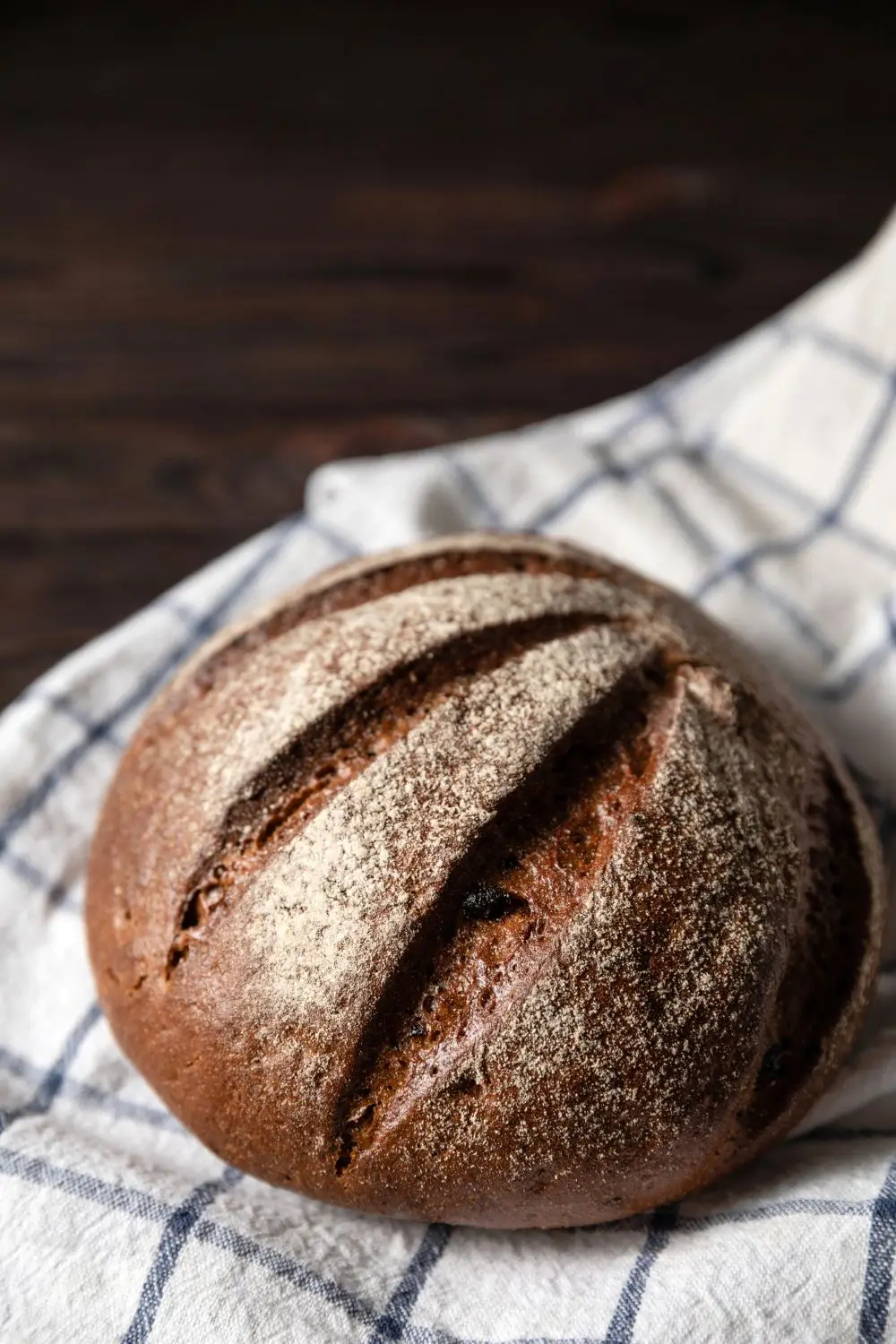
This authentic German-style dark pumpernickel bread uses a natural sourdough pre-starter, brewed coffee, and molasses to create a dense, flavorful loaf with deep color and complex taste. The two-day fermentation process develops rich flavors that make this bread perfect for pairing with sharp cheeses, cold beer, or simply butter. No special equipment needed beyond a stand mixer and a Dutch oven for the best results.
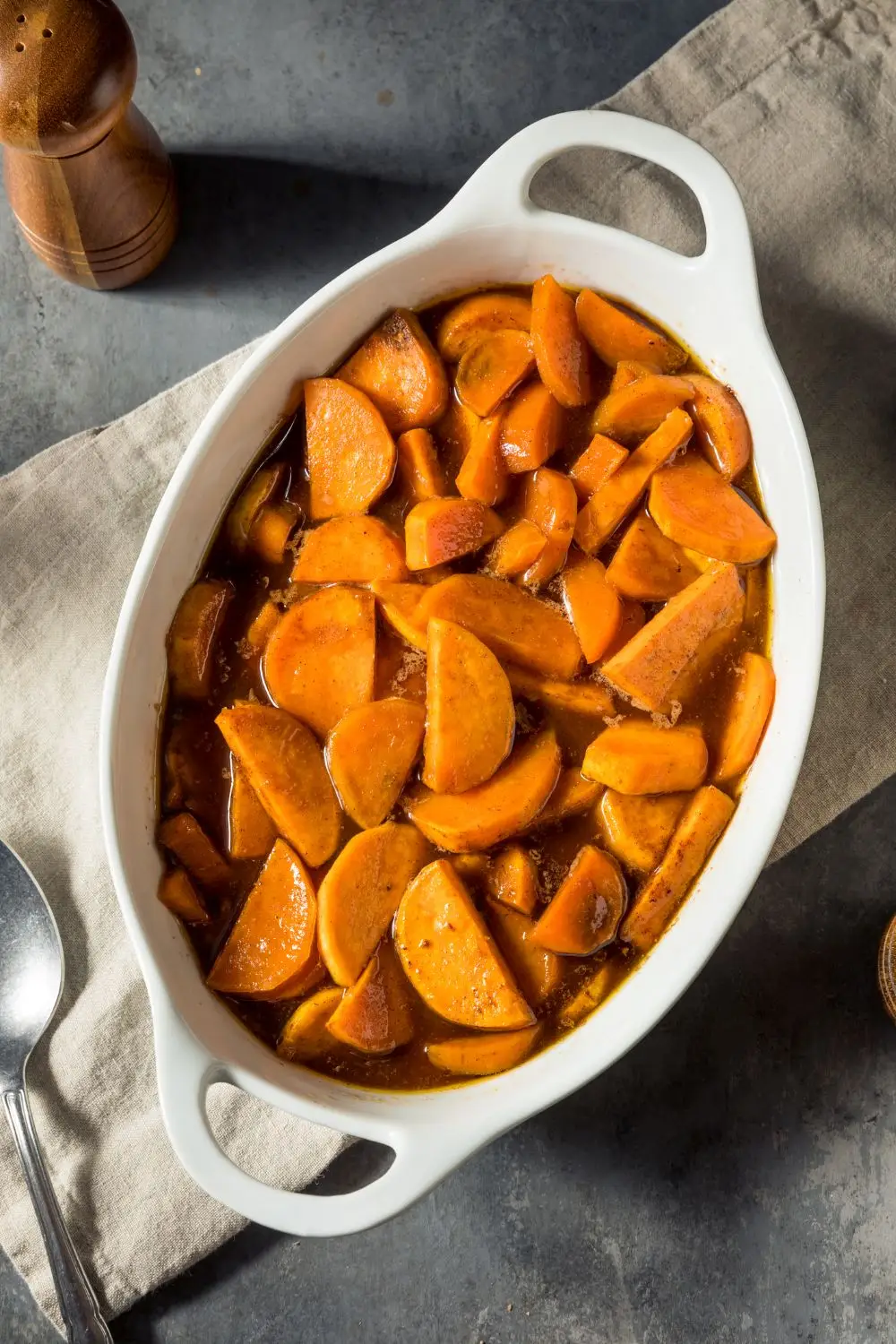
Tender sweet potato chunks bathed in a buttery citrus glaze with maple syrup and brown sugar create this showstopping 1970s vintage side dish. The bite-sized pieces soak up every drop of that glossy orange glaze, making each forkful perfectly caramelized and bursting with warm, nostalgic flavor. Ready in just 40 minutes.
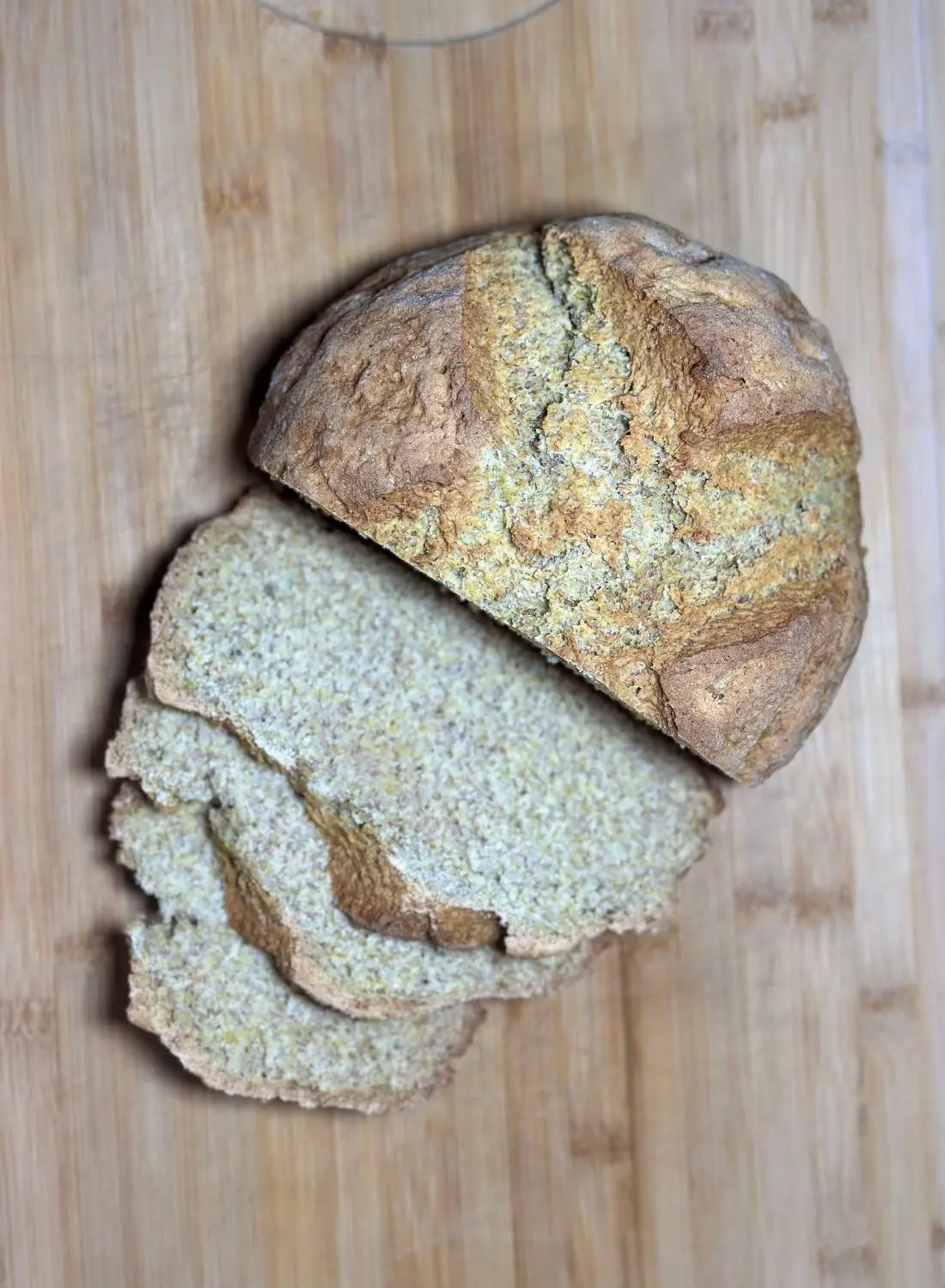
This traditional Irish soda bread bakes in a cast iron skillet to create a hearty loaf with a nutty flavor from wheat germ and a crusty golden exterior. The recipe requires no yeast, no kneading, and no rising time, making it one of the quickest homemade breads you can prepare. Ready in under an hour from start to finish, this bread delivers authentic Irish texture and flavor using basic pantry ingredients and a straightforward mixing method that even beginners can master successfully.
Cast Iron Product Recommendations
Recipe Rewind is an Amazon Associate and earns from qualifying purchases made through our affiliate links. We only recommend kitchen tools and products that coordinate with our vintage recipes and traditional cooking methods. Your purchases help us keep culinary traditions alive.
The Lodge 12-inch cast iron skillet comes pre-seasoned with vegetable oil and ready to use straight from the box. This American-made skillet works on any heat source—stovetop, oven up to 500°F, grill, or campfire, making it the most versatile pan you'll own. The 12-inch cooking surface provides enough room for family-sized meals while the helper handle makes moving it easier when fully loaded.
The Le Creuset Signature Round Dutch Oven delivers the heat retention and even cooking of cast iron without any seasoning requirements. The porcelain enamel interior resists sticking and cleans up easily with soap and water, while the exterior looks good enough to go straight from oven to table. This 5.5-quart size handles whole roast chickens, braised short ribs, sourdough loaves, or stews for 5-6 people. Safe to 500°F with all stovetops including induction, it features wide loop handles for secure grip even when wearing oven mitts. Made in France with a lifetime warranty.
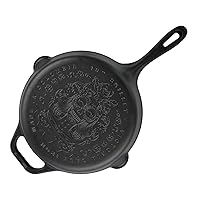
The Victoria 10-Inch Catrina Cast Iron Skillet features Day of the Dead (Día de los Muertos) artwork celebrating La Catrina, making it both a functional cooking tool and a conversation piece. Made in Colombia by a family-owned company that's been producing cast iron since 1939, this skillet comes pre-seasoned with non-GMO, kosher-certified flaxseed oil for a healthier, more durable seasoning layer than standard canola oil.
The STAUB 8.5-inch Traditional Deep Skillet in cherry red combines the functionality of a frying pan and sauté pan with higher, straighter sides that reduce stovetop splatter. This 1.75-quart capacity skillet handles everything from searing steaks to baking Dutch babies, personal pizzas, or cornbread for 2-3 people. The textured black matte enamel interior browns and caramelizes food beautifully while remaining scratch-resistant and requiring zero seasoning. Made in France from enameled cast iron, it delivers exceptional heat retention and even distribution across all stovetops including induction, and it's oven-safe to 500°F.
The Stargazer 10.5-inch cast iron skillet features a machined smooth cooking surface that delivers near-nonstick performance right out of the box, eliminating the rough texture that plagues most cast iron. Made entirely in Pennsylvania from recycled American iron, this 5.2-pound skillet balances proper heat retention with manageable weight for everyday cooking. The proprietary micro-textured finish holds seasoning without grabbing food, while the flared rim allows clean, drip-free pouring from any angle.
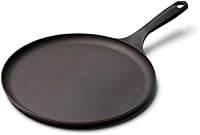
The Field Company No. 9 Round Cast Iron Griddle delivers a smooth, machined 9-inch cooking surface perfect for pancakes, French toast, grilled cheese, and homemade tortillas on a single stovetop burner. At just 4 pounds, this 10.5-inch griddle is light enough to reach for every morning yet delivers the heat retention and even cooking cast iron is known for.
Frequently Asked Questions
Is cast iron actually non-stick?
Cast iron develops a slick surface through gradual buildup of polymerized fats and proper temperature control, but it's not naturally non-stick like Teflon. A well-seasoned pan rivals modern coatings while remaining entirely food-safe, but you need to invest time building up those seasoning layers. The first few uses won't be non-stick. Month six? Different story.
Does cast iron heat evenly?
On the stovetop, no. Cast iron is actually a poor heat conductor prone to significant hot spots directly above the flame or heating element. Gas burners create intense hot zones in the center; electric coils create hot rings where the element contacts the pan. This is why you need to preheat for 5-10 minutes and rotate the pan occasionally during preheat to distribute heat across the entire cooking surface.
In the oven, cast iron heats much more evenly because heat surrounds the pan from all sides. This makes it excellent for baking cornbread, pizzas, and cobblers with consistent browning. Cast iron's true strength isn't even heating; it's heat retention. Once fully preheated, it holds temperature exceptionally well even when cold ingredients hit the surface.
Can I use metal utensils on cast iron?
Yes. A well-seasoned pan is resilient enough to handle metal spatulas without damage. The polymerized oil layer is chemically bonded to the metal and won't scratch off easily. I've been using metal spatulas on cast iron for decades. The pan is fine.
Will acidic foods ruin my pan?
Acidic foods only pose a risk to seasoning if simmered for many hours. Quick sauces are perfectly safe. The "seasoning" refers to the protective carbonized layer, not culinary spices, and a clean pan should never impart previous meal flavors to current dishes. If your pan tastes like last night's fish, you didn't clean it properly.
Is cooking with bacon the best way to season cast iron?
No. Sugars and nitrates in modern bacon create sticky residue rather than the hard, durable finish provided by neutral oils with high smoke points. Bacon fat worked better in the 1950s when bacon wasn't pumped full of sugar and preservatives. Use proper seasoning oil instead.
Does cast iron add iron to food?
Yes, cooking with cast iron can naturally fortify meals with small amounts of dietary iron. This benefit increases when cooking acidic foods like tomato-based sauces, which pull more iron from the pan. It's a measurable nutritional benefit, especially for people with iron deficiency.
Can cast iron crack or break?
Despite incredible durability, cast iron is brittle and can crack if dropped on hard surfaces or subjected to thermal shock. Thermal shock happens when you place a scorching hot pan into cold water. The rapid temperature change causes the metal to contract unevenly and fracture. Let pans cool before washing.
How often should I re-season my pan?
With proper daily maintenance (cleaning, drying, and thin oil application), you rarely need to perform full oven re-seasoning. Only strip and re-season if the surface becomes gummy, develops significant rust, or if food consistently sticks despite proper preheating and technique. I've gone years between full re-seasonings on my daily-use skillets.
Can I use cast iron on a glass-top stove?
Yes, but I wouldn't. Exercise caution. Cast iron can scratch or crack glass cooktops if slid across the surface or dropped. Always lift the pan to move it. The pan must sit completely flat (zero wobbling) to prevent uneven heating and potential cooktop damage.
Why does my food stick even after seasoning?
Usually because the pan wasn't preheated long enough or wasn't hot enough when food was added. Cast iron needs proper thermal mass before it releases food easily. Also check that you're using enough fat during cooking. Even seasoned pans need some oil or butter.
The fundamental truth about cast iron is this: proper care isn't a chore. Washing, drying, and careful oiling represents your way of saying thank you for a tool that has spent decades (sometimes generations) nourishing families.
You're the current steward of this iron, keeping it seasoned and strong so that one day, when you hand it to someone else, it carries not just your story but the stories of all those who stood at the stove before you. While people pass on, the warmth they provided can stay in the room forever.



0 comments