

Forget everything you know about store-bought eggnog. This 1906 boozy brandy recipe produces the kind of velvety, refined richness that actually tastes like December should and it takes just 10 minutes of hands-on time. No cooking required. The method uses raw pasteurized eggs that stay fresh for weeks in your refrigerator, making it ideal for batch preparation before holiday gatherings.
If you're already breaking out the brandy for this eggnog, keep that bottle handy for Homemade Spiced Mulled Apple Cider. The same spirit that makes this nog so smooth works great in hot mulled cider (bourbon does too, if that's what you've got open). One gives you cold, creamy richness; the other delivers warm, spiced comfort, but they both lean on that same caramel-vanilla depth that good brandy brings to winter drinks.
In 1906, Baltimore's moneyed families (the kind who appeared in the city's own Blue Book) were deep in the throes of what historians would later call the Gilded Age, though they probably just called it "the season". The Hotel Belvedere had opened three years earlier to immediate fanfare, drawing over 1,000 diners on its very first night, all of them dressed to prove they belonged there. This was the era when being seen mattered as much as what you were drinking, and what you were drinking at holiday parties absolutely mattered.
Families like the Broomes would have entertained at home with the same attention to detail that made the Belvedere's parties legendary. Brandy eggnog was a statement about your place in Baltimore's social hierarchy. The recipe required imported spirits, fresh cream, and the confidence that comes from knowing your guests expected perfection. These gatherings were orchestrated displays of wealth, taste, and Old Maryland hospitality, where the quality of your eggnog could spark drawing-room conversation well into January.
The Broome family's recipe survives because someone deemed it worth preserving, which tells you something about how it tasted. In an era before Instagram could broadcast your hosting prowess, the recipes that earned a family's name were the ones that made guests ask for seconds (and for the recipe).
What Makes This Brandy Eggnog Recipe Special
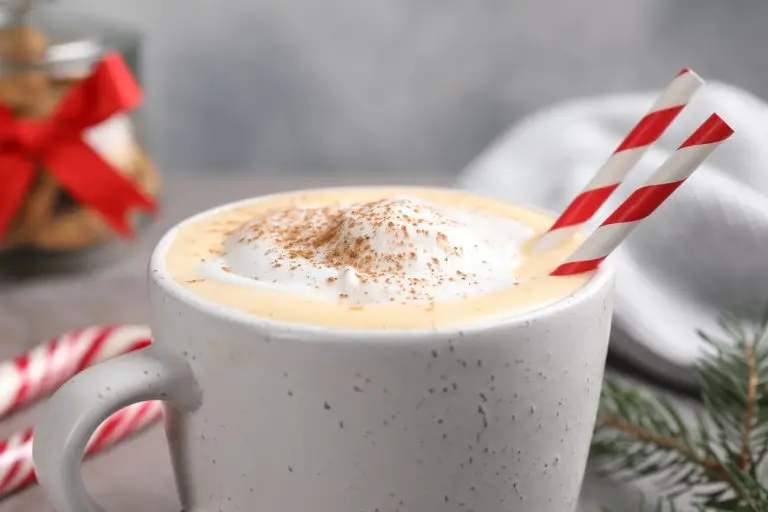
Brandy Creates Silky Warmth Quality brandy transforms this eggnog from sweet dairy beverage into something sophisticated. The brandy's gentle heat mingles with farm-fresh eggs and heavy cream to create layers of flavor that whisper elegance. Unlike the sharp bite of bourbon or the molasses notes of rum, brandy brings refined warmth that complements rather than overwhelms the custard-like base.
Raw Eggs Stay Safe for Weeks The alcohol content acts as a natural preservative, allowing this vintage eggnog to develop deeper flavors over time. Pasteurized eggs eliminate food safety concerns while maintaining the silky texture that cooked custard bases can't replicate. You can prepare this recipe weeks before your celebration and actually improve the taste through patient aging in your refrigerator.
Folded Egg Whites Add Airiness Beating egg whites to soft peaks before folding them into the mixture creates a lighter, fluffier texture than modern recipes that skip this step. The aeration introduces tiny air bubbles throughout the eggnog, giving each sip an almost mousse-like quality. This technique separates vintage recipes from their modern descendants, which often produce heavier, denser results.
Minimal Ingredients Maximum Impact Twelve eggs, sugar, dairy, brandy, and nutmeg combine into something far greater than their simple parts. The Broome family understood that quality ingredients need little embellishment. Fresh whole milk and heavy cream provide natural richness, while freshly grated nutmeg offers aromatic warmth that pre-ground spices simply cannot match.
There are few things as wonderfully festive as a glass of rich, homemade eggnog during the holidays. This cherished family recipe for brandy eggnog, passed down since 1906, is a delightful step back in time.
Total Time:10 minutes
Yield:8 - 6oz servings 1x
Ingredients
UnitsScale
1pint whole milk (about 2 cups)
1pintheavy cream
12 eggs
2cupsgranulated sugar
1pint of your best French brandy
2 tsp grated nutmeg
Instructions
Separate egg yolks and whites
Gently beat the egg yolks and sugar until smooth
To the beaten egg yolks and sugar, add the milk, cream, brandy, and grated nutmeg
Using an electric or stand mixer, beat the egg whites until they form soft peaks
Use Room Temperature Eggs Cold eggs resist incorporating air when beaten, resulting in denser texture. Set your eggs on the counter 30 minutes before beginning this recipe. Room temperature egg whites whip to higher volume with more stable peaks that hold their structure when folded into the brandy mixture.
Add Brandy Slowly to Prevent Curdling Pour the brandy in a steady stream while whisking constantly to prevent the alcohol from cooking the egg proteins. Rapid addition can cause the mixture to separate or develop an unpleasant grainy texture. Take your time with this step, treating it like tempering eggs for custard.
Grate Nutmeg Fresh Whole nutmeg releases aromatic oils that pre-ground versions lost months ago on grocery store shelves. A microplane grater makes quick work of this task. Two teaspoons seems modest, but freshly grated nutmeg packs considerably more punch than you might expect from such a small amount.
Fold Gently to Keep It Light Overworking the mixture after adding beaten egg whites deflates those carefully created air bubbles. Use a rubber spatula with broad, sweeping motions from the bottom of the bowl upward. Stop folding the moment you no longer see white streaks, even if the mixture looks slightly uneven.
Taste Before Chilling Flavors mellow as this eggnog ages, so what tastes perfectly balanced fresh might need adjustment. If the brandy seems too strong, add another splash of cream. If sweetness falls flat, dissolve additional sugar in a tablespoon of warm milk before stirring it through. Make these adjustments before refrigeration for best results.
Variations
Serving Ideas
Storage
Recipe Variations
Replace brandy with vanilla and almond extract for non-alcoholic version that children can enjoy. Use two teaspoons vanilla extract plus one teaspoon almond extract to mimic the complexity brandy provides.
Add cinnamon sticks and whole cloves during the initial mixing, then remove them after 24 hours of chilling. This infuses gentle spice notes without the harsh bite that ground spices sometimes create.
Dark rum offers deep molasses notes that create earthier, more robust flavor. Bourbon adds vanilla and caramel undertones that appeal to those who prefer sweeter profiles. Cognac provides richer complexity for special occasions.
Serving Ideas
Serve this brandy eggnog in crystal punch cups or vintage coupe glasses for authentic period presentation. The vessel matters when you're recreating 1906 hospitality. Chill your glasses in the freezer for 15 minutes before pouring.
Dust each serving with additional freshly grated nutmeg just before guests take their first sip. The aromatic oils release as the warm spice hits the cold eggnog, creating a sensory experience that begins before the first taste.
Pair with gingerbread cookies, fruitcake, or roasted chestnuts for traditional holiday combinations. The rich, creamy eggnog cuts through the spice and density of winter desserts while complementing their warm flavors.
Serve alongside a cheese board featuring aged cheddar and walnuts for sophisticated cocktail party presentation. The brandy's refined character holds its own against sharp cheese in ways that sweeter rum-based eggnogs cannot.
Storage Instructions
This vintage eggnog keeps for several weeks when stored in a cool place. Use a large glass jar with a tight-fitting lid and keep it in the coldest part of your refrigerator, typically the back of the bottom shelf.
Stir the mixture every few days as separation occurs naturally. The cream rises while heavier ingredients settle. A few swirls with a long spoon restores the silky consistency.
Refresh the texture by beating additional egg whites to soft peaks and folding them into the eggnog as you use it. This vintage technique extends the lifespan while maintaining that characteristic light, airy quality throughout the holiday season.
Pour into smaller glass bottles for gifting. Clean wine bottles with swing-top lids work beautifully. Tie raffia or vintage ribbon around the neck and attach a handwritten tag with serving suggestions
Frequently Asked Questions
Can you make brandy eggnog ahead for Christmas?
Yes, this 1906 recipe actually improves when made two to three weeks before serving. The alcohol preserves the mixture while flavors mellow and deepen in your refrigerator.
Is it safe to drink eggnog with raw eggs?
Raw pasteurized eggs are safe to consume, and the alcohol content provides additional preservation. People with compromised immune systems should consult their doctor before consuming raw egg products.
What's the best brandy for homemade eggnog?
Use VSOP or VS cognac for refined warmth without breaking your budget. The Broome family called for "your best French brandy," which in 1906 meant cognac rather than American brandies.
Can you freeze brandy eggnog?
Freezing changes the texture as dairy and eggs separate during the thawing process. Stick with refrigerator storage for best results, where this recipe keeps for several weeks.
How do you make eggnog thicker?
Add more egg yolks or reduce the milk slightly while increasing heavy cream. The ratio of eggs to liquid determines final thickness, with more eggs creating custard-like consistency.
Why does my eggnog taste too strong?
Add additional cream or milk to mellow the brandy flavor. Aging for several days also softens the alcohol bite as flavors integrate and harmonize.
Can you use light cream instead of heavy cream?
Heavy cream provides the rich, velvety texture that defines this vintage recipe. Light cream produces thinner, less luxurious results that don't capture the original character.
How much alcohol is in a serving of this eggnog?
With one pint of brandy divided among approximately 40 servings, each cup contains roughly half an ounce of alcohol. This creates a mildly boozy beverage rather than a strong cocktail.
Do you serve brandy eggnog warm or cold?
This recipe is served chilled, poured over ice or straight from the refrigerator. The cold temperature balances the brandy's warmth and keeps the dairy fresh-tasting.
What can you serve with brandy eggnog at a party?
Christmas pudding, gingerbread cookies, fruitcake, and roasted chestnuts complement the creamy, spiced flavors beautifully. Savory options like aged cheese and cured meats also pair well with brandy's refined character.
Does your family have one recipe that only gets made once a year, and everyone notices if it doesn't show up? The kind where someone's great-aunt still insists on using the same punch bowl she's been using since 1982?
If you make this 1906 Broome Family brandy eggnog, please leave a rating and review to help others discover this vintage treasure!
Melissa is the creator of Recipe Rewind, where she preserves culinary history one vintage recipe at a time. With Wisconsin roots and a passion for desserts, she specializes in reviving original recipes like the 1908 Hydrox cookie - honoring the authentic versions before they're overshadowed by modern imitations. Self-taught from age seven with a Bisquick box and her Mamaw's handwritten recipe cards, her culinary passion has grown through international travel and raising four children. Today, she cooks in a truly multi-generational kitchen spanning five generations - from the Silent Generation to Gen Z - where timeless recipes bridge the decades. Melissa adapts vintage recipes for modern home cooks and bakers, believing food connects us all across generations, cultures, and time.
0 comments