This 1958 salami cream cheese appetizer — sharp horseradish layered with cream cheese, pressed between salami rounds, chilled, and sliced into wedges — is the no-bake party appetizer that outlasted every trend from the Eisenhower era straight through your last holiday spread.
The stack-press-chill technique, borrowed from mid-century cocktail party culture, keeps every triangle intact so nothing unrolls, dries out, or falls apart on the platter. You probably already have cream cheese in your fridge, and the rest comes from any deli counter. Zero cooking, minimal assembly, and a result that actually tastes better the next day.
Quick Navigation
No headings found
Back in the 1958 Kitchen
Cocktail parties ruled suburban living rooms in 1958, when entertaining at home signaled you'd arrived. Women wore sheath dresses and cocktail rings while men mixed highballs at the new bar cart, the record player spinning Sinatra or Nat King Cole while guests balanced small plates and martini glasses. Party food needed to be elegant enough to impress but sturdy enough to eat standing up, which is why these salami triangles appeared on every proper hostess's menu alongside cheese balls and stuffed celery.
The post-war economy was booming, and families had disposable income for the first time in years. Throwing a cocktail party meant showing off your new split-level home, your coordinated living room set, maybe even your color TV if you were really doing well. The food reflected this new prosperity without being fussy. Cream cheese was modern and convenient, salami was substantial, and the geometric triangle shape looked purposeful and designed. These weren't just snacks; they were conversation pieces that happened to taste good.
Home refrigerators were becoming standard equipment, which made make-ahead appetizers practical for the first time. You could prepare these triangles in the afternoon, wrap them in waxed paper (the 1950s version of plastic wrap), and pull them out when guests arrived. The chilling step wasn't just about convenience. It transformed loose layers into a cohesive stack that sliced cleanly into wedges, turning simple ingredients into something that looked like you'd bought it from a fancy caterer.
Why This Salami Cream Cheese Appetizer Works
Horseradish Cuts the Richness The tablespoon of prepared horseradish adds sharp, pungent heat that prevents the cream cheese from tasting one-dimensional. Without it, you'd have a bland dairy spread between meat. With it, each bite wakes up your palate instead of coating it. The sinus-clearing quality of horseradish also makes these appetizers pair beautifully with cocktails or beer, since the sharpness refreshes your taste buds between sips.
Grated Onion Adds Depth Without Crunch Fresh grated onion releases more moisture and flavor than diced onion would, distributing savory notes throughout the cream cheese without creating texture issues. Two teaspoons sounds minimal, but onion is potent when raw. This amount seasons the filling without overwhelming the other flavors or leaving chunky bits that make the spread harder to eat. The moisture from grated onion also helps the cream cheese spread more smoothly across each salami slice.
Milk Creates a Spreadable Consistency Room temperature cream cheese is soft but still holds its shape. Adding two tablespoons of milk loosens the texture just enough to spread easily without tearing the salami, while keeping the filling thick enough that it doesn't squish out when you stack the layers. This ratio creates a filling that spreads like soft butter but firms up again once refrigerated, which is key to getting clean triangle cuts.
Double Heat Builds Complexity Cayenne pepper and liquid hot pepper seasoning (like Tabasco) might seem redundant, but they each contribute different dimensions of heat. Cayenne adds earthy, slow-building warmth that lingers on your tongue, while liquid hot sauce provides vinegar-bright acidity and immediate sharpness. Together, they create layers of spice that make these appetizers taste more complex than the ingredient list suggests.
The Stacking Method Prevents Mess Building two separate five-layer stacks instead of one tall stack serves a practical purpose beyond portion size. Shorter stacks are more stable and cut more cleanly without the filling squeezing out. The pressure of wrapping and refrigerating compresses the layers just enough that they adhere to each other, so when you slice each stack into six wedges, the pieces hold together instead of sliding apart on the serving plate.
This vintage salami cream cheese appetizer layers horseradish-spiked cream cheese between salami slices, then chills into elegant triangles perfect for parties. The 1958 technique creates make-ahead appetizers that hold their shape and taste even better after the flavors meld in the refrigerator.
Total Time:2 Hours 15 Minutes
Yield:12 Triangles 1x
Ingredients
UnitsScale
3oz softened cream cheese
2 tablespoons milk
1 tablespoon horseradish
2 teaspoons grated onion
1/4 teaspoon liquid hot pepper seasoning
1/8 teaspoon cayenne pepper
About 1/2lb. thinly sliced salami (10 slices)
Pickled onion
Instructions
In a medium bowl, combine softened cream cheese, milk, horseradish, grated onion, hot pepper seasoning, and cayenne pepper. Mix with a fork until completely smooth and uniform.
Lay out 4 slices of salami on a clean work surface. Spread about 1 tablespoon of the cream cheese mixture evenly onto each slice, spreading to the edges.
Stack the 4 cream cheese-covered salami slices on top of each other. Top the stack with 1 plain salami slice (no cream cheese). You now have one 5-layer stack.
Repeat steps 2-3 with the remaining 5 salami slices to create a second 5-layer stack.
Wrap each stack tightly in waxed paper or plastic wrap, applying gentle pressure to compress the layers. Refrigerate for at least 2 hours or up to 24 hours.
Unwrap each stack. Using a sharp knife, cut each stack in half, then cut each half into 3 equal wedges to create 6 triangles per stack (12 total).
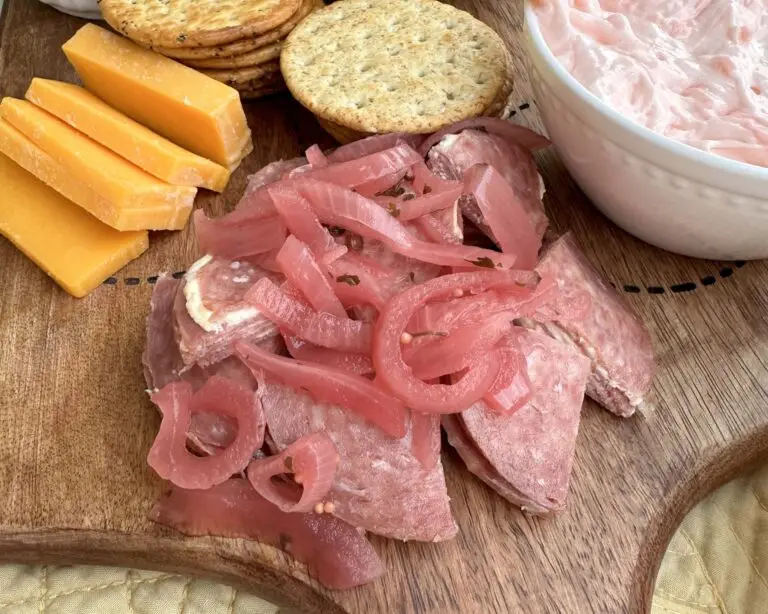
Top each triangle with a pickled onion and secure with a toothpick if desired. Serve chilled.
Use Standard Deli-Sliced Salami You want salami that's sliced to sandwich thickness, not paper-thin like prosciutto or thick like you'd cube for a cheese board. The slices should be about 3 to 4 inches in diameter. Genoa salami works beautifully here, but hard salami or soppressata will also hold up well. Avoid pre-packaged ultra-thin slices, which tear too easily when spreading the filling.
Soften Your Cream Cheese Completely Set your cream cheese on the counter for at least an hour before mixing, or microwave it for 15 seconds if you're short on time. Cold cream cheese won't incorporate smoothly with the milk and will create lumpy filling that's impossible to spread evenly. You'll know it's ready when you can press your finger into the block and leave an indentation. Beat it with a fork or small whisk until completely smooth before adding the other ingredients.
Mix Until Completely Uniform Don't just stir the filling together and call it done. You want every ingredient fully incorporated so each bite tastes the same. Use a fork to mash and stir for at least a minute, making sure no streaks of plain cream cheese remain and the horseradish is evenly distributed. The mixture should look like one cohesive spread, not cream cheese with stuff mixed in.
Spread Filling to the Edges When you're spreading the seasoned cream cheese onto each salami slice, go all the way to the edges. Leaving a border might seem tidy, but it creates dry bites once you cut the stack into wedges. You want filling in every part of each triangle. Use the back of a spoon or a small offset spatula to spread the mixture evenly, keeping the layer thin but complete.
Press Stacks Gently While Wrapping As you wrap each five-layer stack in waxed paper or plastic wrap, apply gentle pressure to compress the layers together without squishing filling out the sides. This helps the cream cheese adhere to the salami so the triangles don't fall apart when you cut them. Twist the ends of the wrap to create a slight seal, which also helps maintain pressure while the stacks chill.
Refrigerate for at Least Two Hours The chilling time isn't optional. Cold cream cheese firms up considerably, transforming from spreadable to sliceable. If you try to cut the stacks too soon, the filling will smear and the layers will slide apart. Two hours is the minimum; four hours or overnight is even better. The flavors also meld and intensify during this time, so the horseradish and onion taste more integrated rather than sharp and separate.
Use a Sharp Knife for Clean Cuts A dull knife will drag through the layers and create messy triangles with smeared filling. Use your sharpest chef's knife and wipe it clean between cuts. For perfectly even wedges, cut each stack in half first, then cut each half into three equal triangles. If the filling starts to soften as you're cutting, pop the stacks back in the fridge for 10 minutes before finishing.
Recipe Variations, Serving Ideas, & Storage
Recipe Variations
Serving Ideas
Make Ahead & Storage
Recipe Variations
Mild Version: Skip the cayenne and reduce the hot pepper seasoning to ⅛ teaspoon. Add 1 teaspoon of Dijon mustard for flavor without heat.
Herb and Garlic: Replace the horseradish with 2 cloves of minced garlic and add 1 tablespoon of fresh chopped parsley and 1 teaspoon of dried Italian seasoning.
Olive Tapenade Filling: Mix ¼ cup of finely chopped Kalamata olives and 1 tablespoon of capers into the cream cheese base. Omit the horseradish and cayenne.
Pickled Pepper Version:Add 2 tablespoons of finely diced pepperoncini to the cream cheese mixture for tangy crunch. This works especially well with spicy salami.
Mediterranean Style: Replace horseradish with 2 tablespoons of sun-dried tomato paste and add 1 tablespoon of fresh basil. Use soppressata instead of Genoa salami.
Serving Ideas
Arrange these salami triangles on a charcuterie board alongside aged cheddar, crackers, cornichons, and marinated olives for a complete appetizer spread. The triangles hold up well at room temperature for about 30 minutes, which makes them perfect for cocktail parties where food sits out between refills.
Serve with toothpicks for easy grabbing, or place on individual cocktail napkins for a more formal presentation. These pair beautifully with dry martinis, Manhattan cocktails, or crisp white wine. For a casual gathering, they're equally good with beer or sparkling water.
Add these to your game day spread alongside chips and dip, or make them the centerpiece of a retro-themed party. They're substantial enough that three or four triangles per person works as a light appetizer course before dinner.
Make Ahead & Storage Instructions
Make-Ahead Timeline: Prepare the stacks up to 24 hours before your party. Cut into triangles 2-4 hours before serving and keep refrigerated. Pull them out 10 minutes before guests arrive to take the chill off, which brings out more flavor.
Refrigerator Storage: Wrap uncut stacks tightly in plastic wrap and refrigerate for up to 3 days. The flavors actually improve after 24 hours as the horseradish and onion mellow and distribute throughout the cream cheese.
Cut Triangles: Once sliced, arrange triangles in a single layer in an airtight container with parchment paper between layers to prevent sticking. Store in the refrigerator for up to 2 days. The salami may dry slightly at the edges after cutting, so these are best consumed within 48 hours.
Freezing: These don't freeze well because the cream cheese separates and becomes grainy when thawed, and the salami texture degrades. Make them fresh or keep refrigerated.
Frequently Asked Questions
Can I make these without horseradish?
Yes, but the appetizer will taste much milder and less complex. Try substituting 1 tablespoon of Dijon mustard or whole grain mustard for tangy flavor without the horseradish heat.
What's the best type of salami to use?
Genoa salami works beautifully because it's well-marbled and flavorful without being too spicy. Hard salami or soppressata are excellent alternatives. Avoid very thin-sliced salami or salami with large fat pockets, which can tear when spreading the filling.
Can I use low-fat cream cheese?
Regular full-fat cream cheese spreads more easily and tastes richer, but reduced-fat (Neufchatel) cream cheese will work in a pinch. Avoid fat-free cream cheese, which has a grainy texture and won't spread smoothly or hold the stacks together properly.
How do I keep the triangles from falling apart?
Make sure your cream cheese is fully softened before mixing, refrigerate the stacks for at least 2 hours, and use a sharp knife wiped clean between cuts. Proper chilling time is the most important factor for stability.
Can I make these ahead for a party?
Absolutely. These are ideal make-ahead appetizers. Prepare the stacks up to 24 hours in advance and keep them wrapped in the refrigerator. Cut into triangles 2-4 hours before your party for the cleanest cuts and best presentation.
What can I use instead of pickled onions for garnish?
Pimento-stuffed green olives, cornichons, cherry tomatoes, or pepperoncini all work well. You can also skip the garnish entirely and just serve the triangles plain on toothpicks.
Are these appetizers keto-friendly?
Yes, this is a low-carb appetizer with only about 1-2 grams of carbs per triangle, making it suitable for keto and low-carb diets. The majority of calories come from protein and fat.
Can I double the recipe for a large party?
Definitely. The recipe scales easily. Just make sure you have enough refrigerator space to store all the stacks while they chill. Each stack takes up about the same space as a small sandwich.
Why does my cream cheese mixture look separated?
Your cream cheese wasn't soft enough when you started mixing. Let it come to full room temperature, then beat it vigorously with a fork or whisk before adding the milk. If it's already mixed and looks separated, you can try warming it slightly in the microwave for 10 seconds and whisking again.
How far in advance can I cut the triangles?
Cut them no more than 4 hours before serving for the best appearance. The salami edges can dry out slightly once exposed to air, and the cream cheese may start to weep if cut too far in advance.
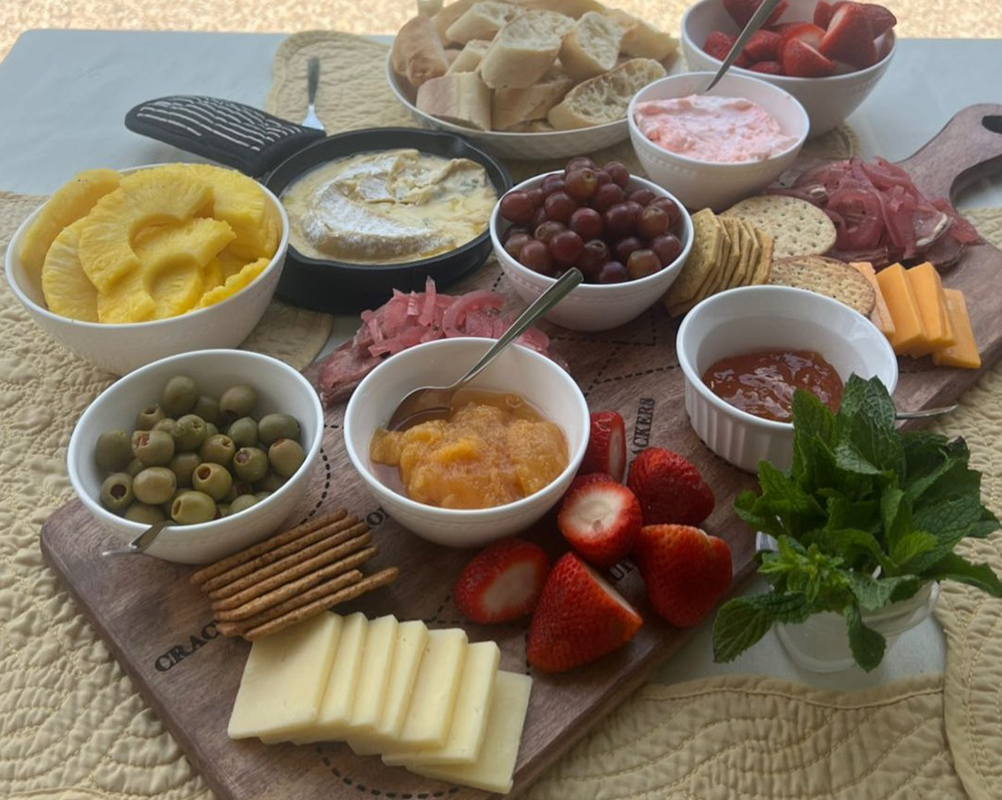
Pictured above with:
Melted Gorgonzola with baguette and apricot jam
Fresh strawberries and fruit dip
Club crackers with sharp cheddar and white cheddar cheese
Fresh pineapple
Pickled peaches
Red seedless grapes
Green Manzanilla olives
Salami Triangles topped with pickled red onion
Pin This 1950s Salami Cream Cheese Appetizer For Later
These salami cream cheese triangles prove that the best party appetizers don't need to be complicated. The horseradish-spiked filling and the satisfying stack of layers create something that tastes intentional and special, even though you're working with just five ingredients and zero cooking. When you make these for your next gathering, you're tapping into decades of proven entertaining wisdom: simple ingredients, smart technique, and flavors that actually taste better after they've had time to settle into each other.
What were the go-to appetizers at your family gatherings? If you make this salami cream cheese appetizer, please leave a rating and review!
Melissa is the creator of Recipe Rewind, where she preserves culinary history one vintage recipe at a time. With Wisconsin roots and a passion for desserts, she specializes in reviving original recipes like the 1908 Hydrox cookie - honoring the authentic versions before they're overshadowed by modern imitations. Self-taught from age seven with a Bisquick box and her Mamaw's handwritten recipe cards, her culinary passion has grown through international travel and raising four children. Today, she cooks in a truly multi-generational kitchen spanning five generations - from the Silent Generation to Gen Z - where timeless recipes bridge the decades. Melissa adapts vintage recipes for modern home cooks and bakers, believing food connects us all across generations, cultures, and time.




0 comments