
Ingredients
Units
Scale
For the Rye Sponge (Sauerteig):
- 1 cup dark rye flour
- 1 cup warm water (100-110°F)
- 1/4 teaspoon active dry yeast
- 1/4 teaspoon white granulated sugar
- All of the fermented rye sponge (from above)
- 2 cups bread flour or all-purpose flour
- 1 cup whole wheat flour
- 1 cup warm water (100-110°F)
- 1/4 teaspoon active dry yeast
- 1 1/2 tablespoons dark molasses or barley malt syrup
- 1 1/2 teaspoons kosher salt 1 1/4 tablespoons crushed caraway or fennel seeds (optional but traditional)
Instructions
Day 1: Create the Rye Sponge
- In a glass jar or small bowl, combine 1 cup dark rye flour, 1 cup warm water, ¼ teaspoon yeast, and ¼ teaspoon sugar. Mix thoroughly until no dry flour remains.
- Cover loosely with plastic wrap or a clean kitchen towel. Leave at room temperature (68-72°F) for 12 to 16 hours until the mixture is bubbly, has doubled in volume, and smells pleasantly tangy like yogurt.
Day 2: Mix and Knead the Dough
- In a large mixing bowl, combine all of the fermented rye sponge, bread flour, whole wheat flour, warm water, yeast, molasses, salt, and crushed caraway or fennel seeds (if using).
- Stir with a wooden spoon or silicone spatula until the mixture comes together into a shaggy dough.
- Knead by hand on a lightly floured surface for 10 to 12 minutes, or use a stand mixer with dough hook attachment on medium-low speed for 10 minutes. The dough should become supple and stretchy, though it will remain slightly tacky due to the rye content.
- If the dough is excessively sticky and won’t release from your hands, add bread flour 1 tablespoon at a time. If it’s too stiff, add water 1 tablespoon at a time.
Primary Proofing
- Lightly grease a large bowl with oil. Place the kneaded dough in the bowl, turning once to coat with oil. Cover with plastic wrap or a damp towel.
- Let rise at room temperature (68-75°F) for approximately 2 hours, or until doubled in volume.
Shape the Loaf
- Turn the risen dough onto a lightly floured work surface. Gently deflate and shape into either a round boule or oval batard by folding the edges toward the center and creating tension on the surface.
- If using a banneton proofing basket, dust it generously with flour and place the shaped dough seam-side up. If using a baking sheet, line it with parchment paper and place the dough seam-side down.
Secondary Proofing
- Cover the shaped loaf with a towel and let proof at room temperature for 60 minutes while you preheat the oven.
- Preheat oven to 475°F. If using a Dutch oven, place it in the oven to preheat for the last 30 minutes.
Score and Bake
- If the dough was proofed seam-side up in a banneton, carefully invert it onto parchment paper or directly into the preheated Dutch oven.
- Using a sharp razor blade or bread lame, score the top of the loaf with your desired pattern (traditional is a cross or three parallel lines), cutting about ¼ inch deep.
- If using a Dutch oven: Carefully transfer the dough (on parchment if needed) into the hot Dutch oven. Cover with lid.
- If using a baking sheet: Place dough on sheet and put a small metal pan with 1 cup of water on the bottom oven rack to create steam.
- Bake at 475°F for 10 minutes, then reduce oven temperature to 425°F and continue baking for 30 to 35 minutes more (total bake time 40-45 minutes). If using a Dutch oven, remove the lid after 25 minutes to allow crust to brown.
- The bread is done when the crust is deep brown, the loaf sounds hollow when tapped on the bottom, and an instant-read thermometer inserted into the center reads 200-205°F.
Cool and Serve
- Remove the loaf from the oven and immediately transfer to a wire cooling rack.
- Let cool completely for at least 60 minutes before slicing. For best texture and flavor, wait until the bread has cooled to room temperature or even overnight before cutting.
Equipment
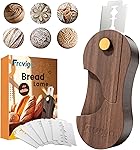
Retractable Bread Lame Scoring Tool
Buy Now →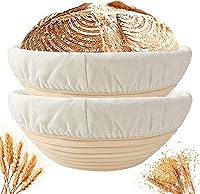
Banneton Bread Proofing Basket Set of 2
Buy Now →
Bread Slicer with Stainless Steel Guides
Buy Now →Notes
- Dark rye flour can be found in most grocery stores in the baking aisle or specialty flour section. Whole rye flour or medium rye will also work.
- Barley malt syrup is traditional and can be found in homebrew supply stores or online, but dark molasses is an excellent substitute and more readily available.